Wednesday 4th February 2015
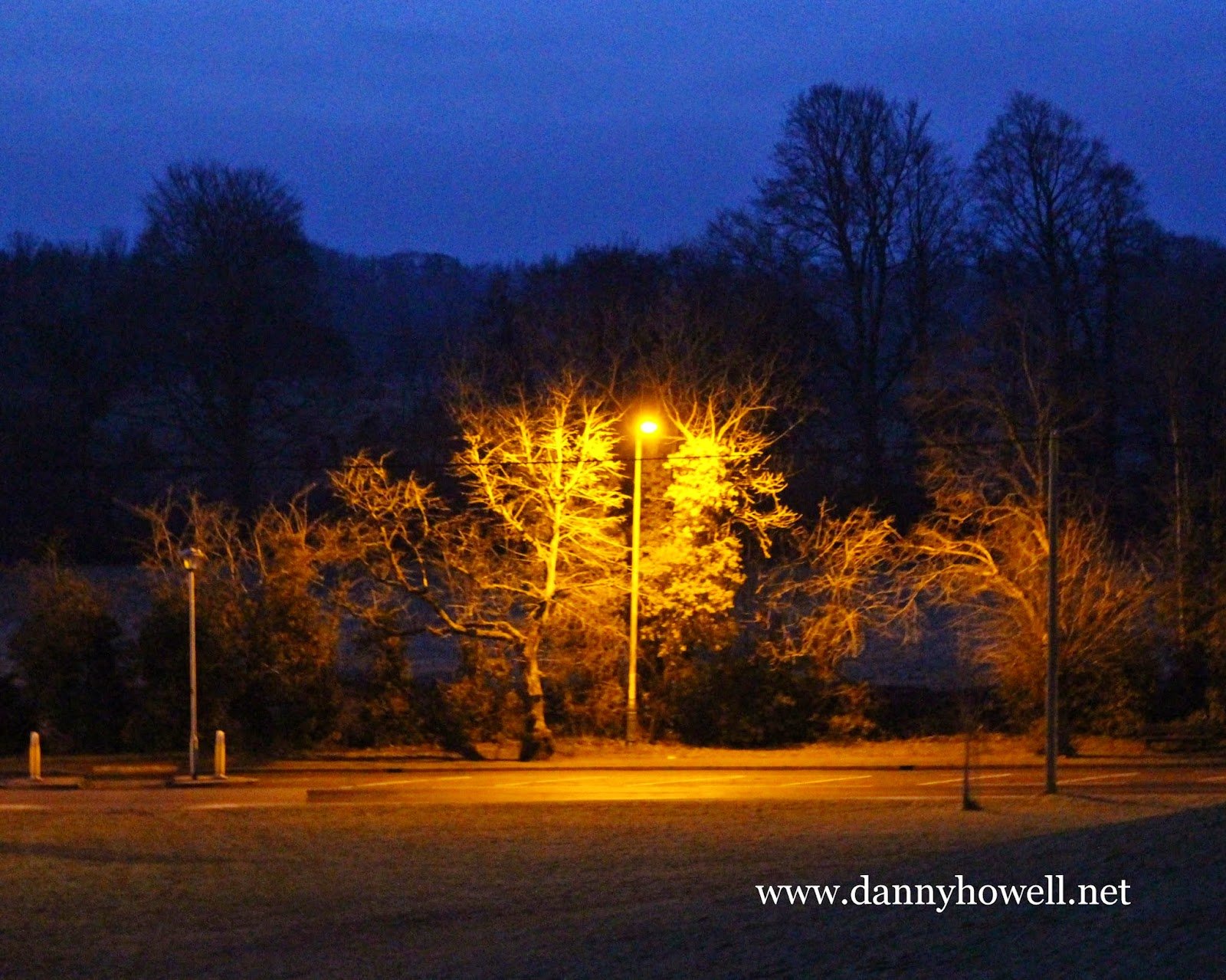
View from St. George’s Playing Field, Warminster, over Boreham Road to Spurt Mead. Photograph taken by Danny Howell at 7.00 a.m. on Wednesday 4th February 2015.
A geographical dictionary providing reference information about places and place names in Warminster and other civil parishes in the surrounding area.
Wednesday 4th February 2015
View from St. George’s Playing Field, Warminster, over Boreham Road to Spurt Mead. Photograph taken by Danny Howell at 7.00 a.m. on Wednesday 4th February 2015.
Tuesday 3rd February 2015
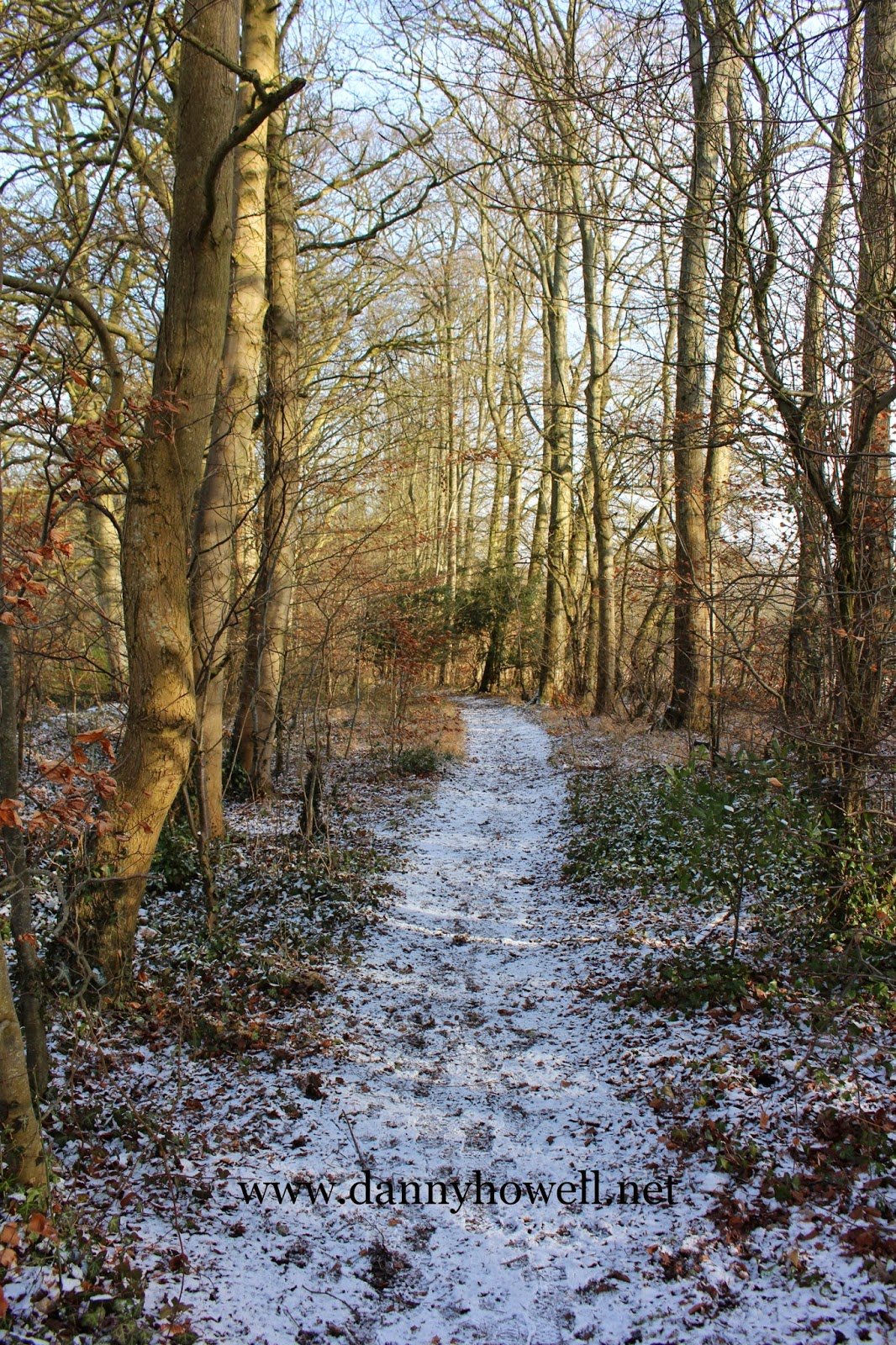
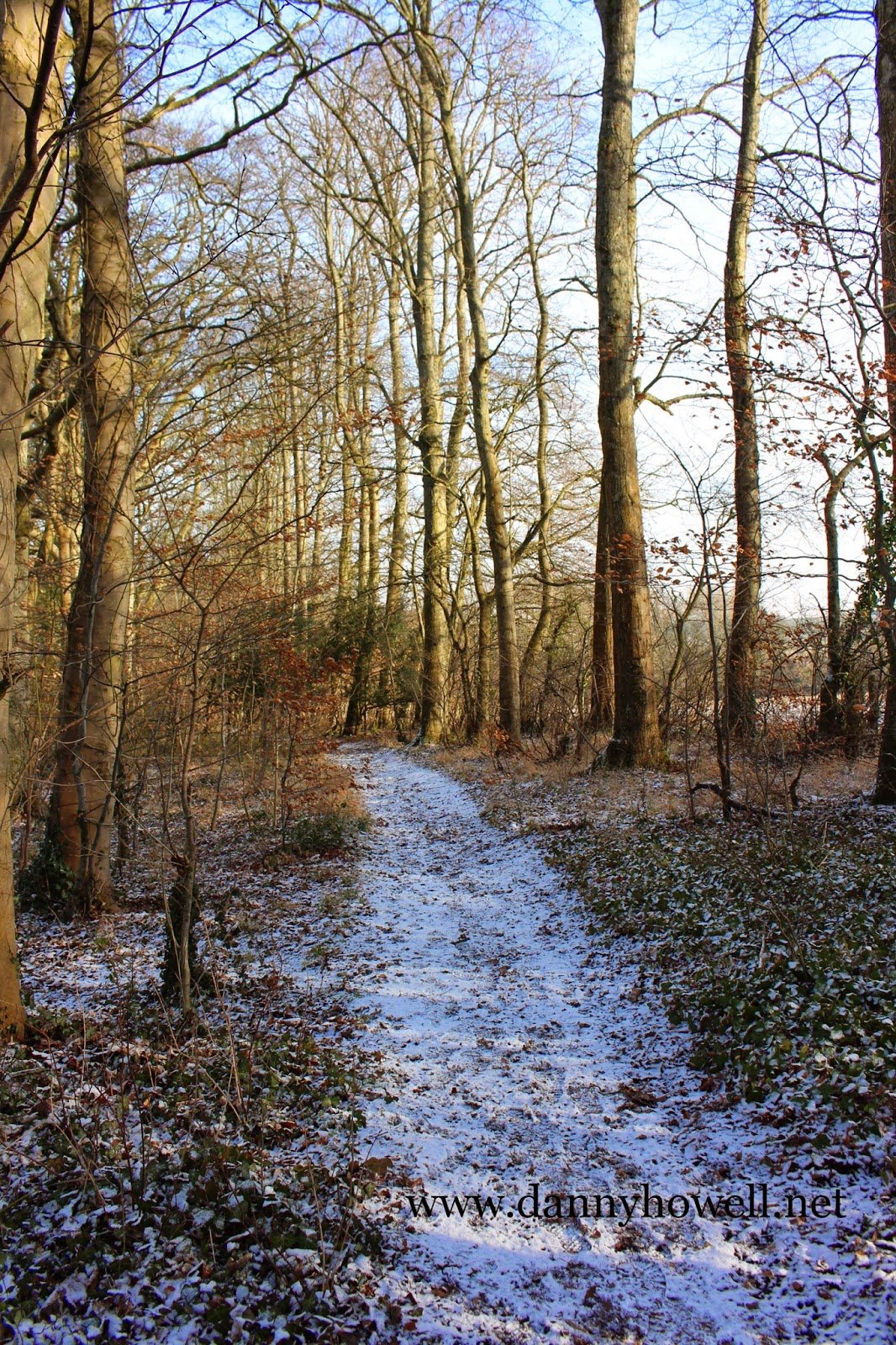
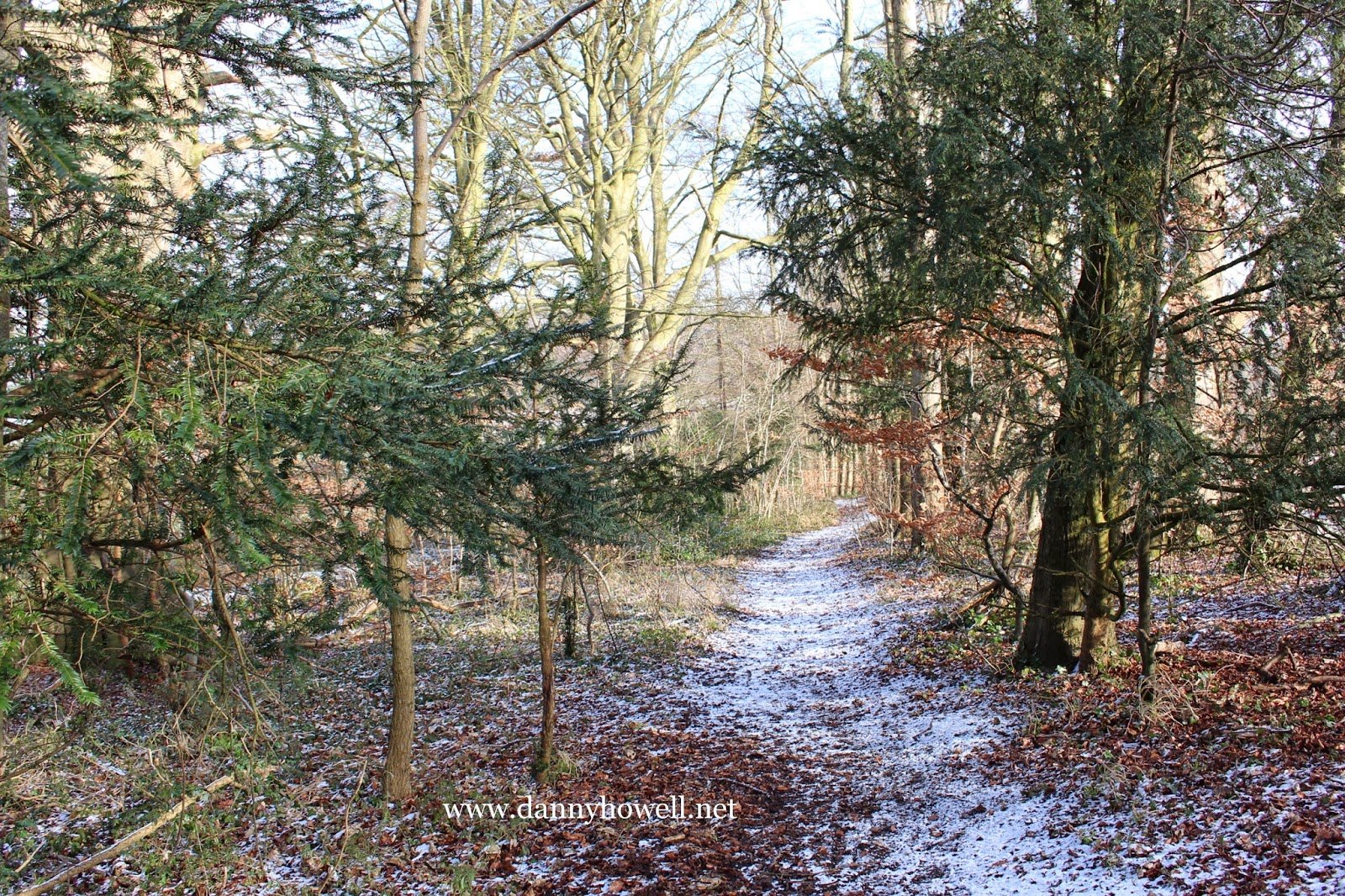
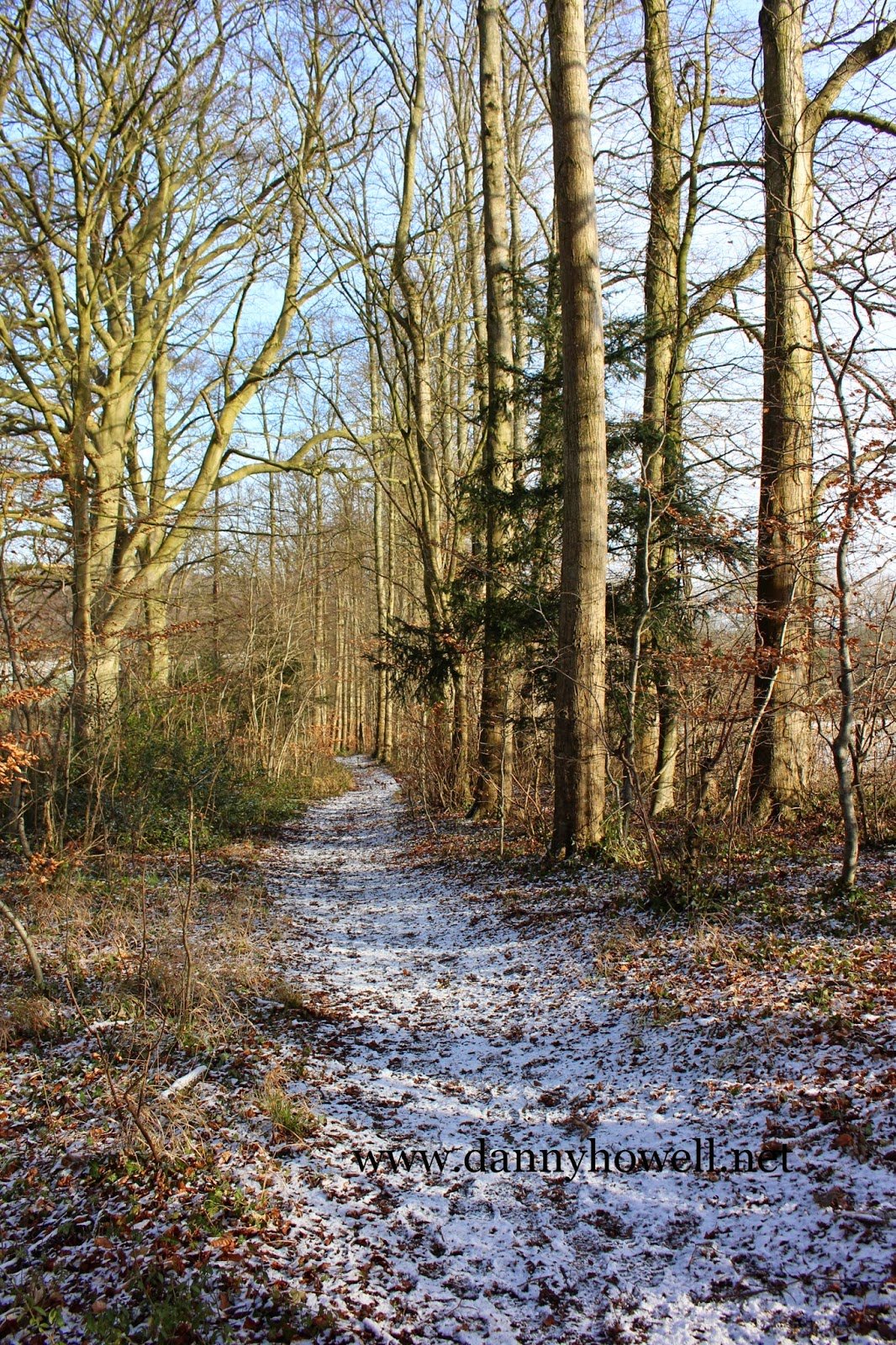
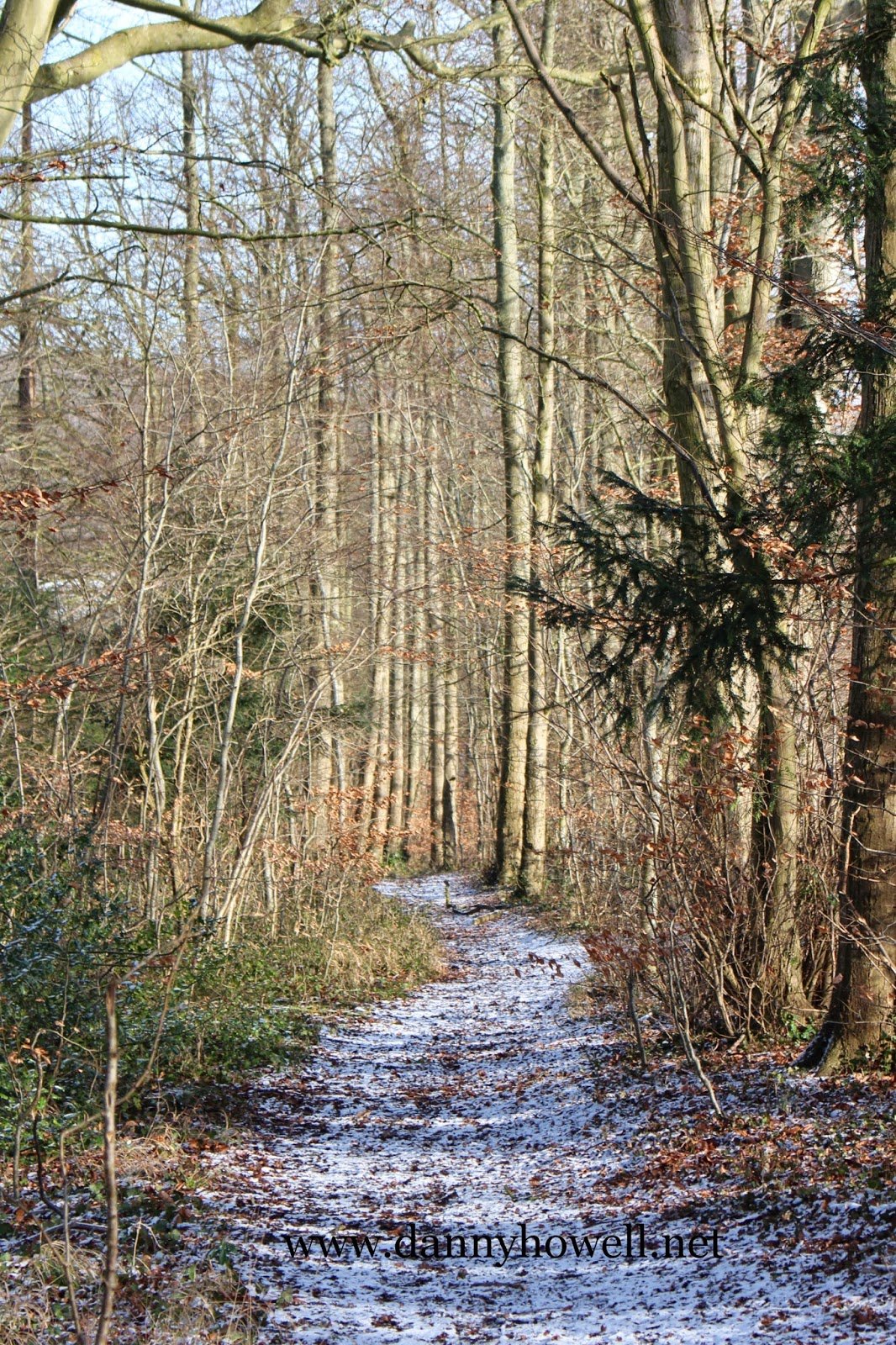
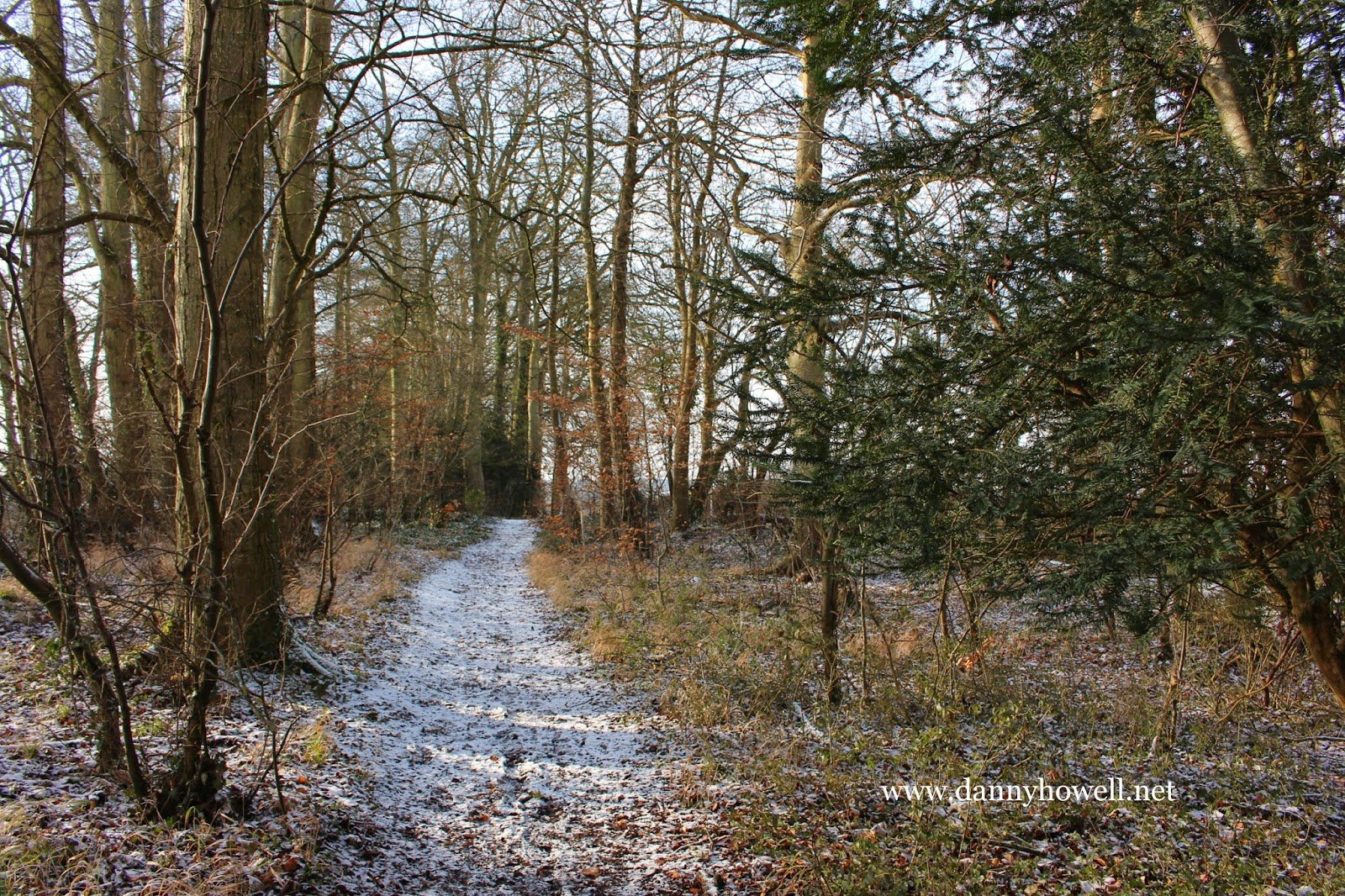
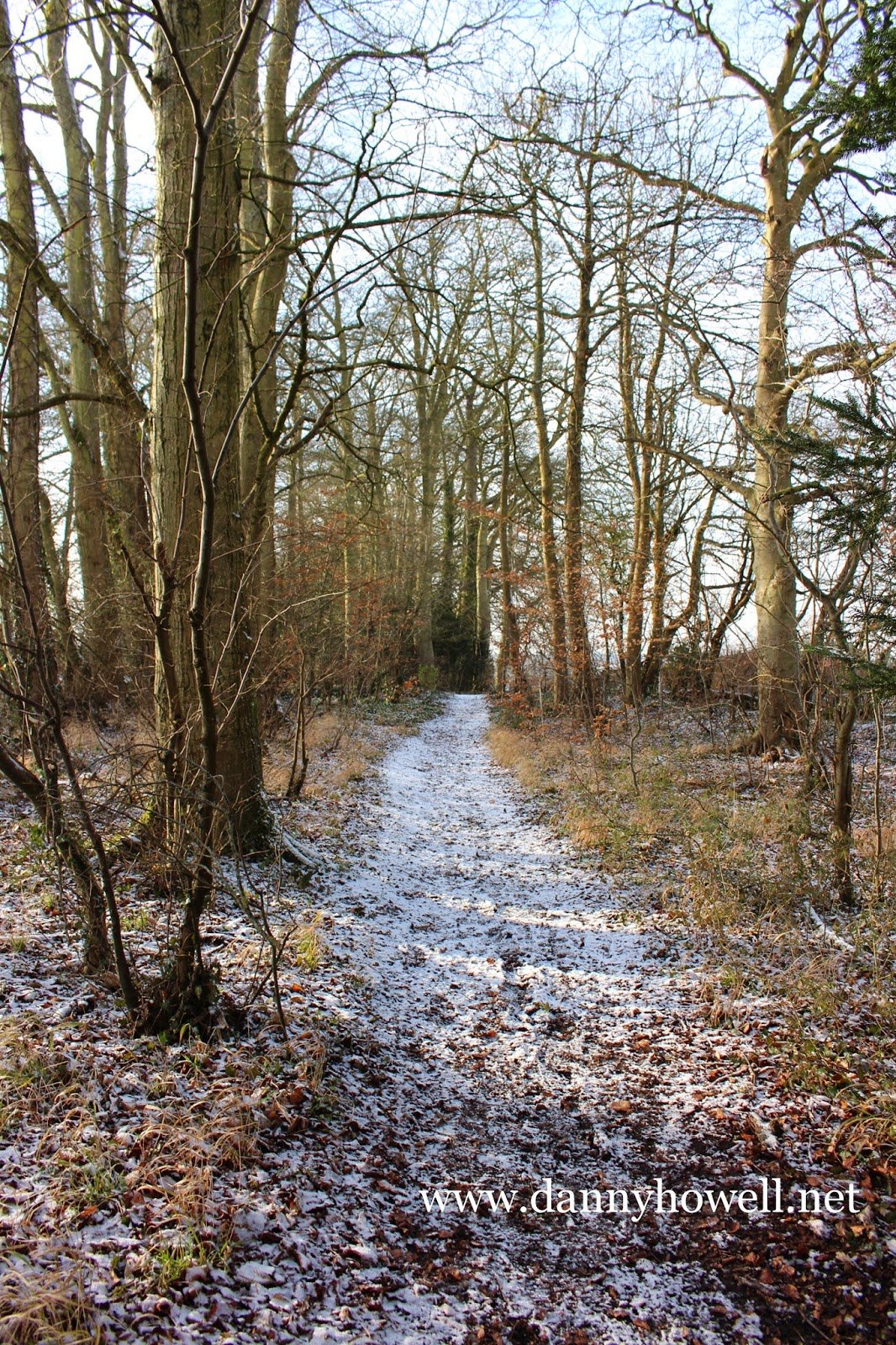
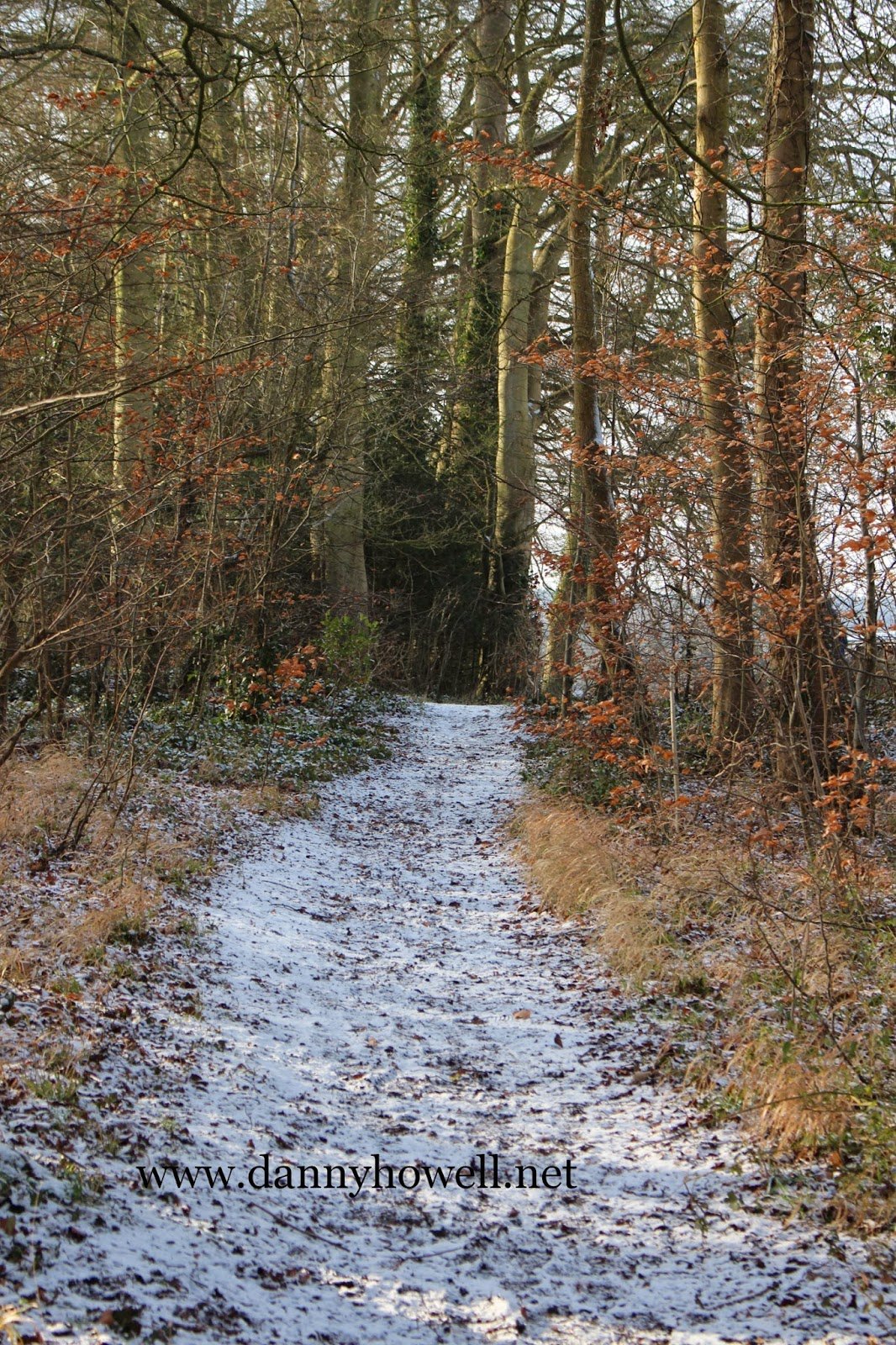
A dusting of snow on Peter’s Walk, in Temple’s Plantation
at Boreham, Warminster.
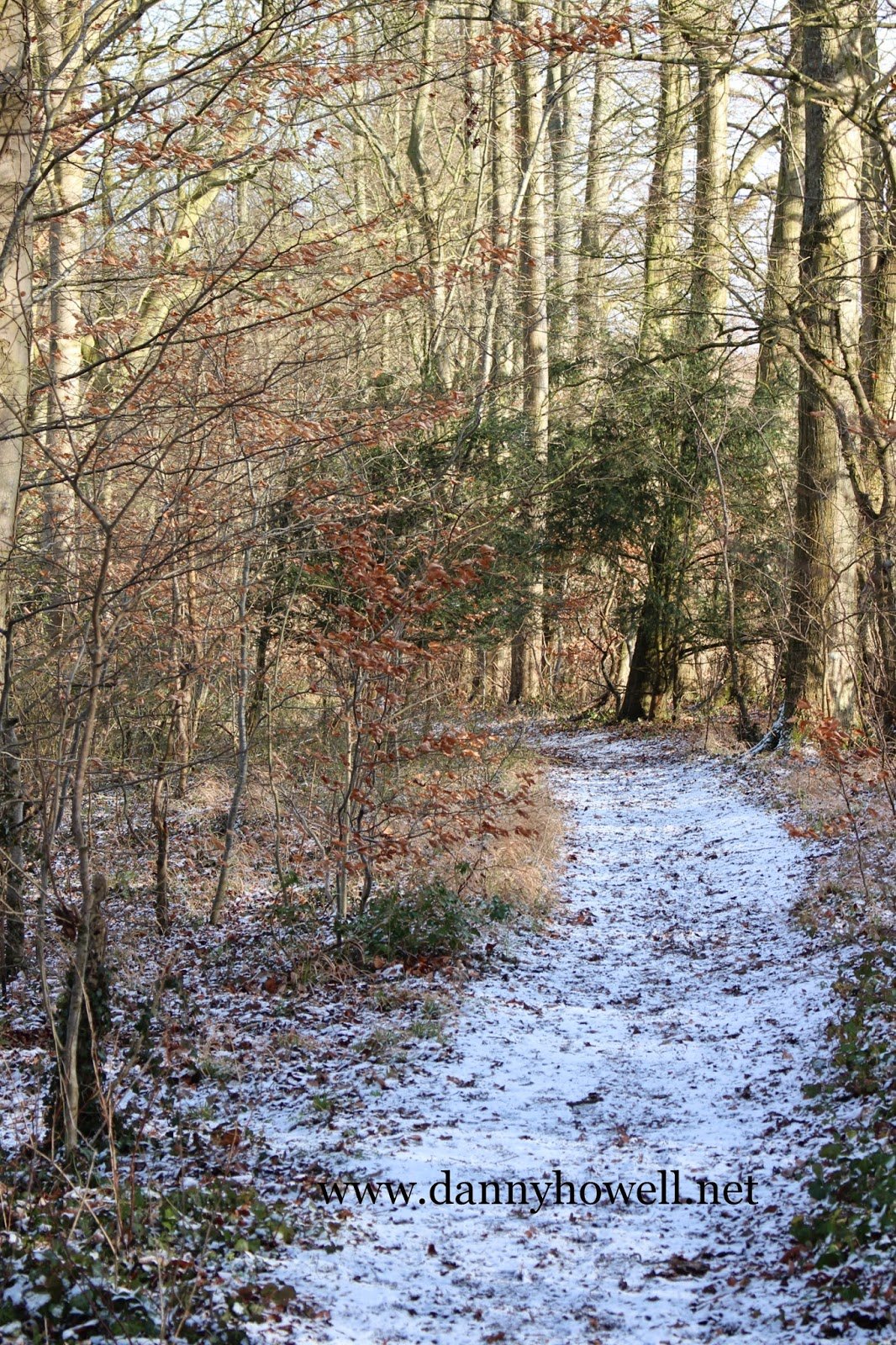
Photographs taken by Danny Howell
on Tuesday 3rd February 2015.
Thursday 21st August 2014
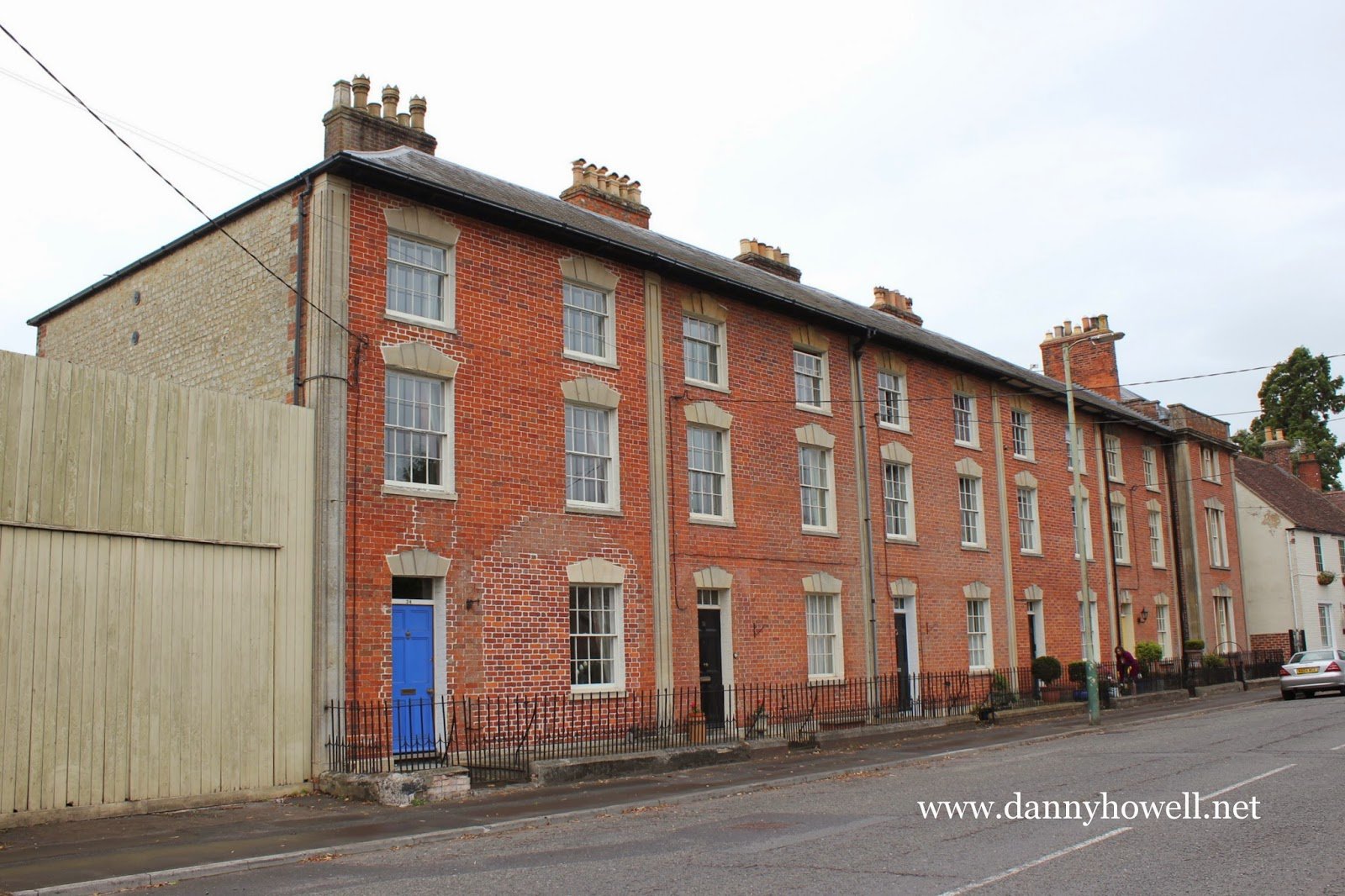
Left to right: Nos.34, 32, 30, 28, 26 & 24 Boreham Road (formerly known as Boreham Terrace), Warminster, Wiltshire, BA12 9JR.
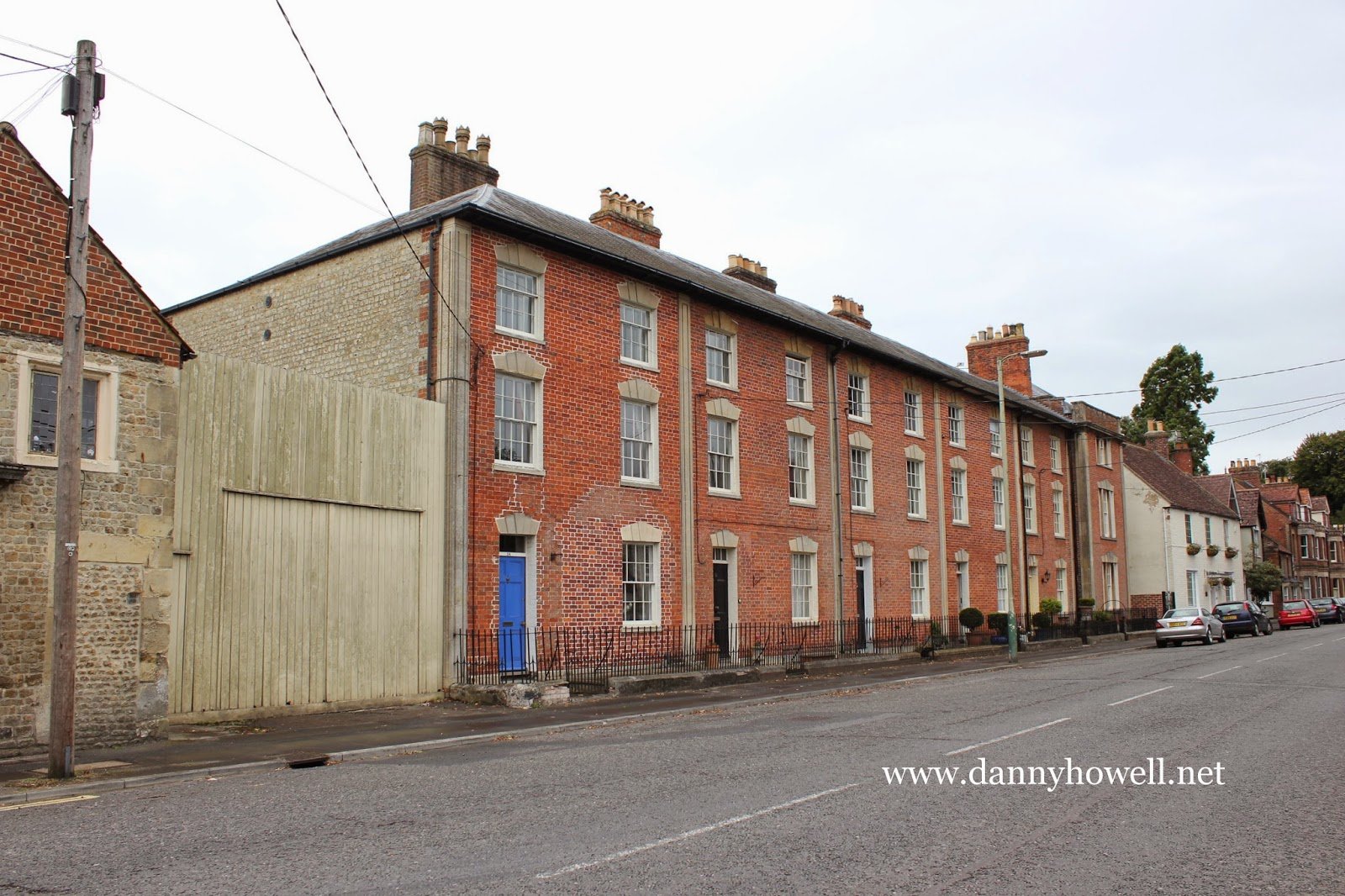
Photographs taken by Danny Howell on Thursday 21st August 2014.
Saturday 7th June 2014
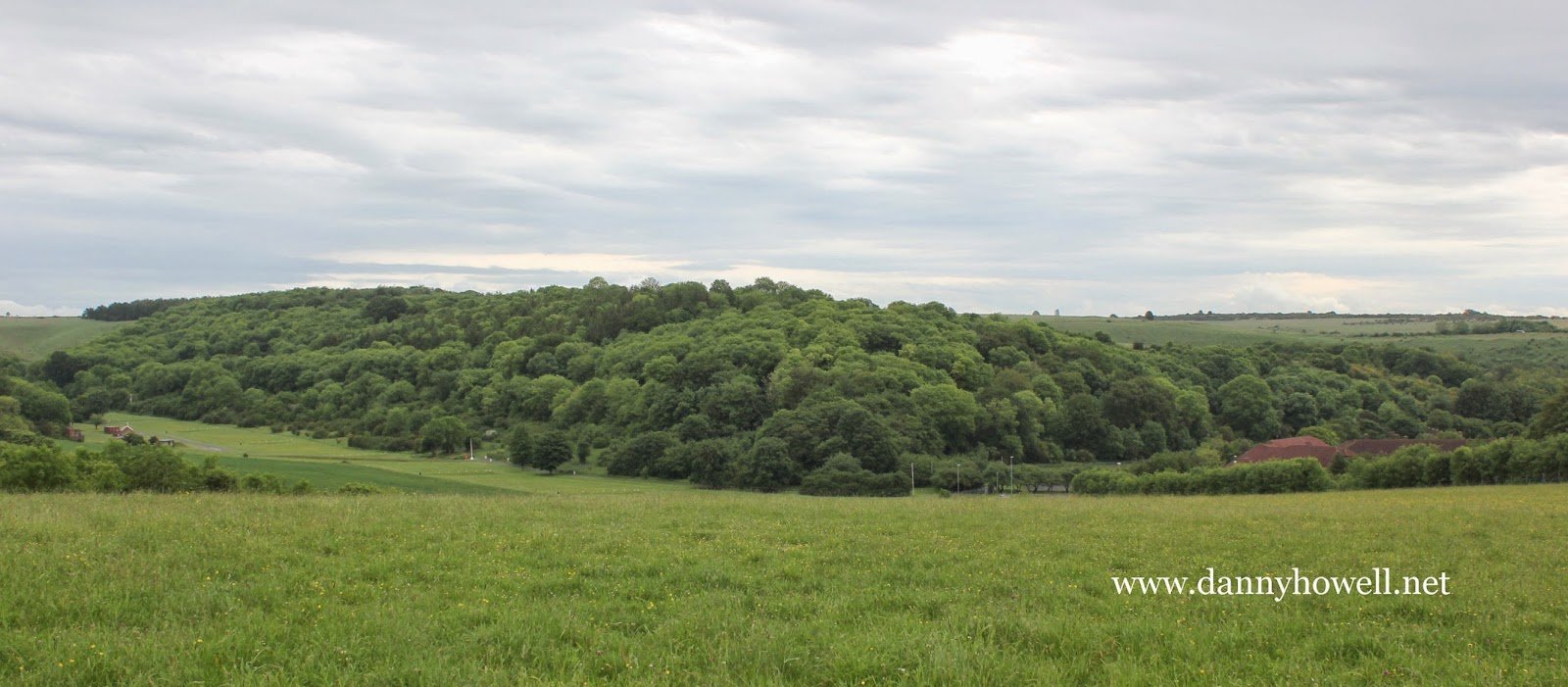
Mancombe Wood, immediately north of Oxendean, Warminster, as seen from Cradle Hill.
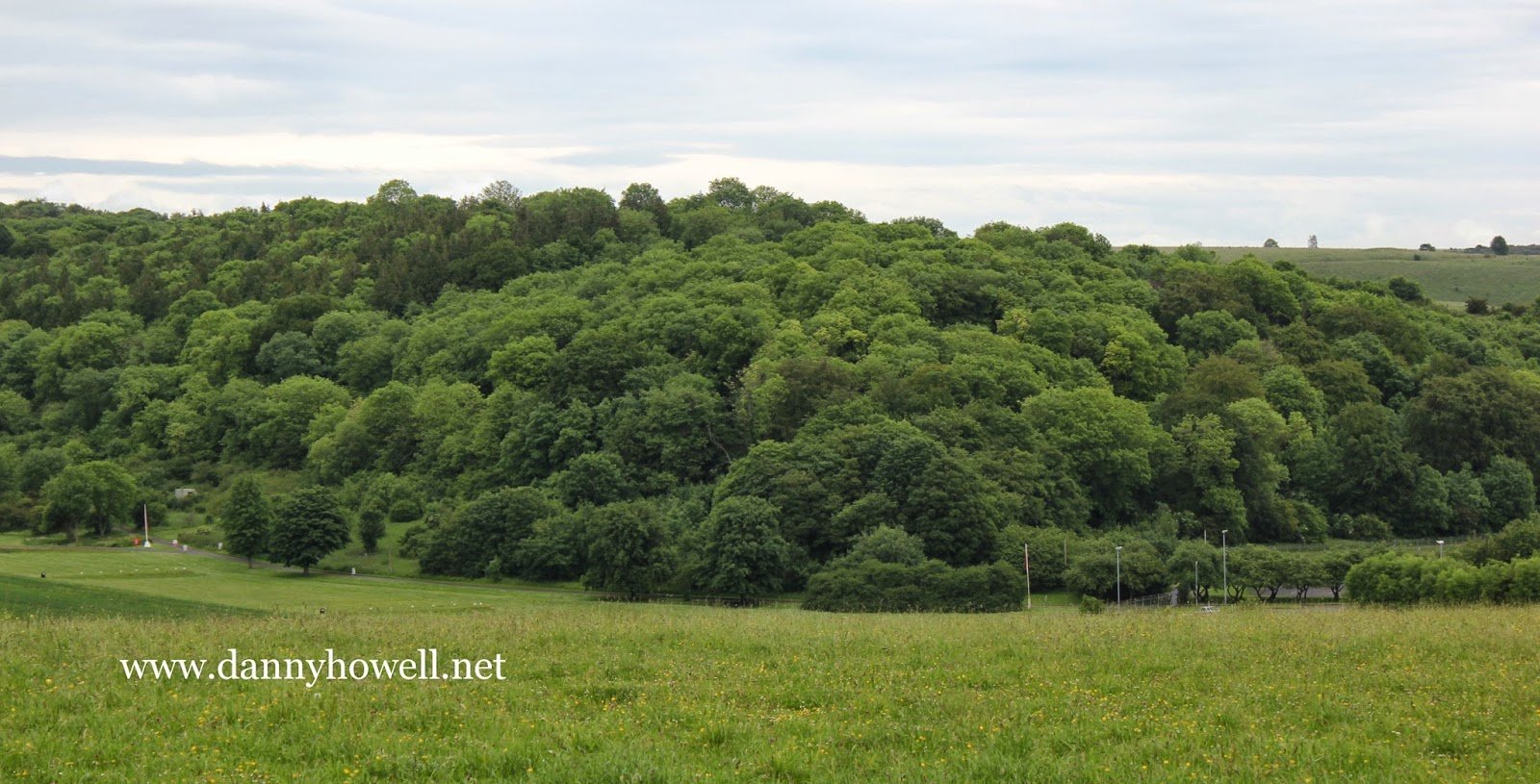
Photographs taken by Danny Howell
on Saturday 7th June 2014.
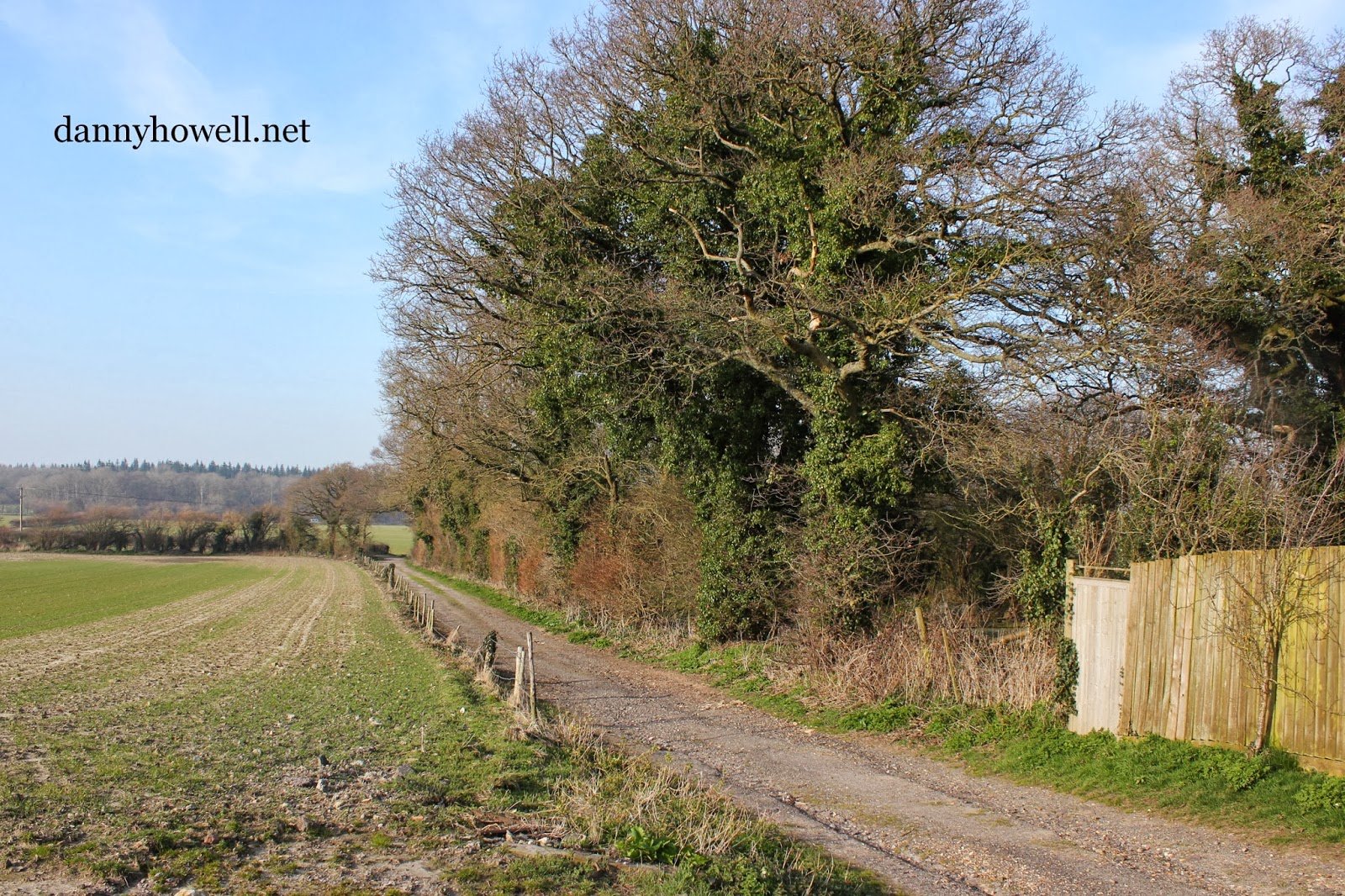
The Halve, at Bugley, Warminster.
It has also been referred to in the past
as “The Half” or “Alf Lane”.
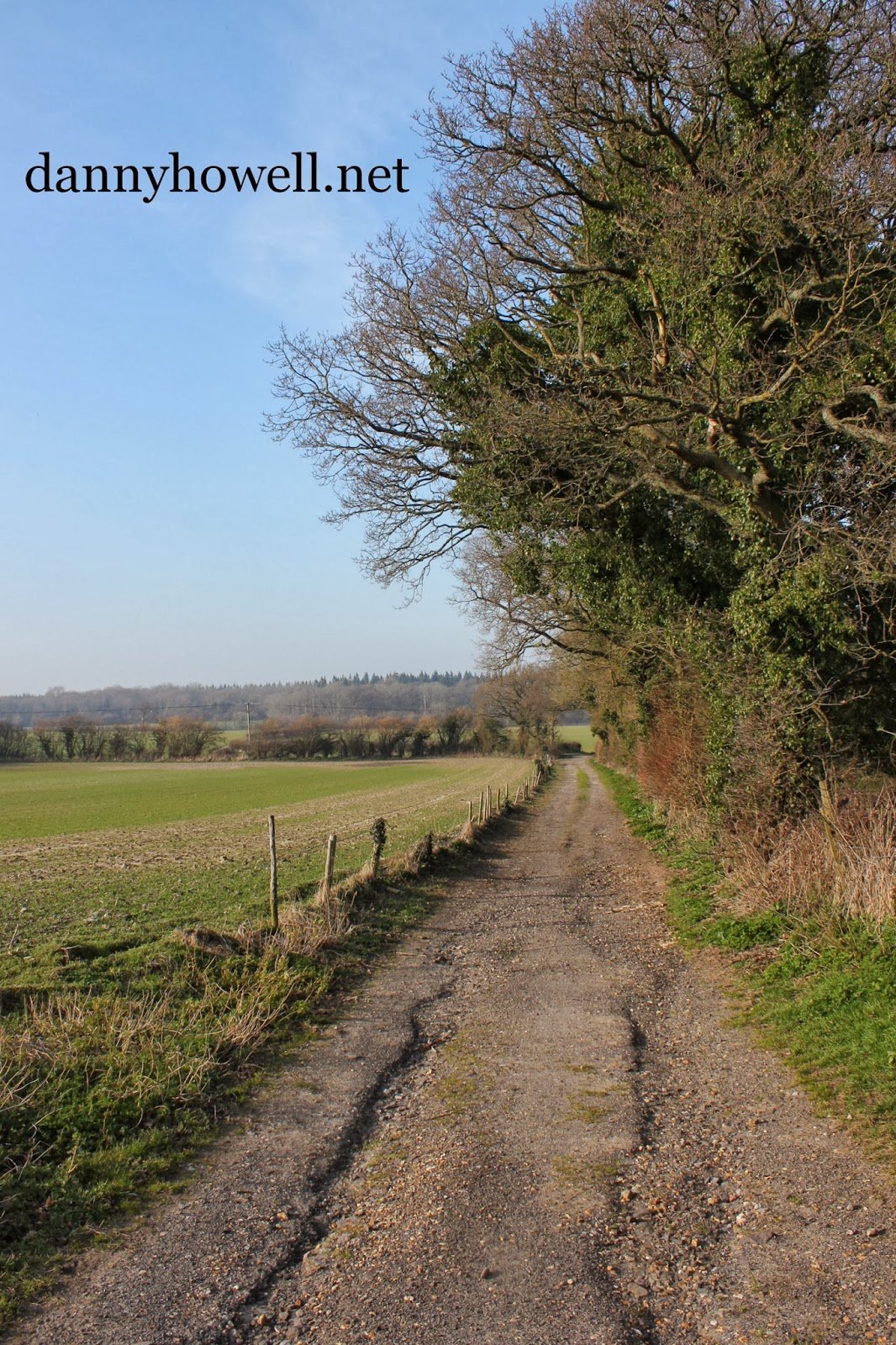
The Halve, which runs from Victoria Road
to the Warminster Bypass
(vehicular access to the Bypass is denied
but there is a stile for pedestrians)
was formerly a cart track
which led to Norridge Woods.
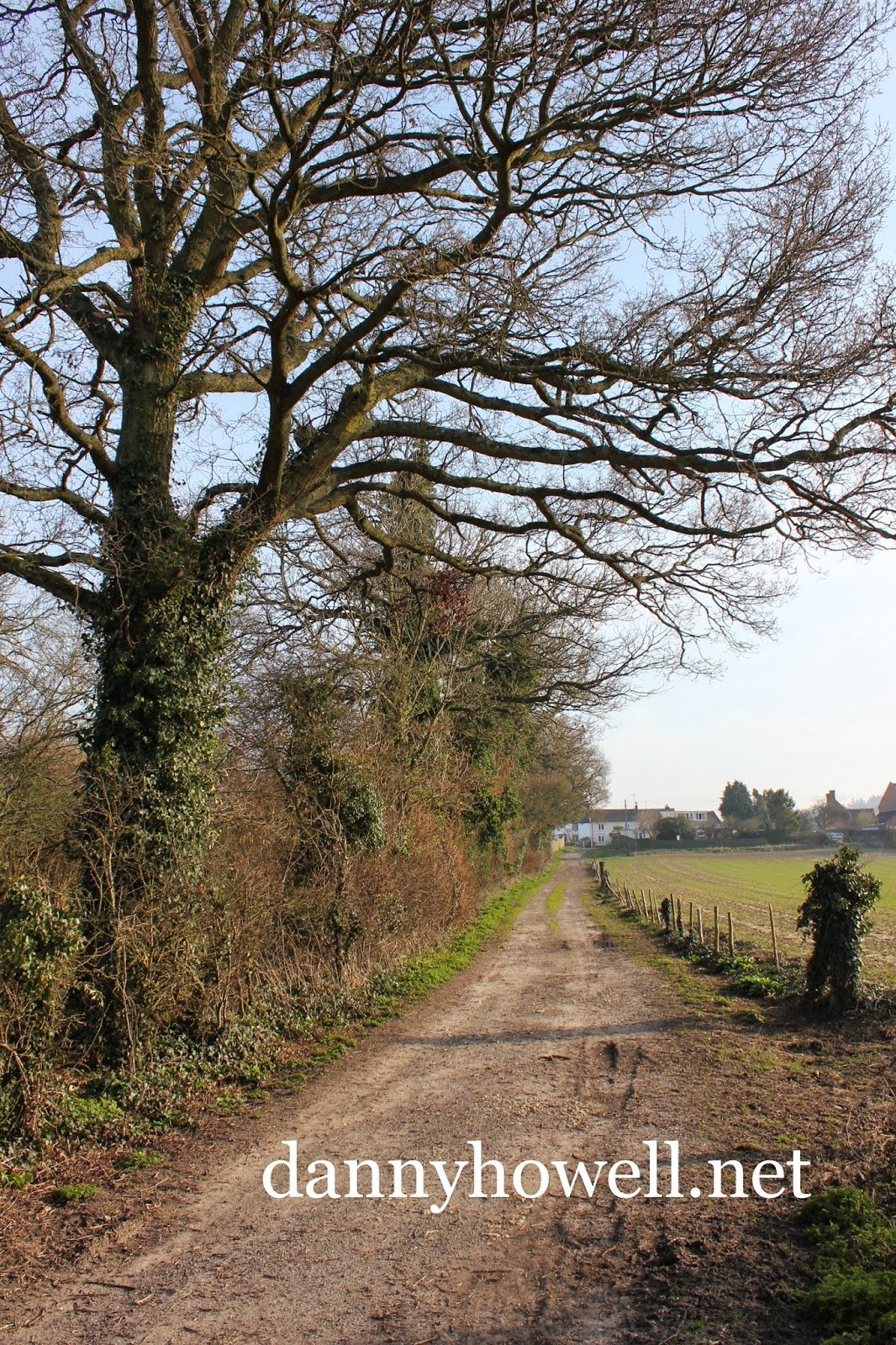
The Halve these days is used by farm vehicles
and pedestrians, particularly dog-walkers.
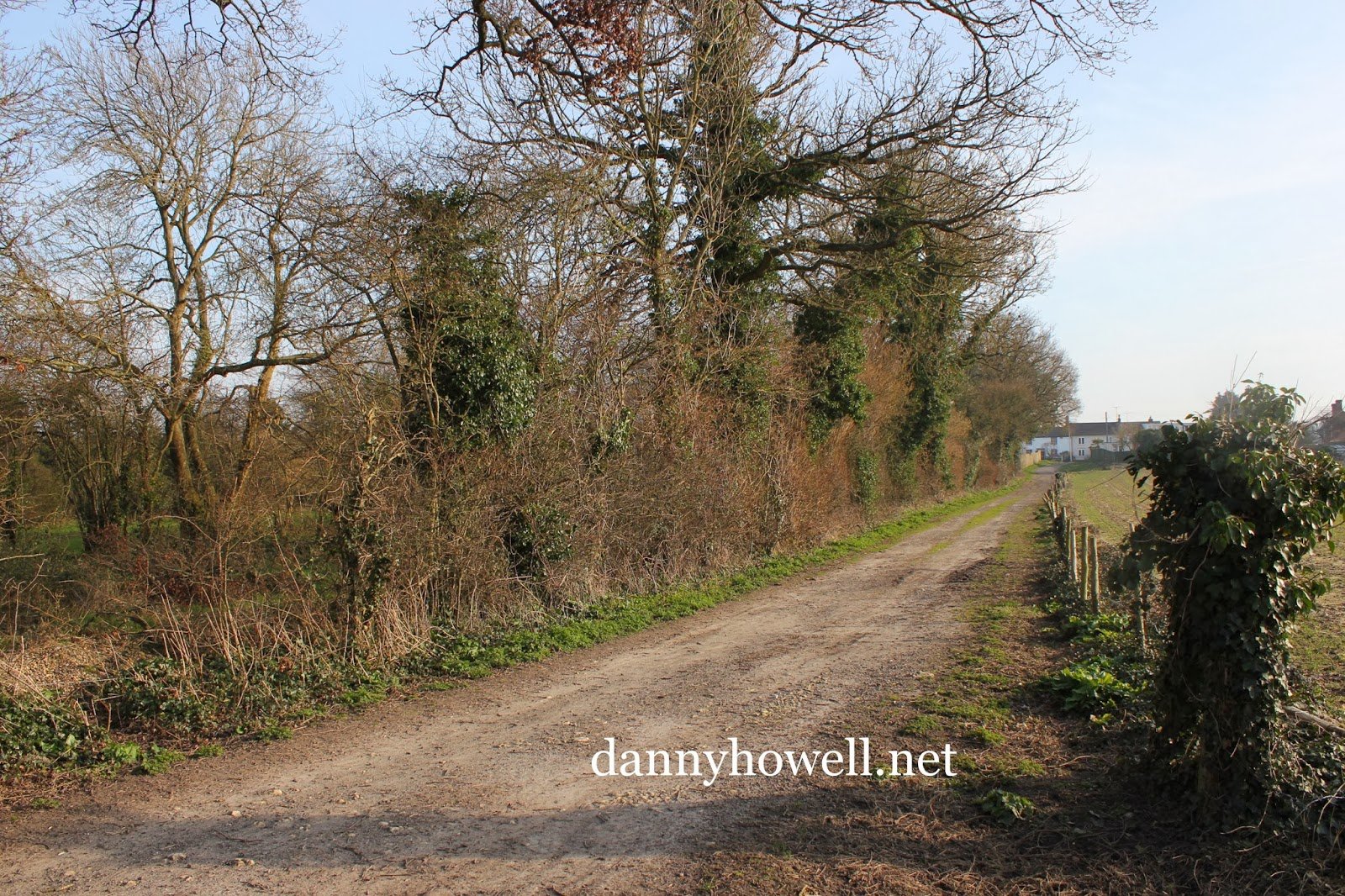
But the area around this tranquil scene will change
forever when hundreds of houses are built
for the West Warminster Urban Extension.
Photographs taken by Danny Howell
on Wednesday 12th March 2014.
Saturday 4th January 2014
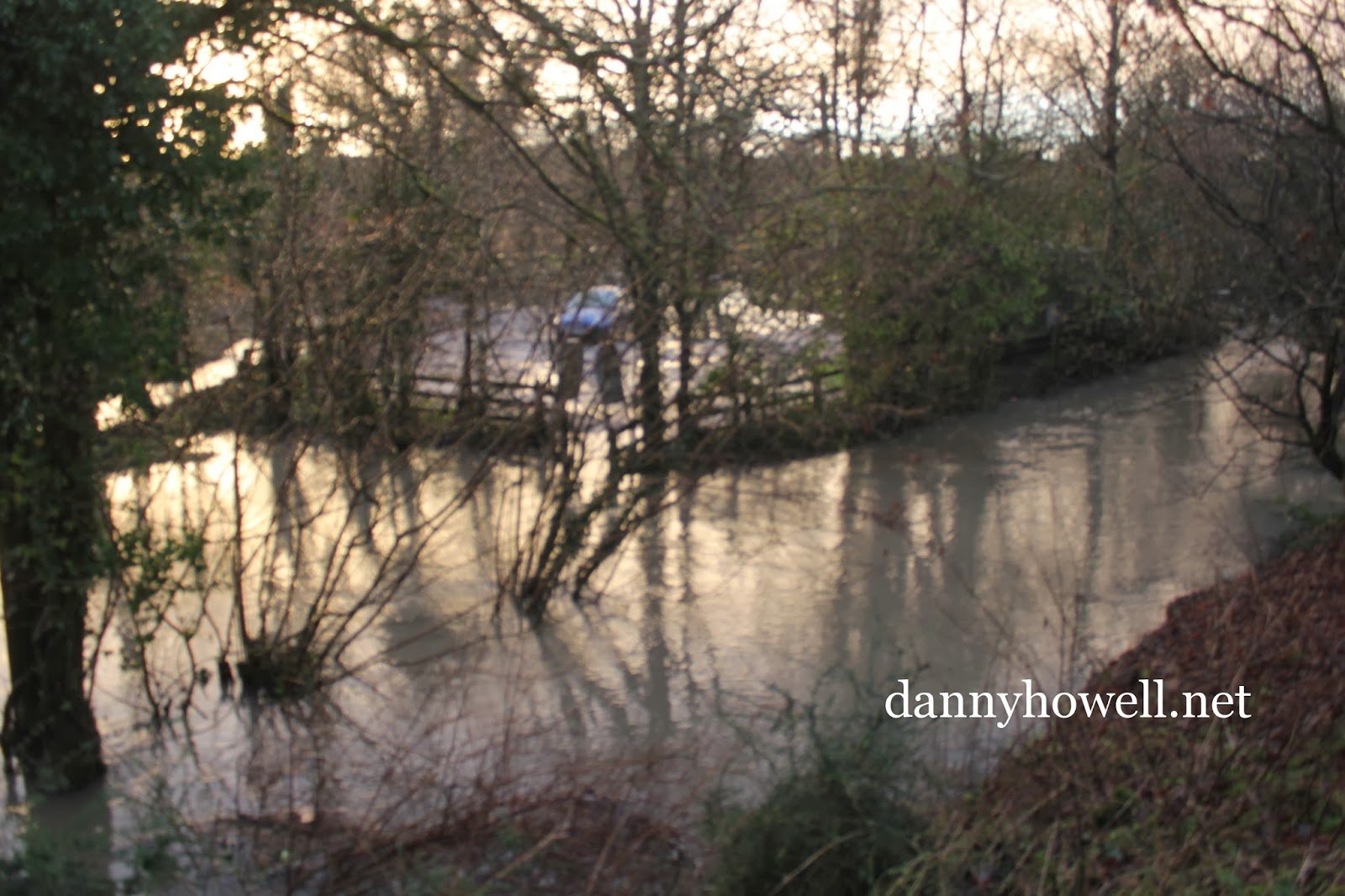
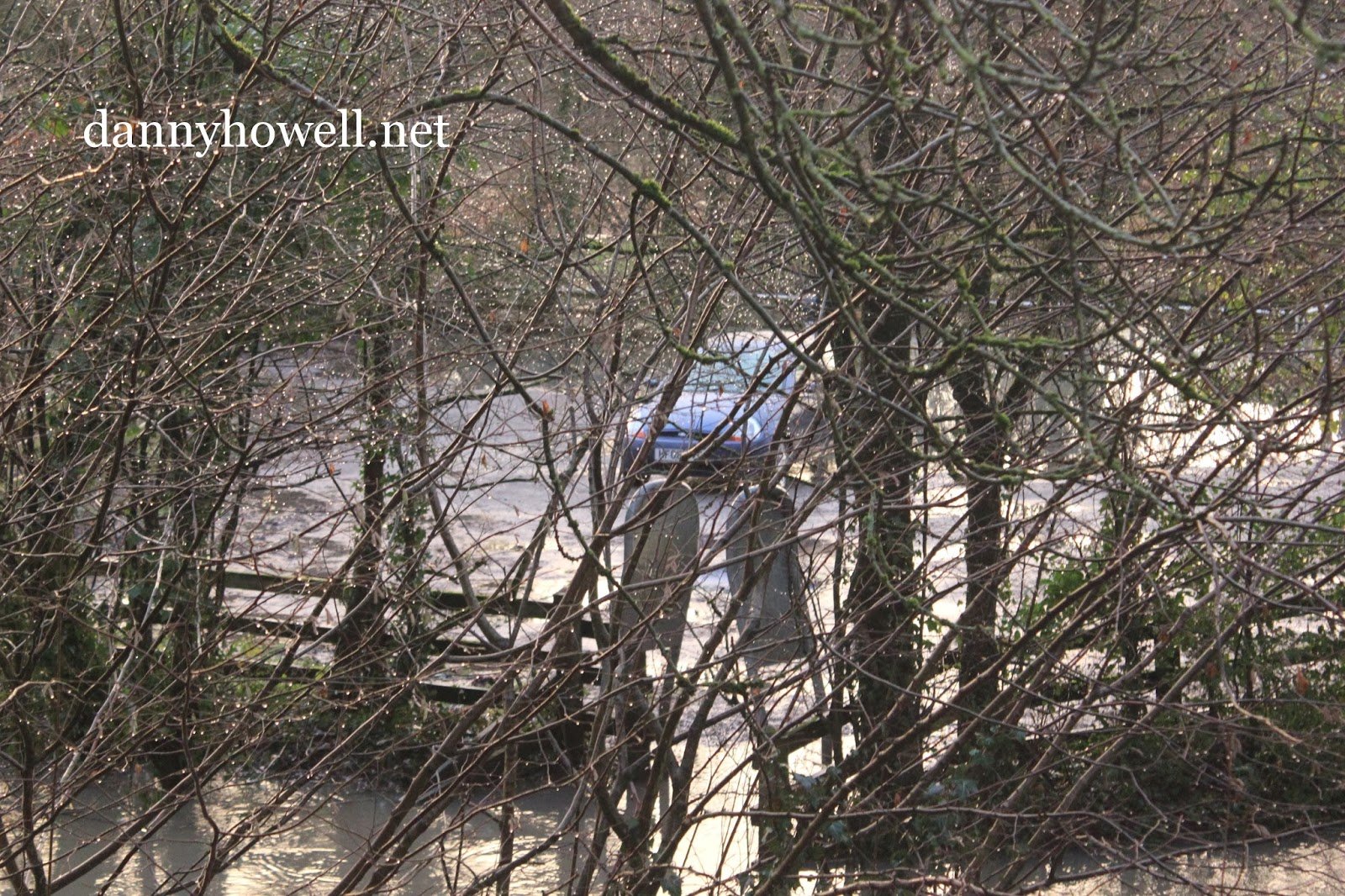
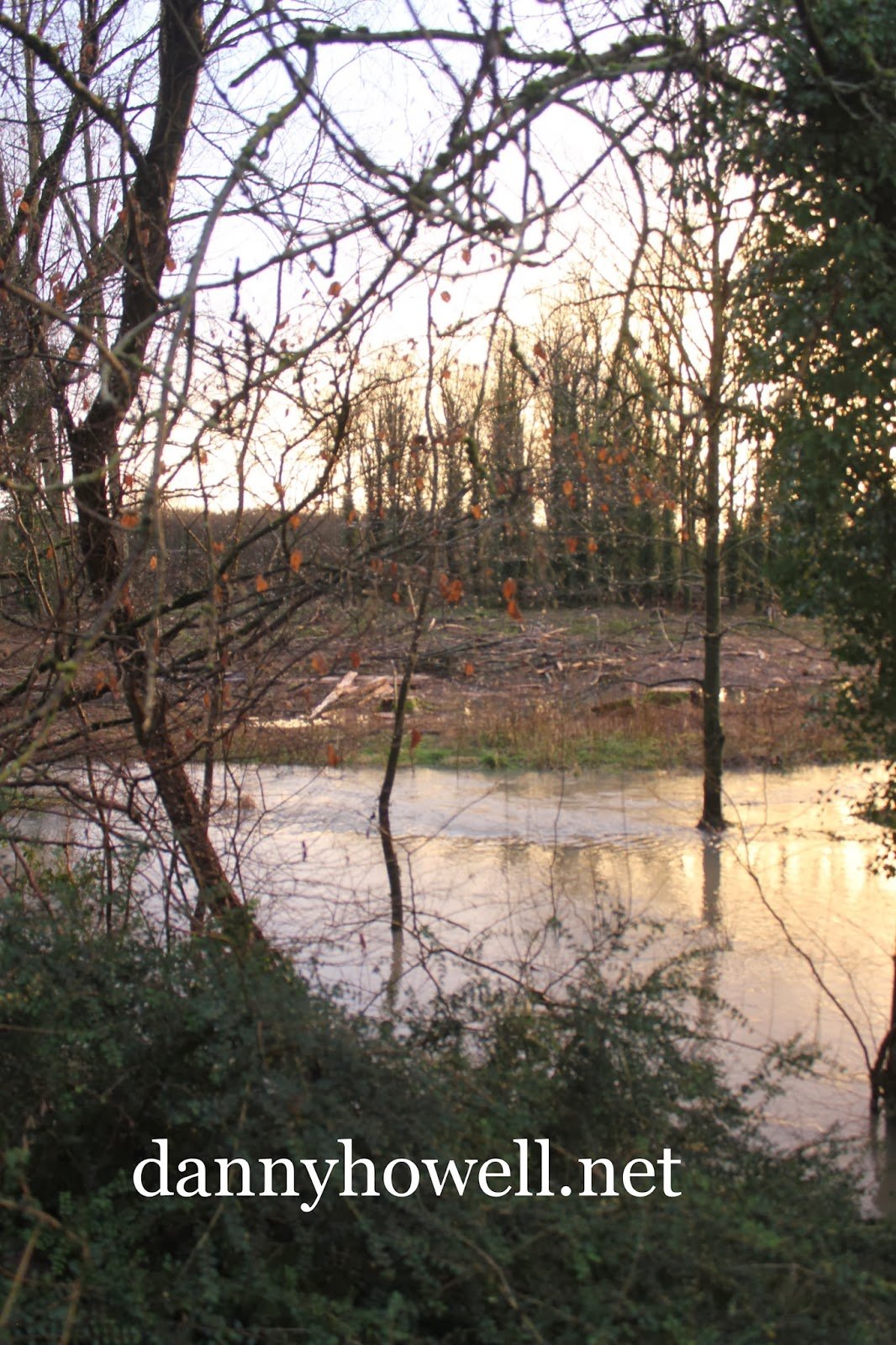
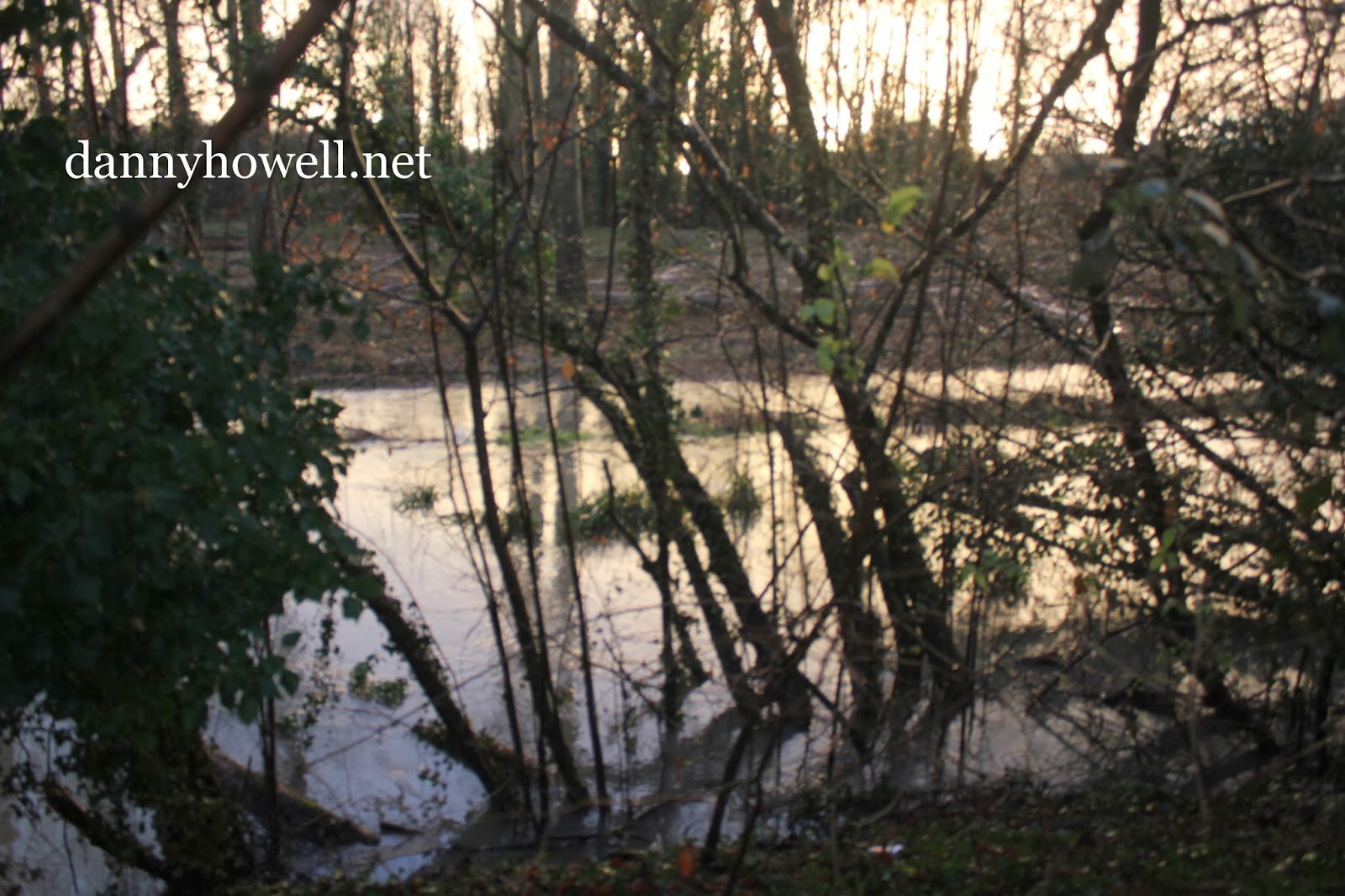
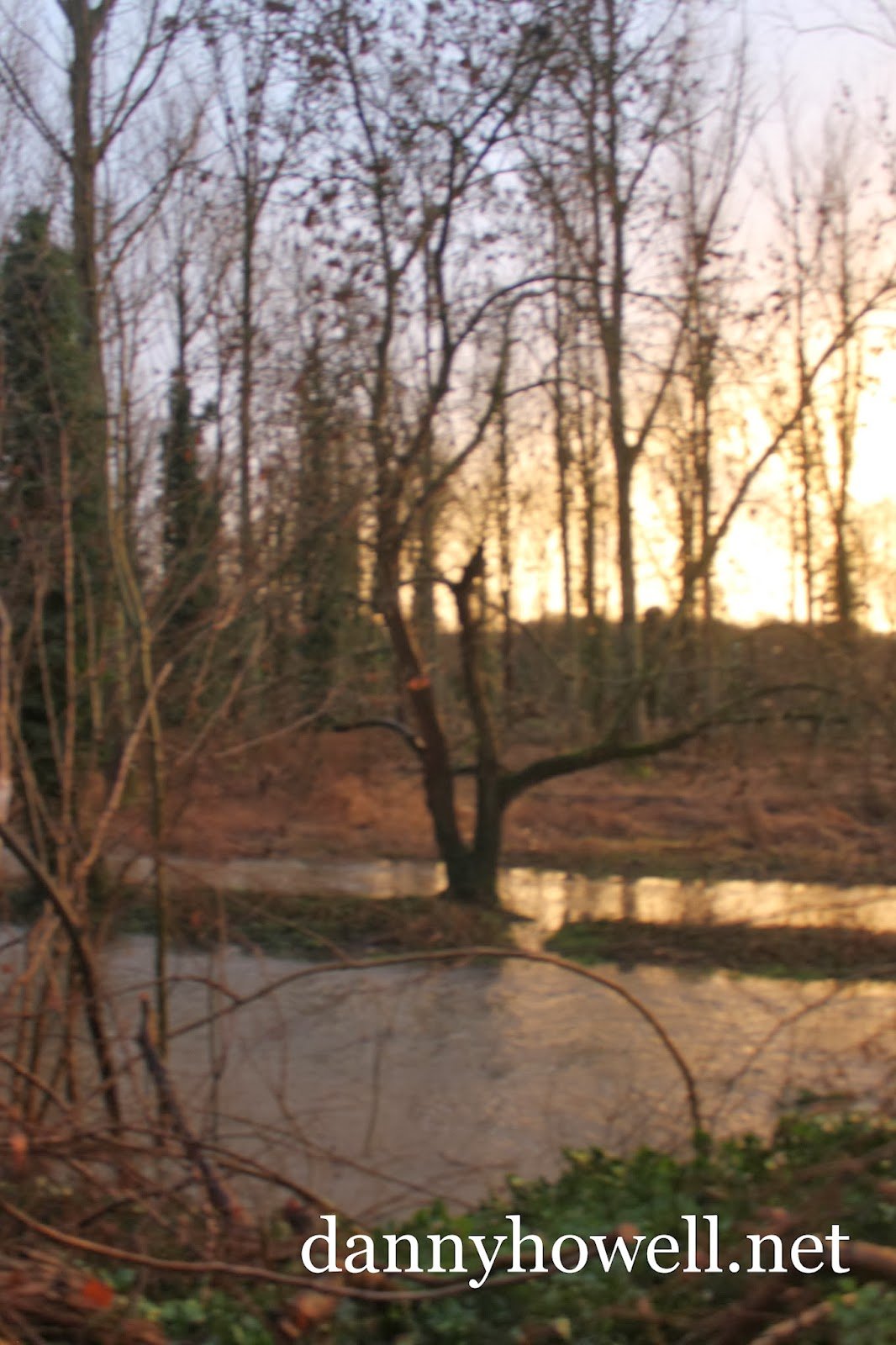
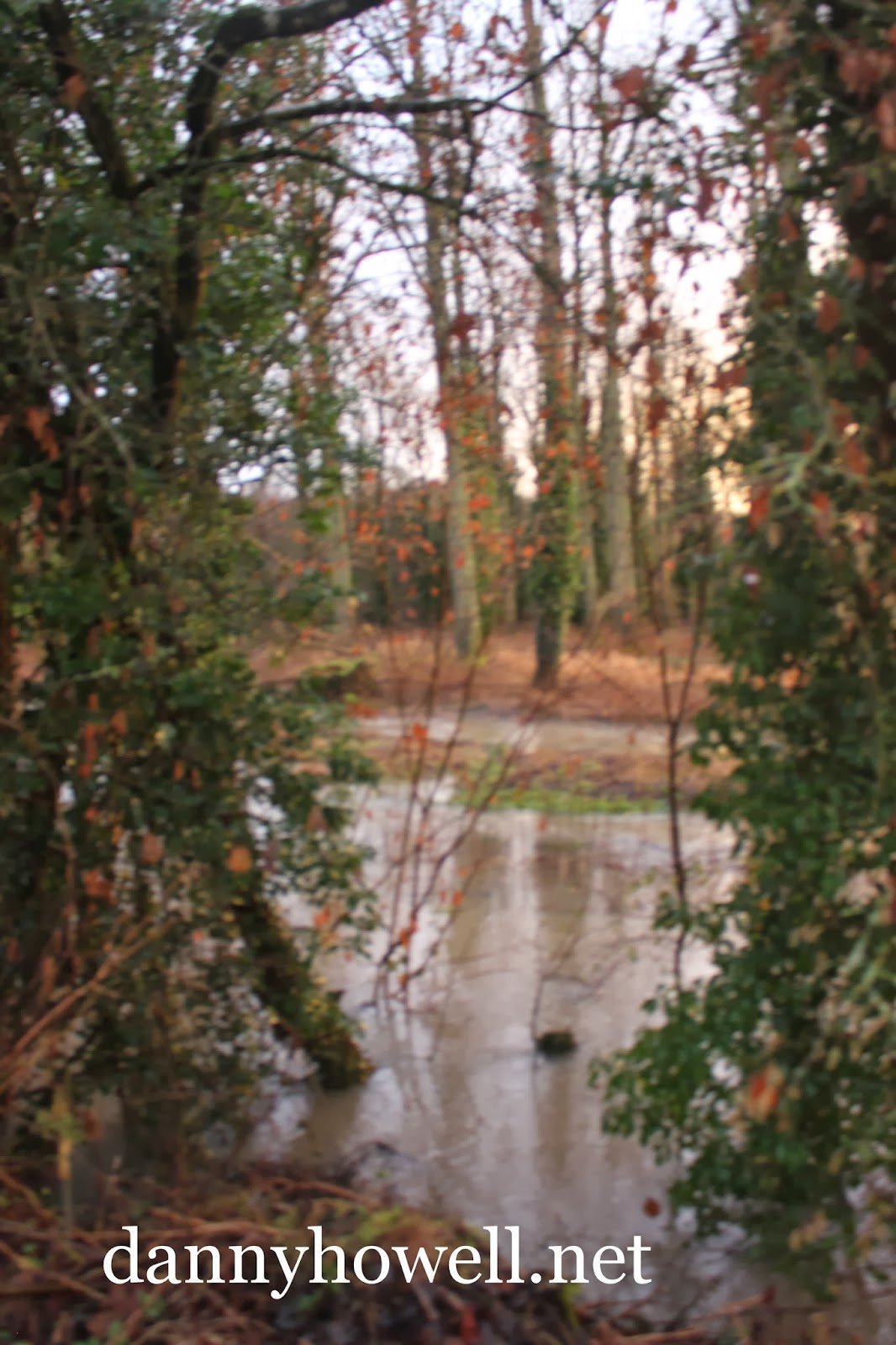
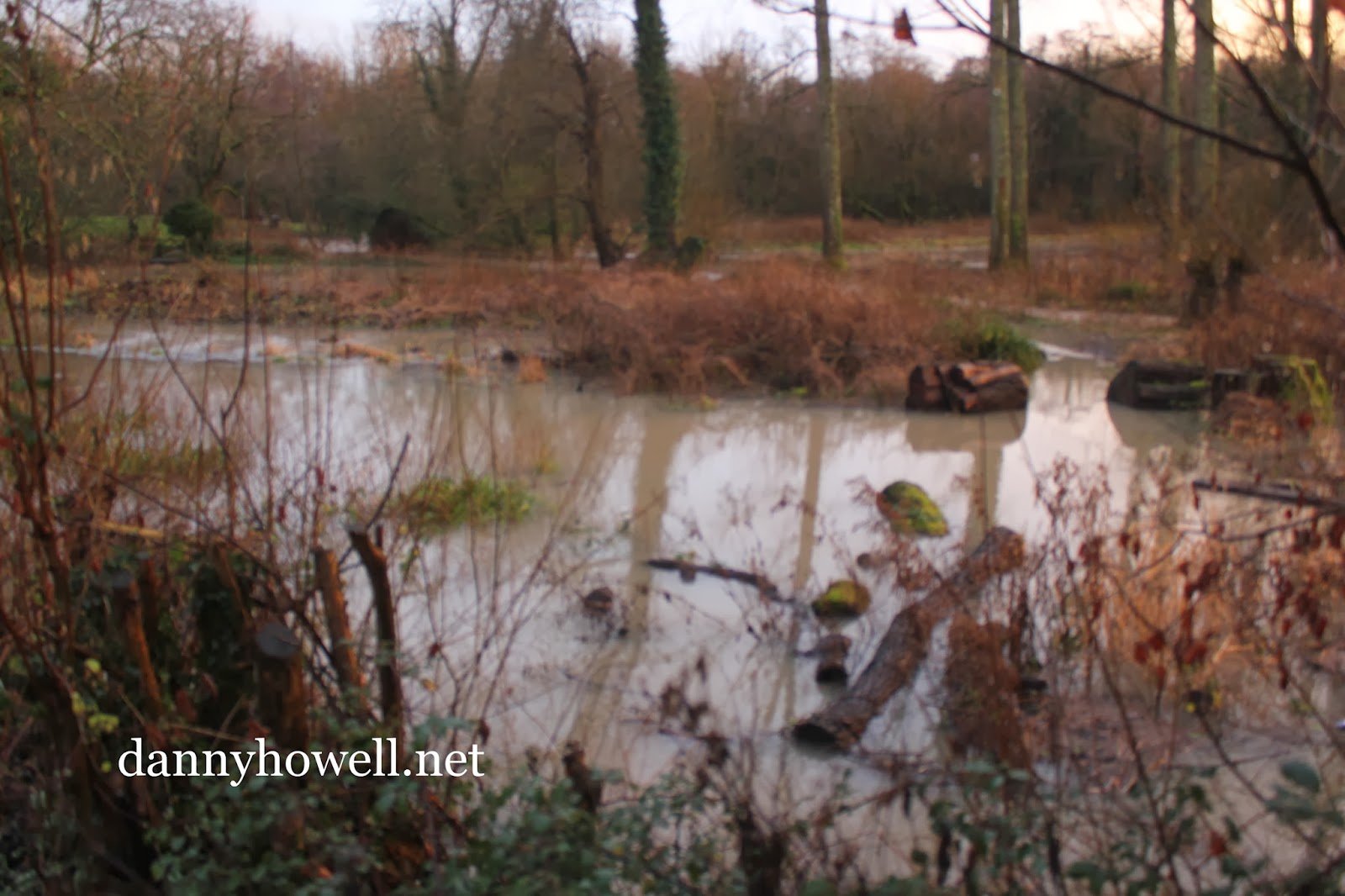
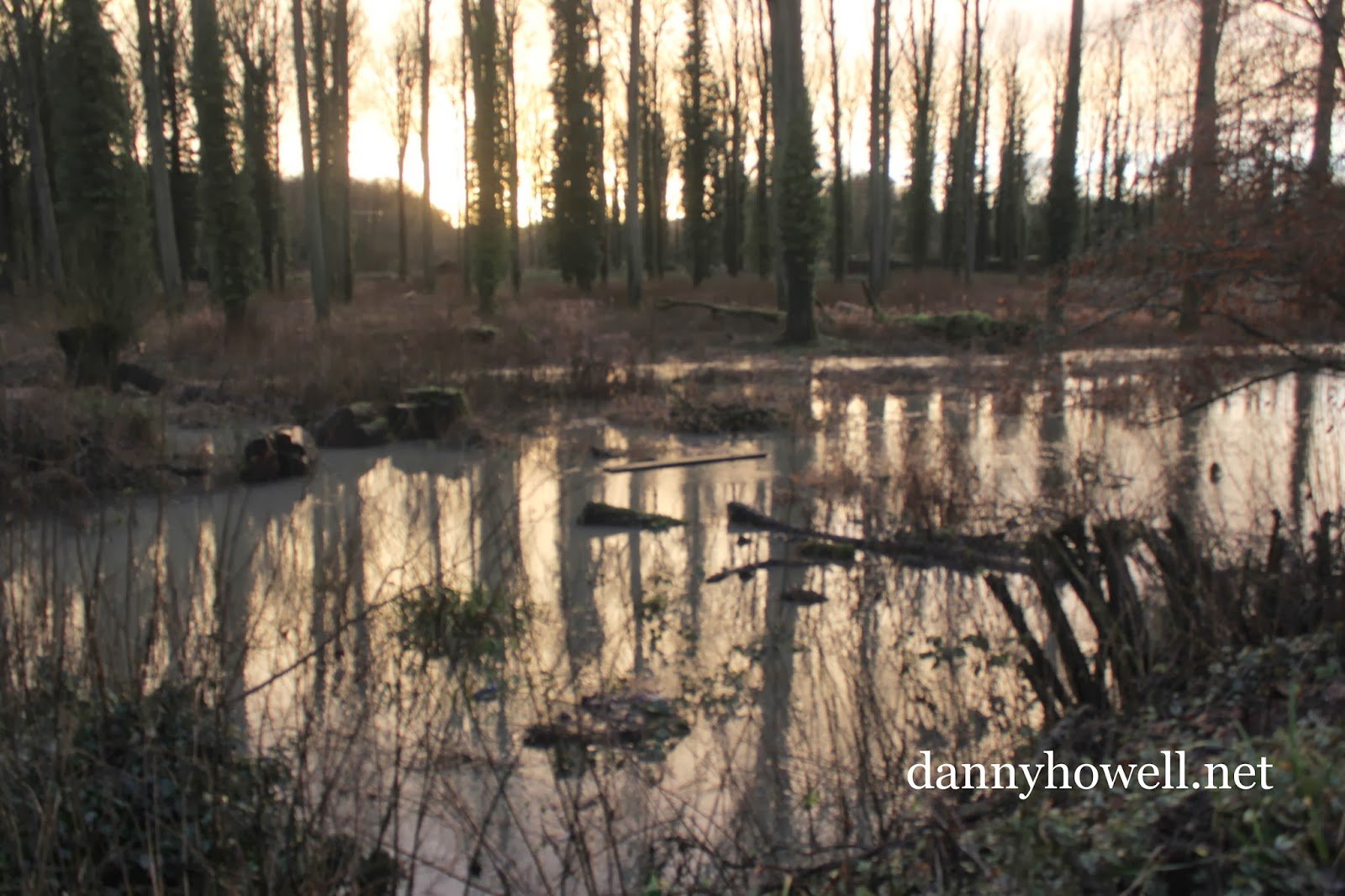
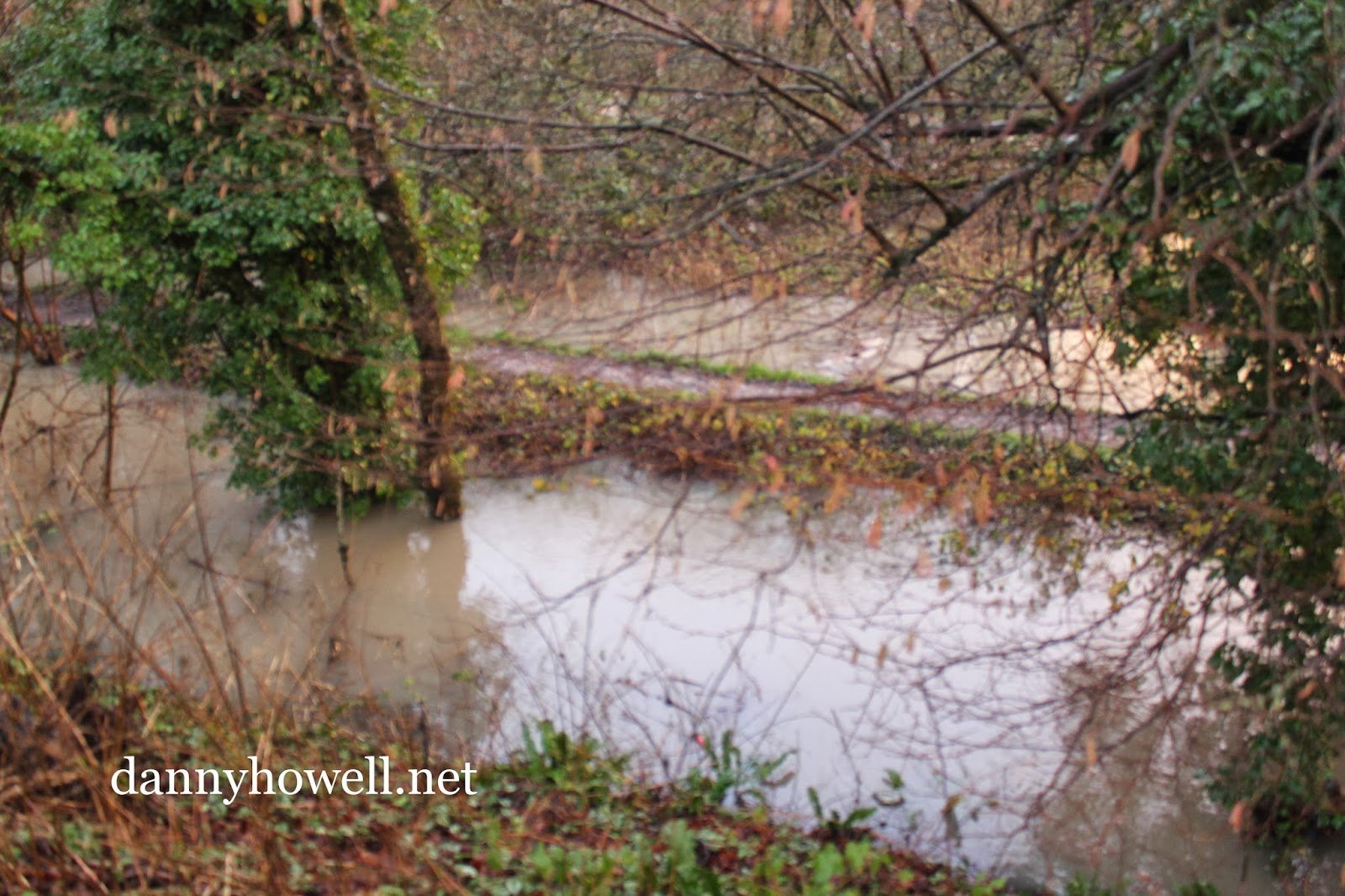
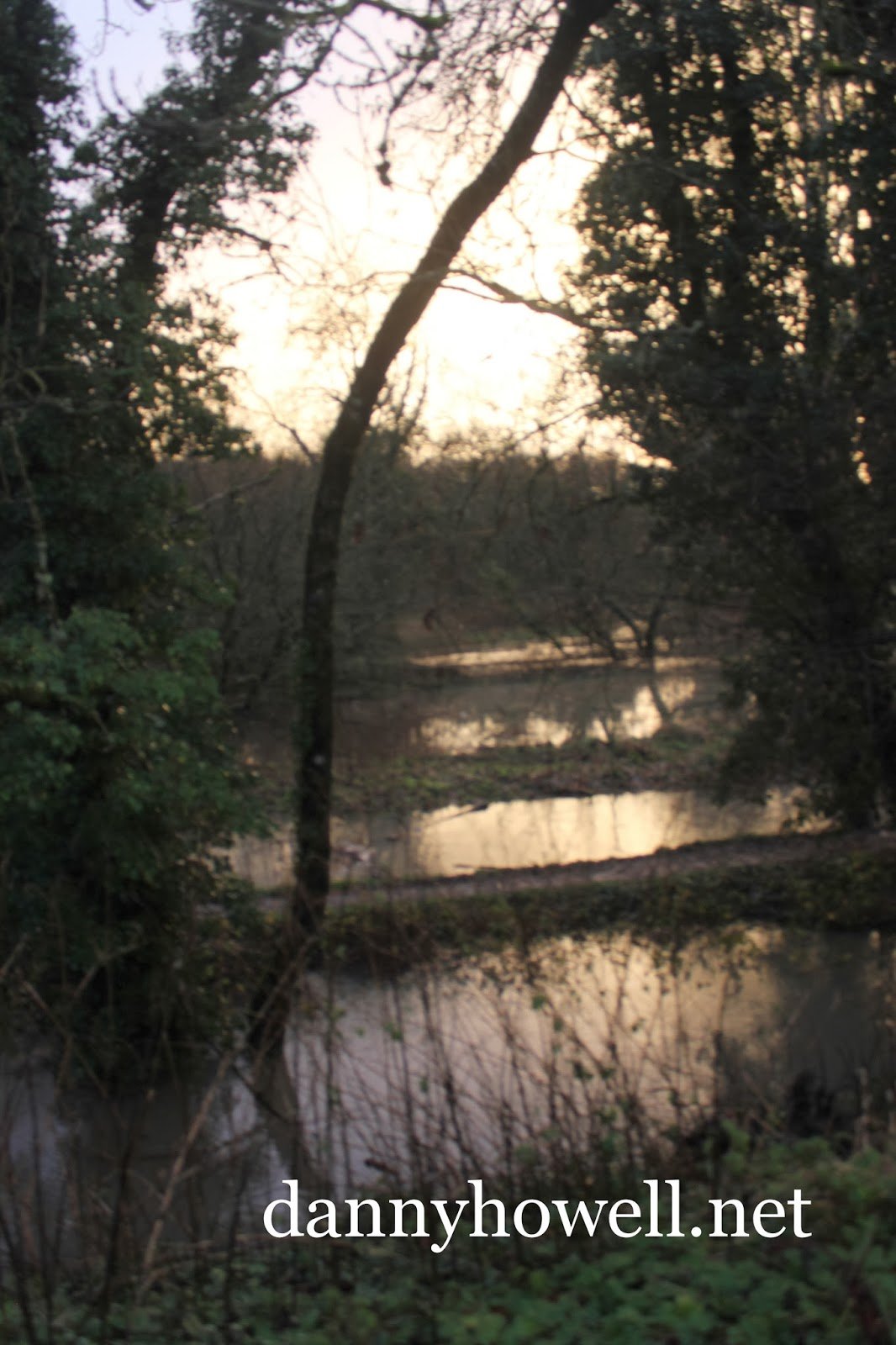
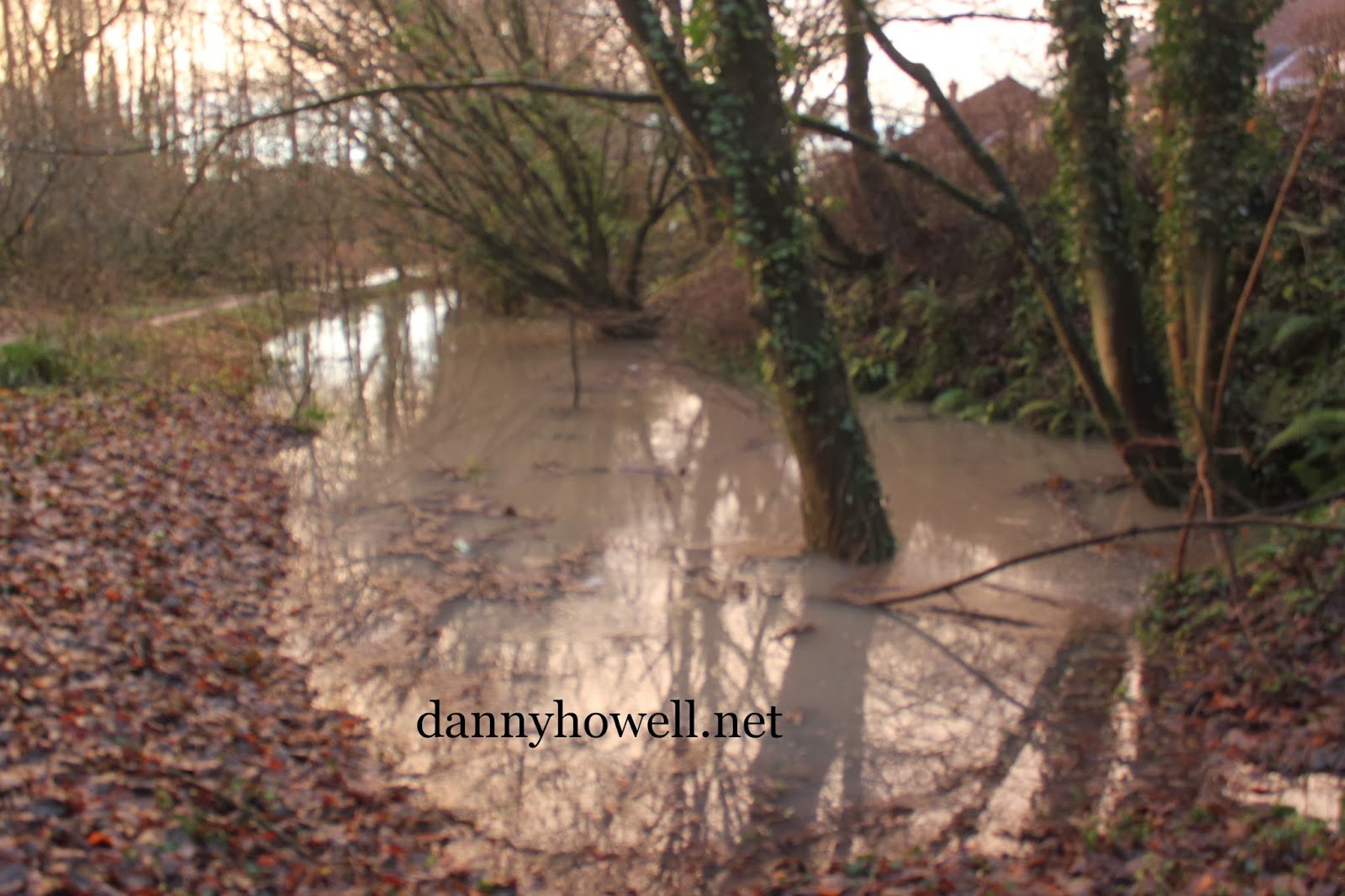
What is now a public footpath connecting the western end of Smallbrook Lane with Calveswater (adjacent the little car park for the Smallbrook Meadows Nature Reserve), Warminster, was prior to 1920 a cart track giving access from the west to Smallbrook Mill (now demolished). That cart track was called Goosey Lane, a name derived from its often waterlogged state in the winter. The name has long been forgotten by just about everyone except historians and map-lovers, but today, Goosey Lane, lived up to its old name, as it disappeared under the flood waters of the River Were. The following photographs, taken by Danny Howell, mostly from Willow Crescent, higher up and on the north side of the path, show Goosey Lane and its surrounds under water, because of heavy rainfall.


Tuesday 5th November 2013
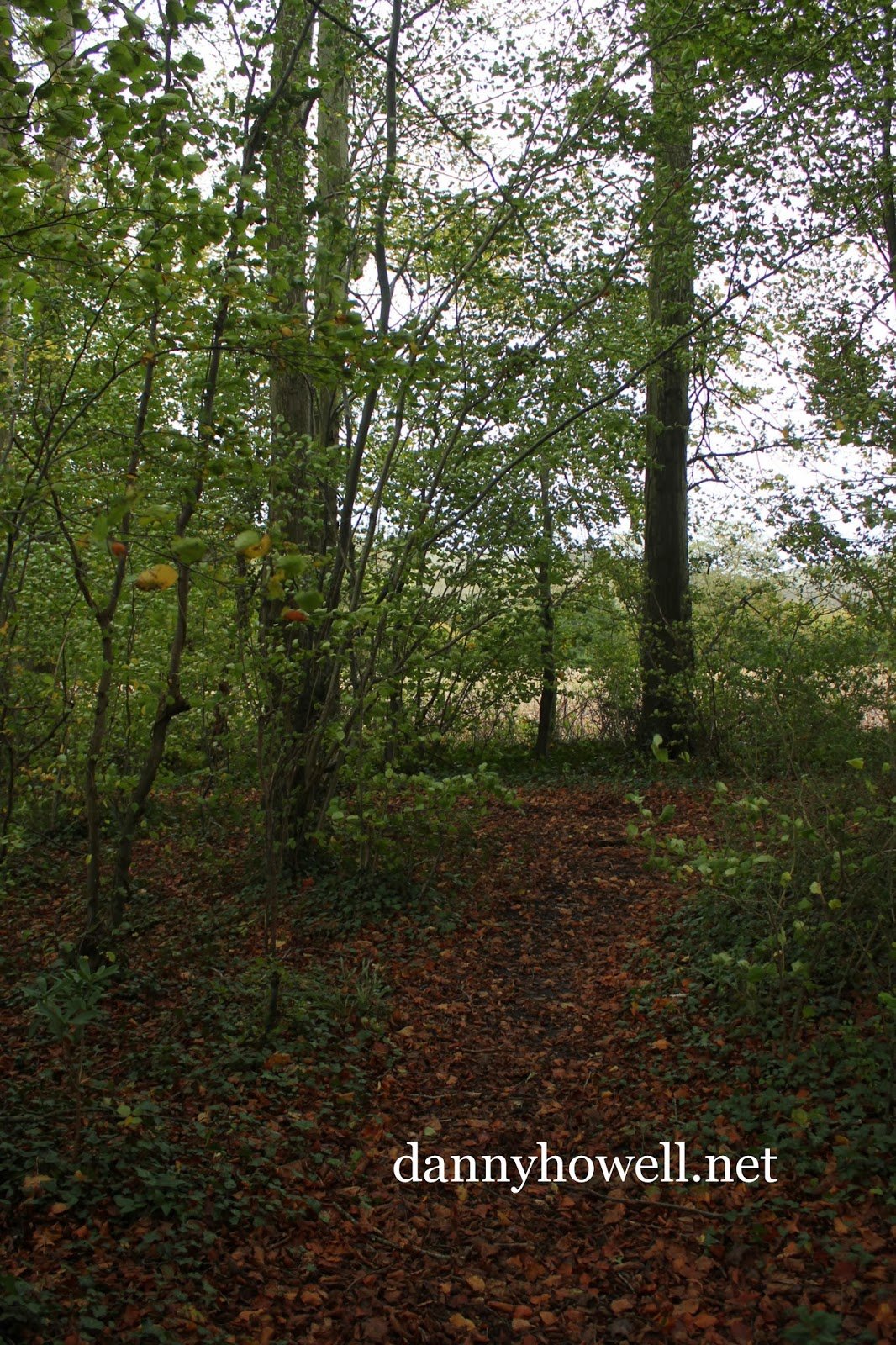
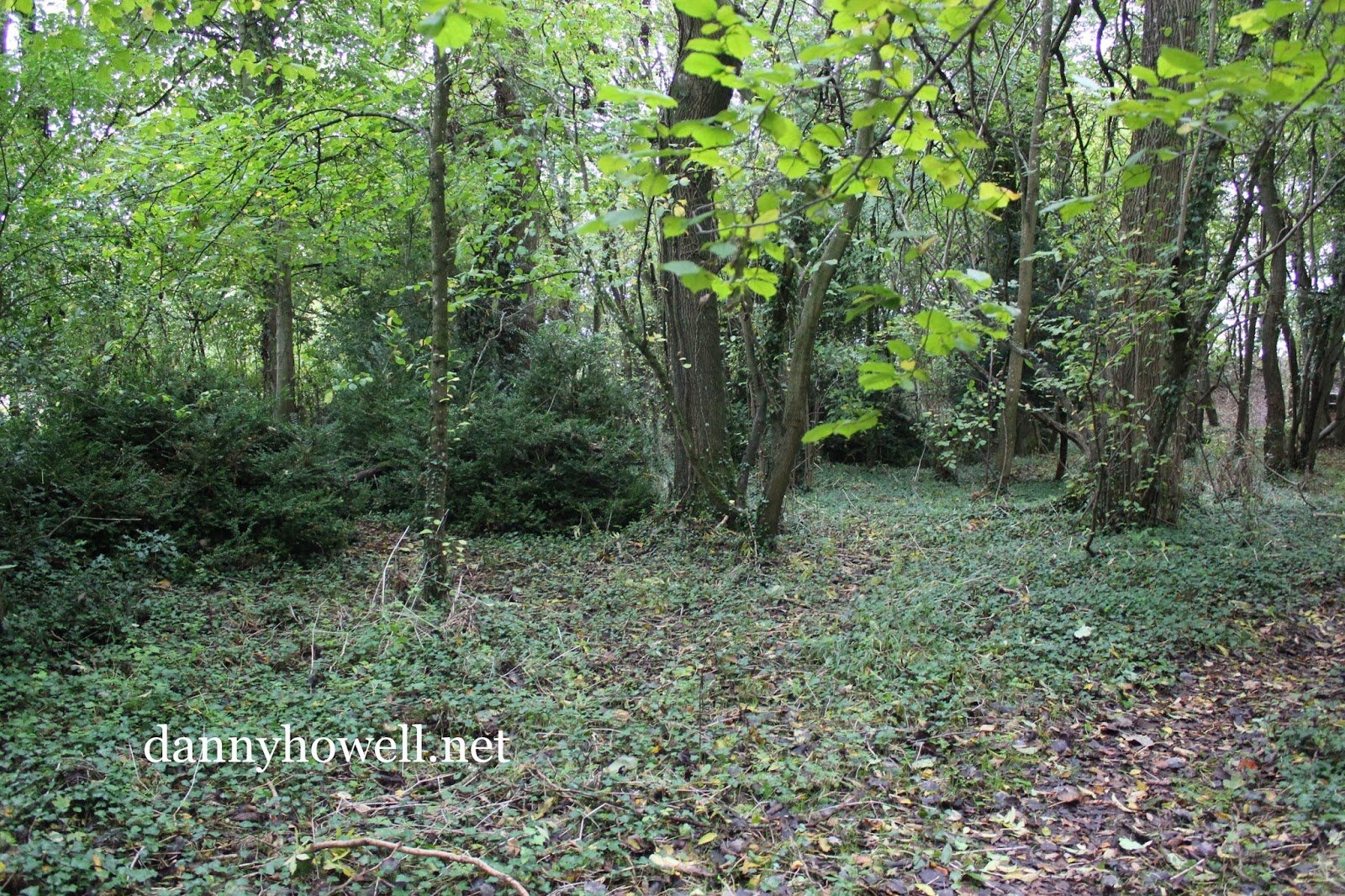
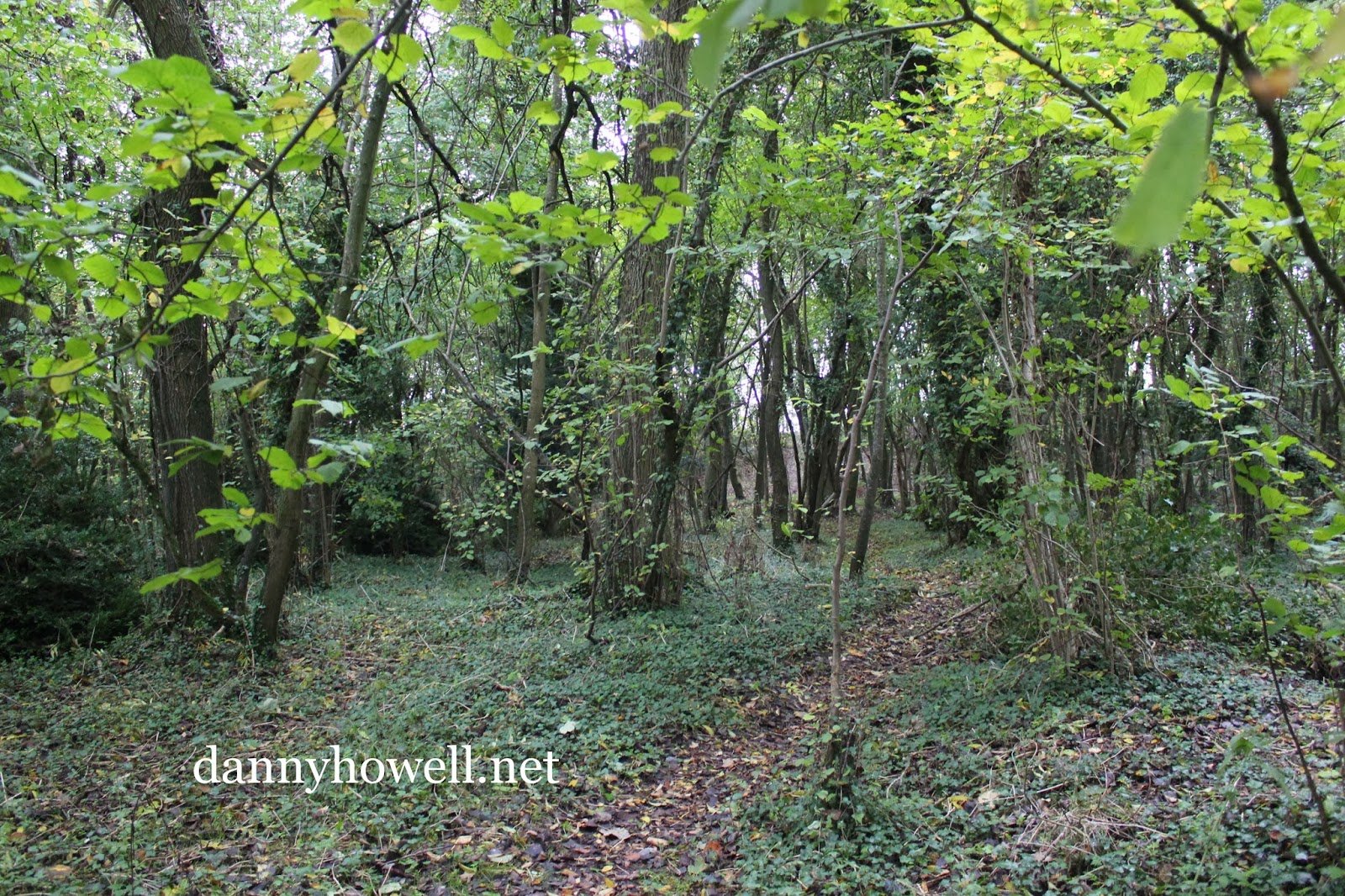
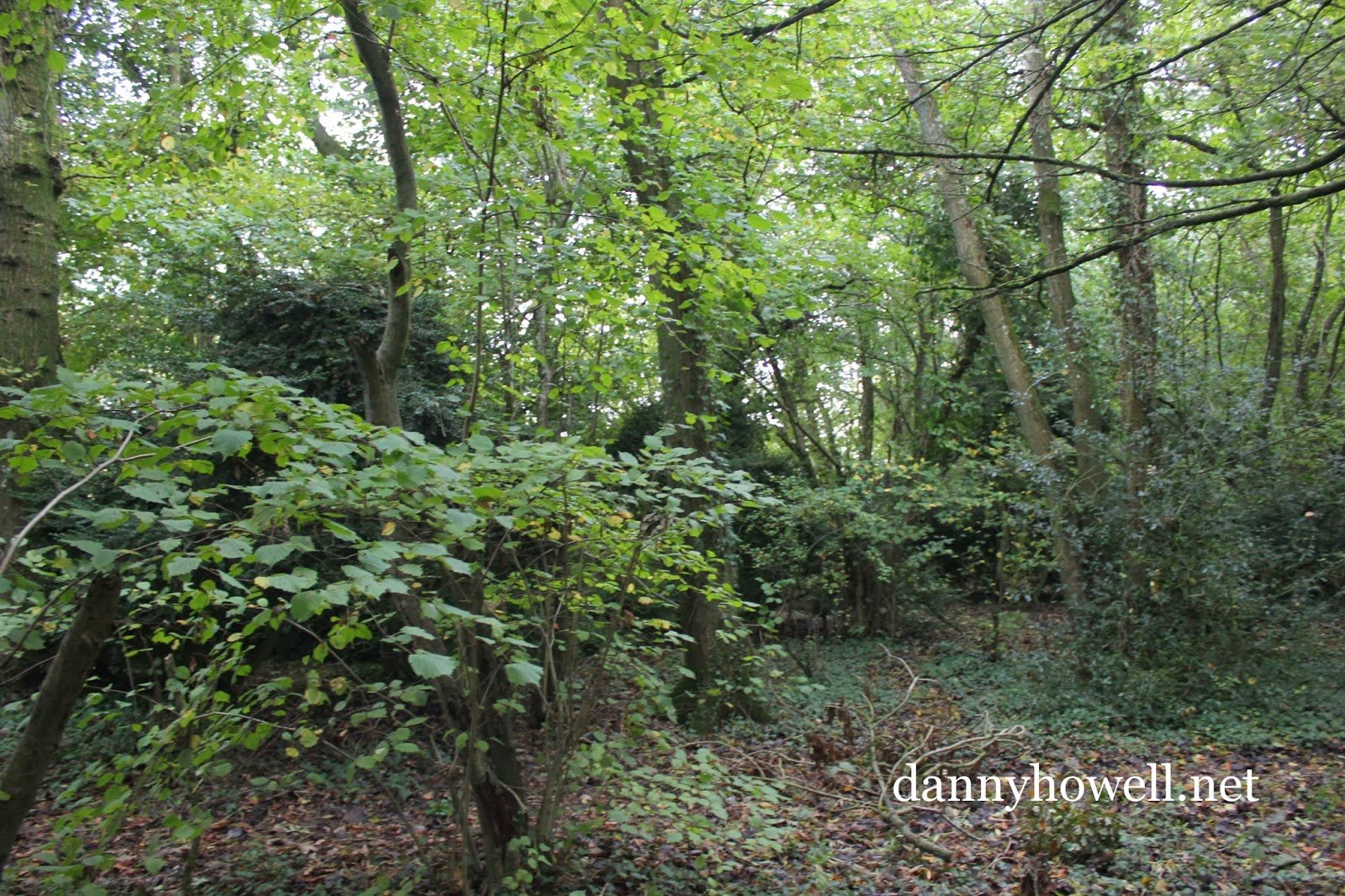
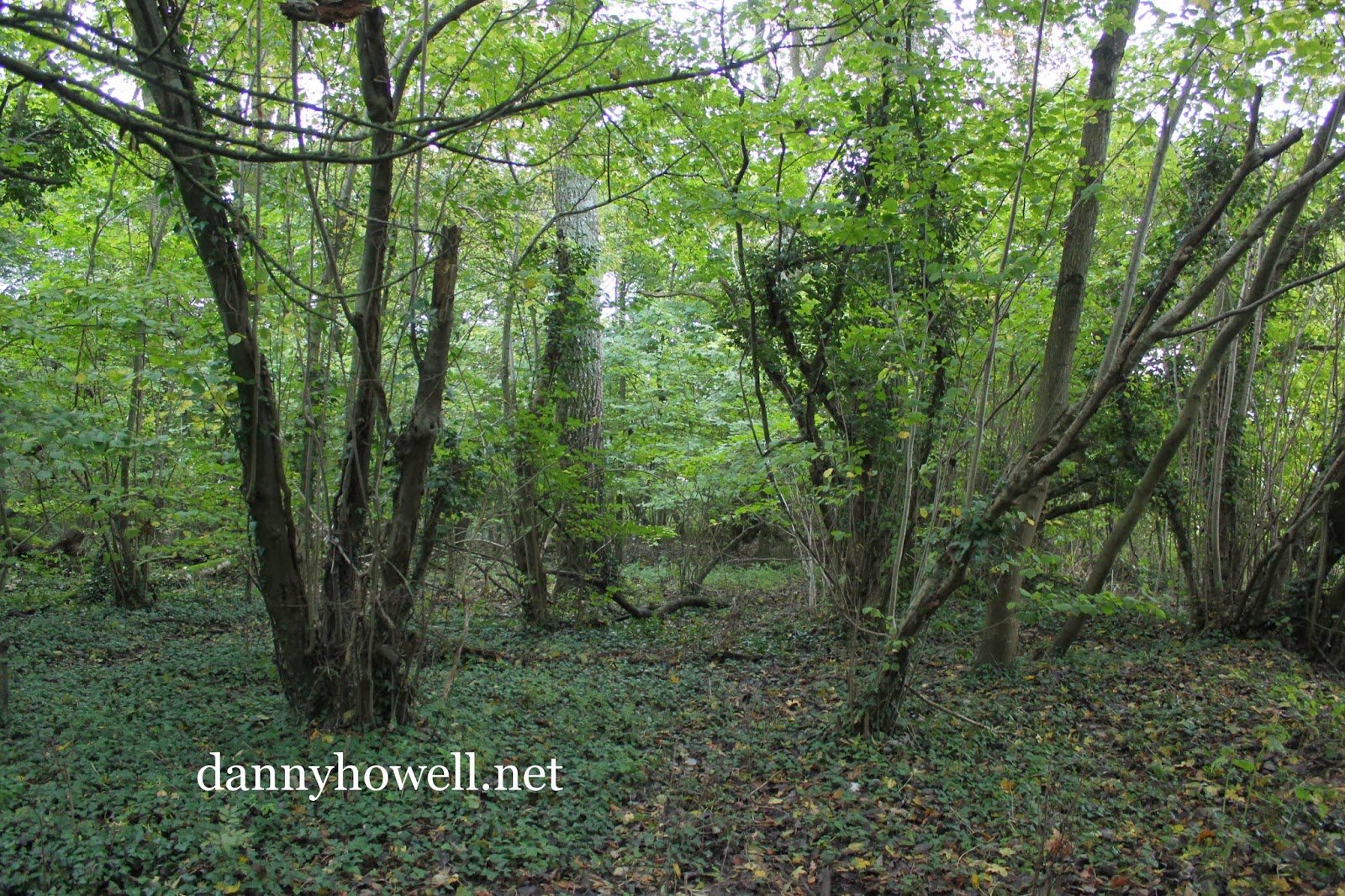
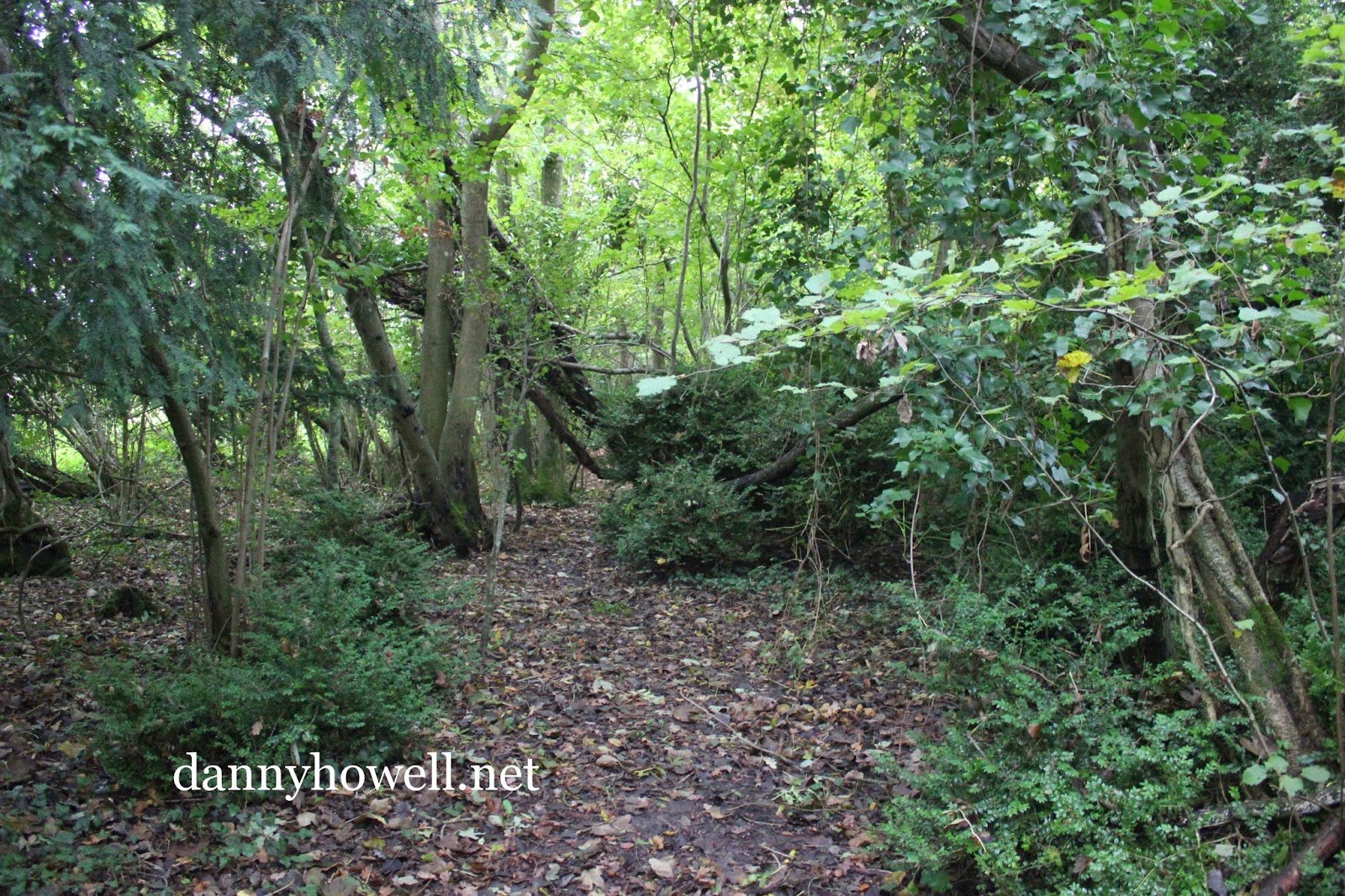
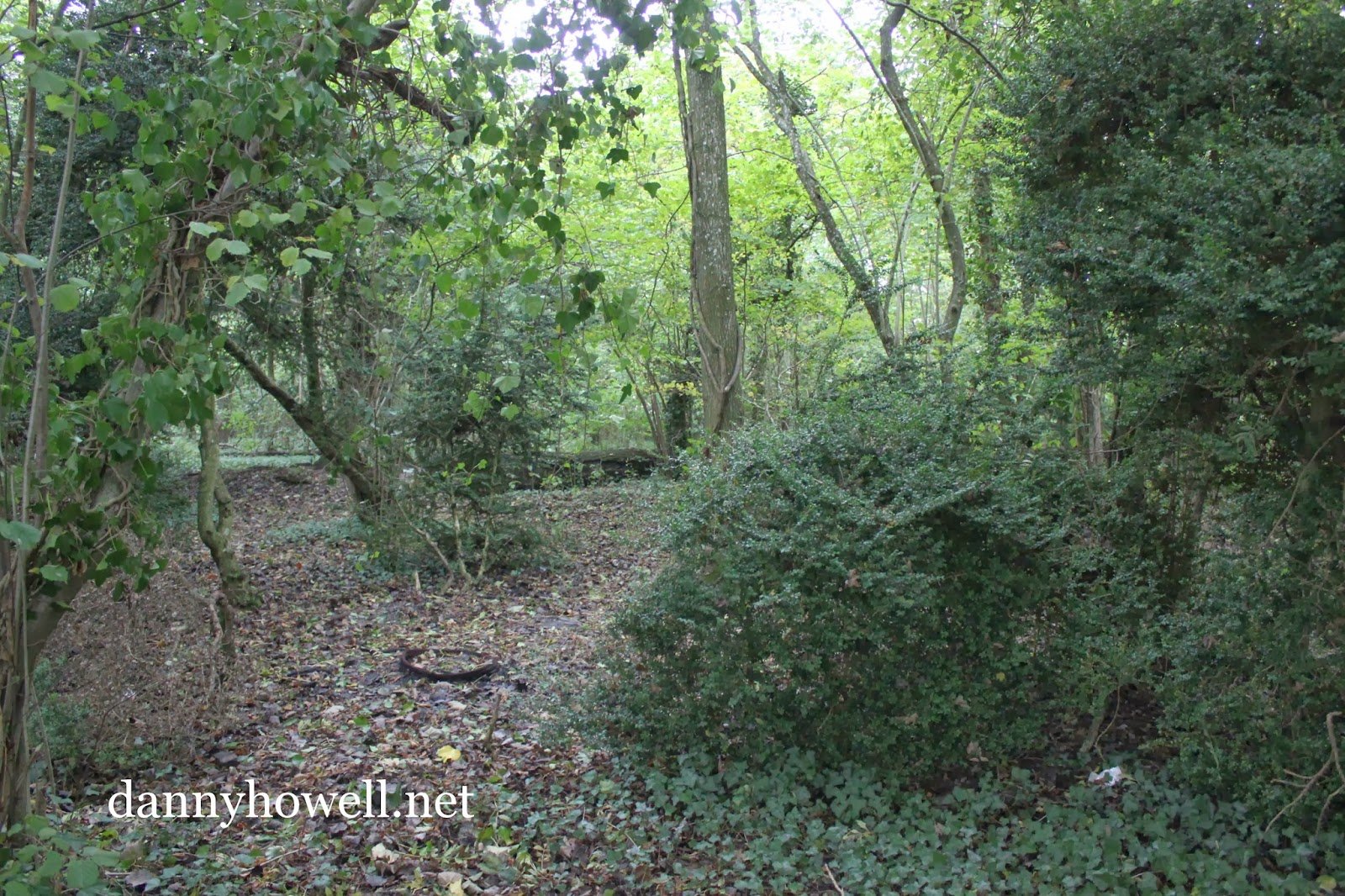
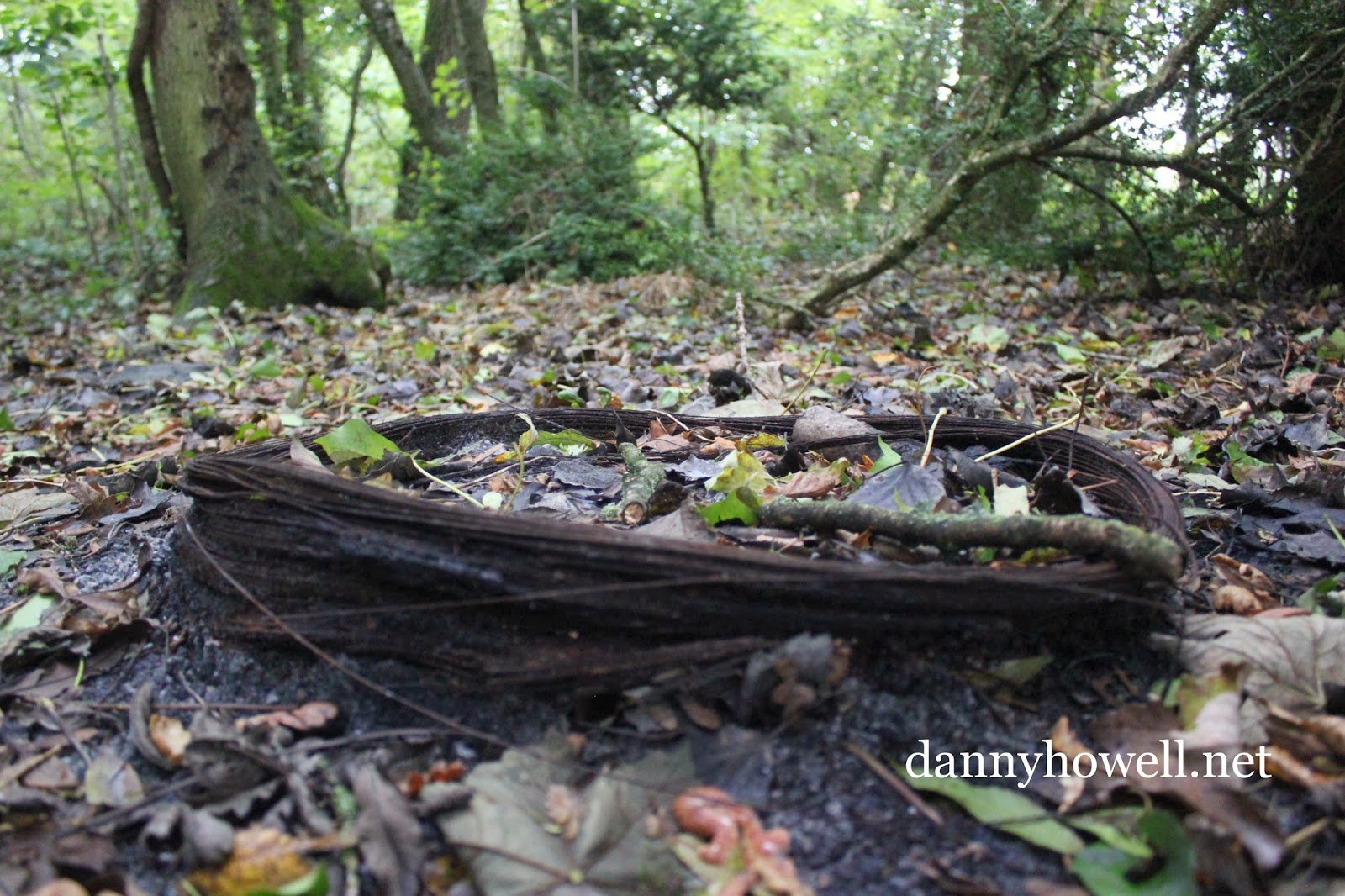
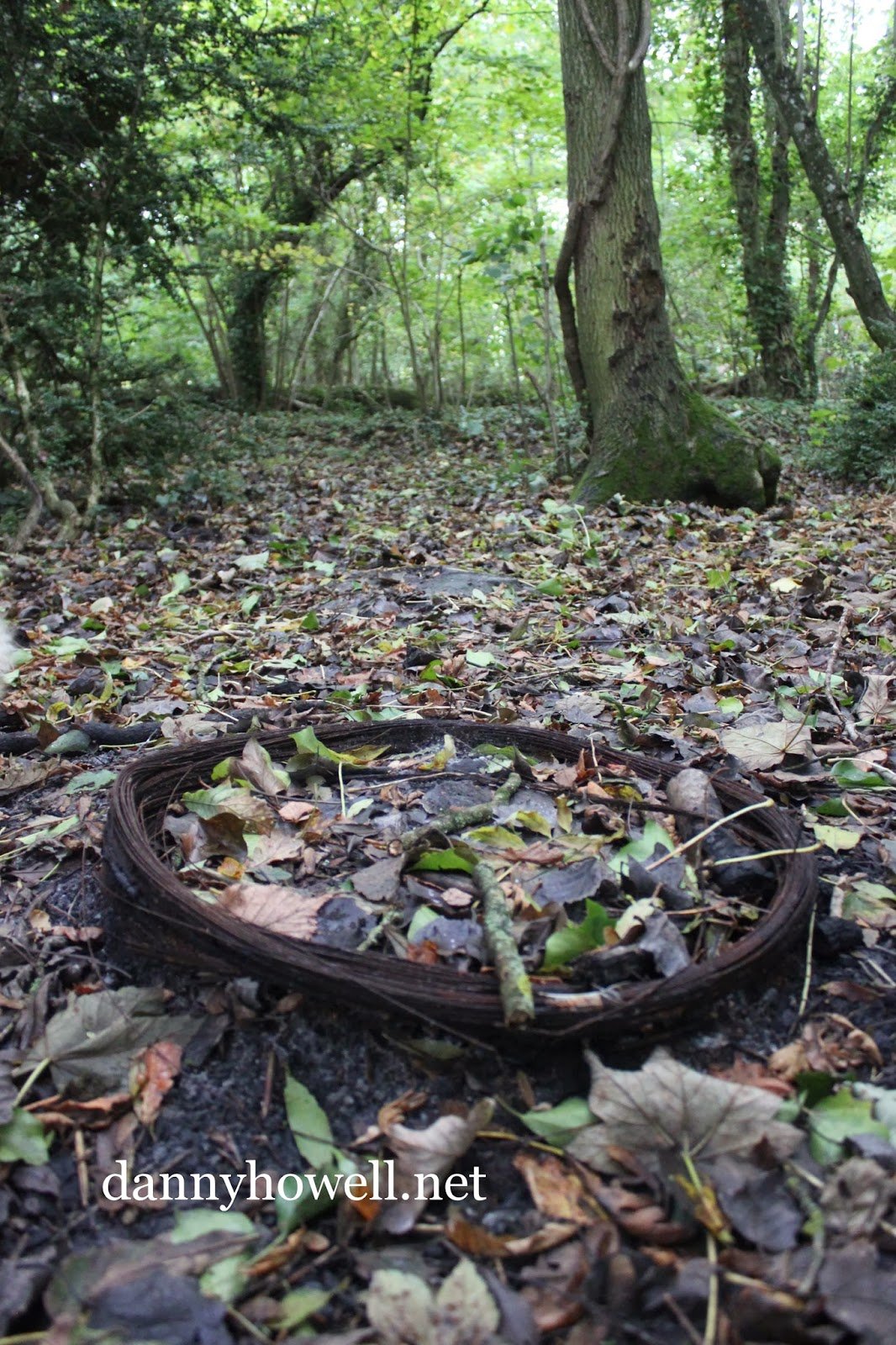
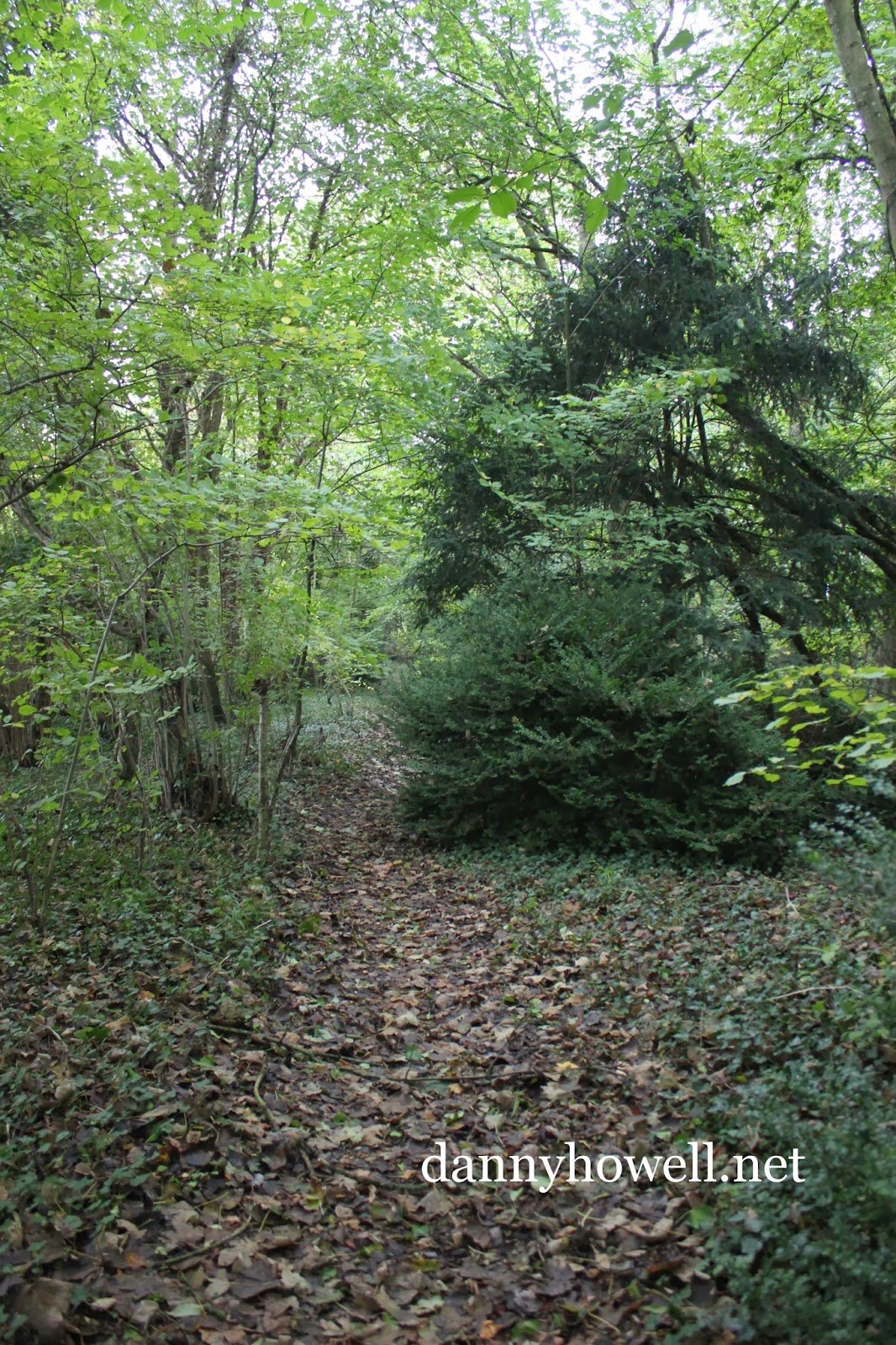
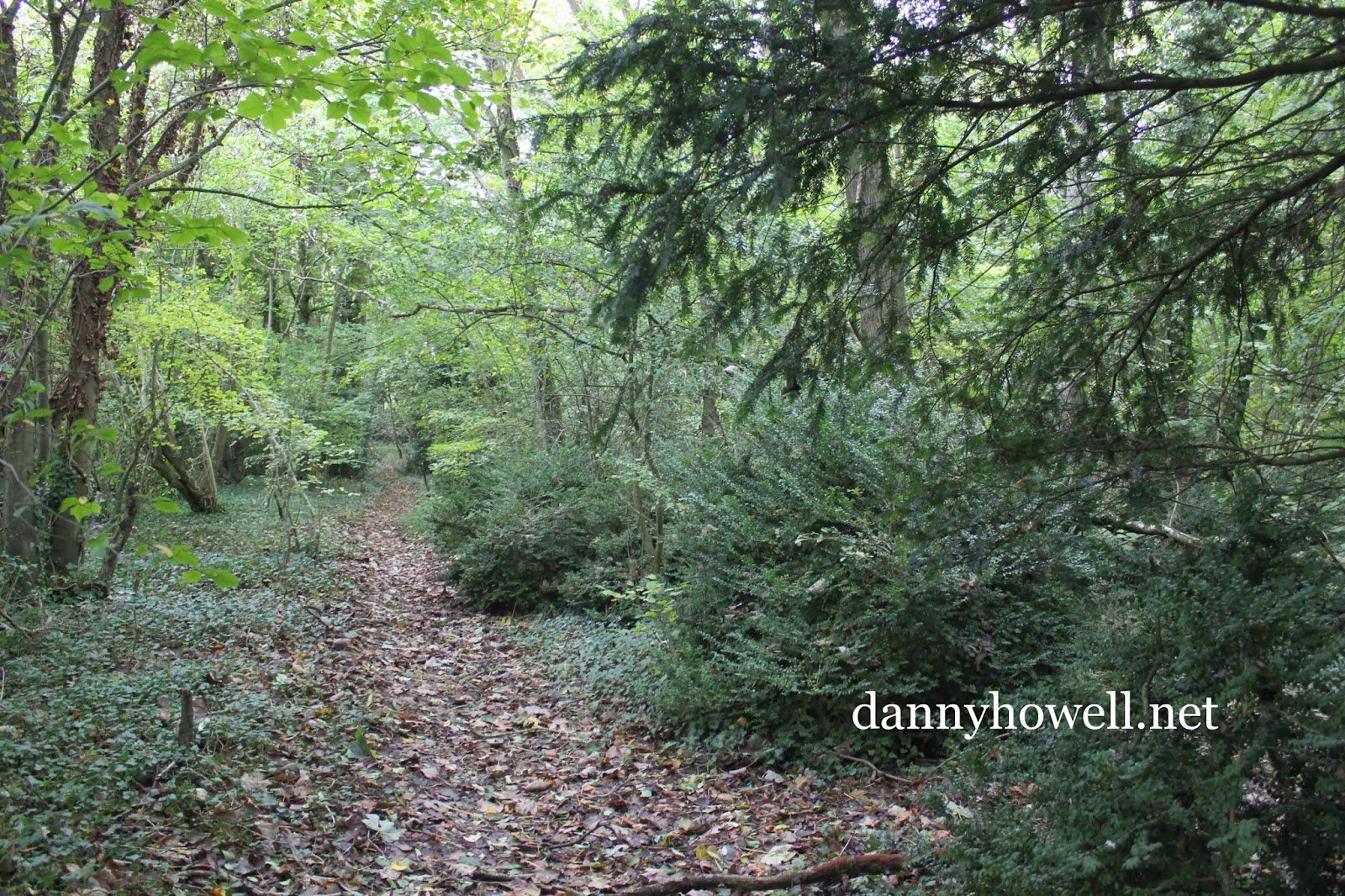
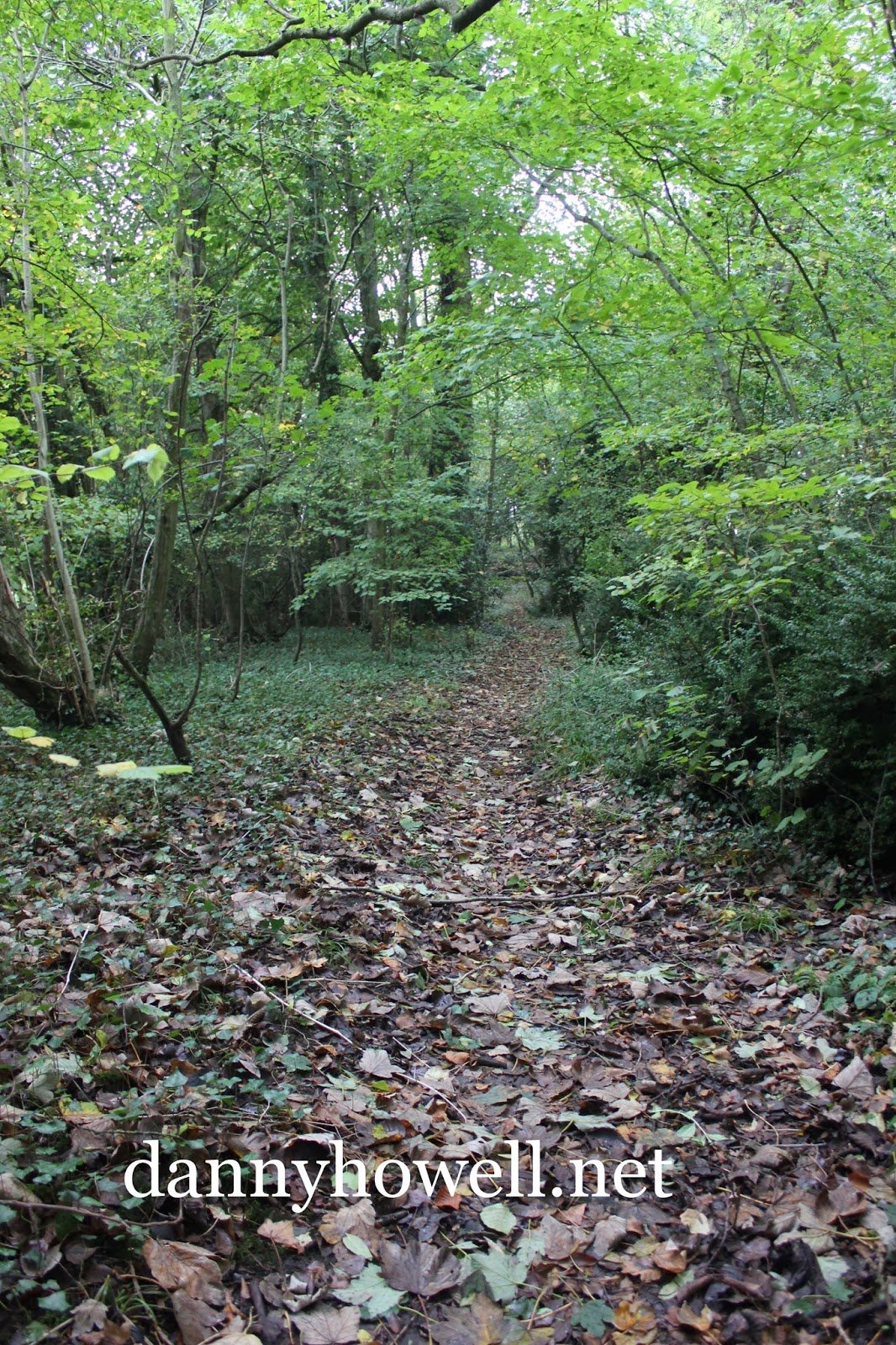
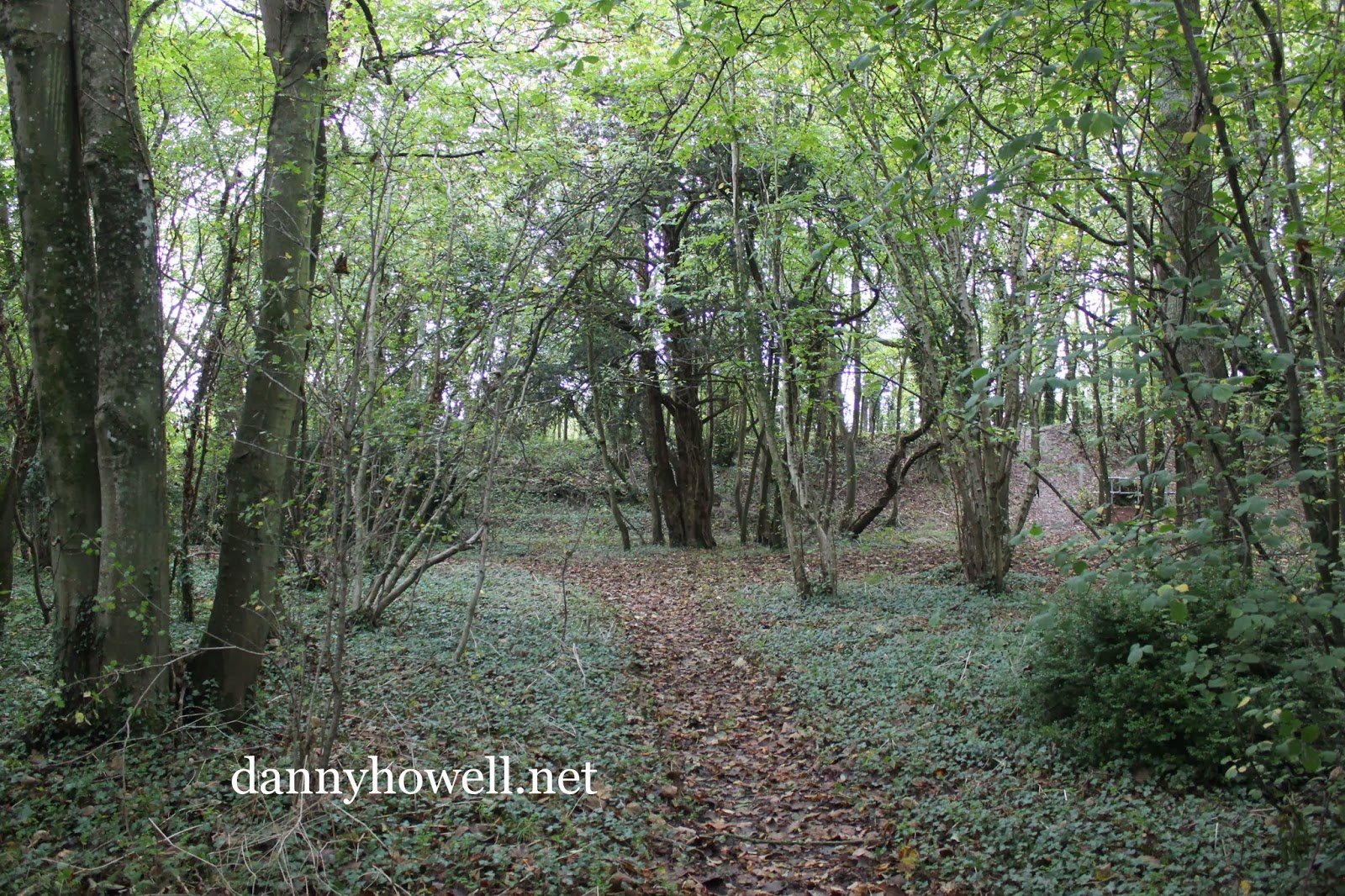
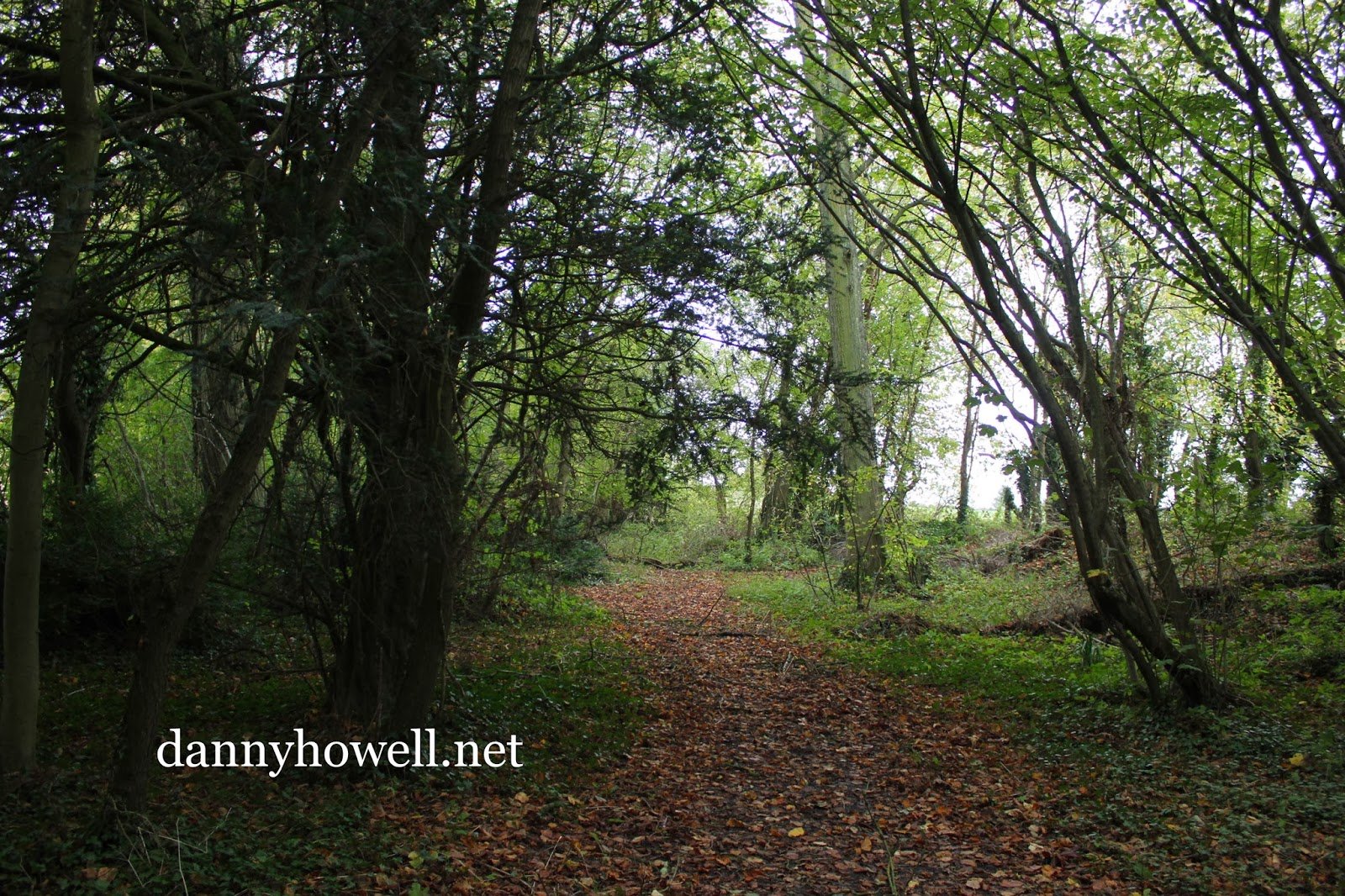
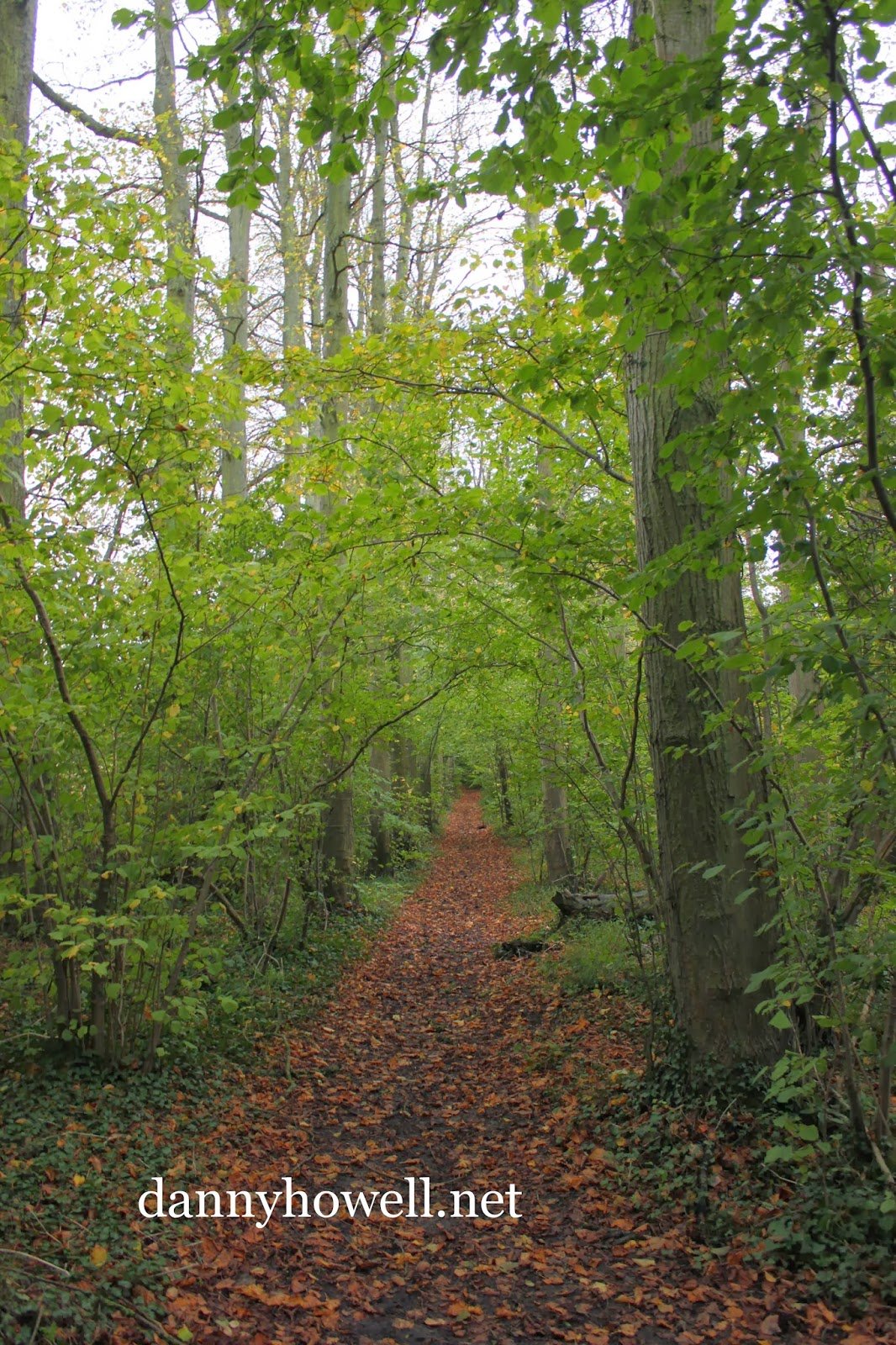
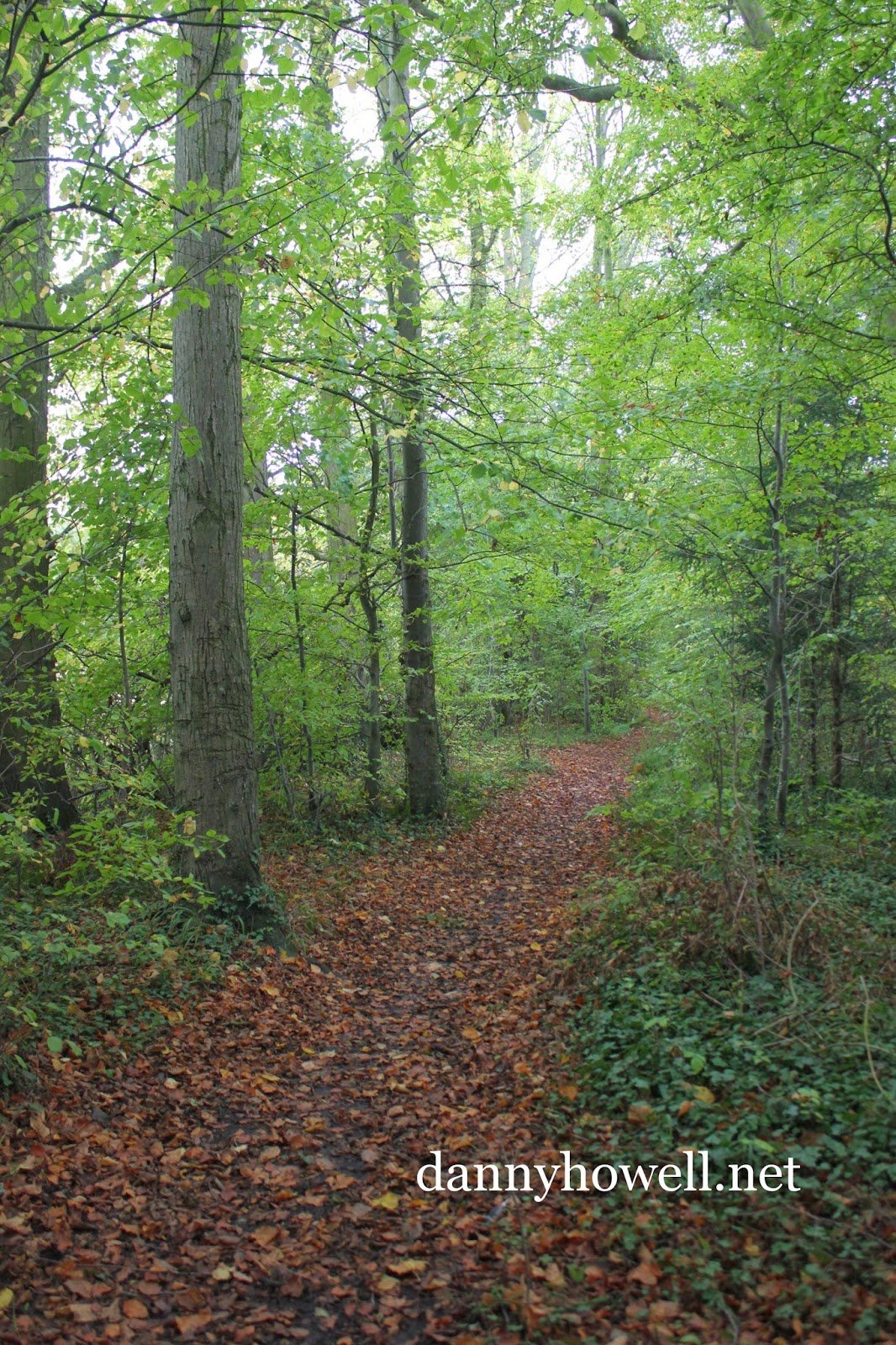
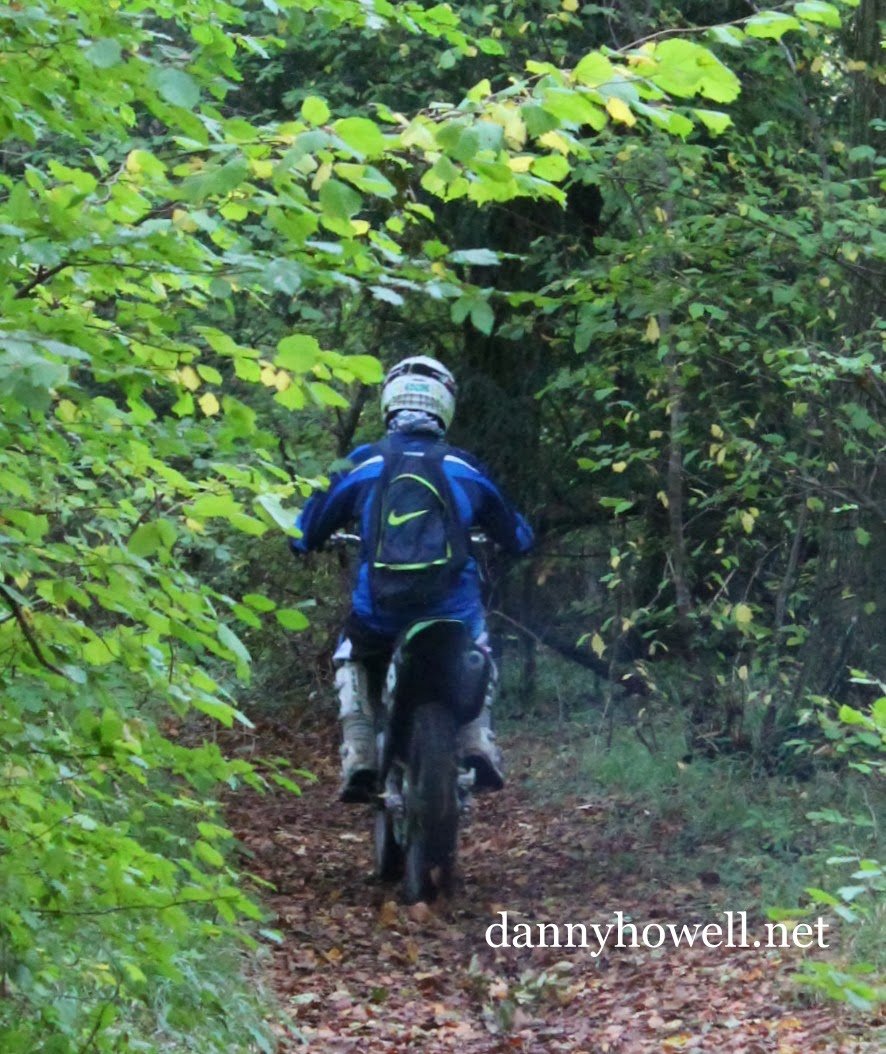
A scene inside Temple’s Plantation
at Boreham, Warminster.
The photograph was taken by Danny Howell
on Tuesday 5th November 2013.
Sunday 3rd November 2013
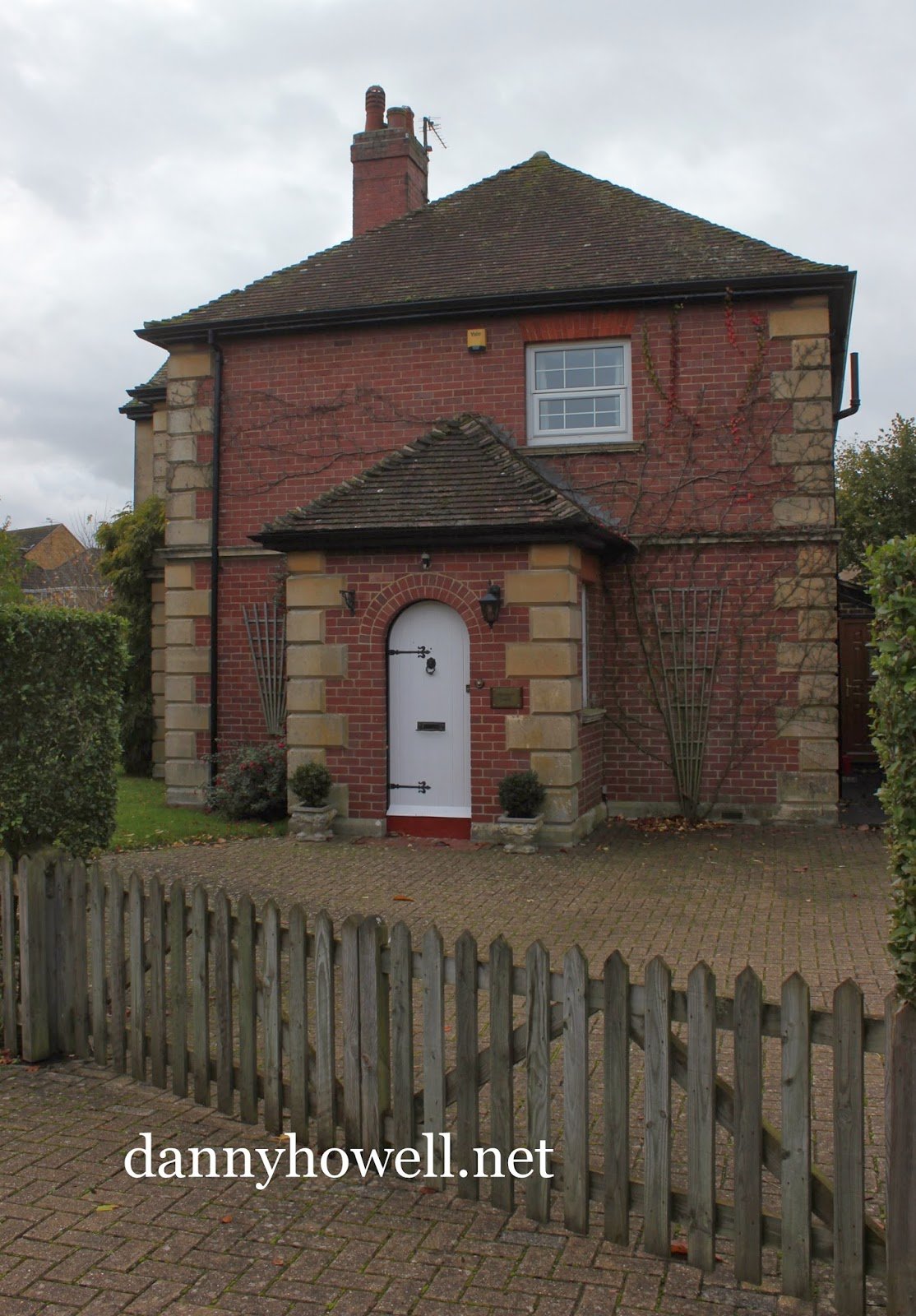
Prestbury Lodge at Canons Close, Warminster. Photograph taken by Danny Howell on Sunday 3rd November 2013.
Bob Lloyd writes ~
“Hello Danny,
Whilst I knew you were a Warminster historian I have only just come across your website and email address inviting people to contact you. I wonder if you can help me? I’m trying to find the history of my house which is now Prestbury Lodge, Canons Close, BA12 9LA (previously from when Prestbury Drive was established until 1999 known as 3 Prestbury Drive, BA12 9LB). I have lived here since 1994 and know that Joan Main lived here for many years, at least from 1961 (when, according to the electoral roll, its address was 68 Boreham Road) until the mid-1980s. I think the house was built in 1933, possibly known then as Rock Villa, and had some connection with what is now the Conservative Club. I wonder if you have any more information. Many thanks, Bob Lloyd.”
Danny Howell replies ~
Thank you Bob for your enquiry. First of all we can dispel the notion that your house was originally called Rock Villa. Rock Villa is an older house which still exists at Rock Lane, Warminster.
To begin with, where Prestbury House (the Conservative Club), your house, and Canons Close, now stand, was a field known as the Holly Lodge Ground, so named because of its proximity to Holly Lodge, the old Turnpike/Toll house at 70 Boreham Road. This field was used, for a while, before 1900, for the pitch of Warminster Town Football Club (founded 1873), but was afterwards let as agricultural pasture. On Monday 22nd June 1908, acting on instructions in the will of Francis Wilson Bayly, the auctioneer David Waddington sold the field by auction at Warminster Town Hall. Reverend Henry Lancelot Dixon bought it for £1,050. Soon afterwards he had Prestbury House built for himself on the site. He named the house after his family’s residence Prestbury Hall, near Macclesfield, in Cheshire.
The house you live in, Bob, which you call Prestbury Lodge, was in fact built in 1936 and its original address was 7a Boreham Road and for reasons I shall explain in a moment it seems to have immediately acquired the name Donum. It was built at the expense of the Reverend Henry Lancelot Dixon who, as I have already mentioned, owned and lived in Prestbury House (now Warminster Conservative Club) at Boreham Road, Warminster.
The plans for the house, as prepared by Rev. Dixon in 1936, are deposited in the Wiltshire And Swindon Record Office at The Heritage Centre, Cocklebury Road, Chippenham, SN15 3QN. The catalogue number for these plans is G16 760/393. (You can, of course, visit the Heritage Centre and see these, and photograph them – ask for permission first and pay a small fee – or possibly ask for a photocopy of them). Heritage Centre telephone 01249 705500 or email heritageadmin@wiltshire.gov.uk
It would seem that Major William Cautley Olpherts and his wife Irene were the first people to live in the house. The Rev. Dixon knew them and must have took pity on them because they were down on their luck. He seems to have had the house built for them, presumably allowing them to live in it rent free or for very little rent. He may have even given them the house. The latter seems more than likely, bearing in mind the name Donum and the property does not appear to have been mentioned in Rev. Dixon’s will. (Rev. Dixon died on Sunday 6th June 1943). You can read a biography of Rev. Dixon in one of my books, Smallbrook Farm 1905-1965, published by Wylye Valley Publications in April 1988. This book is now out of print but Warminster Library has a lending copy.
On 15th May 1998 I made a tape-recorded interview with Mrs. Helen Leaney (nee Moore) who grew up in Bishopstrow with her parents, and her grandparents (the Moores and the Pearces). In the interview Helen recalled many things including ~
“There was a retired army man called Major Olpherts who lived at Bishopstrow Farm. Major Olpherts used to come down to my grandfather [Alfred] Pearce’s cottage [36 Bishopstrow] in the village. Major Olpherts used to walk from Bishopstrow Farm, crossing over the road and coming along the path from the mill to the back of the churchyard. He used to walk round by the church and come into the village that way. He used to spend hours with my grandfather. They had both been in the Army. They were both old soldiers and they had a lot in common. They had a lot to talk about. They spent ages together reminiscing. I wasn’t very old but I can remember them doing that. Major Olpherts was very keen on my grandfather. He used to bring a lot of books down for my grandfather to read. My grandfather hadn’t had a very good education. What he knew he had learned through books. He had educated himself. Major Olpherts brought down all sorts of books – biographies, war books and military things – for my grandfather to read.”
“Major Olpherts was a married man. He and his wife used to come to Bishopstrow, to church, quite a lot. They were both pleasant and kind people. I remember Mrs Olpherts more than her husband. She was a big woman. She used to go to town in a pony and trap to do her shopping. You’d see it trotting along Boreham Road. I don’t know where she parked it when she got to town. She very often used to stop and pick the village kids up. It used to seat about three. She’d take them for a ride in the pony and trap. She’d do that. The pony was a little brown one and the trap was brown too.”
“Major and Mrs Olpherts weren’t very well off. When they left Bishopstrow Farmhouse they went to live in a house up Boreham Road, behind what is now the Conservative Club [Now in Canon’s Close but originally a house called Donum and numbered 7a Boreham Road – later 68 Boreham Road. The house was built in 1936 by the Rev Dixon, who lived at Prestbury House (now the Conservative Club). Rev Dixon knew Major Olpherts and his wife but because they had no means he let them live in the house which was named Donum, the Latin for ‘gift, present or sacrifice,’ in recognition of him helping them out.] When the Olpherts moved out of the farmhouse at Bishopstrow Farm, Mark Gauntlett took up residence there.”
“Major and Mrs Olpherts had a son. I don’t know what become of him. He lived at home with them for a while but he went away. Whether he went away to work or college or something I don’t know. I remember he was tall like his mother.”
I published the full transcript of Helen Leaney’s interview in another of my books, Wylye Valley Folk Volume One, published by Bedeguar Books in July 1999. The book also includes a photo of Mrs. Olpherts with a goat and cart and a group of children.
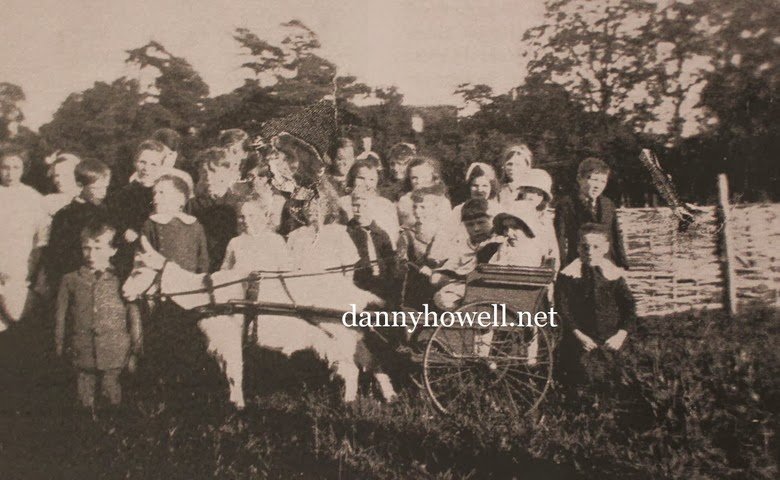
Mrs Irene Olpherts with her goat and cart and Bishopstrow children.
I also included in the book a photo I took of Donum/Prestbury Lodge on 12th August 1998. The book is now out of print but there is a lending copy at Warminster Library. Alternatively, you can read Helen’s interview online on my blog, click here.
The late Bert Dawkins confirmed this story about the Olpherts, in a tape-recorded conversation I made with him. Bert said: “Major and Mrs Olpherts lived at Bishopstrow Farm but they had no money. Major Olpherts was well-to-do and ex-Army but he had no means. Rev. Dixon knew him and had a house built on land behind Prestbury House for him and his wife. It was named Donum because he had helped them out.
Major William Cautley Olpherts died on 14th February 1940, at Kerley Court, Kerley Road, Bournemouth, Dorset. He had been born in the Punjab, India, in 1863. According to the 1871 Census Major William Cautley Olpherts was then living in Boston, Lincolnshire, and the 1871 Census records him living at Penge, Surrey. But by the 1930s he was living in Bishopstrow Farmhouse, having retired from his days of military service in the Scots Greys.
It is interesting to note that William Cautley Olpherts’ father Sir William Olpherts VC GCB (1822-1902), had a very interesting and distinguished military career. I need not refer to that here in detail but if you want to know more about Sir William Olpherts there is a Wikipedia page for him. Click here.
The 1939 Warminster Residential Directory:
Donum, 7a Boreham Road, Warminster. Major W. Olpherts.
The 1947 Electoral Roll includes:
68 Boreham Road.
Irene Olpherts.
Olvesan G. Sladden.
Mary Doris Newman.
Sarah E. Muxworthy.
Patrick D. C. Davis.
Marie W. Bennerty.
Irene Olpherts died on 22nd May 1948.
Quite recently, during October 2013, in conversation with Richard Dombkowski, he told me his mother Gwen Dombkowski, who now lives at The Dene, Warminster, worked as a home-help for Mrs Olpherts in the 1940s. I’m hoping to ask Gwen what she can recall about Mrs Olpherts and the interior of Donum.
West Wilts Directory 1949:
68 Boreham Road. Warminster. O. G. Shadden. (Presumably one and the same person as Olvesan G. Sladden listed on the 1947 Electoral Roll).
West Wilts Directory 1951:
68 Boreham Road, Warminster. M. G. Jefferies.
Warminster, Westbury And District Directory 1953/4:
68 Boreham Road, Warminster. M. J. Jefferies.
As you quite rightly say, Maurice and Joan Main owned the house and lived in it from the 1960s onwards. Prestbury Drive and St. John’s Road were built on some of the fields of Smallbrook Farm, following the sale of the farm by Bert Dowding in 1964. Canon’s Close was built in late 1988/early 1989. The Canon’s Close development came about with Maurice and Joan Main’s involvement. I think they owned the land it was built on. The first adverts for the sale of the houses at Canon’s Close appeared in the Warminster Journal during March and April 1989. Fairclough Homes were the builders but Canon’s Close was not the name used during construction. Prestbury Court was going to be the name until Joan Main (and she told me this herself) preferred and pushed for it to be called Canons Close, in memory of Rev. Dixon who was a Canon. You may be interested to know that Canon’s Close, “14 select 4-bed detached homes” were first advertised with prices starting from £121,495. 68 Boreham Road did, of course, then become part of Canon’s Close.
I hope this information adds something to your quest for finding out the history of your house. If any dannyhowell.net readers have recollections of any of the persons mentioned above or further information with regard Donum/PrestburyLodge it would be a pleasure to hear from them. email: dannyhowellnet@gmail.com
With best wishes, Danny Howell.

Romancing the Gibbet
Public punishment and local memory in the Georgian West Country
A free event presented by the University Of The West Of England, taking place at Warminster Library, Three Horseshoes Walk, Warminster, BA12 9BT, on Saturday 22nd November 2013, 11.00 a.m. to 1.30 p.m.
The occasional, and extraordinary, 18th-century practice of hanging and/or gibbeting some felons (exhibiting their bodies to public view in iron cages) at the scene of their crime, was intended to leave an indelible and exemplary impression on disorderly peripheral villages and small towns. They were often staged in remote locations before very large crowds and were spectacular, processional events. In 1813, one such execution was carried out upon two convicted murderers, George Ruddock and George Carpenter, on the brow of Arn Hill, overlooking Warminster. For this Being Human event, historian Steve Poole will give an illustrated talk on this and other west country crime scene hangings, explaining their rationale and placing the Arn Hill events into a broader historical context. Then, poet Ralph Hoyte and artist Michael Fairfax will create a public performance related to the events of 1813, involving poetry, sculpture, music, and sound installation. This event gets to the very heart of what it is to ‘be human’ in extraordinary circumstances.
Free admission.
Booking required. You book your free ticket by simply registering your name and email address online.
For further details, contact Steve Poole
email: Steve.Poole@uwe.ac.uk
Being Human Festival Website, click here.
Thursday 31st October 2013
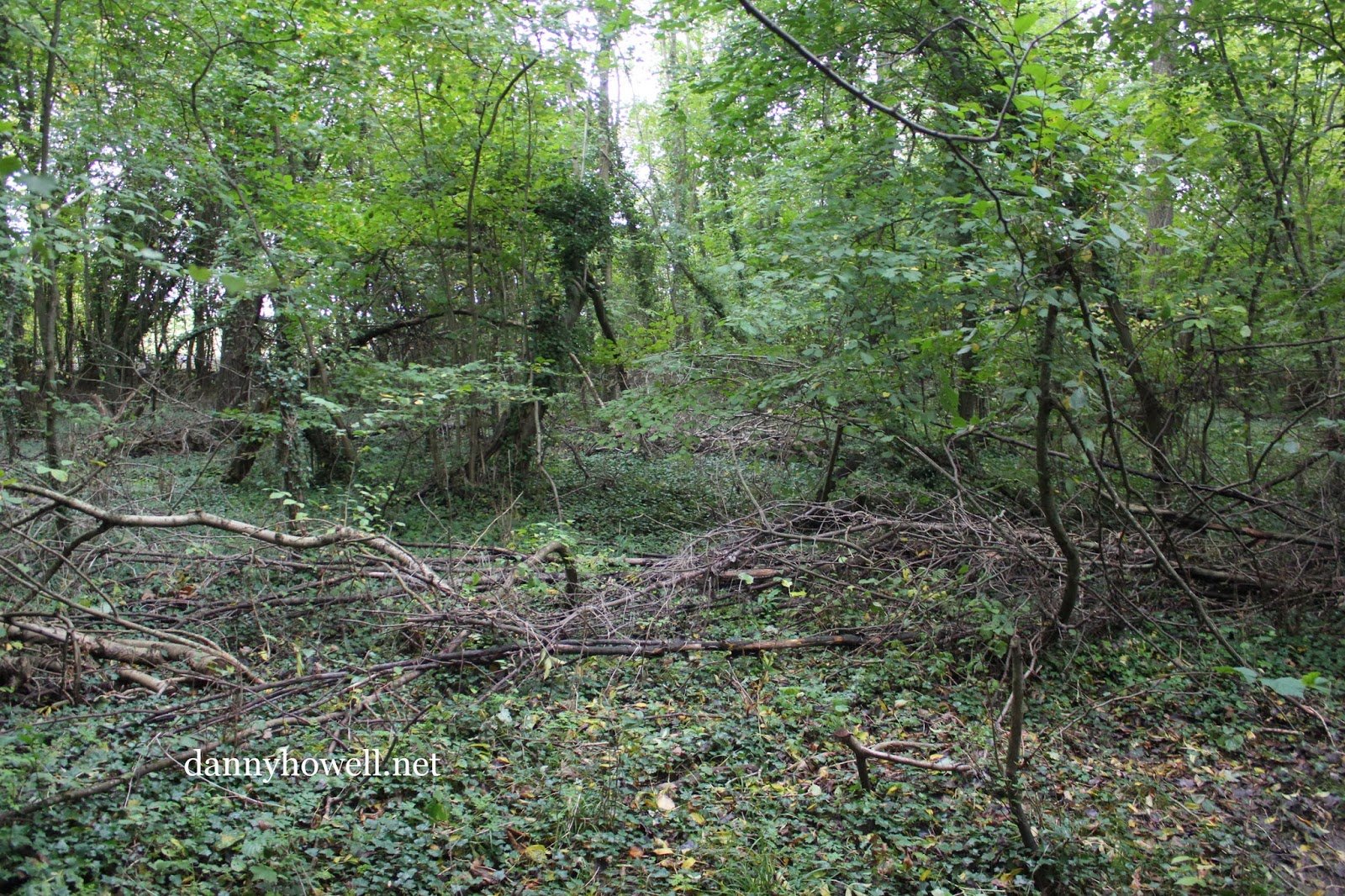
Some photographs taken by Danny Howell
in Temple’s Plantation (Primrose Wood)
at Boreham, Warminster,
on Thursday 31st October 2013 (Halloween).