The Chapel Of St. Laurence, Warminster ~ Some Notes Of Interest

The Chapel Of St. Laurence ~ Some Notes Of Interest, written by Geoffrey Tout, July 2003:

The Chapel of Saint Laurence, Warminster, is known as a “Peculiar’, existing outside of the Church of England control. It is in distinguished company among other churches. Westminster Abbey and St. George’s Chapel. Windsor, being two Royal “Peculiars’.

The Chapel of Saint Laurence, is an independent foundation, held in trust since 1575 by twelve feoffees for use by all the townspeople of Warminster with no particular denominational basis. It is within the C. of E. parish of St. Denys and on the appointment of a new Vicar (of Warminster, for the Minster Church) the feoffees invite that person to take the services and he has assistance from the C. of E. clergy from the Cley Hill Team Ministry which covers that part of the town and some of the adjacent villages. He also, from time to time, invites other Anglican priests, the Roman Catholic priest, the Garrison (Army) Padre from St. Giles (Anglican) Church, the Baptist Minister, the United Church Minister and other retired ministers. Many live in the area, having been trained at one time in Warminster as part of Kings College. That is no longer so and the Kings College property at Church Street, Warminster, is now occupied by Warminster School – an independent school of some 500 pupils from all over the world. We are very grateful to the clergy for their voluntary work in taking the services – we are indeed fortunate.

There is Holy Communion on Wednesdays at 10.00 and Evensong on the 3rd Sunday in each month at 3.30. All are most welcome.

Requests for baptisms, weddings and funerals occur from time to time but there needs be a clear link to the chapel – it is an exceptional place and the feoffees do not encourage such occasions if the intention is to be “fashionable’ or “different’! In any case for a wedding to take place, apart from local considerations, there is a need to obtain an Archbishop (Of Canterbury) Special Licence (fee at present £125). Funerals do take place from time to time, but the undertakers have great difficulty in manoeuvring the coffin inside the chapel!

It is also used for ecumenical services, e.g. CTW (Churches together in Warminster), Amnesty International and also by other denominations when there has been a problem with the use of their premises, e.g. fire/extensive repairs, etc. This has resulted in the Chapel being used for several months by the Roman Catholic Church and, on another occasions, by the Methodist Church (no longer as such). There are also four Anglican Churches, a Baptist Chapel, a United Church and a Christian Scientist Hall in the town. During the War St. Laurence’s Chapel was used for services to save the cost of blacking out all the other churches’ windows!

It was purely voluntary on the part of the townspeople without any suggestion by or agreement of the feoffees. At the time of Princess Diana’s death we found that the public of all denominations were laying wreaths on the front lawn and in no time it was covered. This provided a perfect setting for a moving memorial service on 6th September 1997. Again, for the duration of the on-going Iraq conflict, CTW arranged for a meeting at 12 noon each day (except Sundays) for Prayers of Peace and Justice. That gives some idea of the very nature of the Chapel in the life of the town, sandwiched as it is in the main street with neighbours being the Town Hall (now in private ownership), Woolworth’s. Bristol & West Building Society, Halifax Building Society, Oxfam, a dry cleaner and a solicitor. The Chapel is open every day from approx. 9 a.m. to 5 p.m., and the visitors’ book is very interesting – from all over the world. Most years we have a flower festival around the Patronal Service in August, and in recent years we have had a Christmas floral festival – donations amount to around £300 each Christmas and a charity is given the proceeds – Cancer UK, MacMillan Nurses, Multiple Sclerosis, the local hospice, etc.

Whenever I go into St. Laurence’s Chapel, and it’s sometimes three or four times a week, there is nearly always someone or a couple sitting quietly in contemplation. It is an oasis in the midst of the traffic and commerce of the town. Most of the feoffees are on a security rota. Luckily there’s very little trouble – and we have CCTV covering our doorstep. We locked up one night and left someone asleep on one of the pews. He broke a stained-glass window to get out and then apologised next morning and paid for the damage (£800) in cash!

The organ is on the side of the chapel and the organist sits out in the congregation facing the altar with them. When the organ was completely overhauled in 1974, the chapel was closed for a few weeks so that all the parts could be laid out on the pews for cleaning, repair or restoration.

There is a clock in the tower but it does not have a face. It has a 36-hour movement and in consequence needs winding at least every 24 hours and this entails some 24 winding steps to the clock room and the same down, unless you miss your footing – the feoffees are on rota. The clock chimes the quarter and dongs the hour. In 1985 an attempt to put a face on the tower was not permitted by the District Council.

At the west end of the Chapel there are name boards showing many of the feoffees since 1575. Again, when we came to having it updated, we only had to pay for the gold leaf – the lettering was done by the Technical College as a project.

We have a cottage behind the Chapel, not seen from the road, which used to be used by the Sexton who had to ring the rising (4 a.m.) bell and the curfew (8 p.m.) bell each day. The cottage is now available for office purposes and brings in much needed income. We have to be self-sufficient otherwise we, as feoffees have to raise the necessaries. That’s how I became a feoffee and also the Treasurer – they thought in 1969 to raise £5,000 it would be easier, in my capacity as the then Urban District Council Treasurer (having to deal with all the ratepayers, tenants and businesses in the town) to suggest that they might like to add a bit to their rent or rates and I could put it to one side for the Chapel. That was not on!

At that time we needed to replace the front parapet – some £1,500 in intricate stonework – we had an anonymous donor – the work was done and then the stones had to remain in the Chapel for six months until we raised the £1,000 to position them, etc. We had to take in the stones as VAT was due to come in the next week and that would have increased the costs. When they were in situ they looked brand new compared with the rest of the building so they gave it several treatments of cow dung and it soon looked as mellow as the rest that had been there some 200 years. As they were about 18 feet up we couldn’t smell the parapet.

To give some idea, we have just had to renegotiate the insurance policy for the Chapel, with a professional valuation for fully rebuilding in its present form – although that would not be possible – to the tune of £1,400,000. We have therefore adopted the normal practice of insuring for 75% of value. This would enable us, if there was a complete rebuild, to replace with more modern materials etc. We are now looking to improve the external floodlighting which is on all year. With the Town Council and the District Council we might get most of it in grants – we will see.

A perusal of the minutes for the last 175 years provided some interesting notes:

1824 Cottage built.

1828-30 There was only one feoffee.

1832 New Deed of Feoffment covering 12 new members.

1854 Chapel insured for fire loss. Cover £400.

1856 Nave rebuilt. Six old houses standing in front of the chapel were demolished.

1879 Cover increased to £1,000.

1883 Improvements including new altar.

1887 Railings to be painted – but couldn’t be done in time for Queen Victoria’s Jubilee celebrations.

1888 New heating stove. £19. 1s. 0d. Water to cottage.

1889 Fire cover increased to £2,000.

1890 Harraway & Scott to maintain gardens and stock with flowers £5. Some feoffees thought it was too high.

1897 Spire and cottage struck by lightning – claim settled for £393. 11s. 11d. – but organ damage £7, not paid.

1898 Spire restored to original design for £294. 5s. 7d. Lightning conductor installed for £10. Minute Book – changed St. Laurence to St. Lawrence.

1903 Bible repaired for £1. 7s. 6d.

1907 New altar cloths worked by the Ladies of St. Denys. Cost of materials not to exceed £5.

1909-1916 No minutes prepared.

1921 H.A. Wakeman appointed Steward, £8. 8s. per annum. New Prayer Book provided at cost of £3. £2. 10s. paid for new surplice and cassock for Priest.

1922 Several old properties sold, realising £654. 9s. 8d.

1926 Inside of chapel completely renovated £21. 10s. New carpet for main aisle £4 1s. Minster font transferred to the Chapel.

1926-1937 No minutes found.

1937 Mrs Joseph Penn appointed Sexton. Wages £16 per annum (included cleaning) plus use of the cottage.

1939 Only one church to be used for worship during the War. St. Lawrence was chosen. Windows blacked out.

1947 Steward’s honorarium £12. 12s. per annum.

1948 Mr. A.J. Grace to repair clock (£10) and wind daily for £5 per annum. He continued until 1985.

1949 New St. George’s flag purchased. New pole given by Mr. Hedley Curtis.

1950 Stripping and retiling north roof and gutterwork. £300.

1952 Collections falling off. Only £10 this year. Clock-winding now £7. 10s. per annum.

1953 New electrically heated boiler in place of coal.

1954 Electricity very expensive. Switched off.

1955 Maintenance of front garden by Urban District Council not accepted.

1960 Front railings removed and sold for scrap.

1961 Request for use by Free Church Council for United Day of Prayer and Universal Week of Prayer, not approved as “since the reformation all services were according to the rites of the Church of England”.

1967 Gardeners’ Society no longer able to maintain grounds.

1968 Sexton, Mrs Amy Penn, retired (thus ending 59 years of continuous service by the Penn family).

1969 Eight new feoffees appointed. Appeal target of £5,000 agreed – to carry out extensive works in time for the 400th Anniversary of the chapel being bought by the townspeople (1975).

1971 New heaters installed by Mr. Des Bishop.

1972 Cottage leased to Warminster History Society.

1973 Old deeds passed to the County Archivist.

1974 Organ repairs – £650 plus VAT – paid by anonymous benefactor.

1975 Appeal target reached and 400th Anniversary celebrated. Lectern drape – embroidered by Dr. and Mrs. Graham-Campbell presented to the Chapel (“1575-1975”).

1976 Appeal closed. Total £5,858.

1977 Used by the Methodist Church during their repair project.

1982 Cottage leased by the Citizens Advice Bureau.

1984 Extensive clock repairs carried out by David Pollard and his helpers.

1985 Generous legacy received from the late Eustace Middleton.

1988 Used by St. George’s Roman Catholic Church during their major refurbishment.

1991 Aninymous gift of specially designed “St. Lawrence chair”.

1994 Generous legacy received from the late Elizabeth Ryall.

1995 Leadwork to the tower carried out. £4,000 plus VAT.

1997 Feoffees’ Name Boards removed, renovated and relettered.

1999 Wash-hand basin installed.

2003 Water ingross. Extensive renovation works, £4,000.
Community Safety In Wiltshire

Wednesday 2nd April 2003

Information from Best Value And Council Tax Summary, How Your Money Will Be Spent 2003/04, published by West Wiltshire District Council:

Number of domestic burglaries per 1,000 households, 8.4 during 2001/02.
(How we compare with others? Good.)

Vehicle crimes per 1,000 population, 8.6 during 2001/02.
(How we compare with others? Good).

In respect of recorded crime, Wiltshire is one of the safest counties in England and Wales.

A Dancing Club In Warminster

From The Warminster & District Companion, Volume One, published by the Warminster & Valley Society For Local Study, in April 2003:

A DANCING CLUB IN WARMINSTER
  ~ 1952 – 2002 ~
FROM THE GAY NINETIES AND THE OLD TYMERS
TO THE WARMINSTER SEQUENCE DANCE CLUB

FROM HUMBLE BEGINNINGS
Two dance classes were run weekly in Warminster between 1948 and 1952, which proved to be very popular. And so it was that on 26th November 1952 a dance club calling itself “The Gay Nineties” was formed, when its first dance was held, that day, in an old army hut (used as a Youth Centre) in the grounds of Prestbury House at Boreham Road. Those were the days of rumbustious dances, the Lancers, the Dashing White Sergeant, and Quadrilles, as well as the more graceful ones.

For seven weeks the club was held in the ex-army hut at Prestbury until it moved in 1953 to the Old Bell in the Market Place. Admission to the dances was two shillings. 1953 was, of course, the year of Queen Elizabeth II’s Coronation, and the Club held a Coronation Ball on 22nd June that year. It was this occasion that started off the long and friendly association with Tom Mendham’s Orchestra, which provided the music for the Ball nights. For the Club Balls the dancers were immaculately attired in full evening dress; the men wearing white gloves which showed to advantage in the Military Two Step. The ladies wore full length gowns to complete the picture of past glories.

Between 1952 and 1955 there were no leaders but as time went on a close liaison sprang up with the Frome Gay Nineties club and other neighbouring Olde-Tymers, with beneficial results. The dances were correctly learnt and some couples went for private lessons held above Birford’s Café (what is now Cristettes) in the Market Place. The dance instructors were a Mr. and Mrs. Bray.

The first A. G. M. was held on 24th September 1953, with only 26 members attending out of a total membership of 73. In April 1955 the Club asked Mr. & Mrs. Len Ingram to act as leaders at the Ball nights. By this time the venue for the balls had changed to the Town Hall, although the Old Bell was still used for the club nights.

Instruction classes, before the evening club dances, were introduced in 1955, as a way of attracting new members. In 1958 the Club staged one of the finest charity balls ever held in the Warminster area. No fewer than 250 tickets were sold, and Mr. Ingram, concerned about lack of space, recalled “that fortunately only 125 dancers turned up.” A cheque for £70 was sent to the National Society For The Blind.

In 1960 membership numbers started to fall and it was decided to advertise for six weeks in the Warminster Journal. The first of the club’s professional teachers, a Mr. & Mrs. Clancy, came in 1960, remaining until 1961, making the 40 mile return trip from Salisbury, sometimes in atrocious weather. At the ninth A. G. M. in June 1961 it was agreed to change the name of the club to the Warminster Old Tyme Dance Club. With funds of about £5 to £6 the Club only just managed to keep going. Then a Mr. & Mrs. Hillier came from Trowbridge, and in 1963 Mr. & Mrs. Stewart (Jack and Vi) took over.

A memorable highlight came in November 1963, when, under the Leaders Jack and Vi Stewart, members of Warminster Olde Tyme Dance Club joined with Old Tymers from Frome (making a party of 40), to go to London to take part in the BBC programme called “Time For Old Time.” A good time was had by all the dancers. The M.C.’s were a Mr. & Mrs. Stanley Wilson, and it was discovered that Vera Wilson was a native of Warminster. Her parents lived at Imber Road. Vera’s father (Mr. Townsend) had been the manager of the London & Central Meat Company in Warminster, in about 1910. This shop has long ceased to operate.

The club’s first Dinner-Dance was held in 1967. Sixty-nine members, guests and visitors enjoyed the happy atmosphere of the first event of this kind to be held in the 15 years that the club had existed. The Wiltshire Times sent a reporter to cover the speeches. Jack and Vi Stewart were the leaders, and Tom Mendham’s Band played the music for the evening’s dances.

Owing to the increased publicity the club’s membership had increased by the year 1967, which prompted the club to purchase its own record equipment and to be independent of the Old Bell and the Leaders.

A tableau depicting Old Tyme Dancing was entered in Warminster Carnival in June 1967.

In March 1968 Mr. & Mrs. Stewart offered their resignation as Leaders. In 1969 the Club experienced not only membership problems but also difficulties with venues. It moved from the Old Bell to the Minster Hall at Pound Street, where it met every Friday evening. Mr. & Mrs. Ingram (Len and Daisy) and Mr. & Mrs. Curtis (Reg and Lilian) became co-helpers, teaching new dances at these club nights. Under the excellent tuition of these joint leaders the Club flourished again.

A successful charity ball, in aid of the local Coronary Unit, was held at the Old Bell Hotel on 23rd January 1971. Mr. & Mrs. Stewart were asked to be the Leaders at the Ball, and the music was provided by the Royettes of Bath. A cheque for £55 was presented to the Warminster Coronary Unit Appeal.

During the 1974 – 1975 season the Club moved venue again, this time to St. John’s Parish Hall at Boreham Road. Ball nights continued, with new bands being introduced. Len and Daisy Ingram stood down as joint leaders during the summer of 1975, but Reg and Lilian Curtis stayed on. The Club was then at its lowest ebb, but it continued in spite of many headaches, thanks to dedicated leadership, valuable equipment and a marvellous selection of records. This carried the Club through to its first 25 years and beyond. In 1979 club nights moved venue yet again, to Christ Church Hall. Lilian and Reg Curtis retired in 1988, when they handed the Leadership over to John and Mary Airey.

Things went from strength to strength under John and Mary’s guidance. Members travelled long distances to follow these two leaders. From the east they came from Amesbury, Chitterne and Codford, to name but a few places. From the west they travelled from Bath, Bradford On Avon, Melksham, Trowbridge, Westbury, and other places en route. Distance was definitely no object for the monthly ball. The Club became a Mecca for visiting dancers. One couple from the Isle of Wight attended regularly; and another couple came from London. There was even a couple from Holland – but no they did not come specially, they were camping at Longleat!

As the weekly attendance increased to 40 plus, it became obvious that more room was needed, so the Club said a sad farewell to Christ Church Hall after many years and moved to Warminster Assembly Hall.

1994 – 2002
The decision by the Warminster Sequence Dance Club to use the Assembly Hall, from Thursday 7th April 1994 onwards, as the new venue for their club nights, as well as the monthly balls, proved to be a very successful move. It helped to attract more members and there was plenty of room for dancing – and it was noted at the time “no more boomps a daisy, dancers are looking forward to sweeping foxtrots, energetic jives, lunging tangos and slinky rumbas with plenty of room to swing and sway.”

John and Mary Airey continued to run the Monday Club at the United Services Club, which enabled new members to have extra tuition before joining the Warminster Club. This proved a success and club membership increased again.

Unfortunately, John Airey died in February 1995, which left the Club without any leaders. Reg and Sylvia Dart, from Shrewton, immediately offered their services to the Club and became the Leaders by popular vote. Reg and Sylvia had led clubs in Devizes, Wilton and Amesbury, before coming to Warminster.

A very successful bring and buy sale on the first Thursday of each month, run by Barbara Parry and Joan Davies, with help from the Committee and members, helped the club with all-important funds, meeting the extra expense of the move to bigger premises. A good supply of reading books, bric-a-brac and produce, have always stocked the monthly sale.

In October 1996, following the death of the Club President, Philip Pearle, it was decided to continue this honorary position, and Stan Stock was elected the new President of the Club.

The Club joined up with another Club in Devon, and a yearly Sunday Tea Dance was arranged. The Devon Club travels to Warminster by bus, in May, and Warminster members travel by bus to Devon in September for the return dance. These well-supported occasions have had some costs subsidised by the Club.

After the mid-1990s the membership of the Club started to go down, so Reg and Sylvia Dart started a Beginners Class at St. John’s Hall, to try and tempt new people to learn sequence dancing. This didn’t prove particularly successful but the Club managed to carry on, hoping that new members would soon arrive.

Then in 1999 came the very sad news that Reg Dart was terminally ill. After a short illness he died in July that year, so unfortunately the Club was again without leaders. Michael and Ann Brine had helped out at the Club while Reg had been ill and they offered their services as Leaders. After a six month trial this popular pair became the new Leaders (with Albert and Brenda Tancock, the leaders of the Frome Club, very kindly assisting when Michael and Anne are away).

When the dancing club at Bradford On Avon had to change their club evening to a Tuesday (they had been meeting on the same evening as Warminster), a situation arose which allowed both the Bradford On Avon and the Warminster club to share and obtain new members. An increase in membership meant more funds and the Warminster Sequence Dance Club decided to stay open all year round to enable members to keep up with learning all the new dances.

Michael and Ann Brine and the Committee next decided to start a beginners class before the club evening starts at 8.00 p.m. This proved to be a great success and brought in quite a few new couples into sequence dancing. The Committee did a lot of publicity to get this class going, by advertising in the press, contacting local radio, handing out leaflets, and putting up posters in public places. The response to this encouraged the Club to move forward to new things.

Theme evenings were arranged throughout the year and were well supported. The yearly Dinner-Dance in June proved very popular and attracted an attendance of 80 members. The Assembly Hall is decorated for Ball evenings by Barbara Parry and Joan Davies, helped by the Committee and members – giving visiting members and guests a feeling of being made welcome by the Club and this has certainly helped to create a good atmosphere. With support from members of other clubs in the area, the Warminster Club started to re-select some of its regular organists, to give members a bit more variety. New     organists to the area are introduced to the Club at New Ball nights in June/September and are then slotted in to the yearly Balls. This choice has proved to be another very successful idea for the Club, which in November 2002 could boast a membership of 101.

5OTH ANNIVERSARY DANCE
The Warminster Sequence Dance Club celebrated its Golden Anniversary with a Grand Ball held at the Assembly Hall, Warminster, on the evening of Friday 22nd November 2002. The Mayor of Warminster, Councillor Andrew Davis was invited was to attend and he made a speech congratulating the Club on its 50 years of activity and achievement – saying he might even consider becoming a member in the years to come! Two cakes were made by Joan Davies and decorated by Margaret Puddy. Popular organist Larry Green provided the music, and the evening was recorded for posterity on video by local historian Danny Howell.

Among the past members of the Club invited to attend, were: Lilian and Reg Curtis (former Leaders); Les and June Chadwick (former Chairman); Mary Airey (former Leader); Fred and Daphne Slow (former Club Press Reporter for a number of years); Peter and Doris Aylott (former Club Secretary); and former members Doris Wheeler, Tony and Enid Todd, Eileen Willison, and John and June Northeast.

Sambourne C of E Primary School, Warminster

February 2002

Sambourne Church of England Primary School is situated near Christ Church, on the southern side of Warminster.

The original buildings have been extended recently to accommodate the current number of pupils which is approximately 200. There is an infant block comprising four classrooms.

The school has set itself a high standard of achievement but retains a caring atmosphere. The school combines close links with Christ Church and the home life of the pupils.

The curriculum is broad and there are many out-of-school activities including residential field trips.

The Head Teacher is Mrs A. Reeves, B.Ed. (Hons).

Sambourne C of E Primary School, Sambourne Road, Warminster, Wiltshire, BA12 8LF. Telephone 01985 212458.

Princecroft Primary School, Warminster

February 2002

Princecroft Primary School, at the western end of Princecroft Lane, Warminster, is a semi-open plan school with modern buildings and an extensive playing field.

There are, at present, approx 170 children organised into an upper and lower school, in 7 classes.

In addition to the National Curriculum academic subjects the school also offers football, netball, rounders, athletics and swimming. There is a variety of after-school clubs including arts and crafts, performance, photography, and board games. The school takes part in local co-operative and competitive events which have met with success.

The school has strong links with parents and has a supportive PTA. The school has earned itself an integral place in the local community.

The acting headteacher is Mrs. R. Harrison.

The majority of the pupils are from the local residential estates in the Broadway, Princecroft, Westleigh, and West Orchard areas.

The Noah’s Ark Playgroup is based at Princecroft School and is open five mornings a week. The contact for the Noah’s Ark Playgroup is Mrs. D. Gillingham.

Princecroft County Primary School, Princecroft Lane, Warminster, Wiltshire, BA12 8NT. Telephone 01985 212704.

Fugley At Fugleys

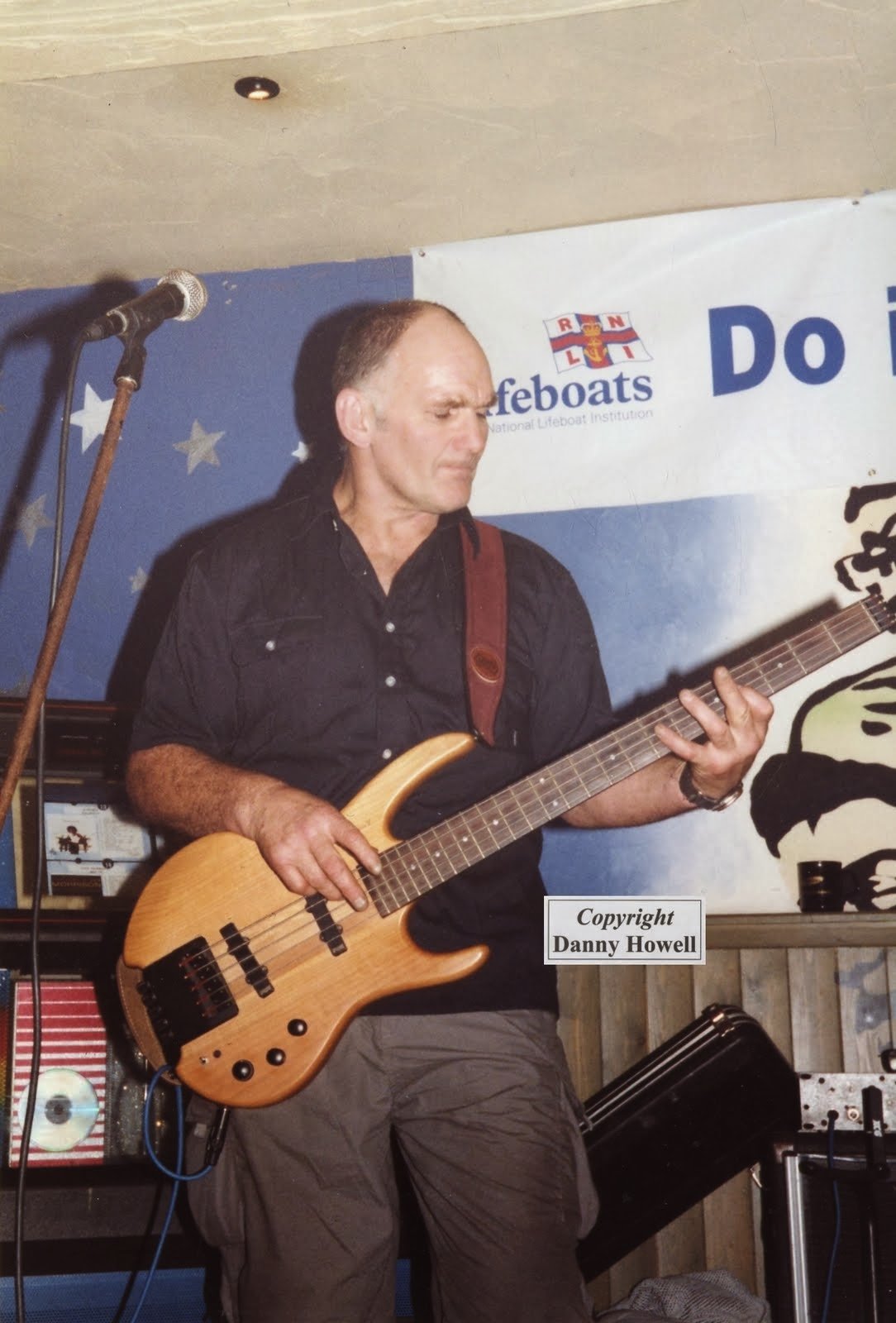
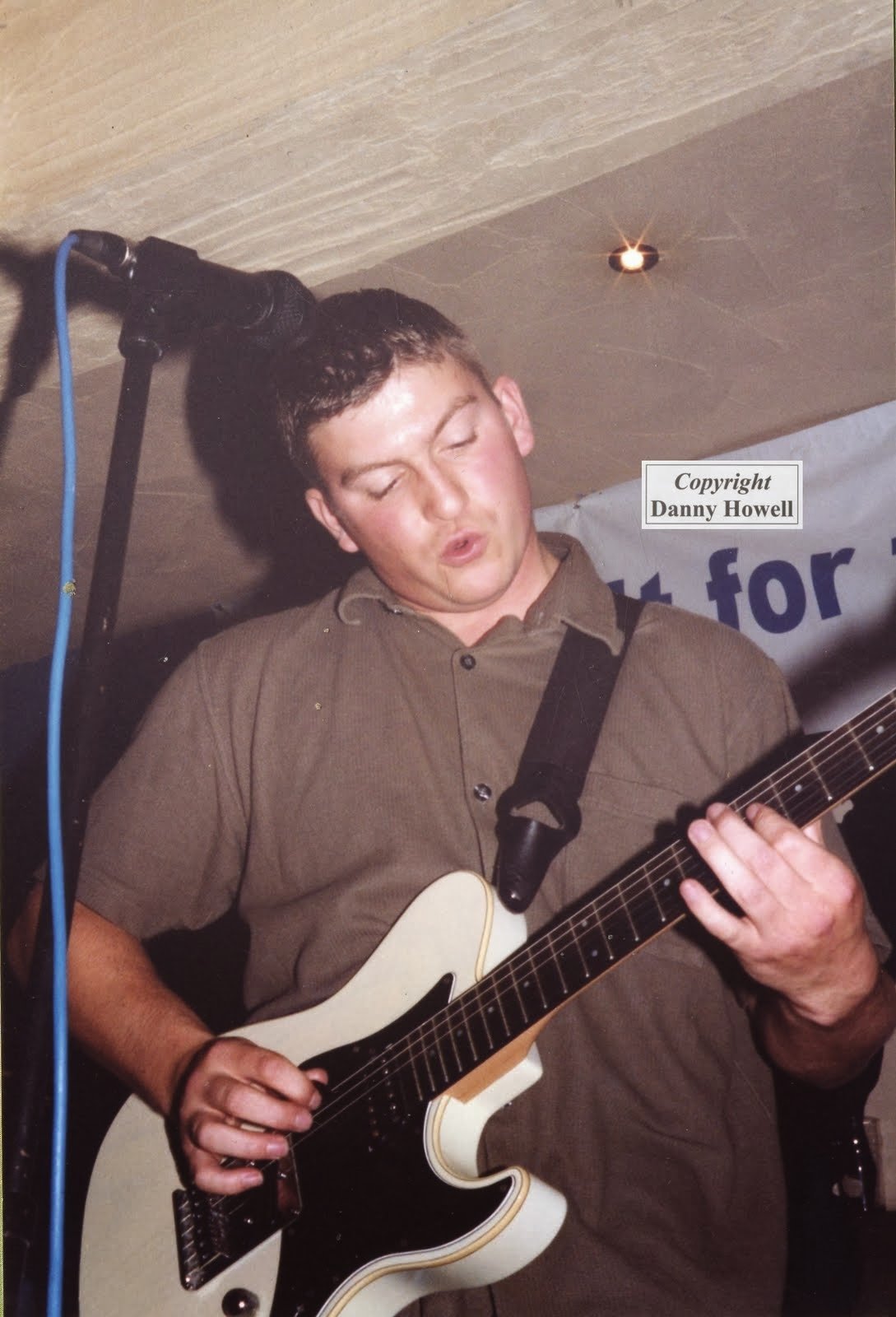
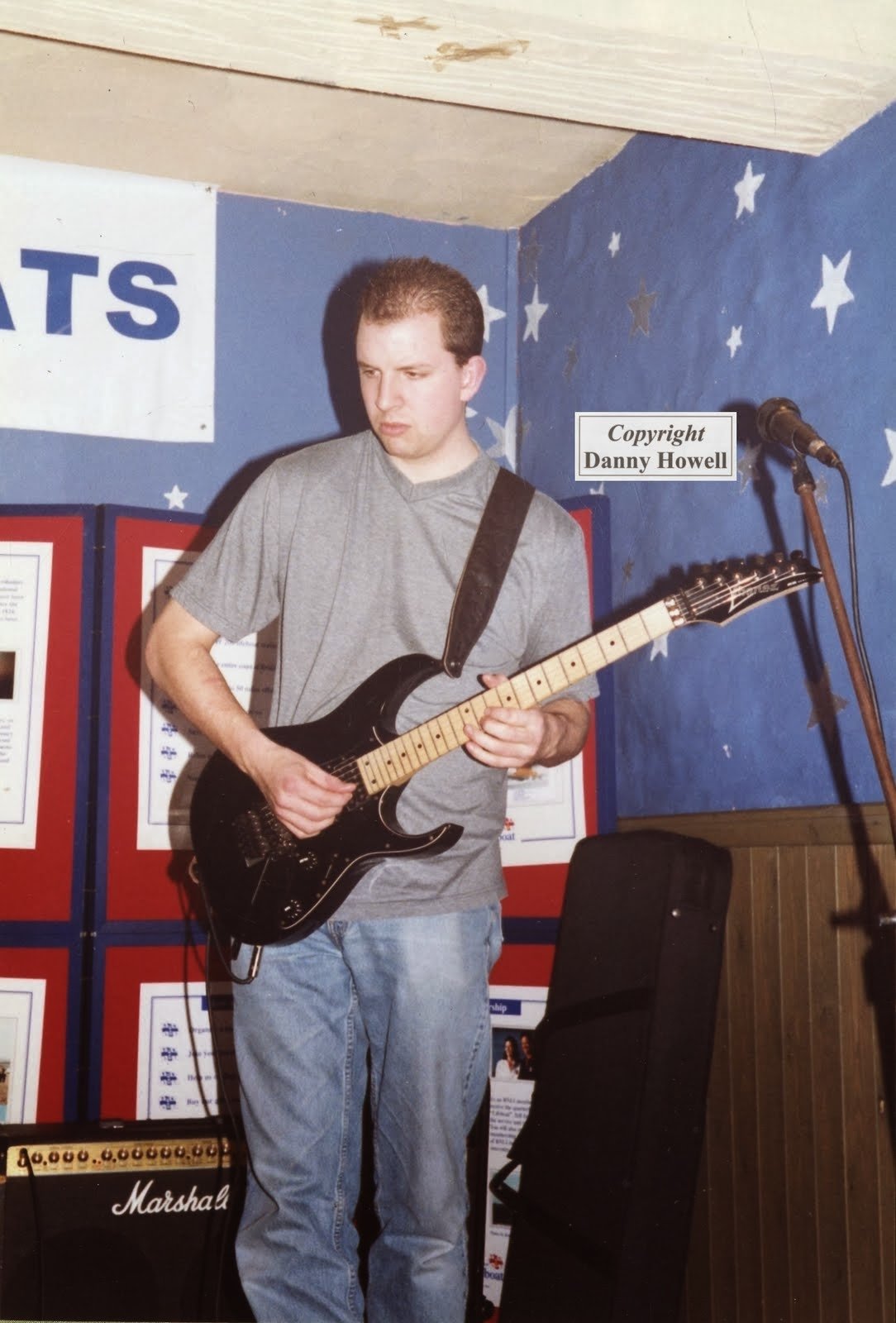
The back bar at the Masons Arms, East Street, is named after the local group Fugley. These photographs show Fugley gigging at Fugleys after Warminster Carnival on Saturday 27th October 2001.

Butch Gray on bass guitar.

Ben Whelan, vocals and guitar.

Chris Godwin on drums.

Richard Secker, guitar.

The photographs were taken by Danny Howell.

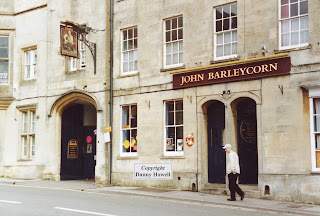
The John Barleycorn, Warminster

Sunday 21st October 2001

The John Barleycorn public house at
Weymouth Street, Warminster,
pictured on Sunday 21st October 2001.
The photograph was taken by Danny Howell.

The John Barleycorn opened in June 1987
after the former pub here, the King Arthur, closed
during the previous March.

Landlord Nick Strong has made several improvements
and the Route 66 Bar at the rear
is now a popular venue.

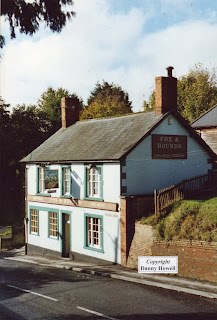
The Fox And Hounds On Boot Hill

Saturday 20th October 2001

The Fox And Hounds public house on Boot Hill
at Deverill Road, Warminster.

The photograph was taken by Danny Howell
on Saturday 20th October 2001.

The current landlord is Gary Searle.

Previous landlords have included
William Bush, Edwin James Blackmore,
Frederick Pollard, Nathaniel White, and W.C. Poore.

error: Content is protected !!