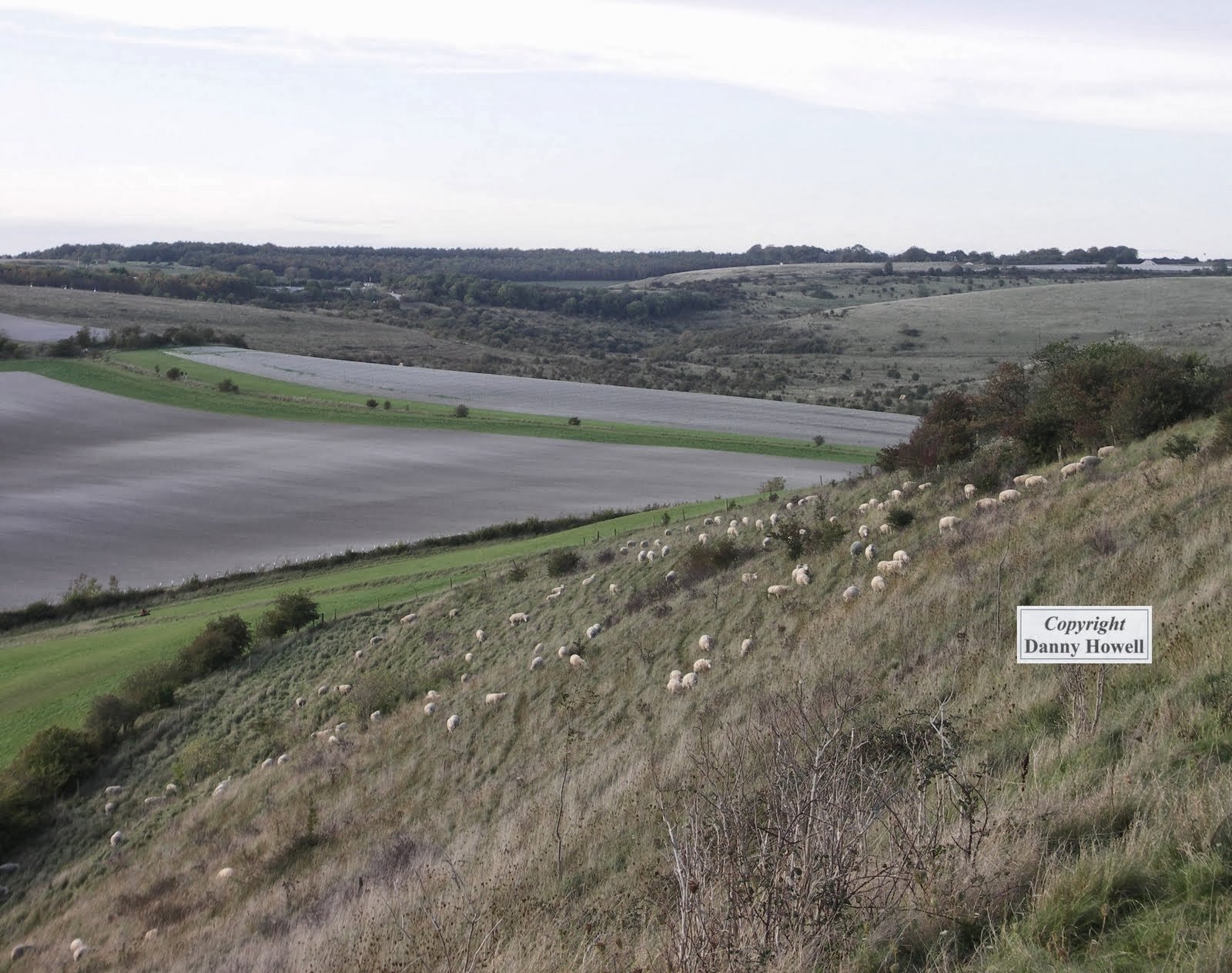
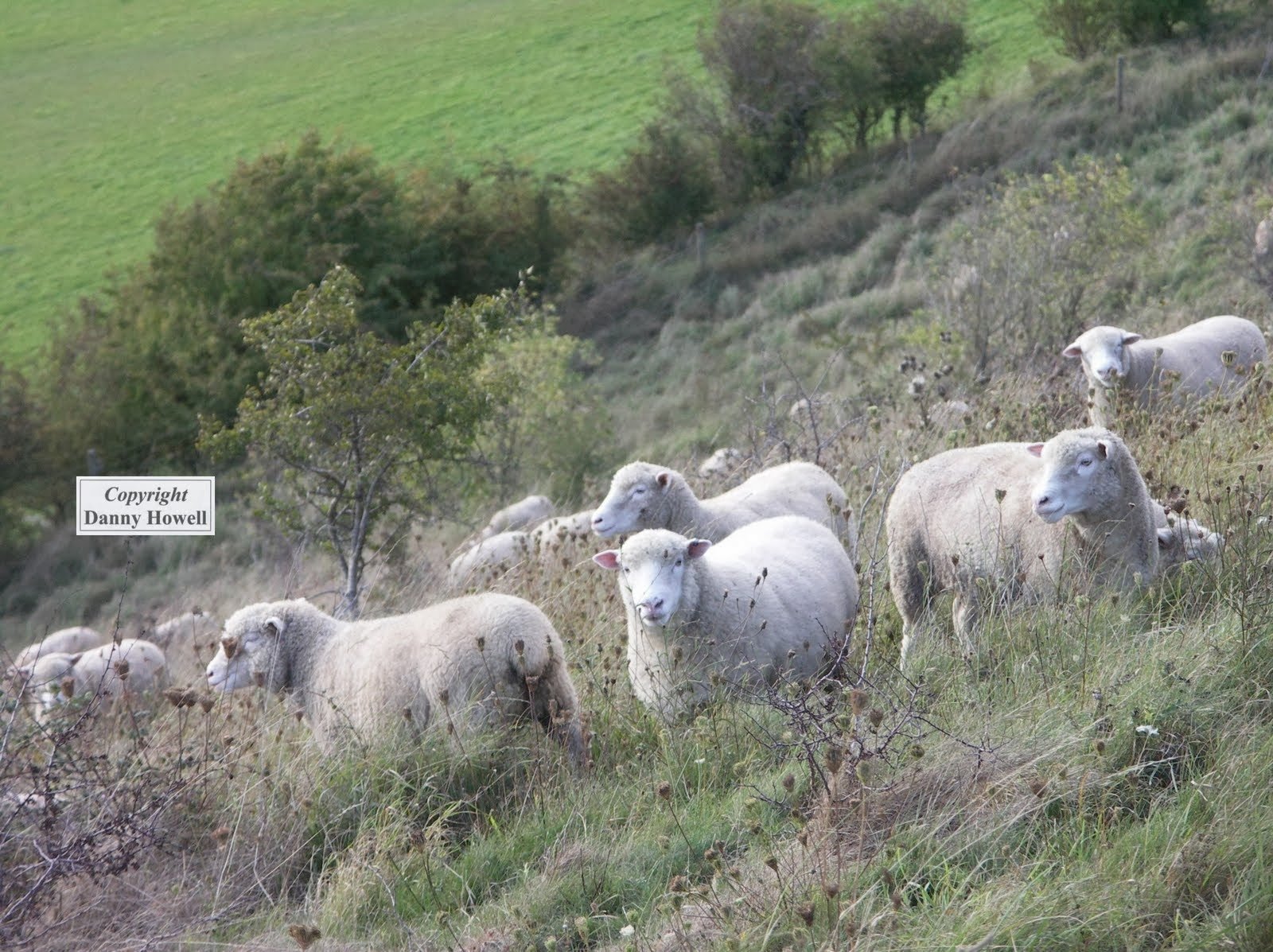
Sheep At Scratchbury

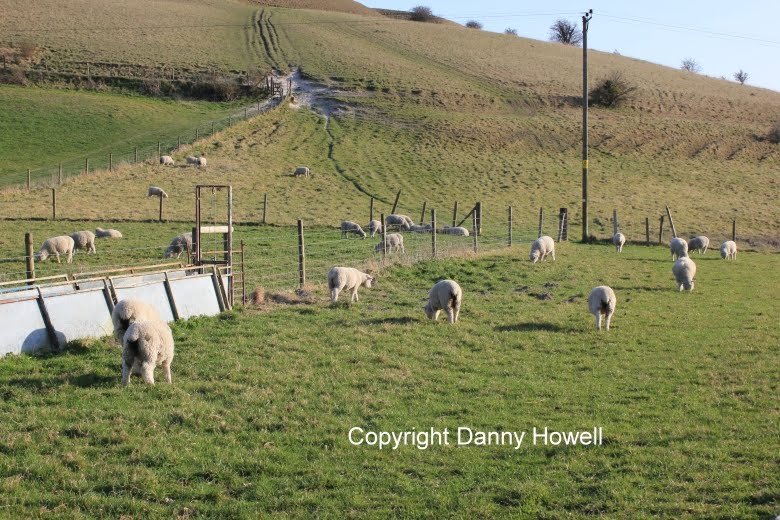
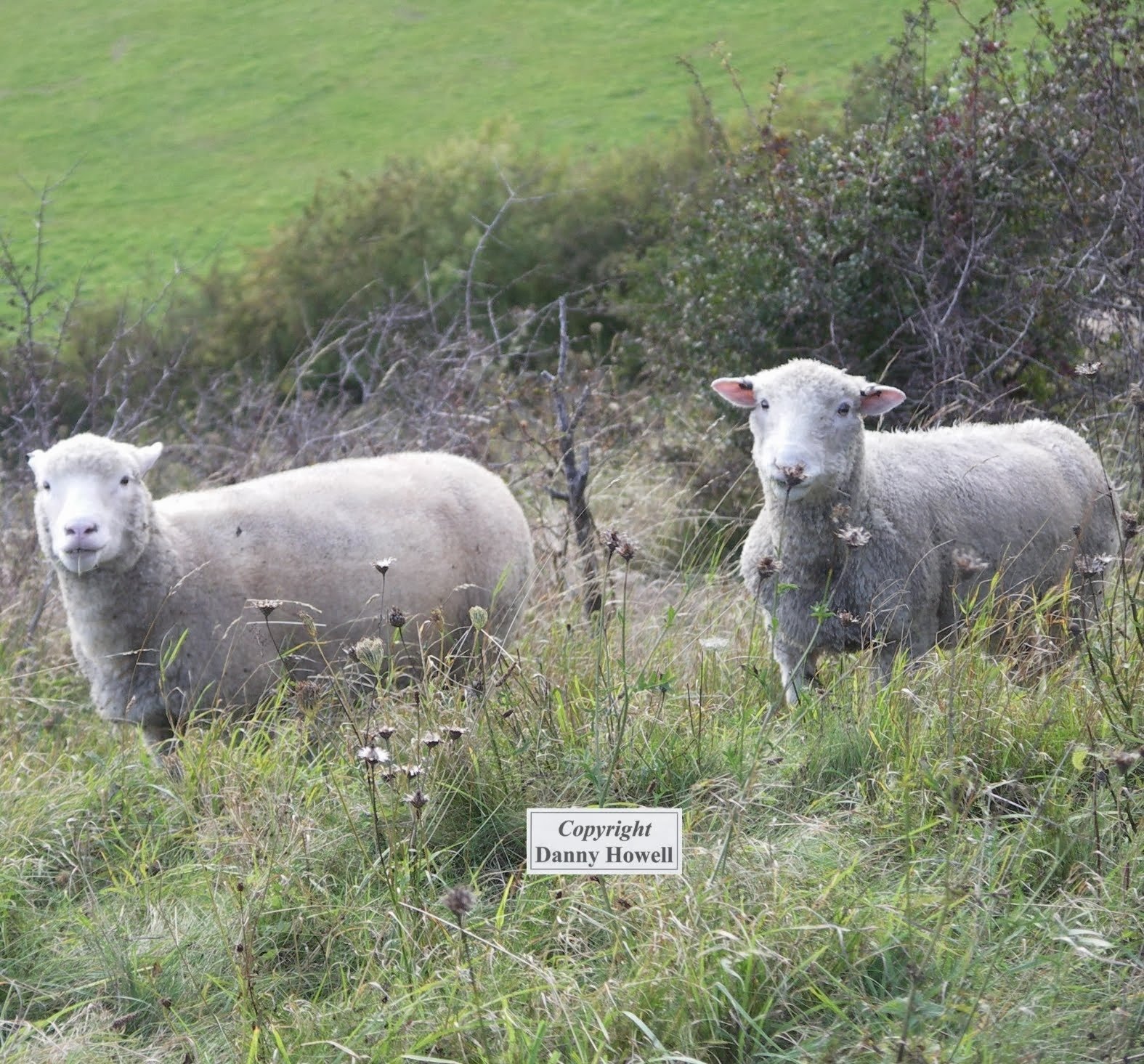
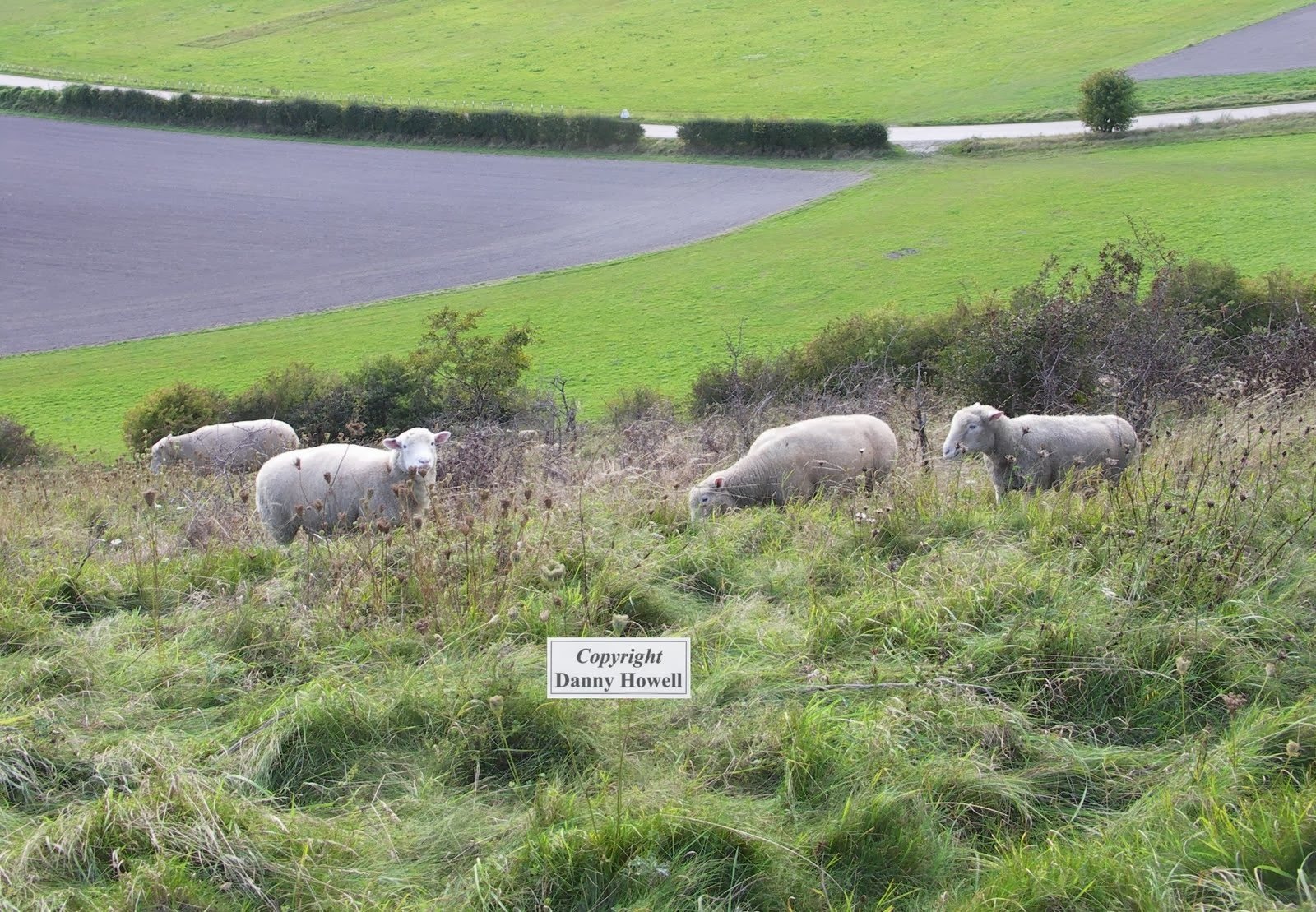
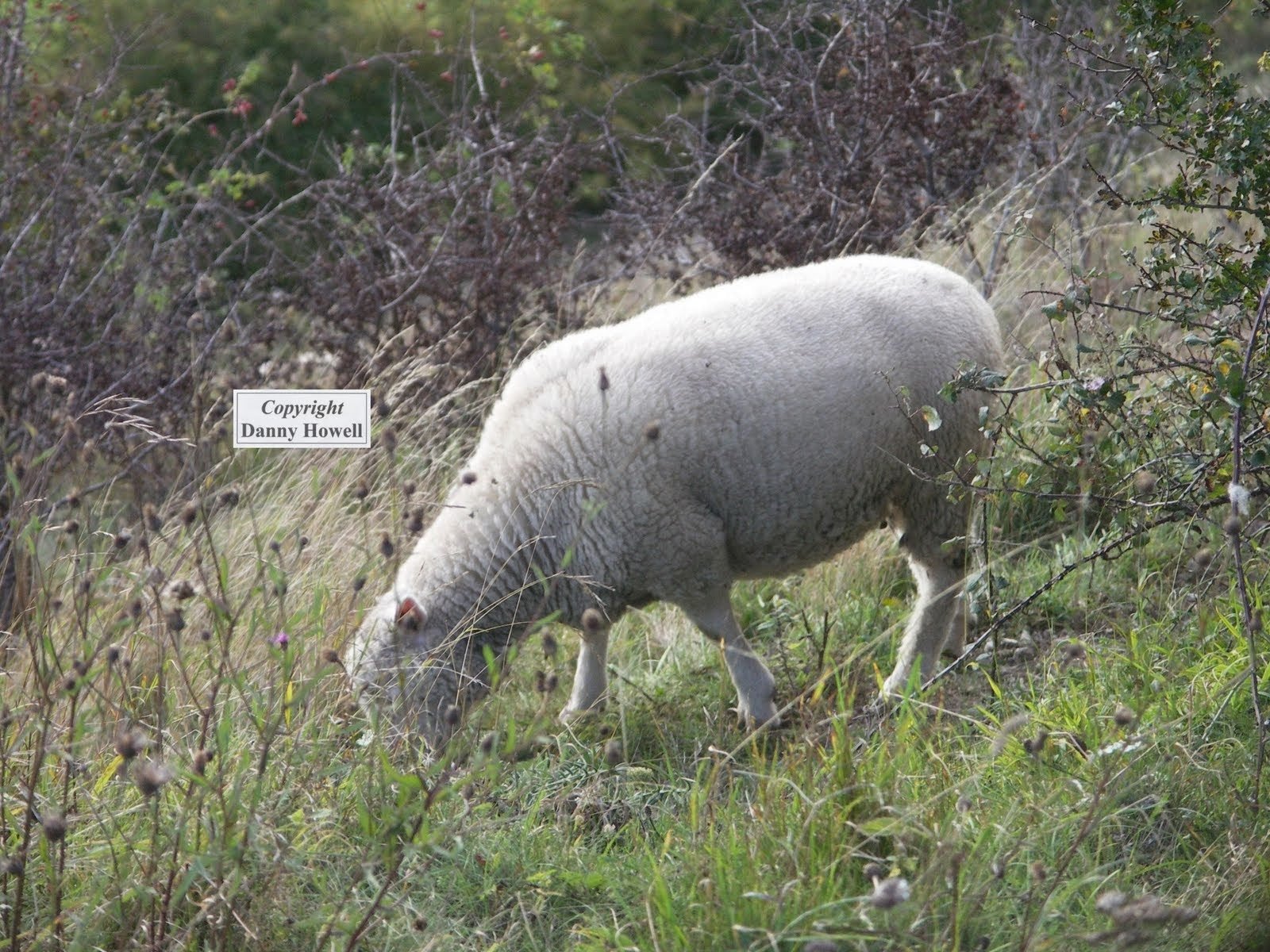
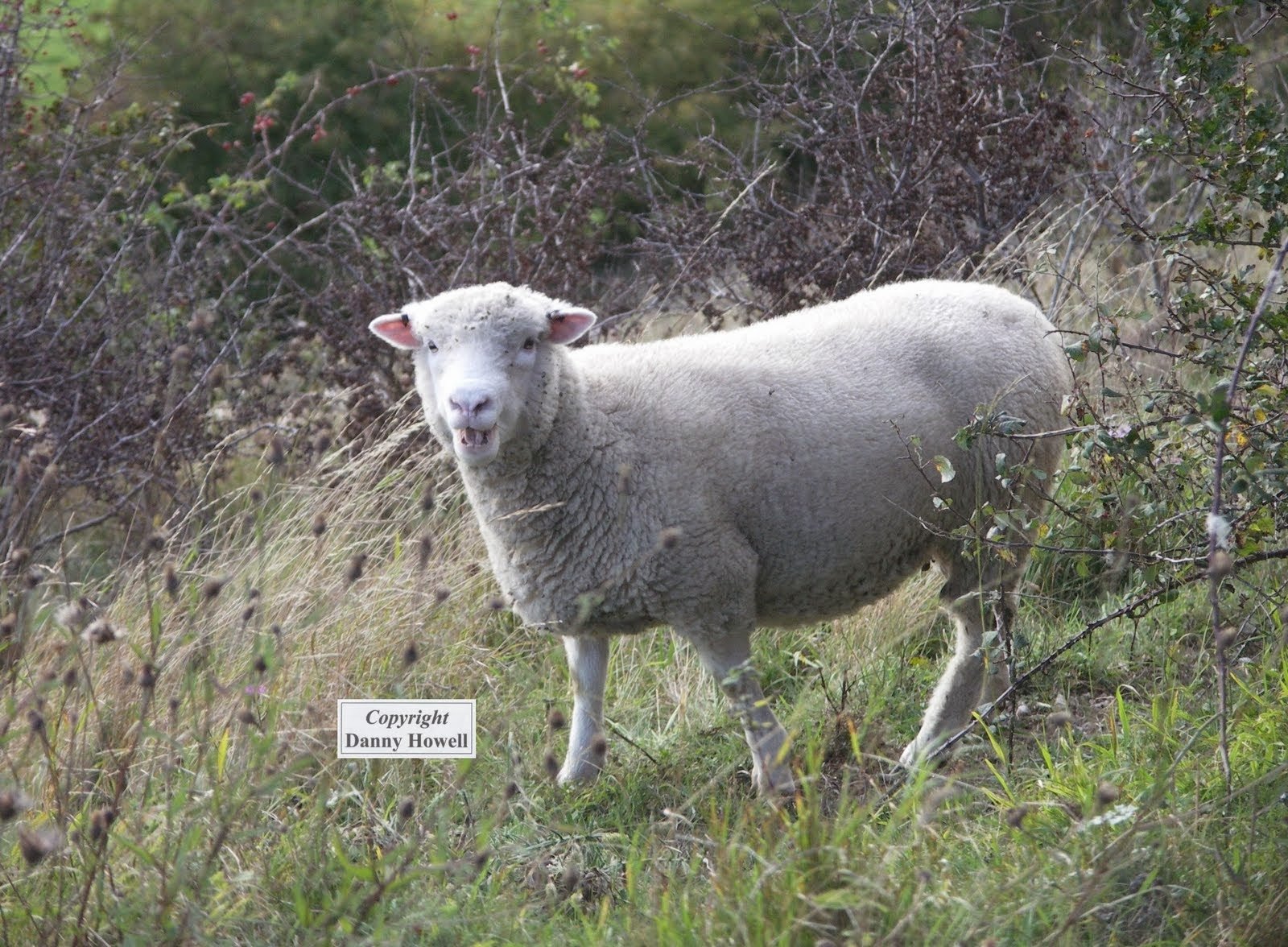
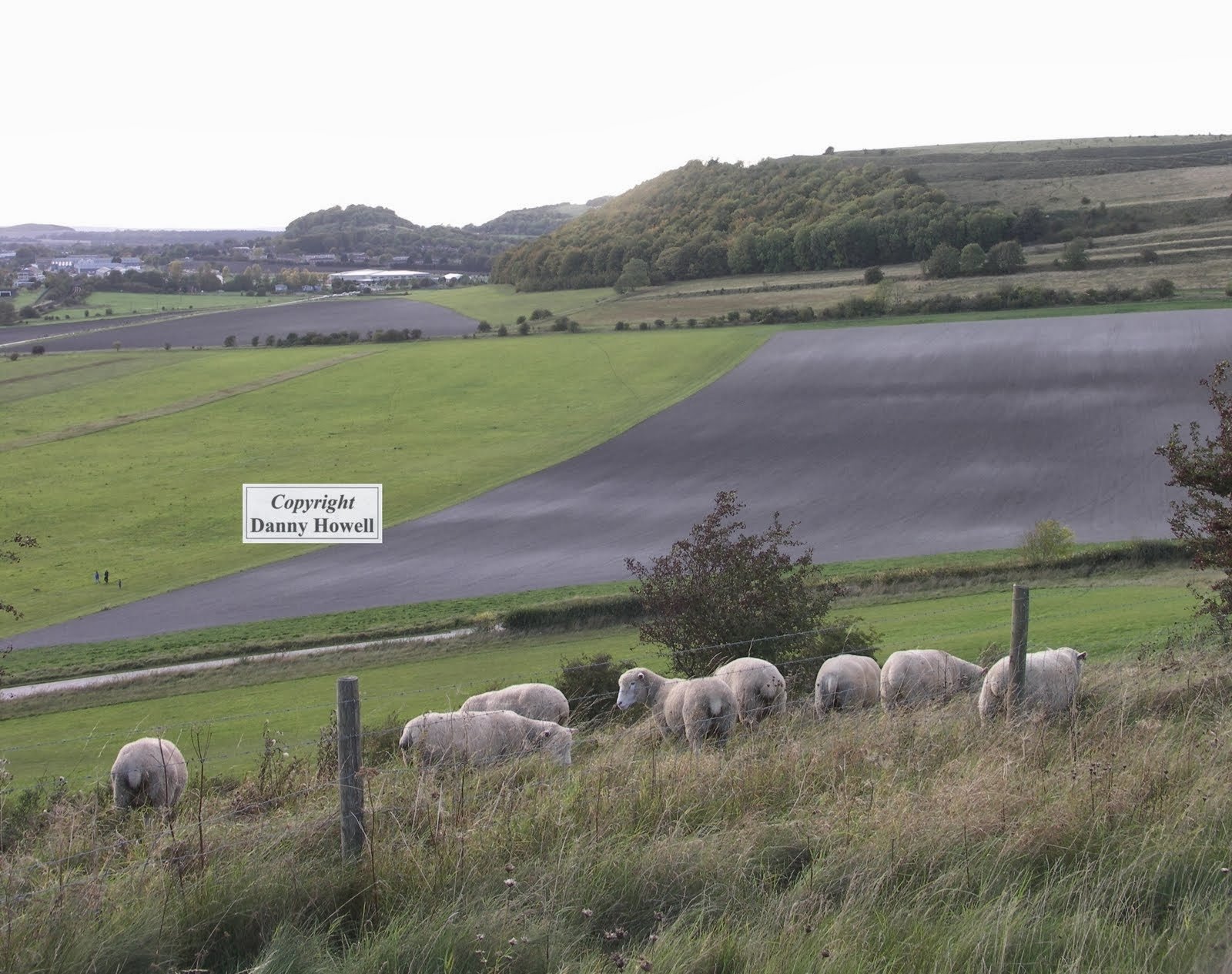
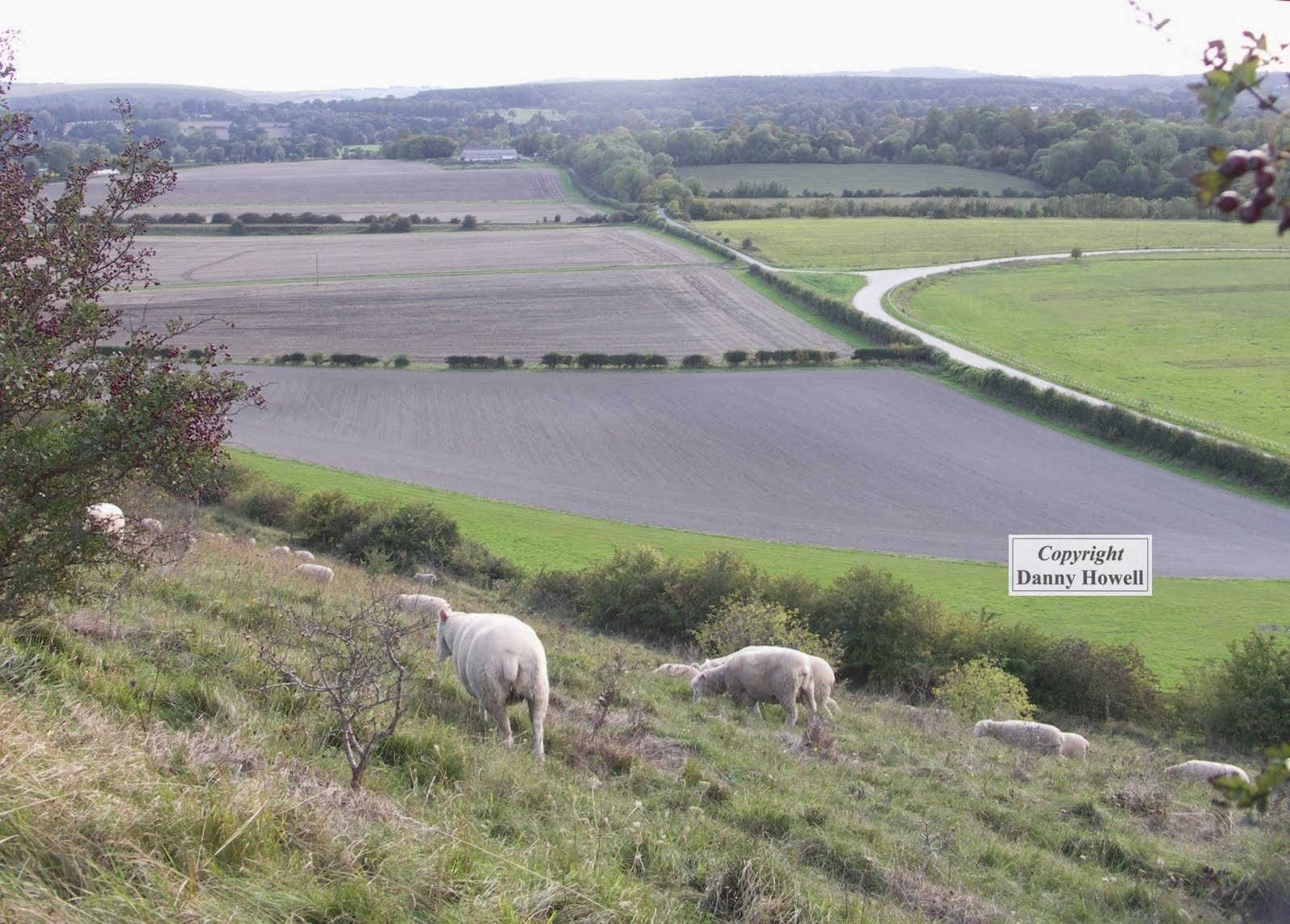
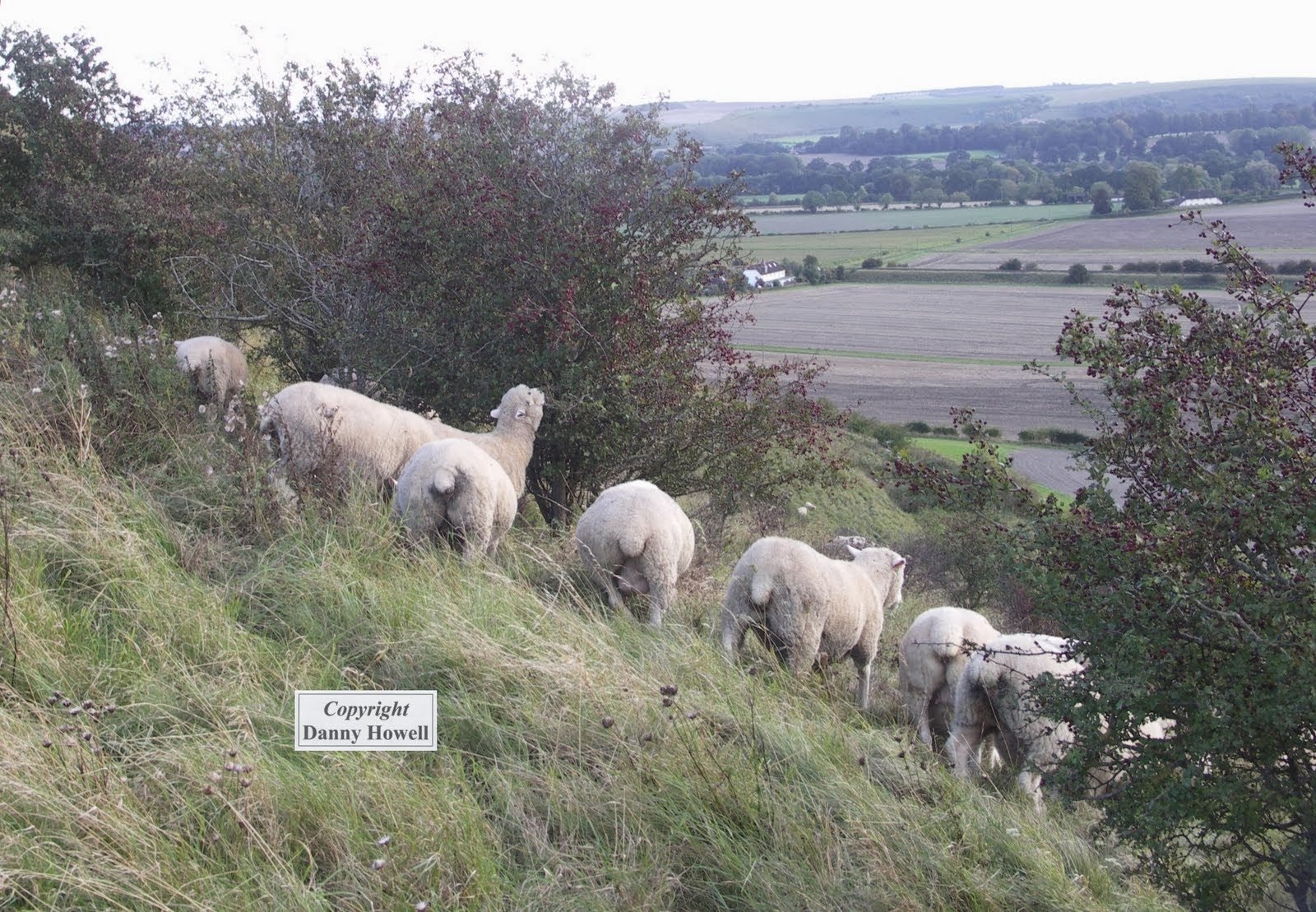
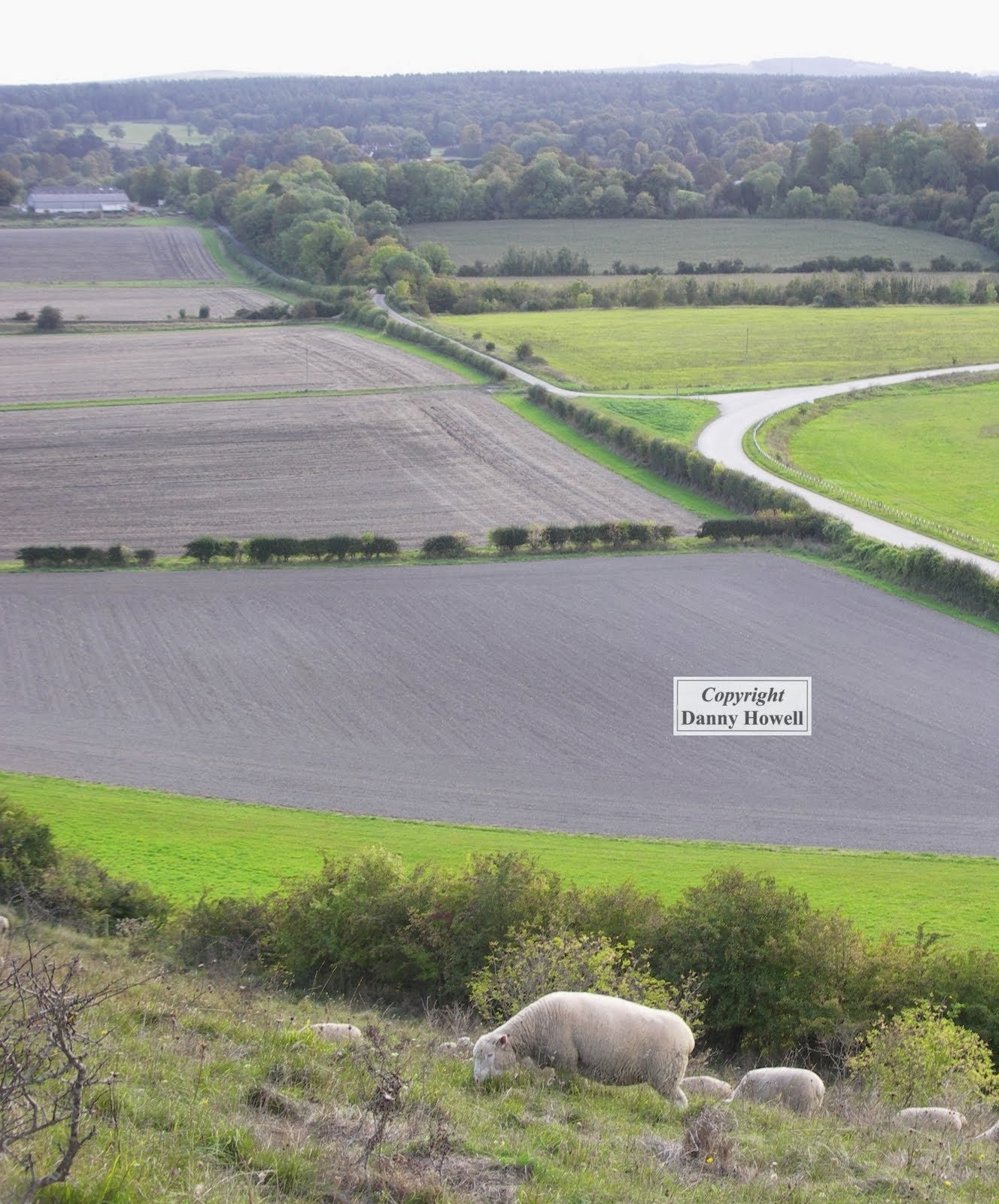
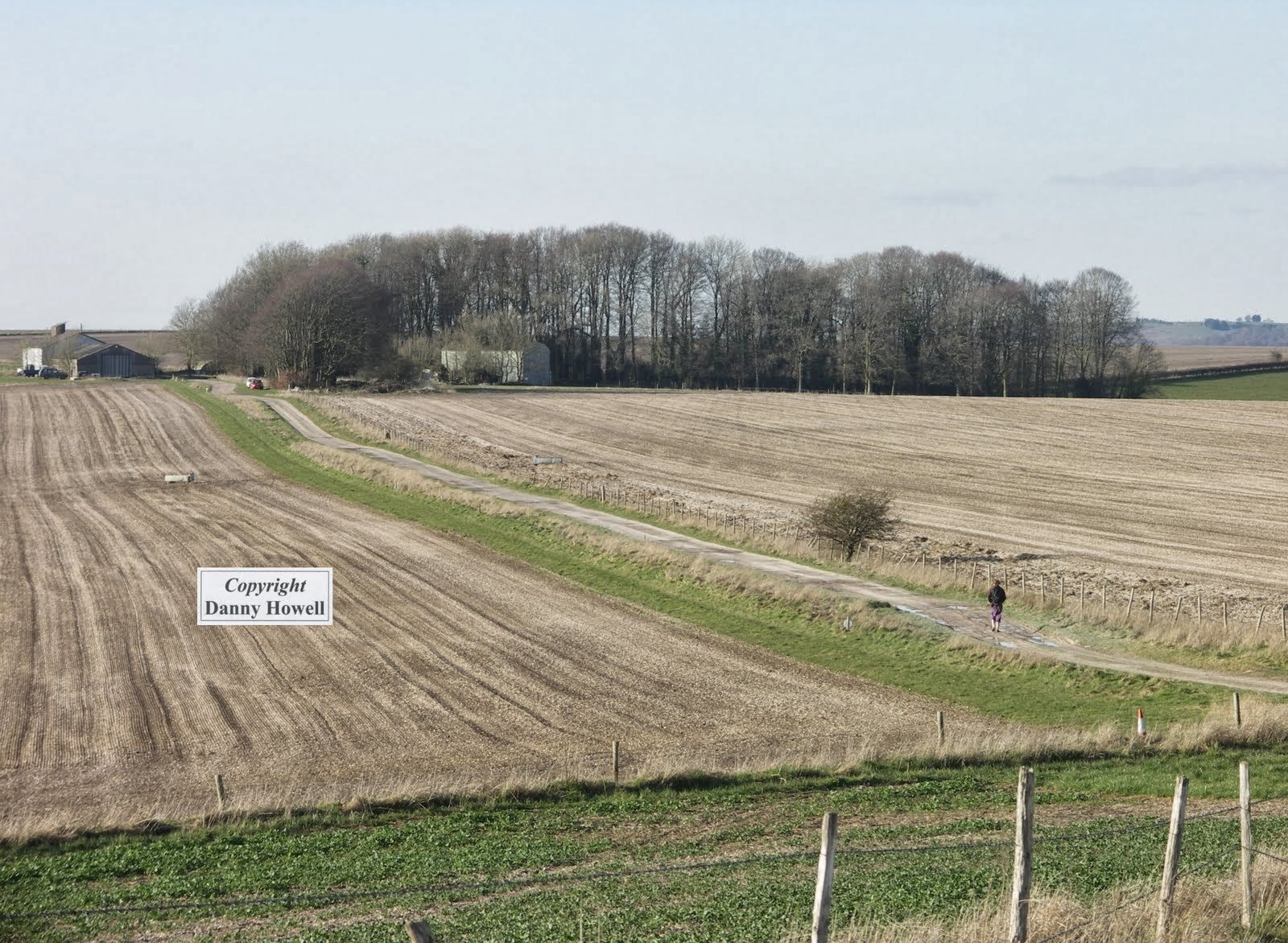
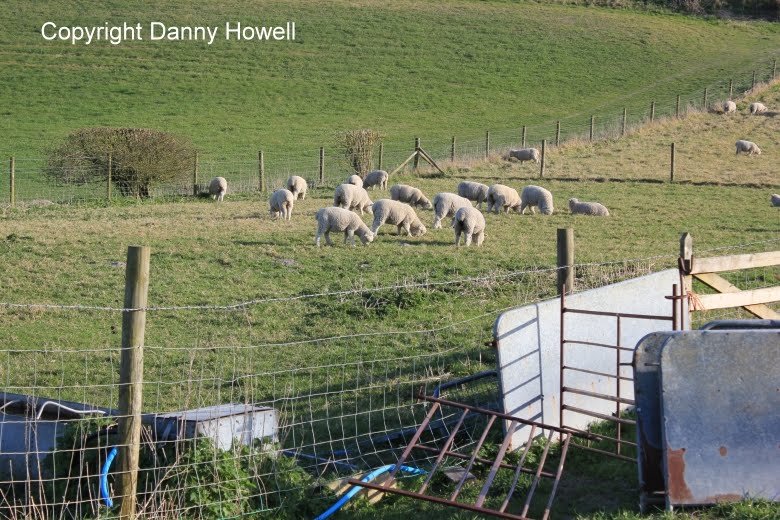
Sheep grazing in the lea of the north-west
corner of Scratchbury Hill,
at Norton Bavant, near where the road
to North Farm turns the corner opposite
the eastern gateway to Middle Hill.

The photographs were taken by Danny Howell
on the afternoon of Thursday 29th March 2012.

The photographs were taken by Danny Howell
on the afternoon of Thursday 29th March 2012.

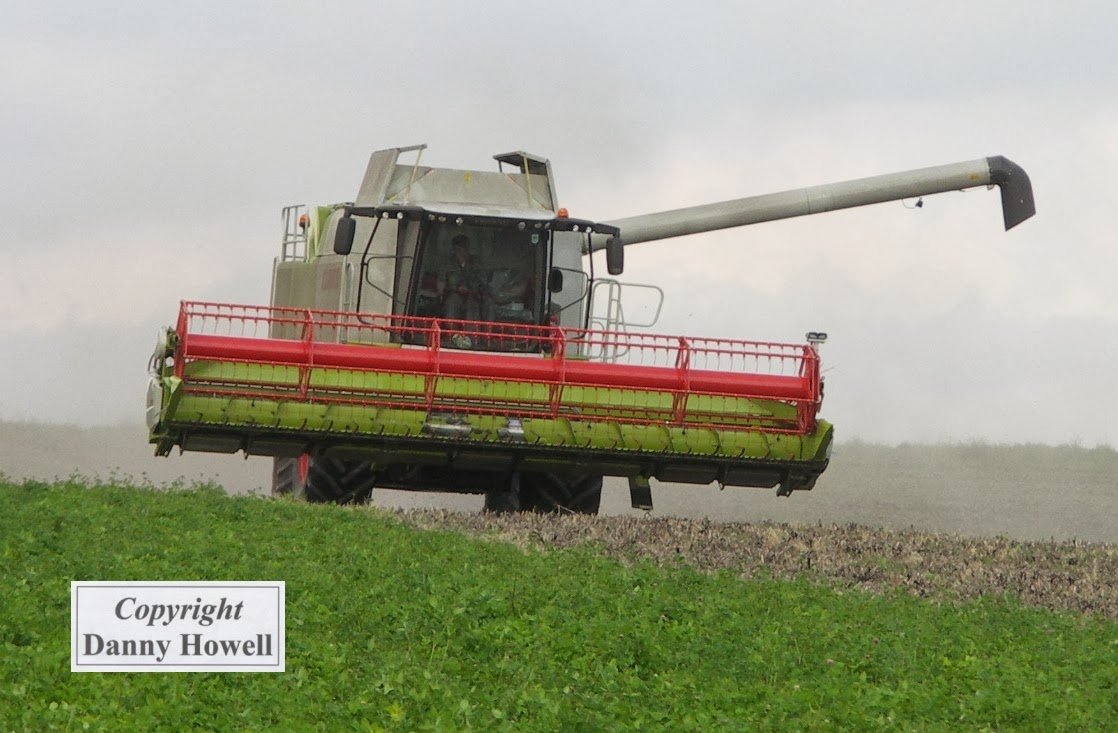
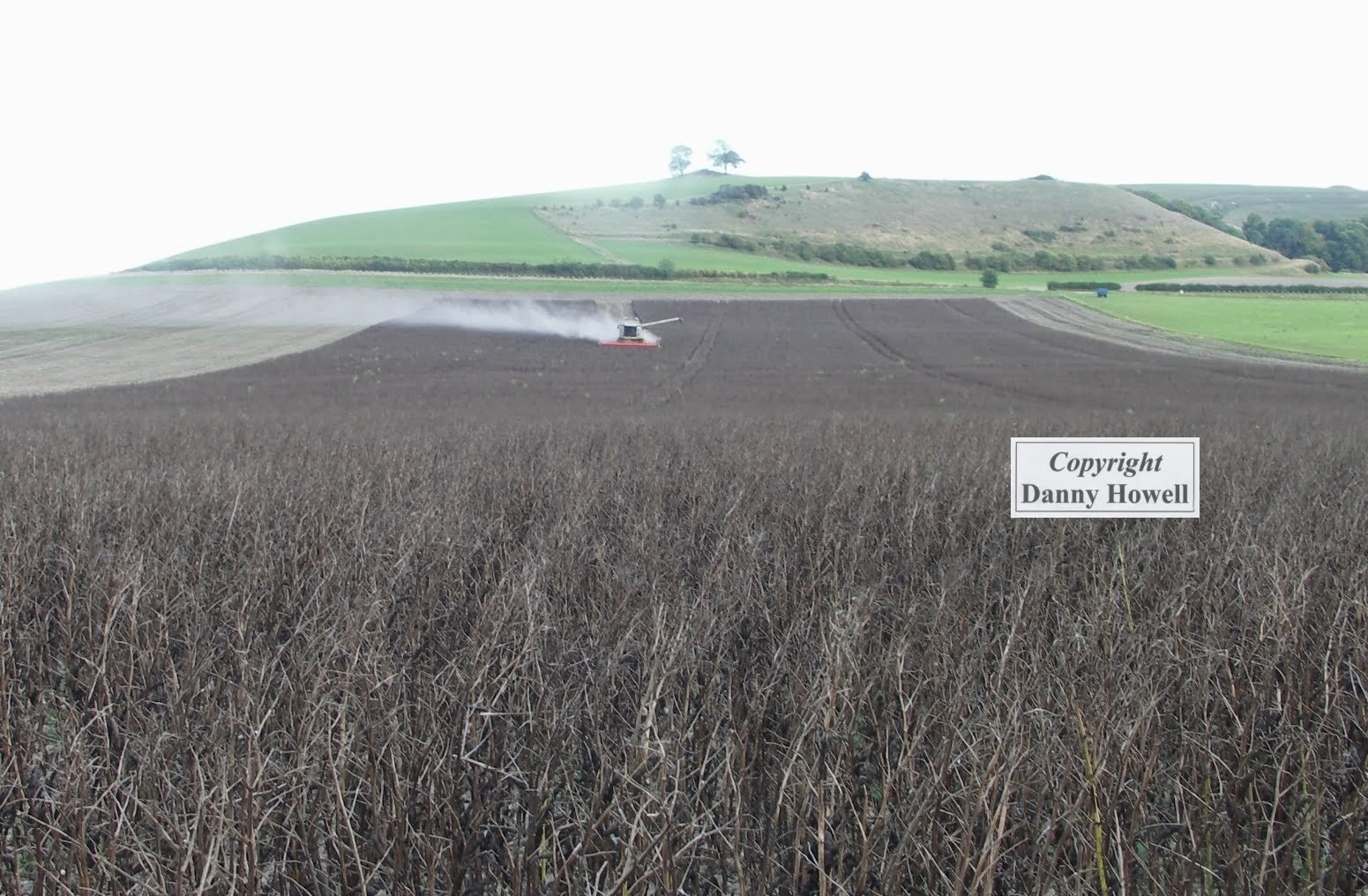
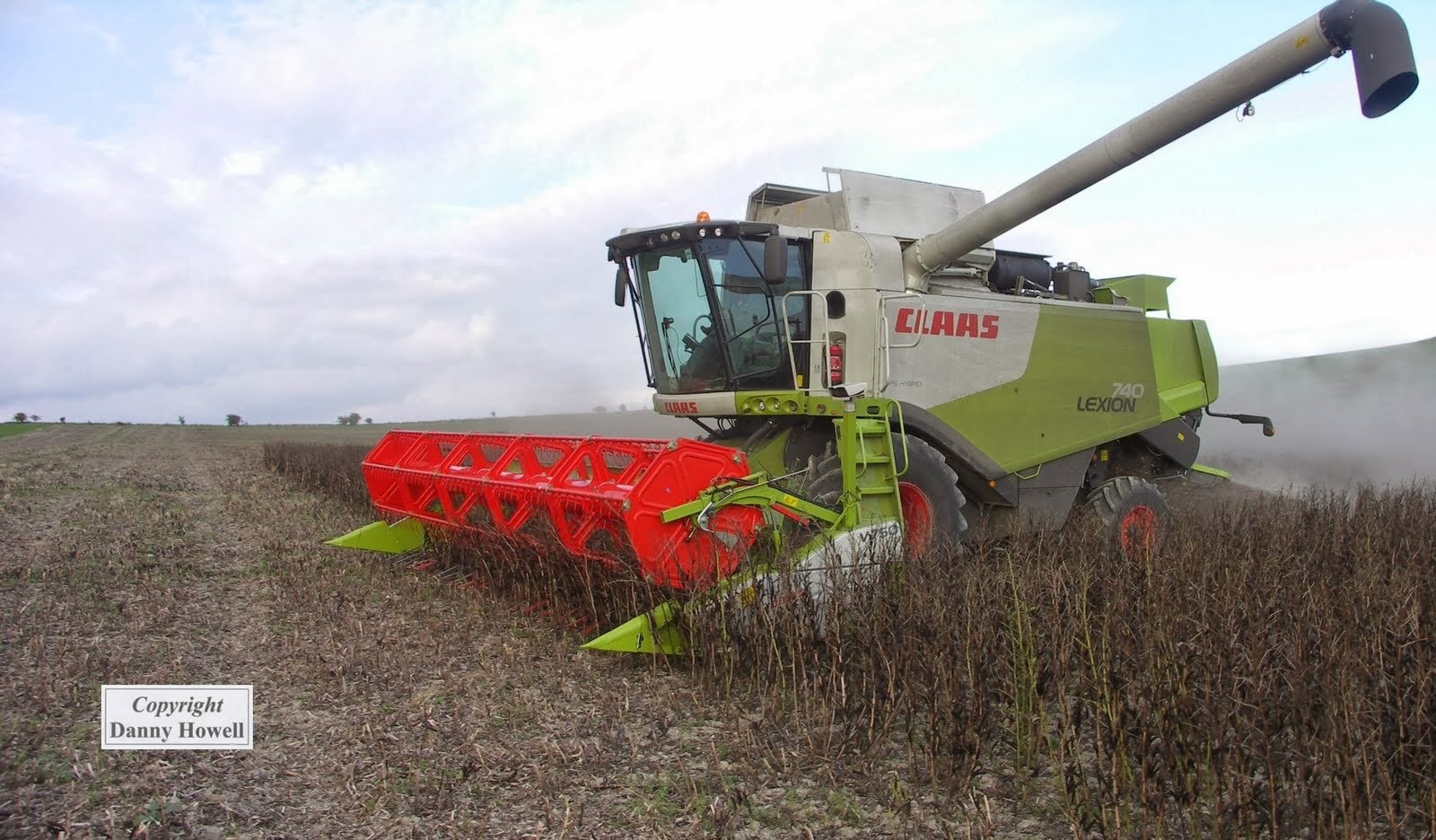
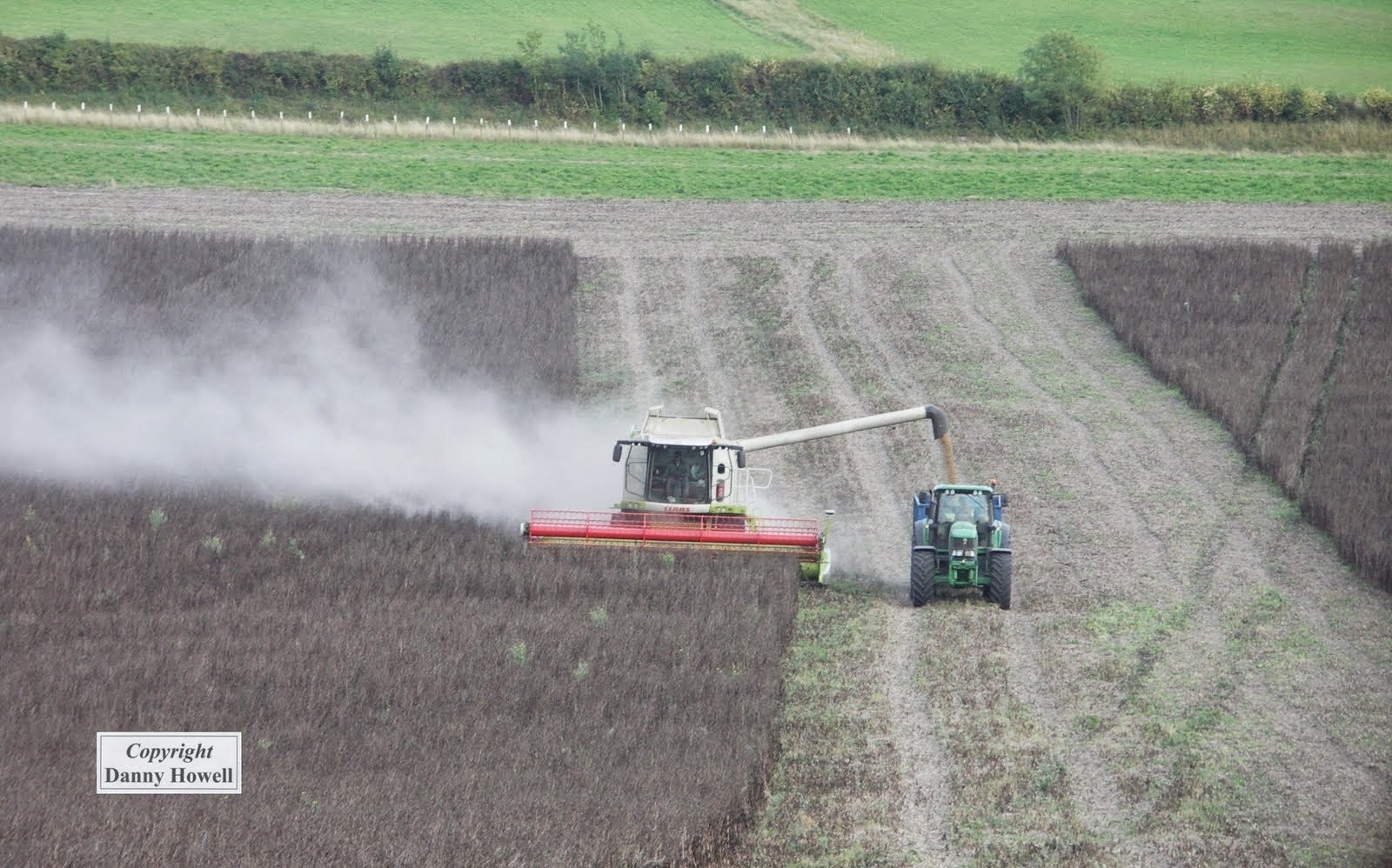
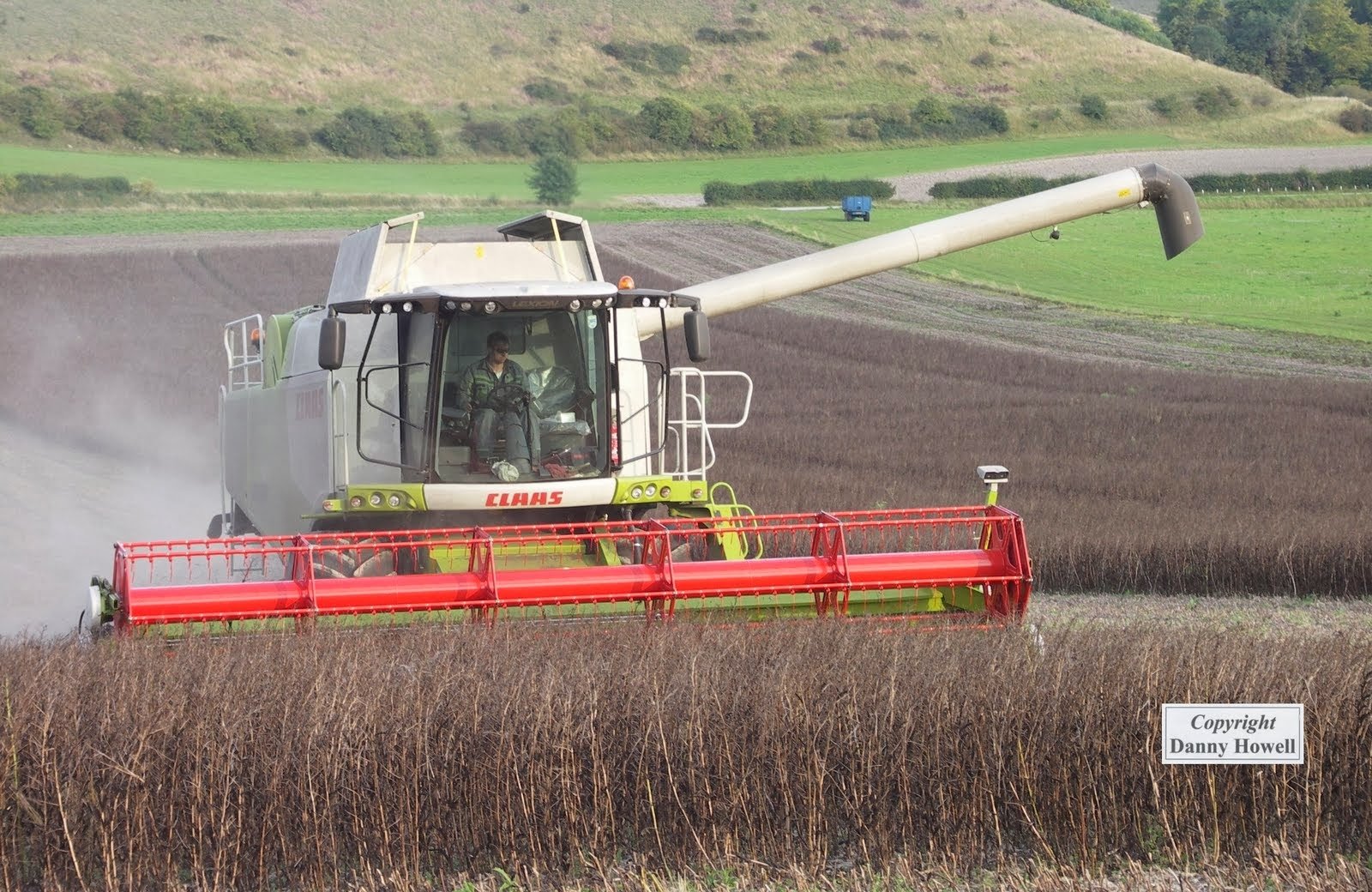
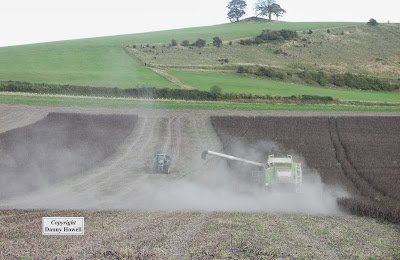
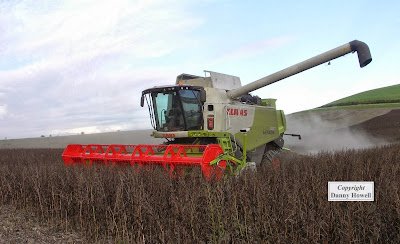
Harvesting Field Beans At Bishopstrow Farm

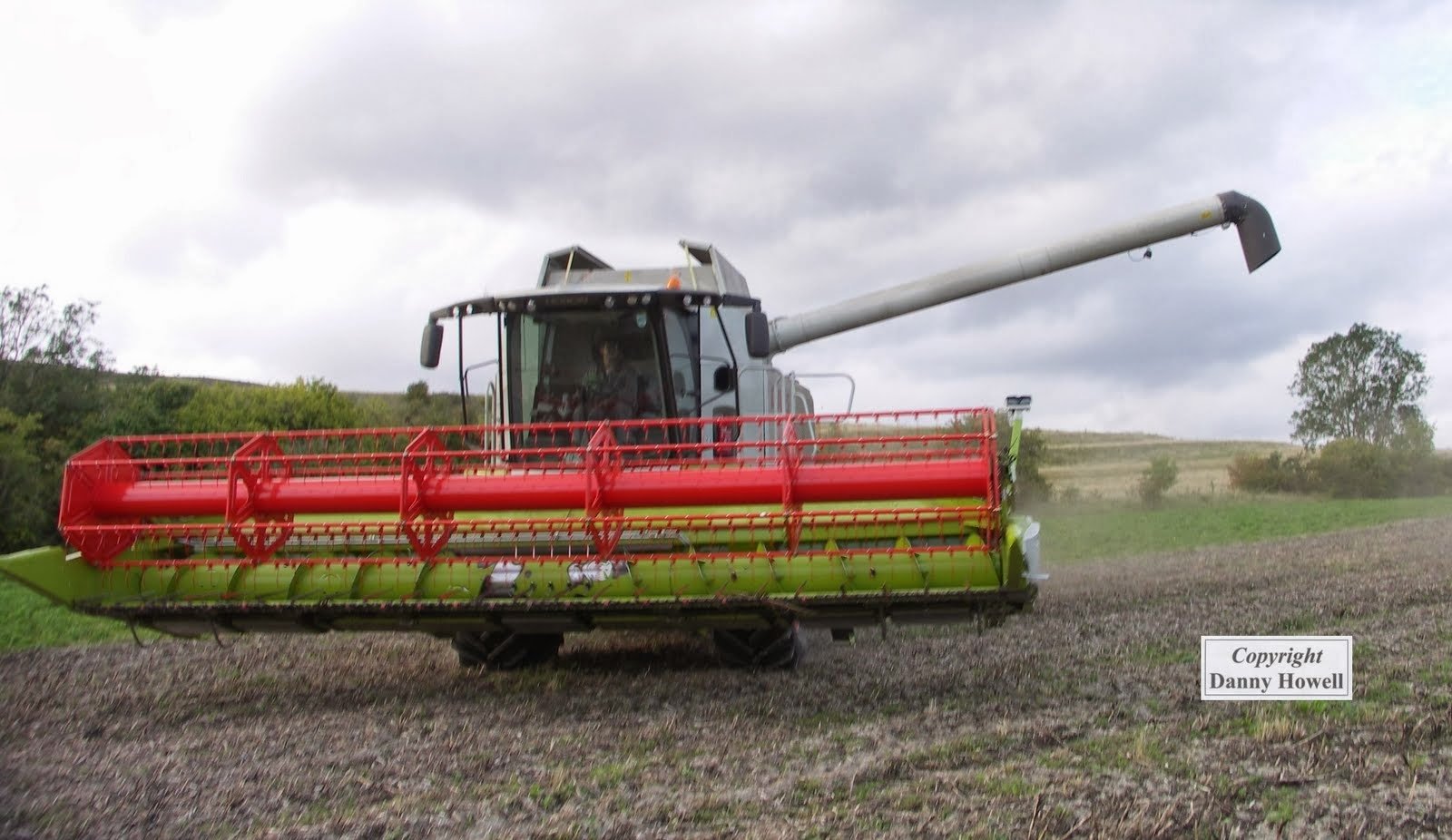
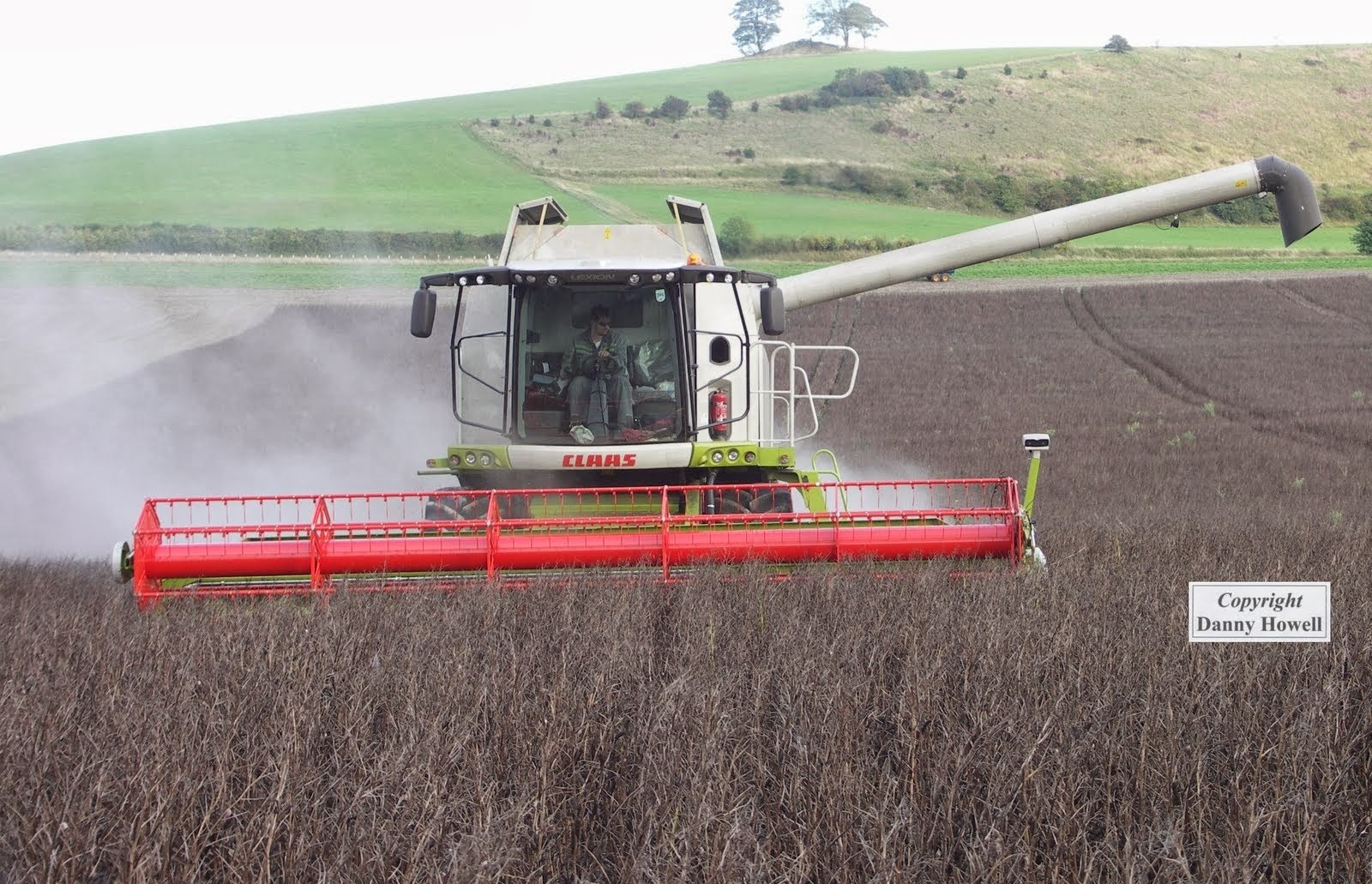
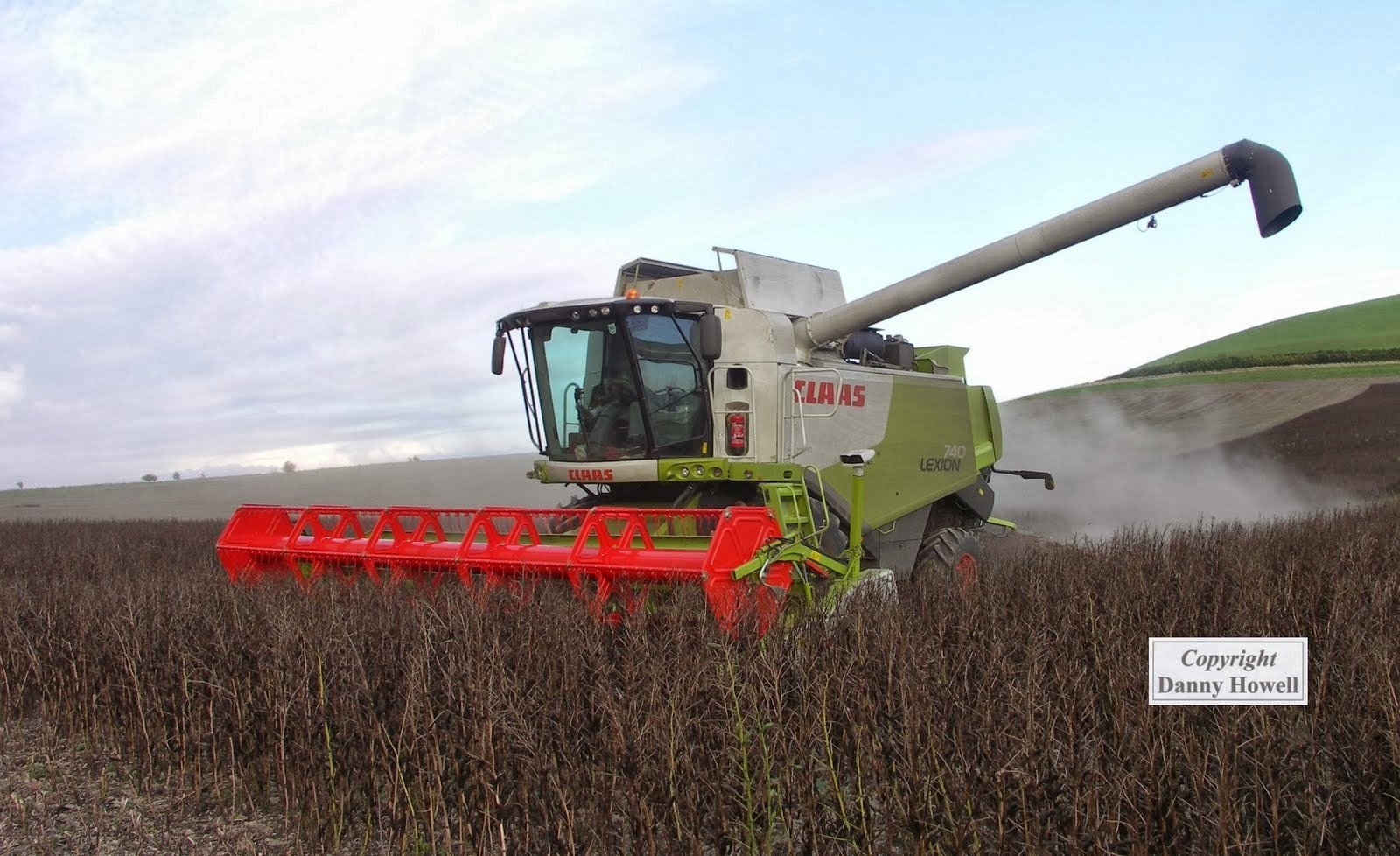
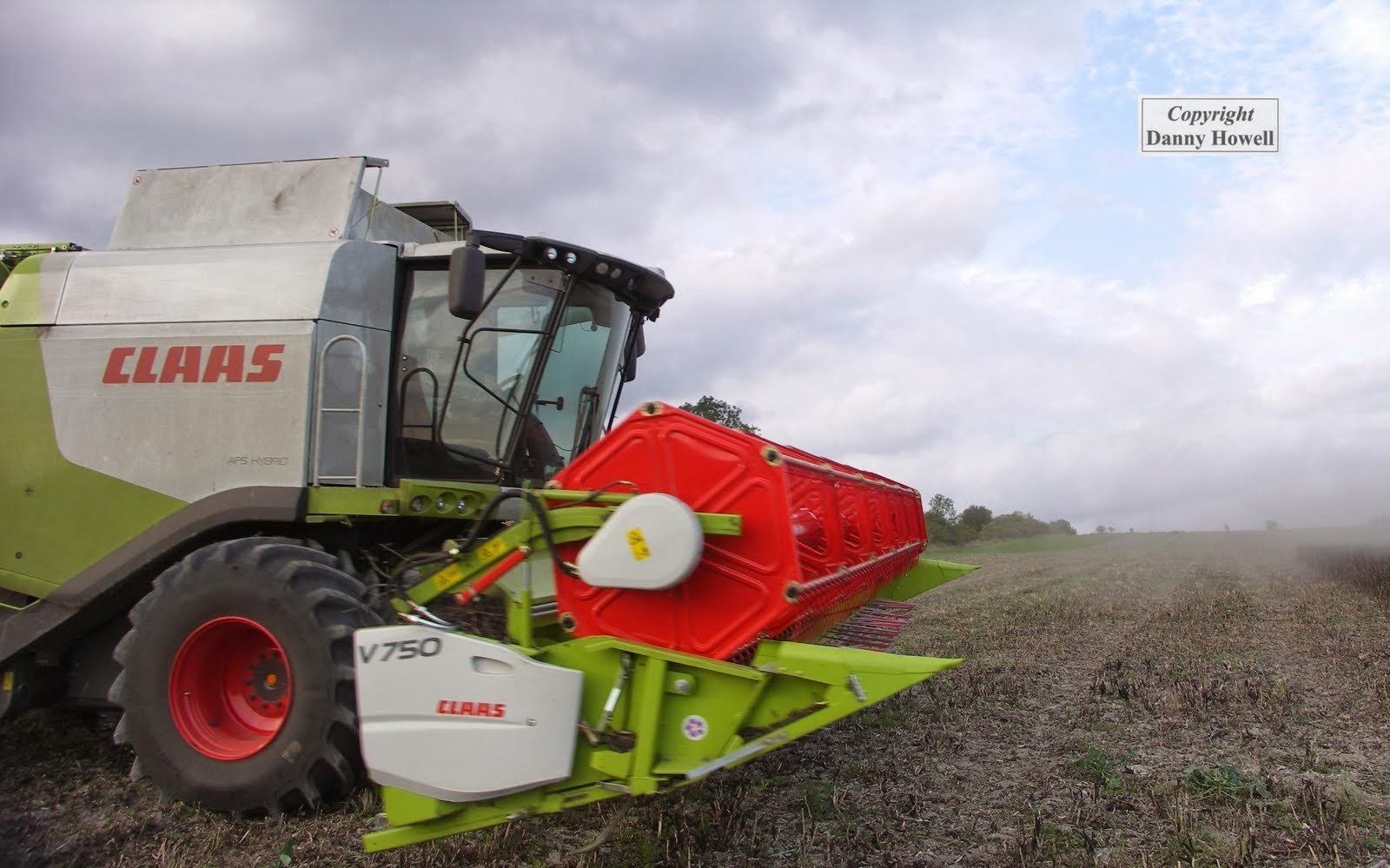
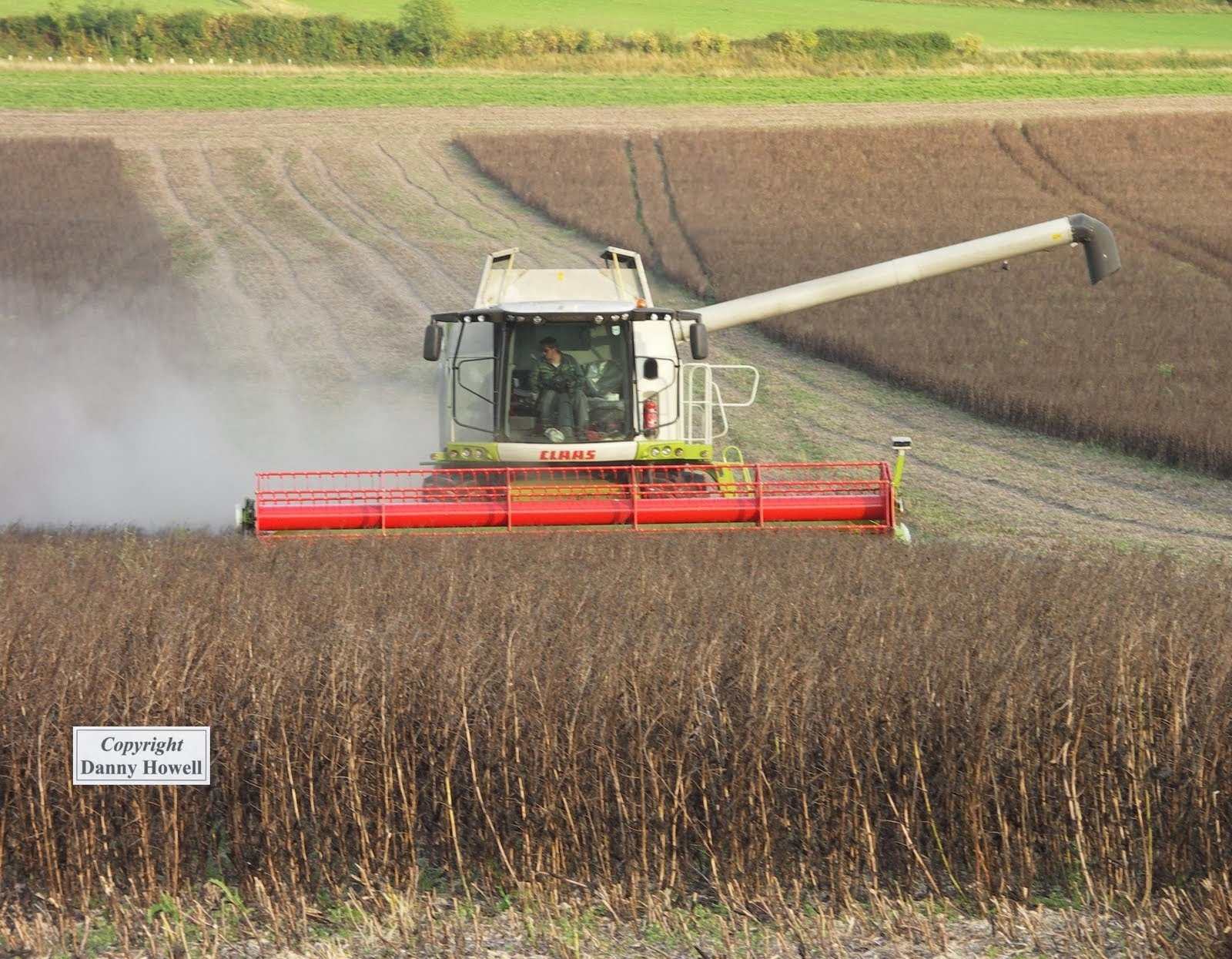
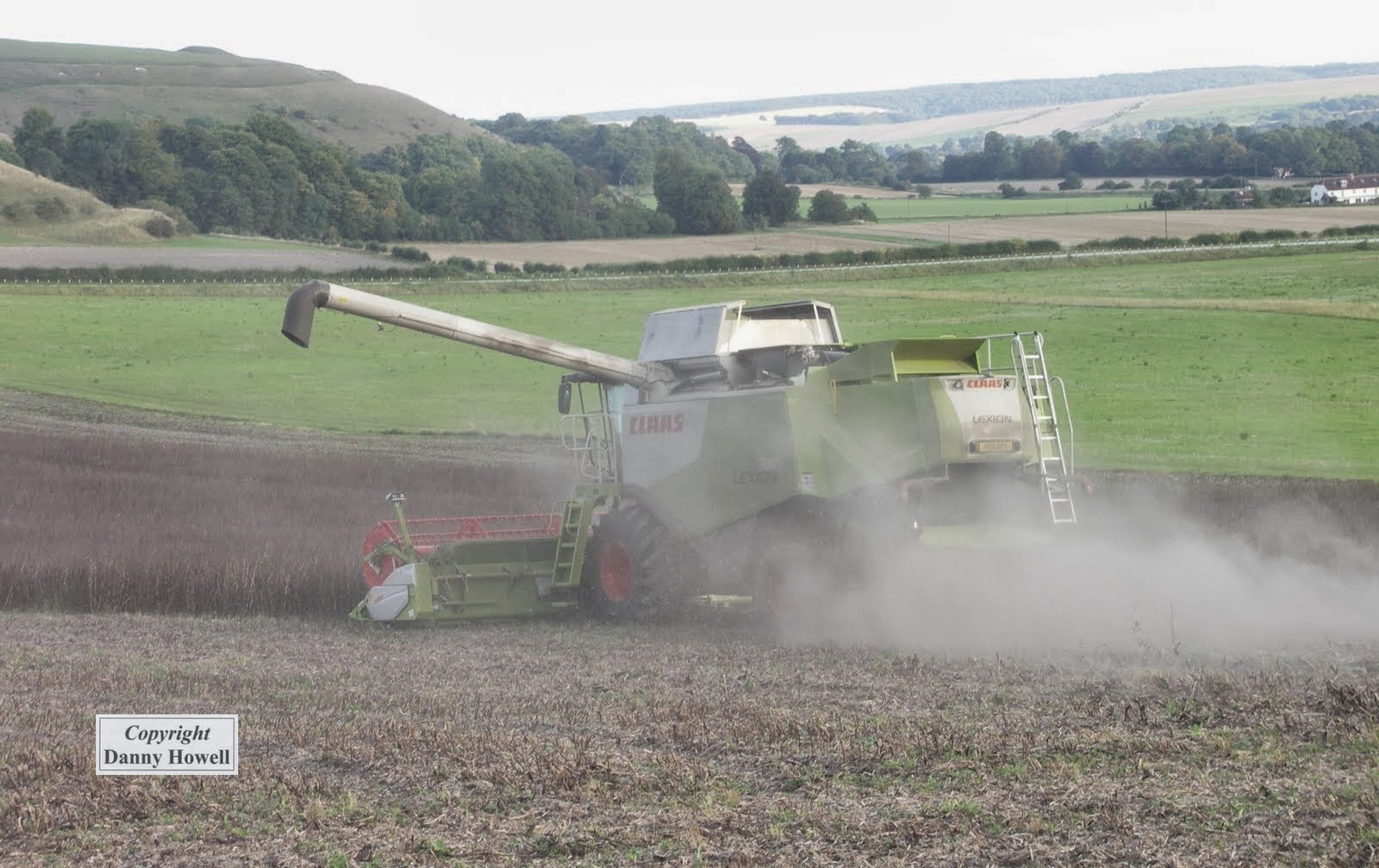
Peter Rice driving a Class Lexicon combine, 
harvesting field beans in the top part
of the ’70 Acres’ field 
at Bishopstrow Farm, Bishopstrow,
during the evening of
Friday 2nd September 2011:

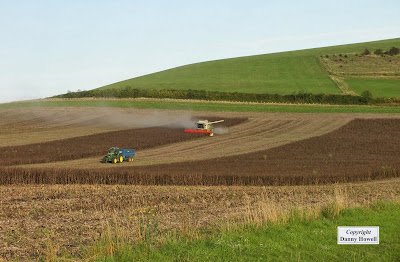
The combine turns on the headland.

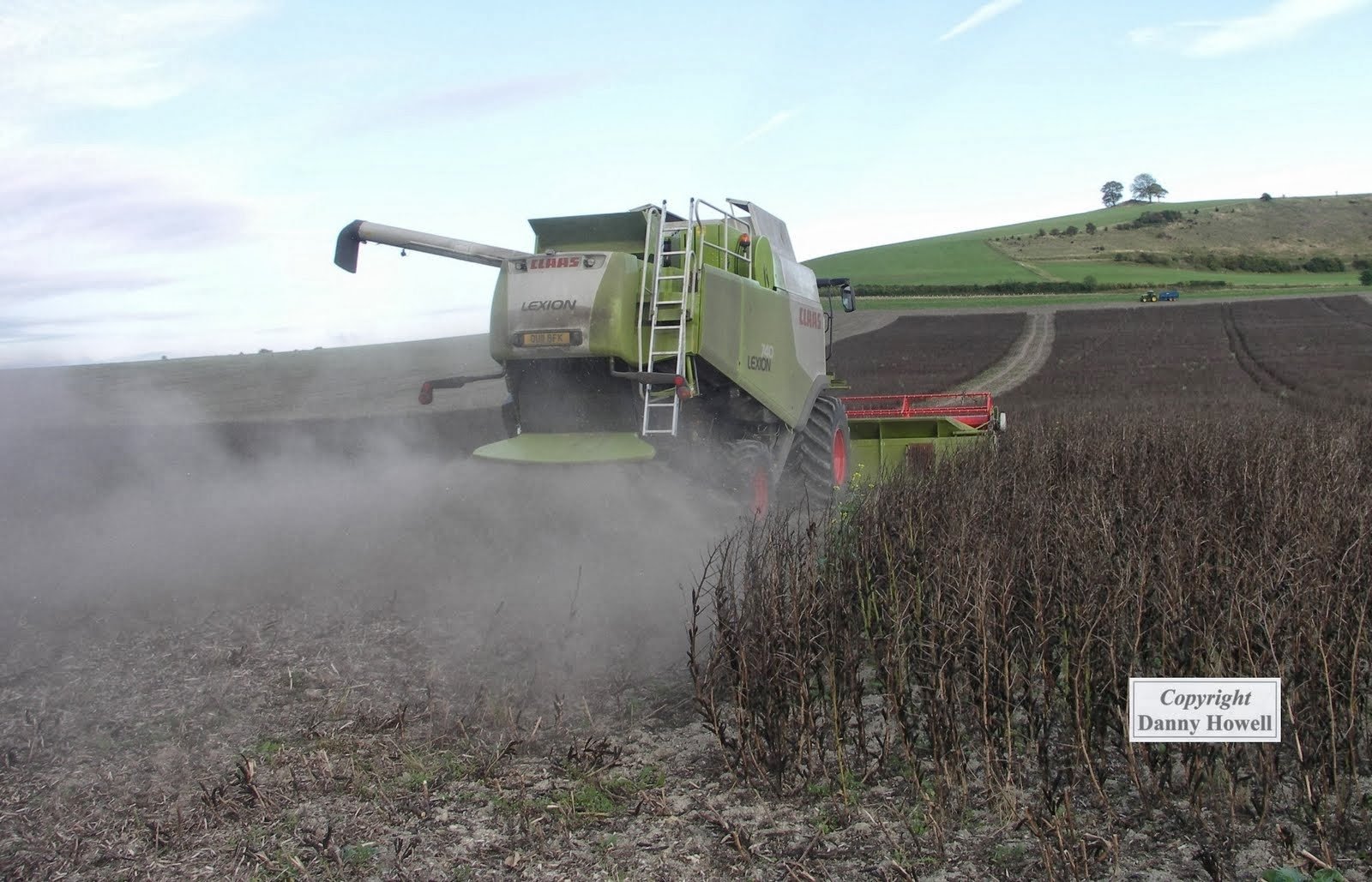
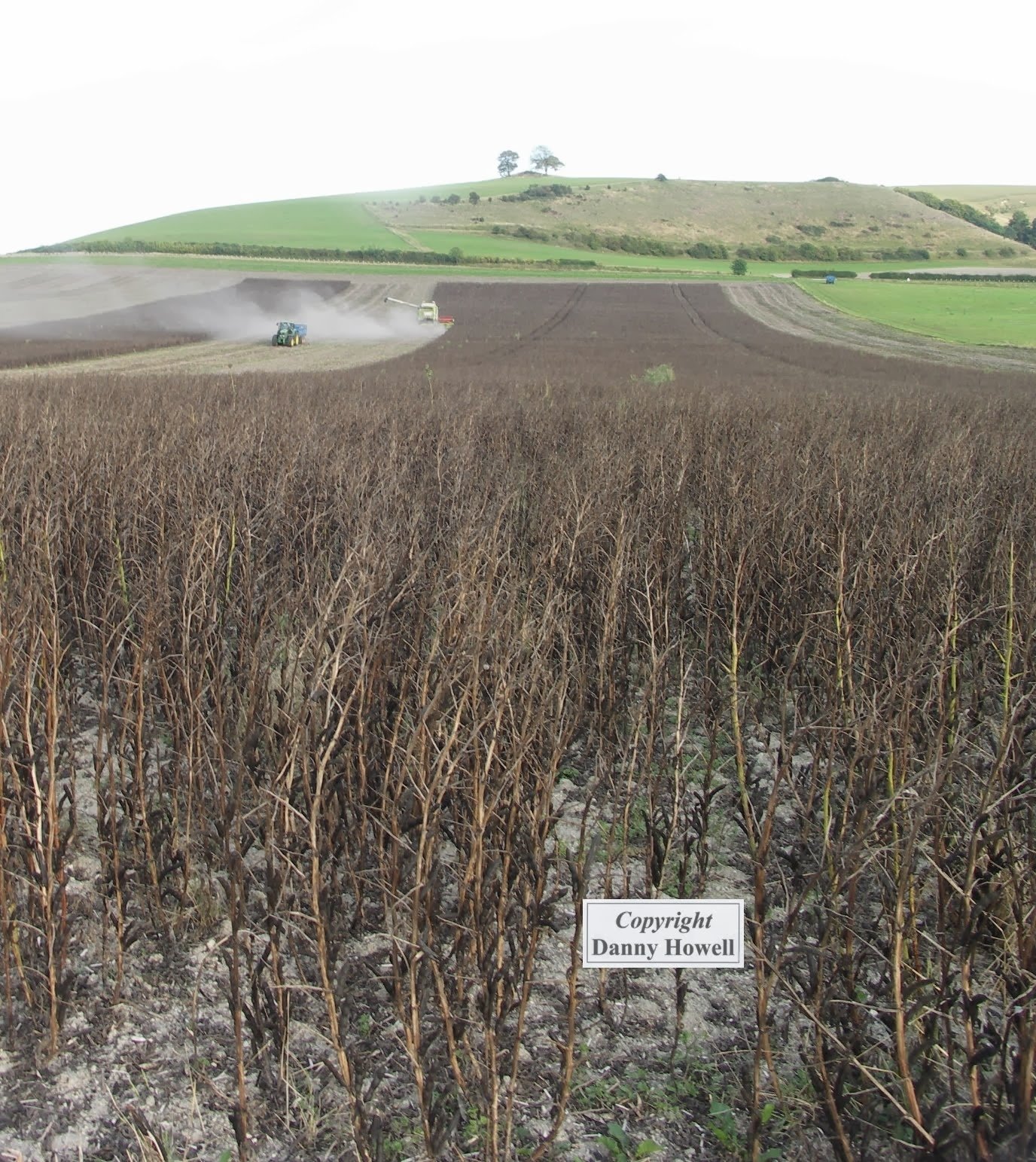
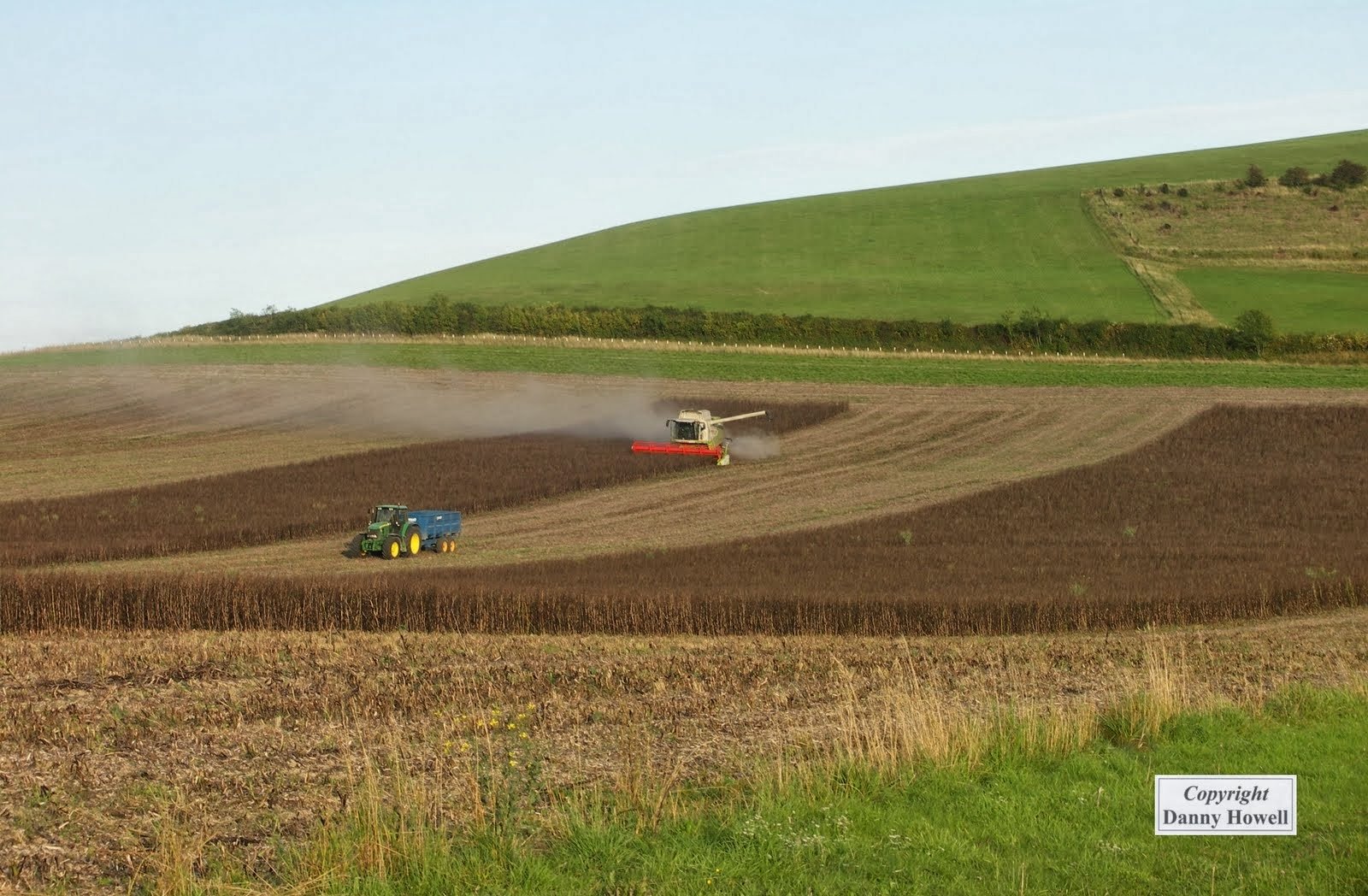
Striking out through a new section of beans;
Middle Hill in the background.

Approaching the western side of the field.

Turning on the headland again.

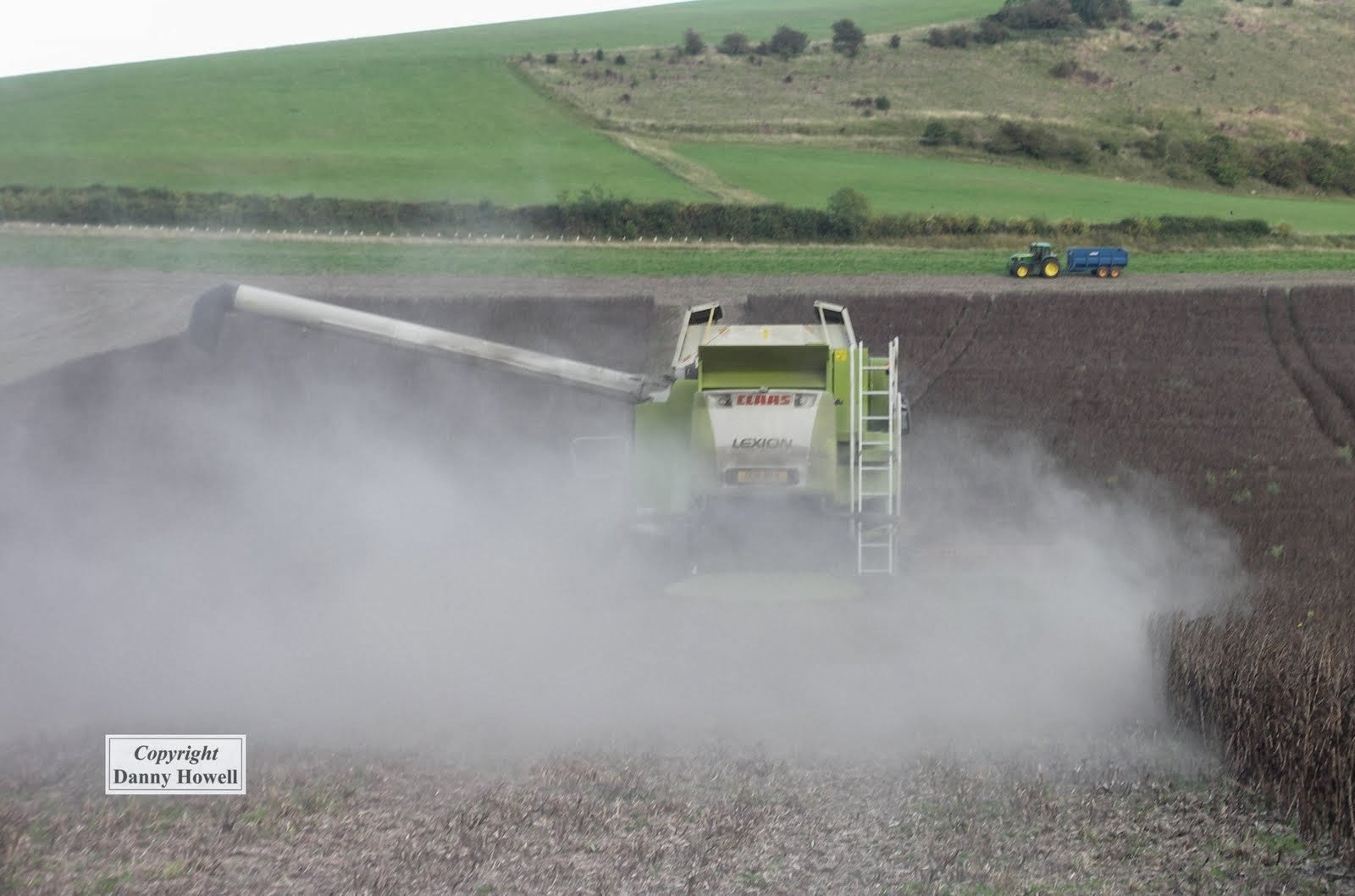
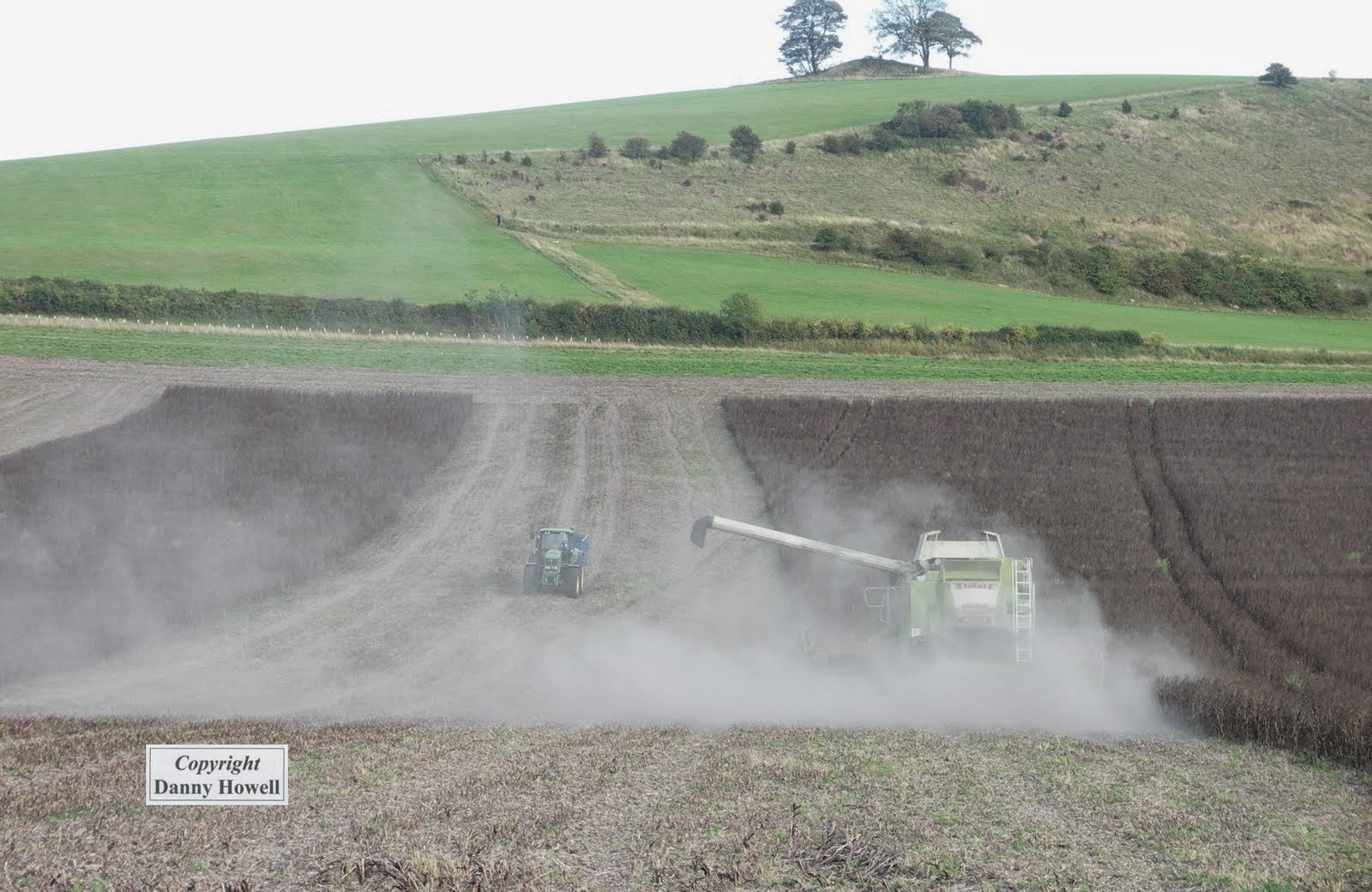
Beware of the dust!

Discharging beans from the combine
to the trailer, ready for draying
by the tractor to the barn.

Glorious sunshine in the eveningĀ 
after a very hot September day.

Peter keeping a watchful eye on the proceedings.

Scratchbury hill and Middleton
in the background,
and the Great Ridge Woods
on the distant horizon.

Stirring up the dust below Middle Hill.

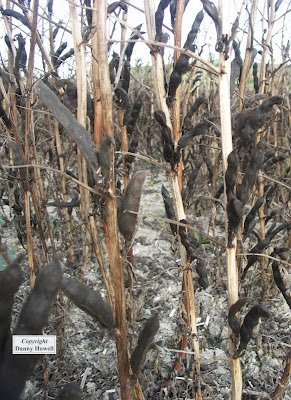
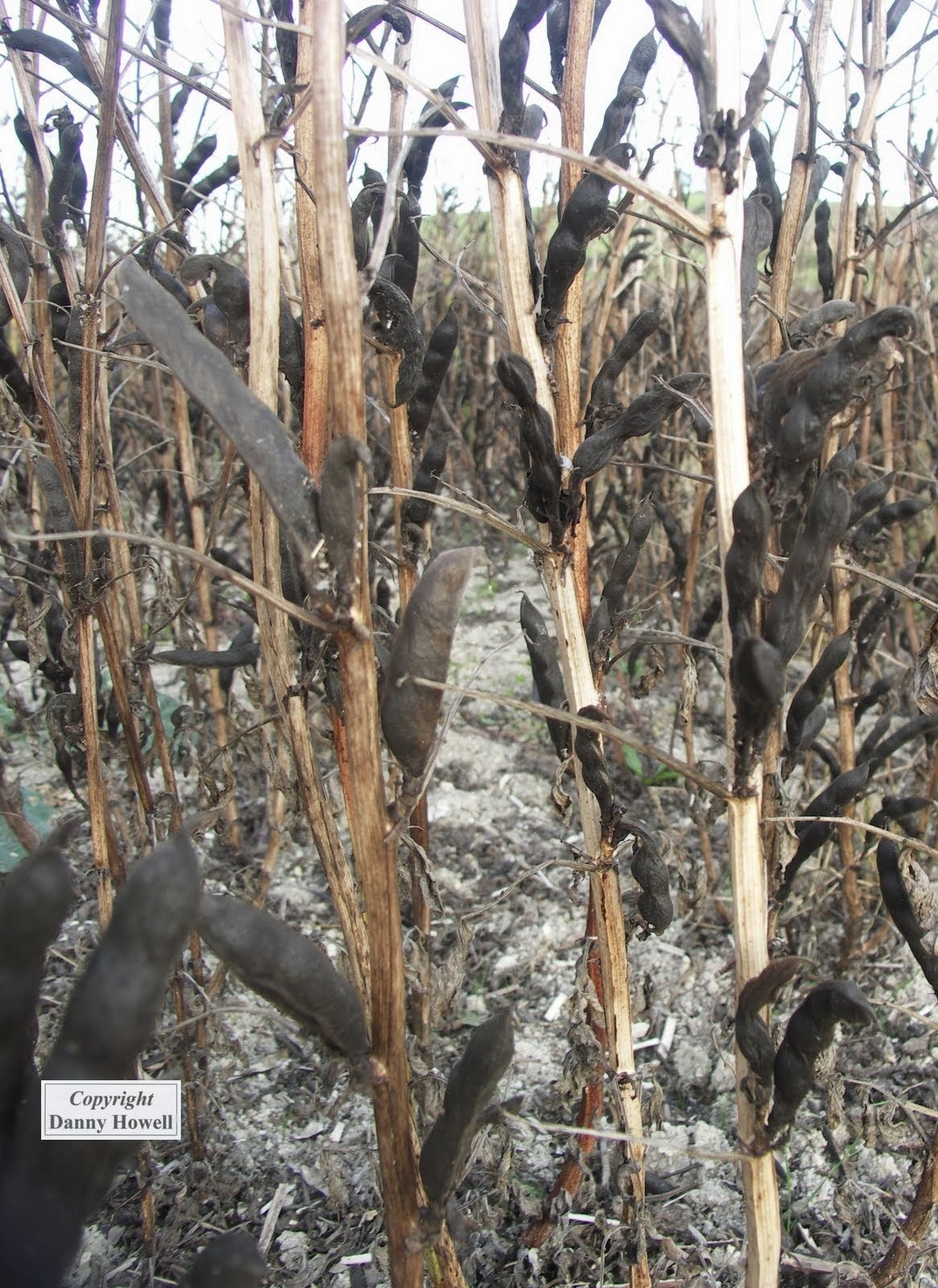
The field beans still in their pods on the crop.

A final glimpse.

Minutes Of The Annual General Meeting Of The Warminster Countryside Club, 2009

Minutes of the Annual General Meeting of the Warminster Countryside Club, held in the foyer of the Athenaeum, High Street, Warminster, on 6th May 2009:

Present
Anne Thomas, Pippa Rosen, Edie Coward, Maggie Pryce, Pip and Di Potter, Geoff Hall, John Croad, Jim and Eve Banks, and Danny Howell.

Apologies For Absence
Apologies for absence were received from Biddy Shephard, David Wiltshire, Sidney Blackmore, Margaret Broughton, and Pauline Charlesworth.

Matters Arising
There were no matters arising.

Chairperson’s Report
Eve thanked the Committee and members for their support over the last year. The meeting in February was cancelled due to the snow and there had been a hiccup over the summer visit to The Maltings. The visits to Beggars Knoll [Westbury] and Sir Edward Heath’s house in Cathedral Close [Salisbury] had been particularly interesting as had the talks by Major Lewis on owls and raptors, and Brian Clarkson’s talk and demonstration on willow sculptures. (A copy of the full report is available on request).

Treasurer’s Report
Margaret Broughton submitted her Annual Report, copies of which were distributed to the members. Although there had been an increase in income over the previous year by £60.15 there had been an increase in expenditure of £168.13. Margaret reminded members that subscriptions were due in September, the current annual subscription being £10 (visitors are charged £2).

Appointment of Officers and Committee
(i) Chairperson: Eve Banks.
(ii) Vice Chairperson: Pip Potter was not prepared to be re-elected and there being no other member willing to take on the role, the post would remain vacant.
(iii) Secretary: Jim Banks.
(iv) Treasurer: Margaret Broughton.
(v) Advertising: David Wiltshire. Danny Howell would assist with this as he would be able to distribute copies of the programme to his contacts in the villages around Warminster.
(vi) Raffle: Geoff Hall.
(vii) Suppers. There was no formal appointment as it was decided that this would be done on a rota basis.

Public Liability Insurance
This matter had been raised some time ago by the Committee of the Athenaeum Centre. Whilst the Athenaeum Centre had insurance cover for any injury sustained by visitors to their premises as a result of negligence on their part – e.g. faulty electrical installations, structural failure of building, etc., this did not cover groups such as ours who are certain to their own members, e.g. injury by faulty equipment, etc., owned by the group. This was a problem being found by many groups such as ours using someone else’s premises. Wiltshire Trust for Nature Conservation had hoped to get together enough groups similar to our own in order to make viable to obtain a group insurance cover. Our club simply could not afford its own insurance cover which would be in the region of Ā£200 p.a. We would wait to hear further from the WTFN.

Club Rules
Draft rules had now been compiled and copies were distributed to the members for consideration. The rules were agreed as drafted.

Programme
A summer programme had been prepared and copies were distributed. A programme for the period September 2009 to May 2010 had not yet been completed by the Secretary but copies would be sent out to all members and displayed in appropriate places once completed.

Any Other Business
There being no other business the AGM was closed at 8.50 p.m.

Working Conditions For Farm Labourers

Sunday 15th June 2008

Barbara Smith has been researching her family tree and has discovered that most of her ancestors in the villages around Warminster in the late 1700s and early 1800s were farm labourers. She has contacted Danny Howell to say that although she has, through parish records, been able to find baptisms, marriages and burials, for them, she would like to know something about the working conditions for farm labourers at that time. “Anything you could possibly tell me, would be greatly appreciated,” she says.

Danny Howell has replied:

The Warminster And Wylye Valley Society For Local Study has in its archives some printed extracts from The General View Of The Agriculture Of Wiltshire, by Thomas Davis (1811 Edition). The following extracts may help you paint a picture of what it was possibly like for your ancestors:

“The price of labour in agriculture varies considerably in different parts of this county [Wiltshire], and is chiefly affected by proximity to, or distance from, the manufacturing towns. In a great part of South Wiltshire, where the inhabitants are very little influenced by the manufacturers, the prices of labourers in husbandry are nearly uniform; but these prices have been gradually on the advance. Thirty years ago the common winter price was 10d. per day; from that it gradually rose to 18d. per day, which now may be called the general price, though in many instances it has risen to 20d. per day.”

“The hours at which labour commences and ceases, vary but little in the two districts. In winter the labourers work, of course, from day-light till dark; in summer, usually from six to six, except in hay-making and harvest, when they are expected to work early and late.”

“But the hours of rest are very various. In some parts half an hour is allowed for breakfast, and an hour for dinner; in others, an hour for each meal; and in a few, one only meal of an hour, is allowed (from eleven to twelve) during November, December and January.”

“The ploughmen go out at eight o’clock, and return at four, except in times of emergency. The distance of the lands of a Wiltshire farm from home, prevents the custom that is adopted in some counties, of making two journeys a day, and dining between them.”

“Wiltshire labourers in general are strong and robust, and not deficient in expertness in what they undertake; in some branches (hurdle and hedge-making, for instance), very engenious; but there is a remarkable slowness in the step, not only of the shepherds, whose laziness is proverbial, but also particularly of the ploughmen, and which they also teach their horses, that is noticed by every person who has seen the labourers of other counties, particularly of Norfolk. The common step of a ploughman and in his horses in the last-mentioned county, is often three miles and an half in an hour. In South Wiltshire frequently little more than two.”

“If the quick step of the Norfolk ploughman proceeds from the dryness and cleanness of the sands of that county, it is possible that the dirtiness, and in particular the ‘clinginess,’ if I may be allowed to use the word, of the Wiltshire white lands, may tend to slacken the step of the Wiltshire ploughman; but on whatever sort of soil this slow step was learnt, it certainly is now practised equally on all.”

“Farmers are great sufferers than they imagine by this habitual indolence of their workmen; and it is not only at plough, but in all other kinds of employ, that this indolence is visible; it seems instinctive in the whole district, even in the children.”

“Another great cause of the distress of the poor in many parts of this county, and particularly on the Downs, is the scarcity of fuel.”

“It is a melancholy fact, that without any particular acts of oppression on the part of the farmers, or of the dissoluteness on the part of the poor, the labourers in many parts of this county, and of the South-east District in particular, may be truly said to be at this time in a wretched condition. The dearness of provisions, the scarcity of fuel, and above all, the failure of spinning-work for the women and children, have put it almost out of the power of the village poor to live by their industry, and have unfortunately broken that independent spirit, which in a very peculiar degree formerly kept the Wiltshire labourers from the parish books. The farmers complain, and with reason, that the labourers do less work than formerly, when in fact the labourers are not able to work as they did at a time when they lived better.”

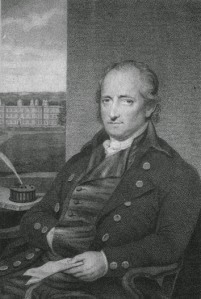
Thomas Davis,
author of The General View Of Agriculture,Ā 
published in 1811.
error: Content is protected !!