Has Anyone Any Information On The Ford Family Of Chapmanslade?

Saturday 20th September 2014

Brian Jones writes ~

“I’m related to the Fords of Southcot Farm, Chapmanslade – John Ford (1824-1864), son John (1864-1954) and grandson Percival John (1886-1960).  Percival’s wife Ethel died in Sonoma, California, in 1980 – a mystery! I know a little about them and their wonder horse “Rocket” but the trail has gone cold.  Does anyone know anything about this family?”

*John Ford (born 1864) was famous at equestrian events such as those at the Frome Cheese Show during the 1920s, as was his wonder horse “Rocket”.

Contact: dannyhowellnet@gmail.com

Do You Remember Bonny Bright Eyes In The Park At The Dene, Warminster, During The Late 1950s, 1960s, And Early 1970s?

Sunday 10th August 2014

Danny Howell writes ~

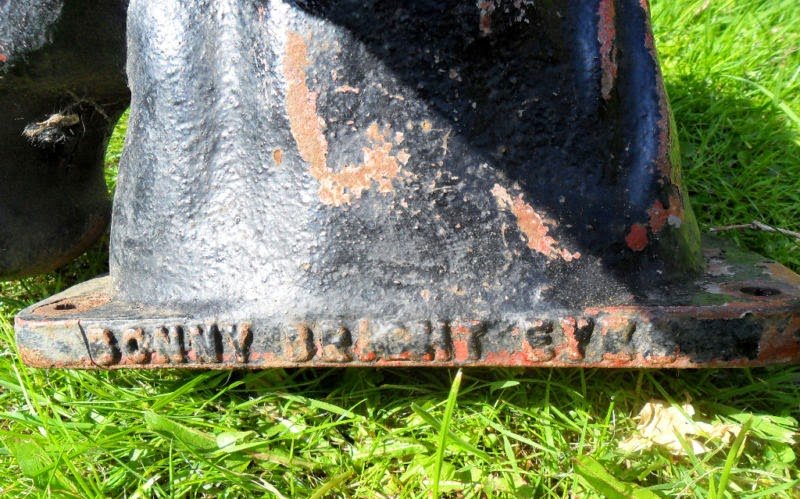
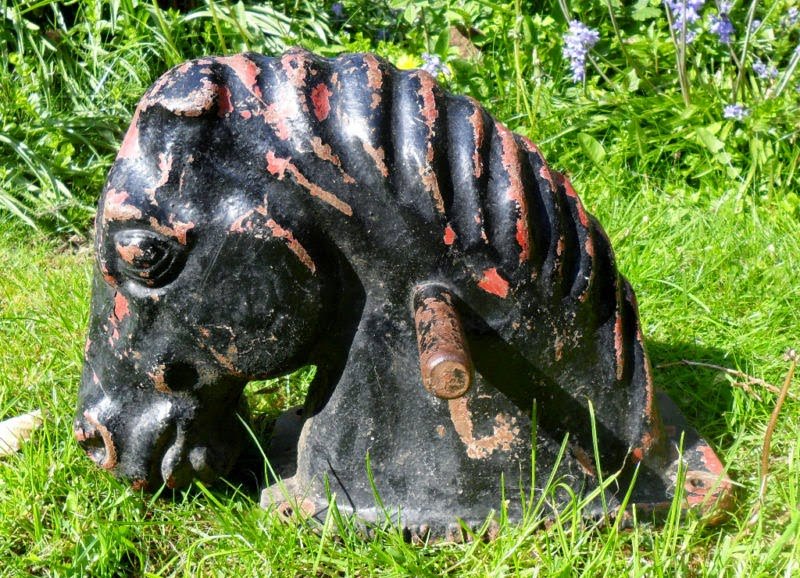
I grew up at The Dene, Warminster, and one of my abiding memories of my pre-teenage years, in the early 1960s, is that the little play park at The Dene featured a five-seater rocking horse and I vividly remember that its cast iron head had the wording ‘Bonny Bright Eyes’ stamped upon it. The name has resided in my mind ever since. Alas, I took no photos of it at the time (too young!) nor at any other time, and the horse sadly no longer exists. The Dene was built in 1957, so presumably the equipment in the park there (which also included two sets of swings (one set for toddlers and the other for older children), a hopscotch court made out of paving slabs, a roundabout, and a tunnel which was a couple of concrete cylinders placed together, were installed that year. Does anyone have any photos of Bonny Bright Eyes (or the park or anything else in it) at The Dene taken between 1957 and the 1970s which they can share on this website, or particular memories of rocking on Bonny Bright Eyes? If so, please contact us by emailing dannyhowellnet@gmail.com

In the meantime, a quick look on the internet reveals some references to Bonny Bright Eyes in general ~

(1) The Playground Rocking Horse Trust includes the following information about Bonny Bright Eyes rocking horses, which they record as being made by Hirst & Sons of Halifax:

“Hirst & Sons of Halifax
B Hirst and Sons were established in 1846 and are listed as an engineering company producing washing machines and mangles in 1874. These were proudly advertised as “being capable of being worked by a boy of twelve.’

Their principal factory seems to have been The Britannia Works, at Northgate Yard, Portland Street,  Halifax.

By the 1920’s they were involved in producing sporting equipment – particularly tennis posts, court marking machines, rackets and presses. Top of the range seems to have been the “Ne Plus Ultra” All Steel Tennis Posts which were exhibited at the 1922 British Industries Fair. It was this involvement with sports ground equipment that seems to have been their route in to playground equipment.

The “Ne Plus Ultra’ seen on the front of their playground rocking horses was clearly in use earlier to describe their tennis posts. Rather than being a specific legend for the horse it was a more general company motto – it means “The highest, ultimate point of achievement which can be reached; perfection.’ It can be seen on other Hirst products.

The Hirst horse is a five seater and the large cast iron head has the name ‘Bonny Bright Eyes’ stamped along the base.

The rocking arm mechanism differs from the standard Wicksteed design as can be seen in some of the photos in the gallery. There only seems to have been one model of horse produced but a ‘rocking boat’ version was also available.

A company brochure from about 1950 descibes their horse as ‘Unequalled for smoothness and ease of working. It is the only rocking horse made fitted with double row self alligning ball bearings…which for practical purposes eliminate friction.The closest attention has been devoted to every detail of its construction and no effort has been spared to make it the finest product of its kind. Attractively finished in colours.’

Most images of Hirst playground horses seem to date from 1950s to early 1980s and this may have been their principal period of production. The company later became part of Sutcliffe Play Ltd which was formed in 1987. They continue to manufacture a wide range of modern playground equipment including small single rider horses but sadly no longer the big Hirst five seater. The company is now proud to be an employee owned partnership -“The John Lewis of playground equipment”

A long serving member of the Hirst/Sutcliffe staff tells me that the horse was still being made when Sutcliffe took over the factory in 1987. He also recalls issues with an early design for the horse’s head which included prominent ears. These however were deemed to be too dangerous if children rocked forward on to them and were modified to the rounded head shape finally used.

Relatively few Hirst horses seem to have survived in to the 21st century.”

http://playgroundrockinghorse.webs.com/manufacturers.htm

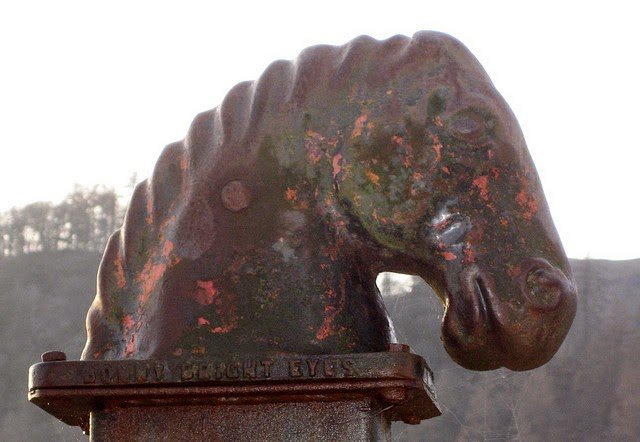
(2) A user called George has a photo of a Bonny Bright Eyes cast iron head on his Flickr page.

George’s caption reads: “This is on the top of a field gate post near to Lorton in the Lake district.”

"Bonny Bright Eyes"

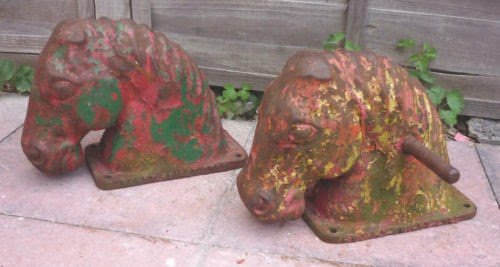
(3) In June 2013, a seller with the user name justfairycakes, in Sittingbourne, Kent, had two Bonny Bright Eyes cast iron heads up for auction on eBay, with a starting price of £500. The description of these two items read:

“A VERY RARE PAIR OF VINTAGE  A. HIRST, “BONNY BRIGHT EYES” CAST IRON HORSES HEADS.

PRODUCED IN THE BRITANNIA WORKS, NORTH GATE YARD, PORTLAND STREET, HALIFAX IN THE 1950’s

THE ROCKING HORSE HEAD WAS ORIGINALLY FIXED ONTO A FIVE SEATER ROCKING HORSE THAT WERE IN MOST COUNCIL RECREATION GROUNDS IN THE 1950’s 

THE HEAD MEASURES APPROXIMATELY 14″ LONG X 6″WIDE  X 11″HIGH, EMBOSSED ON BASE “BONNY BRIGHT EYES” 

IN VERY GOOD CONDITION, ORIGINAL PAINT WORK

VERY FEW A.HIRST HORSES SEEM TO HAVE SURVIVED

CAN BE SEEN ON THE ROCKING HORSES IF YOU GO TO THE PLAYGROUND ROCKING HORSE TRUST WEB SITE 

COULD BE USED FOR DISPLAY IN ANY HORSE RELATED BUILDINGS OR GARDEN OR IF SOMEONE HAS THE ORIGINAL ROCKING HORSE WITHOUT A HEAD

 VERY HEAVY, PICK UP ONLY.”

In Search Of The Beal Family

Friday 1st August 2014

Marilyn Hill writes ~

I am hoping to find someone with old photos of the Beal family.

My family lived in the Devizes and Salisbury areas, and names I am searching are Joseph Beal and Annie Sharpe, who lived in Ludgershall and had children called Fred, Joseph and Arthur in the 1950s.

I am also looking for Arthur Beal and Gertrude Brown who lived in Pewsey, or William Beal who married Alice Law and had children called Joan, Violet and Eunice.

Any information would be  appreciated. Thank you. I can be contacted by email: mazzjoyhill@gmail.com

In Search Of The Beal Family

Friday 1st August 2014

Marilyn Hill writes ~

I am hoping to find someone with old photos of the Beal family.

My family lived in the Devizes and Salisbury areas, and names I am searching are Joseph Beal and Annie Sharpe, who lived in Ludgershall and had children called Fred, Joseph and Arthur in the 1950s.

I am also looking for Arthur Beal and Gertrude Brown who lived in Pewsey, or William Beal who married Alice Law and had children called Joan, Violet and Eunice.

Any information would be  appreciated. Thank you. I can be contacted by email: mazzjoyhill@gmail.com

Councillor Andrew Davis Correctly Identified The Mystery Photograph (Posted On This Website Yesterday) As Being Emwell Street, Warminster

Wednesday 2nd July 2014

Danny Howell writes ~

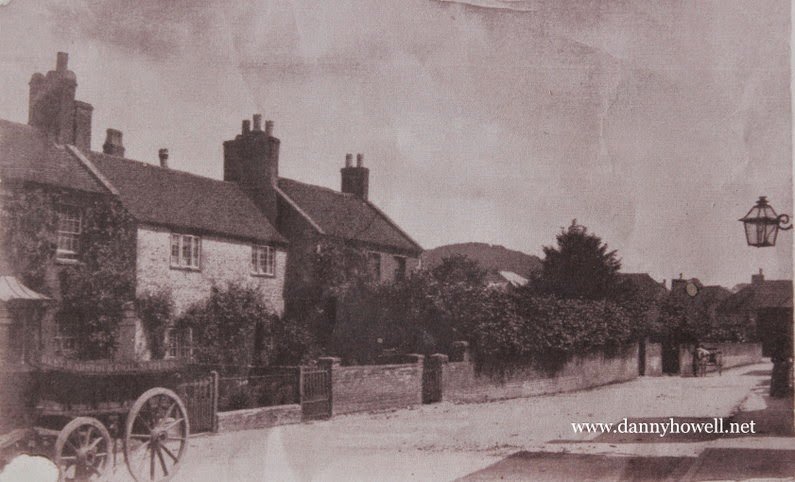
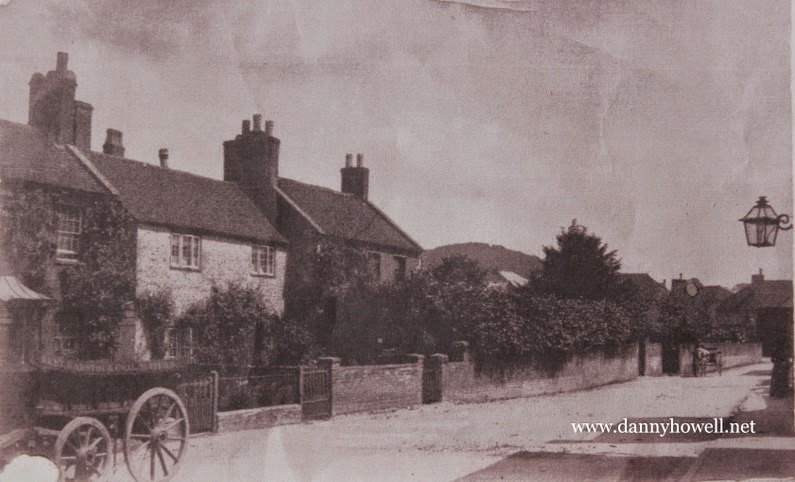
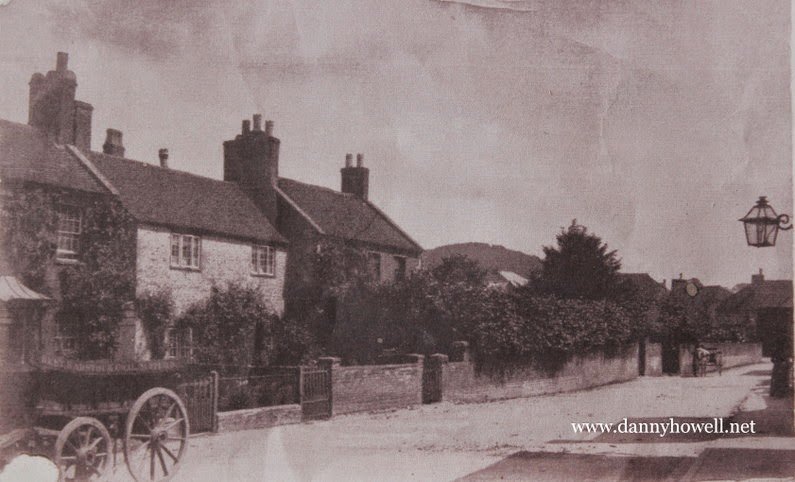
Last night I posted this old postcard picture (above)
on dannyhowell.net

I asked: Here’s a mystery photo you can maybe help
with. This postcard picture was taken by a 
photographer called Fielder  who was
based in Warminster years ago.
In the lower left corner is a cart signwritten
“Radstock Coal”. Radstock coal was regularly
delivered in Warminster and surrounding villages.

The question is, where did Mr. Fielder take the photo?
Is it in Warminster or elsewhere?
Do you recognise the houses or the street?
Of course, the scene may have changed a bit over
the years, but do you know where it was taken?

If you do, please contact
dannyhowellnet@gmail.com

I’m pleased to say I received a good response
from readers. Their emails suggested various streets 
in Warminster, including Portway, Victoria Road, 
Boreham Road, and so on. Thank you to all of you.
But only one person came up with the correct
location. That clever person was Andrew Davis
(yes, the Warminster Town Councillor and
Wiltshire Councillor).

Andrew wrote: 
“That Picture …… Could it be Emwell Street  with
the lantern being on the Weymouth Arms?”

It is indeed Emwell Street, Warminster, with the
lantern on the right of the picture being on the
north-east corner of the Weymouth Arms.
The lantern is no longer there, but a modern
lamppost stands on the pavement just a couple
of yards along, on the other side of the alley
between the pub and Emwell House.
In the old picture you can see where the shadows
on the right show no shadow from the alley.
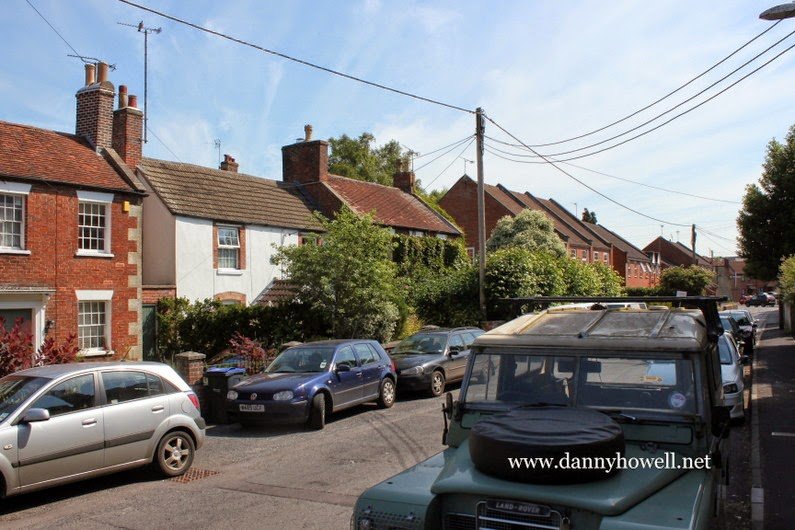
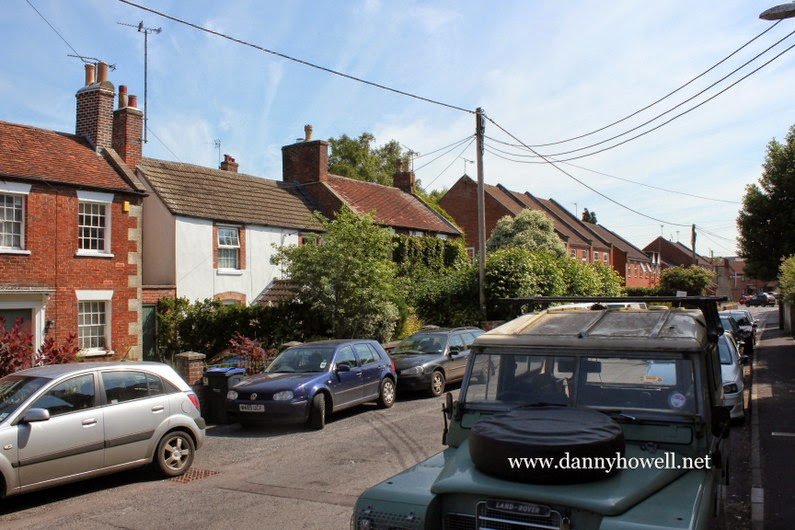
Below is the same scene, photographed by me
this morning (Wednesday 2nd July 2014).

The cottages on the left are now named or numbered
(left to right) No.26, Flora Cottage; 
No.27, Emwell Cottage; and No.28 Emwell Street.

The old porch above the door at Flora Cottage
has long since gone.
Flora Cottage was once the home of Albert Dewey,
a well-known Warminster blacksmith who
had his forge there (suceeding a previous blacksmith
called Thomas Bamsey), and there had at one time
been a weighbridge in the road outside.
It could be that the Radstock coal cart in the old
picture was there, having delivered coal to the forge, 
or had maybe been weighed empty, or was there for
some kind of repair.

Telephone poles and wires
now cross the street in several places.
And television aerials now occupy the
chimney stacks. And of course, the
horsedrawn carts have gone, replaced
with many (some would say too many) cars.

Emwell Street now has sleeping-policemen
car slowing measures too.
And let’s not forget it is now a one-way street.

At the far end of the street,
where the long wall is in the old picture, 
(with a horse and cart alongside)
is now a terrace of fairly modern houses.

At the end of the street is the junction with
the lower end of Sambourne Road.
In the background is the beech-clad summit
of Copheap which dominates the town.

Well done to Andrew for the correct identification.
Here are the two photos, old and new,
next to each other, so that readers can compare.

Where Is The Location Of This Postcard Picture By Fielder Of Warminster?

Tuesday 1st July 2014

Here’s a mystery photo you can maybe help with. This postcard picture was taken by a photographer called Fielder who was based in Warminster years ago. In the lower left corner is a cart signwritten “Radstock Coal”. Radstock coal was regularly delivered in Warminster and surrounding villages. The question is, where did Mr. Fielder take the photo? Is it in Warminster or elsewhere? Do you recognise the houses or the street? Of course, the scene may have changed a bit over the years, but do you know where it was taken? If you do, please contact dannyhowellnet@gmail.com

Andrew Davis was the first person to correctly identify the location of the picture as Emwell Street, Warminster.

Danny Howell writes that the lamp on the right side of the picture is attached to an exterior wall of the Weymouth Arms public house (the pub is off to the right of the picture). On the opposite side of the street to the pub, near where the cart is, was a weighbridge erected in 1848 but damaged in 1943. Fielder’s photographer above was probably taken in the early 1900s when Albert Dewey, a blacksmith who lived and worked opposite the Weymouth Arms, operated the weighbridge. Maybe the cart in the picture had just been weighed.

Was Lt. Col. Frederick Bailey Of Lake House A Director Of Wilton Carpet Factory?

Tuesday 1st July 2014

Mrs Gil Alder has contacted dannyhowell.net

She writes ~

“I found your very interesting history of Wilton carpet factory on-line and was wondering if you know of any way of finding out if Lt. Col. Frederick Bailey of Lake House, Wilsford was ever a director of the factory.

I have been researching his family and their Wiltshire connections and someone told me that he was a director around the 1930s or 1940s  (he died in 1951) but I have been unable to verify this.

Do you know any way that I could confirm or refute this claim?

Many thanks in anticipation.”

Danny Howell replies ~

“Thank you Gil for your enquiry.

I have no personal knowledge about whether Lt. Col. Bailey was a director of Wilton Carpet Factory but your first port of call to find out will be the Wiltshire and Swindon History Centre.

They have quite a lot of documents for Wilton Carpet Factory including:

Directors’ Minutes, Annual Reports and Accounts, for the years 1905 to 1920 (catalogue number 2583/102/1)

1921 to 1934 (catalogue number 2583/102/2)

1934 to 1945 (catalogue number 2583/102/3)

1945 to 1977 (catalogue number 2583/102/4)

I presume if Lt. Col. Bailey was a director he would have attended board meetings and his attendance or apology for lack of attendance would be minuted.

The Wiltshire and Swindon History Centre is at Cocklebury Road, Chippenham, Wiltshire, SN15 2QN.

Telephone: 01249 705500.

Email: archives@wiltshire.gov.uk

Good luck with your quest. Best wishes, Danny Howell.”

Did You work At 27 District Workshop Warminster Or Westdown Or Knook Camp, 1980s To 2000?

Thursday 5th June 2014

Witness Appeal for MoD Asbestos Exposure

Mr Philip Smith worked at 27 District Workshop at Warminster during the 1980s where military vehicles were repaired. If anyone did this type of work please come forward.

Between 1988 to 2000 he worked at the MoD training camps at Westdown and Knook Camp. If anyone has any information on the condition of the accommodation blocks and/or asbestos within the blocks then please come forward.

Please contact the Asbestos Disease Team at Novum Law on 0800 884 0555.  www.novumlaw.com

Not The Horse Trough, But The Water Bowsers For War Use Outside St. Lawrence Chapel, Warminster

Friday 30th May 2014

Last Wednesday (21st May 2014), David Pollard asked us if we had any photographs of the water tank which stood outside St. Lawrence Chapel, High Street, Warminster; specifically asking for those during the Second World War years.

We thought David meant the horse trough in the middle of the High Street but he now tells us he is referring to the water bowsers provided for war use during the 1939/1945 hostilities. He says: “Maybe we should ask the public if they have any?”

If any readers have photos of these, please comment below or contact: dannyhowellnet@gmail.com

Which Warminster Brewery Did Sidney Sanderson Work At?

Tuesday 27th May 2014

Jean Sanderson Comley writes ~

Dear Danny,
My grandmother, Emily Maria Atkins (born Warminster 1867) married my grandfather, Sidney Sanderson, a brewer, in Warminster in 1893. They lived at 22 Silver Street from 1901 until at least 1911.

I’m interested in finding out which breweries my grandfather might have worked at. Or would he have worked for a publican? He came from a family of publicans in the London area.

My grandmother was the daughter of William Henry Atkins, 1836 – 1897, who was married to Jane Lewis, 1835 – 1896. William Henry Atkins was a hairdresser and hatter until 1881 when he was innkeeper at the Kings Arms, Weymouth Street, Warminster.

Any help or advice would be gratefully appreciated.

Danny Howell replies ~

Thank you Jean for your enquiry.

In the Warminster electoral roll for 1894 – 1895, Sidney Sanderson was listed as an occupation voter, qualifying to vote because he occupied the house known as Fair View at Boreham Road.

According  to the Warminster Directory And Local And Village Guide for 1900, Sidney Sanderson was then living at the house known as Holmwood at Ash Walk, Warminster.

But as you correctly say, the 1901 Census and the 1911 Census show him living at 22 Silver Street, Warminster. Kelly’s Directory for 1903, 1907, and 1911 also record Sidney Sanderson at 22 Silver Street. In these Kellys’ directories Sidney is included in the section for ‘Private Residents’. Collins Almanac And West Wilts Directory for 1908 also shows him at the same address. 

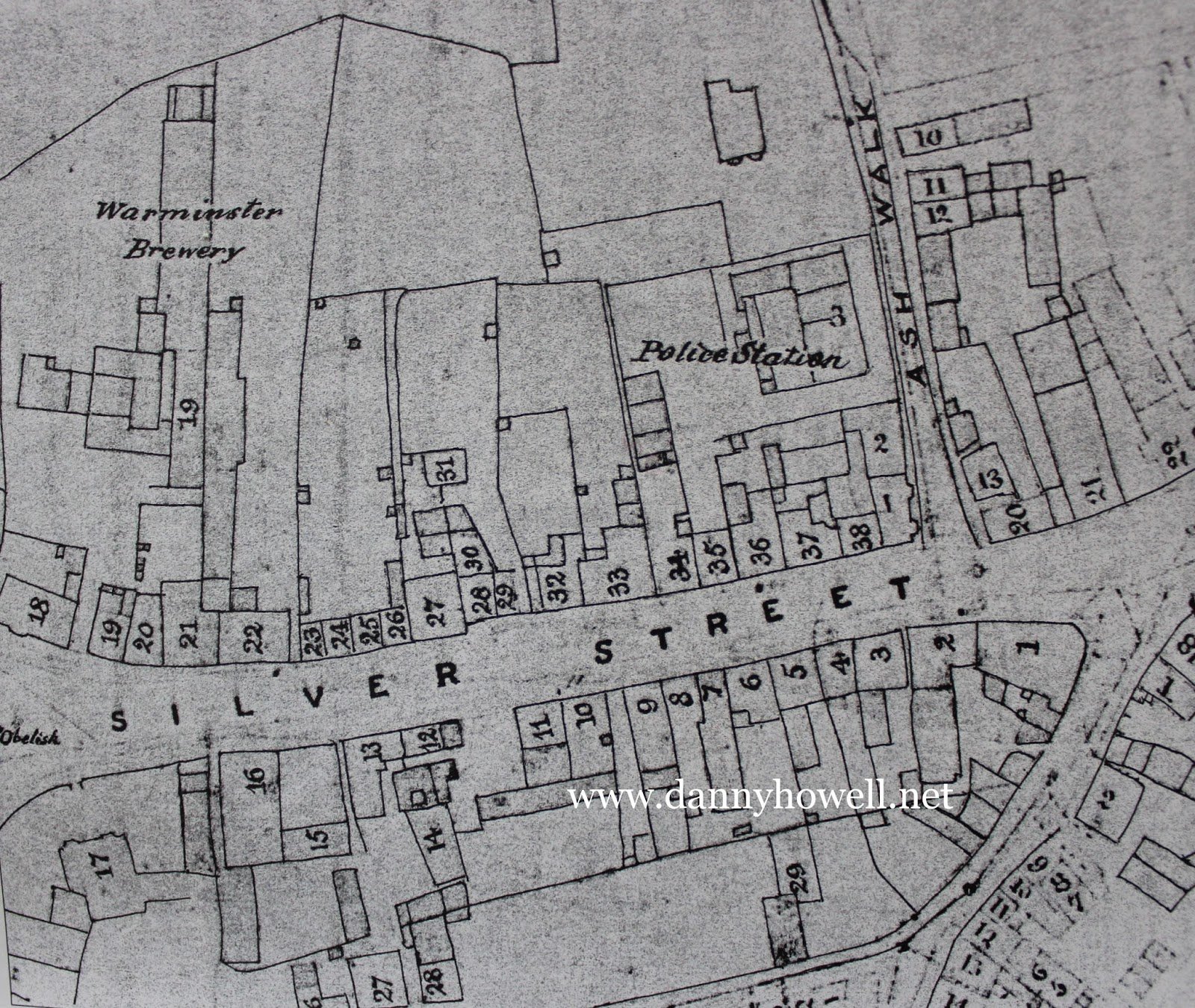
No.22 Silver Street, Warminster, has long since been renumbered No.34. The property is known for its one-time association with The Warminster Brewery/Anglo Bavarian Brewery which stood to the north-west behind it. It is generally believed that the brewery owned the house as a residence for its head brewer.

 Above: Extract from the Warminster Local Board’s Surveyor’s Map showing the location of 22 Silver Street and the proximity of the Warminster Brewery.

The Warminster brewery was demolished in the early 1900s and a row of cottages built on the site. It was Dr. Alcock who submitted plans in 1903 for “Twelve cottages, Old Brewery Road, Warminster.” [Plans in the Swindon and Wiltshire Record Office, G16/760/203]. These were built and known as Nos.1 to 12 Obelisk Terrace. They survive today but now have the addresses of No.19 to No.30 Silver Street.

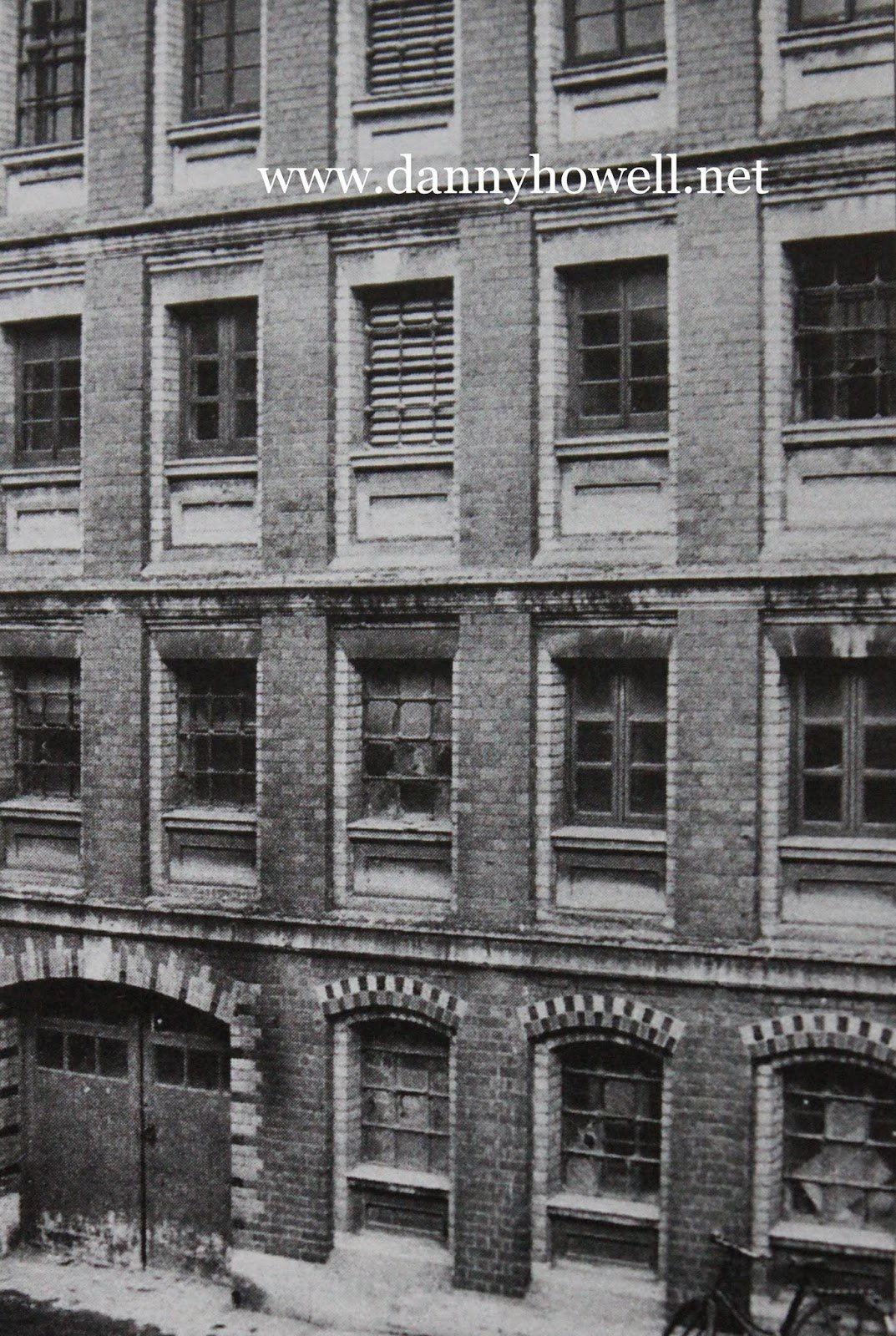
By that time the Warminster Brewery at Silver Street had undergone various changes of owners and amalgamations, including Morgan & Bladworth of Warminster, eventually merging with Bartlett’s Brewery which was at High Street, Warminster (a property built in 1885). An account of Bartlett’s Brewery was published in the Pictorial Record in September 1900.

 Above: Bartlett’s Brewery at High Street, Warminster, pictured in 1956, prior to conversion.

Bartlett’s Brewery closed circa 1919 after being purchased by a competitor, Ushers of Trowbridge. The premises then became a factory producing Casein items. The building which had been Bartlett’s Brewery at High Street was converted into a car sales showroom in 1956. The building still survives today but is now occupied by various businesses including a carpet retailer and a dance school. It is now aptly known as ‘The Old Brewery’.

I think it therefore logical to say that Sidney Sanderson worked at the Warminster Brewery which stood behind his home at 22 Silver Street, and probably continued to work for the business after it had merged with Bartlett’s Brewery and transferred to the new premises at High Street, Warminster.

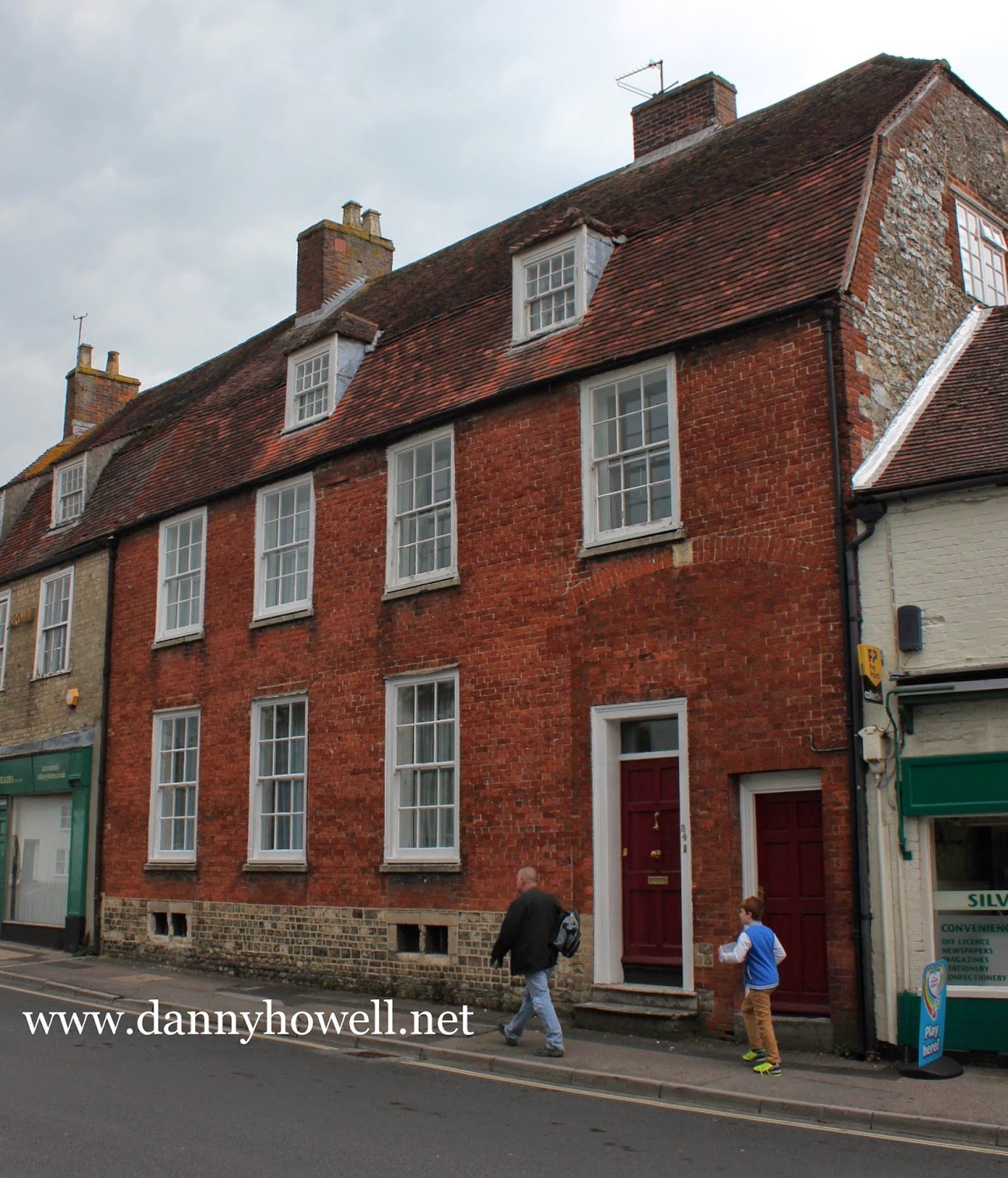
 Above: No.34 Silver Street, Warminster, photograph taken by Danny Howell on Tuesday 27th May 2014. It was previously numbered 22 Silver Street and was the home of Sidney Sanderson from 1901 to circa 1913.

As you can see from the photograph No.22 Silver Street is a sizeable house and befits the status of someone who held a senior position in one of Warminster’s major businesses during the Edwardian period.

Collins Almanac And West Wilts Directory For 1912 lists Sidney Sanderson still resident at 22 Silver Street, but The Warminster Directory Almanac Local And Village Guide For 1914 shows Sidney Sanderson as resident at 21 Boreham Road, Warminster.

Boreham Road has since been renumbered and it seems that what was No. 21 is now No.20.

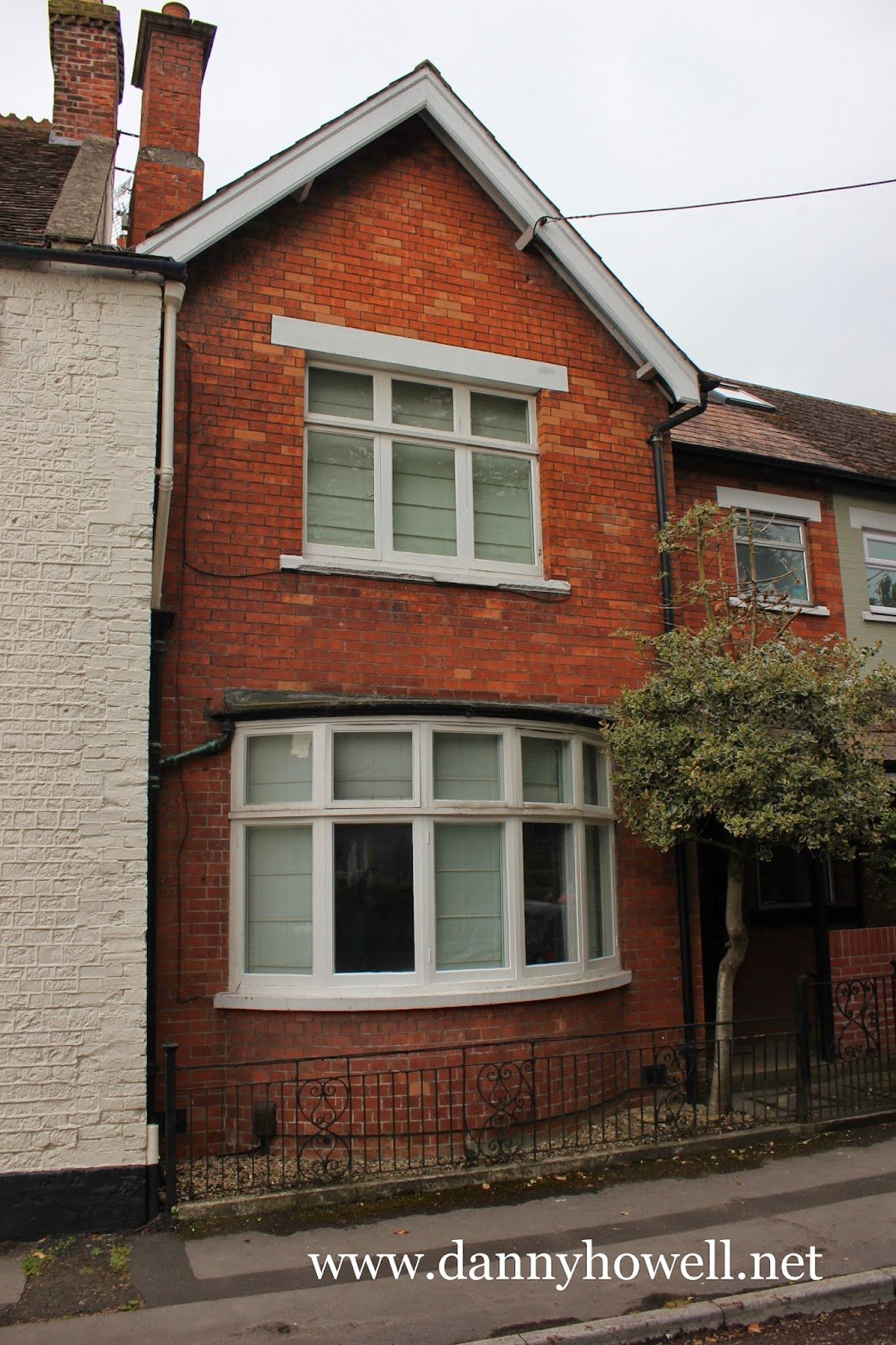
Above: Photograph of 20 Boreham Road, Warminster, photographed by Danny Howell on Tuesday 27th May 2014. It seems this was previously numbered 21 Boreham Road and was the home of Sidney Sanderson from circa 1914 onwards.

Sidney Sanderson later moved from Warminster to London. He died, aged 79, on Thursday 5th November 1942, “after an illness patiently borne”, at 32 Glazbury Road, Kensington, London, W14.

The Silver Street and Boreham Road residences of Sidney Sanderson, and confirmation that he worked for Bartlett’s Brewery in Warminster, are mentioned in his obituary published in The Warminster Journal newspaper on Friday 13th November 1942:

Former Warminster Cricket Captain – Death of Mr. Sidney Sanderson in London. We much regret to hear of the death of Mr. Sidney Sanderson who passed away at his home at 32 Glazbury Road, Kensington on the 5th inst. at the age of 79. He underwent a serious operation just about a year ago which unfortunately did not have the effect of restoring him to his former health. Mr. Sanderson however only took to his bed three weeks before his death which came very peacefully.

He will be remembered by a great many old friends in Warminster where he spent very many years of his life, living on the Boreham Road and in Silver Street with his wife and family. He came to Warminster as Brewer for Messrs. Bartlett’s Brewery in the High Street which was later taken over by Ushers Wiltshire Brewery and their beers were considered quite some of the best brewed in the South of England.

He was connected with the Longleat Lodge of Freemasons, being initiated in 1899. Holding many offices, he was Preceptor to the Lodge for a number of years and became Worshipful Master in 1906. He took office as P.P.G. Swd. Br. in 1909 and was made an honorary member when he retired from the Lodge.

For many years he was Captain of the Warminster Cricket Club in its more successful days. He made an excellent captain, was a batsman far above the average and a good wicket keep and under his skippership the Club for years enjoyed many pleasant games.

The late Mr. Sanderson was a keen churchman attending Christ Church [Warminster] regularly with his family. He was of a most genial disposition and left many friends behind him when he retired to live in London. Much sympathy is expressed to his family in their bereavement.

Footnote: The Kings Arms, Weymouth Street, Warminster, mentioned by Jean, where William Henry Atkins was innkeeper in 1881, is still a public house today but is now known as The John Barleycorn.
error: Content is protected !!