A Handbook For Residents And Travellers In Wilts And Dorset, (fifth edition published by John Murray of Albemarle Street, London, in 1899), states:
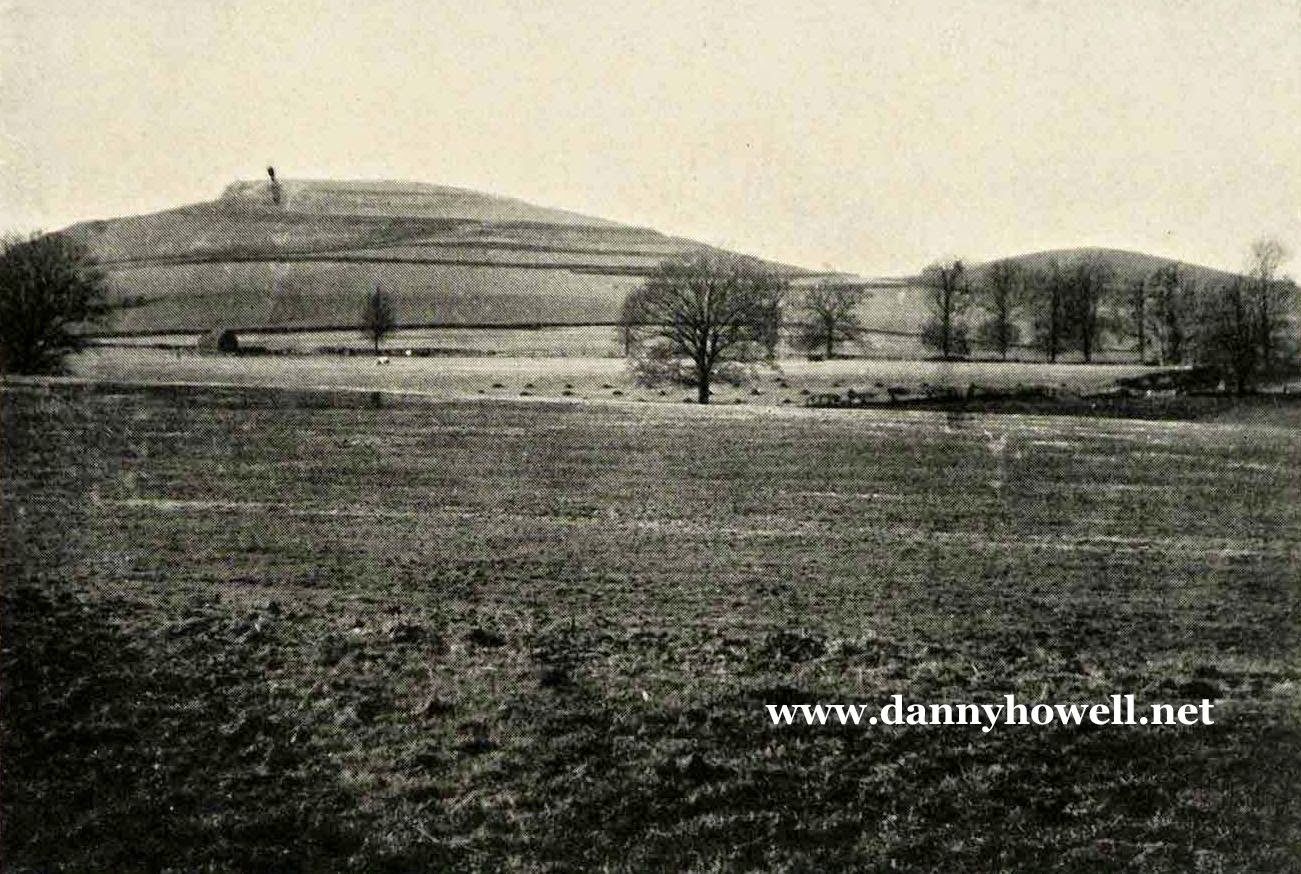
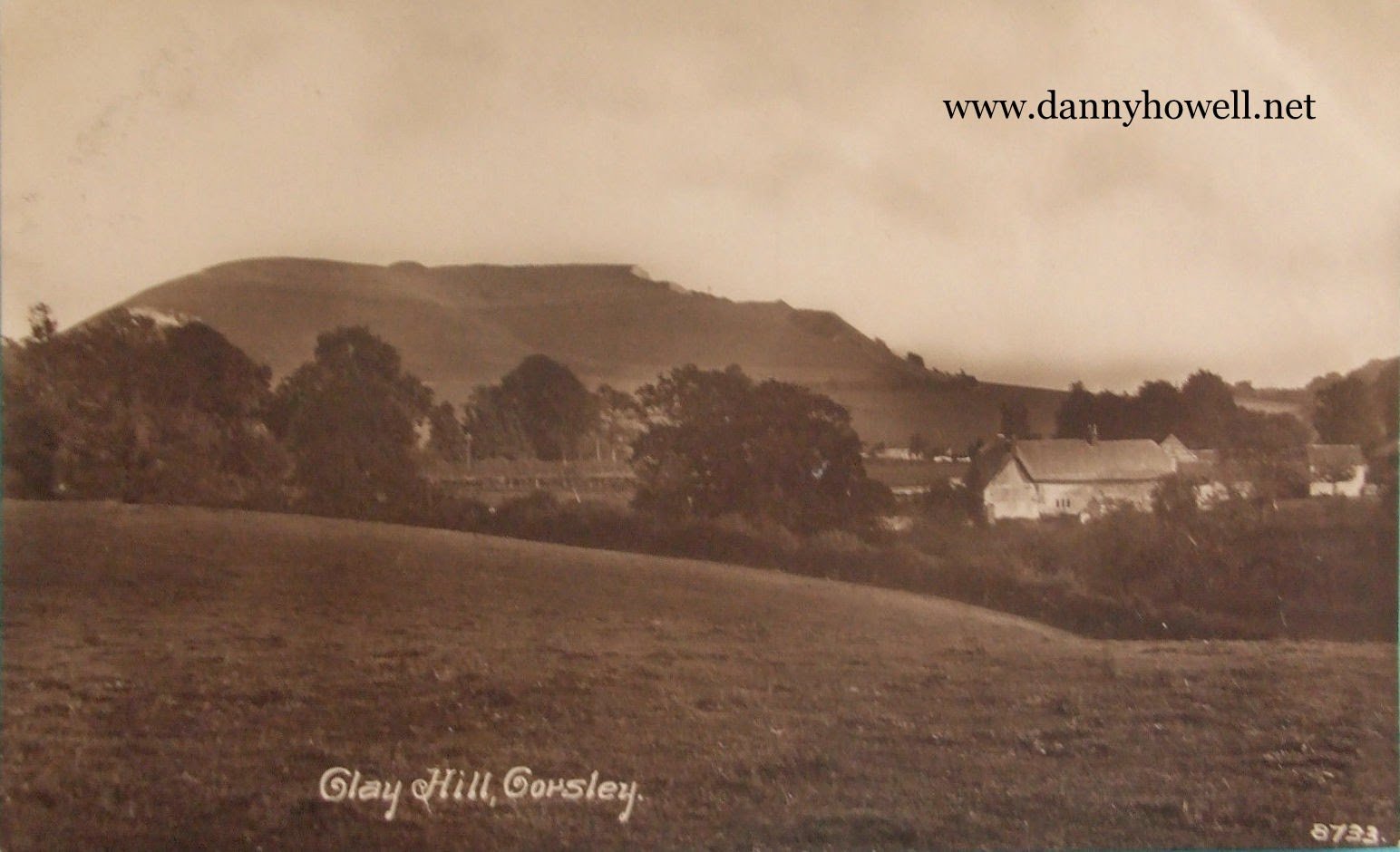
“Cley Hill. There are really two hills, but the principal one may be climbed on the way to Longleat. Turning off to the rt., 1 and a half m. of level road and another half m. of field-path will bring you to the foot of it. It is so singularly shaped as almost to appear at a distance artificial, but it is an isolated member of the chalk range, and is 900 ft. high above low-water mark at Bristol. A bank and a ditch of great antiquity encircle it midway, and at the top, which commands a view as extensive as it is beautiful, are two barrows. The larger one, when opened, presented ears of wheat still recognizable, charred wood, and broken pottery; the other showed decided indications of burnt bones which had been previously disturbed. A beacon was set upon Cley Hill at the time of the Spanish Armada. On the S. the eye ranges over the woods of Longleat, on the E. along the boundary of Salisbury Plain, and on the W. over a cultivated country to the distant heights of Bath and the indented line of the Mendips. Cley Hill is thought by some antiquaries to have been the “AEcglea” where Alfred halted one night on his way to fight the battle of “Ethandun,” supposing that place to have been Edington, a few miles off.”