In A Wood Near Wylye

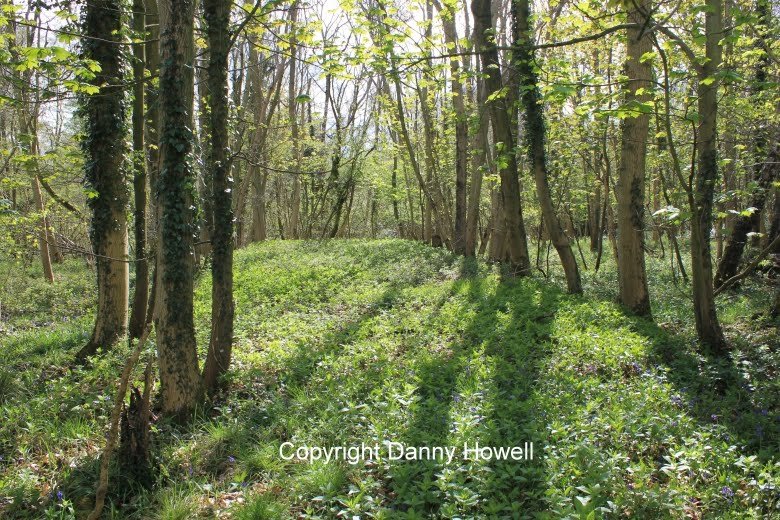
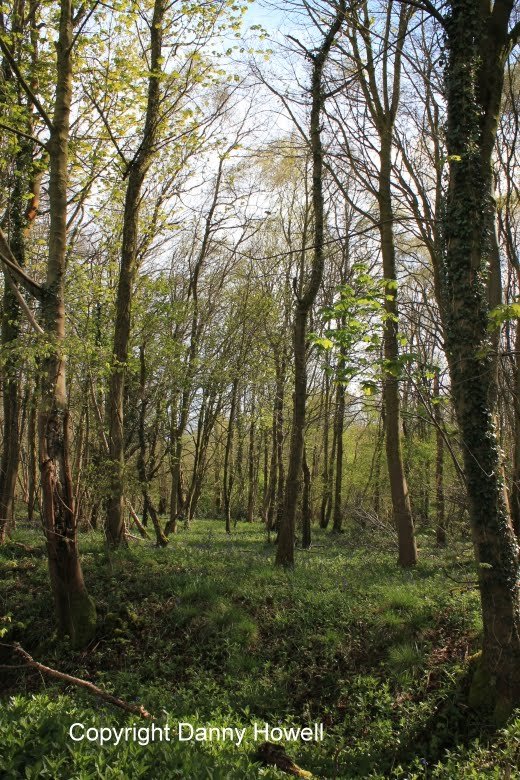
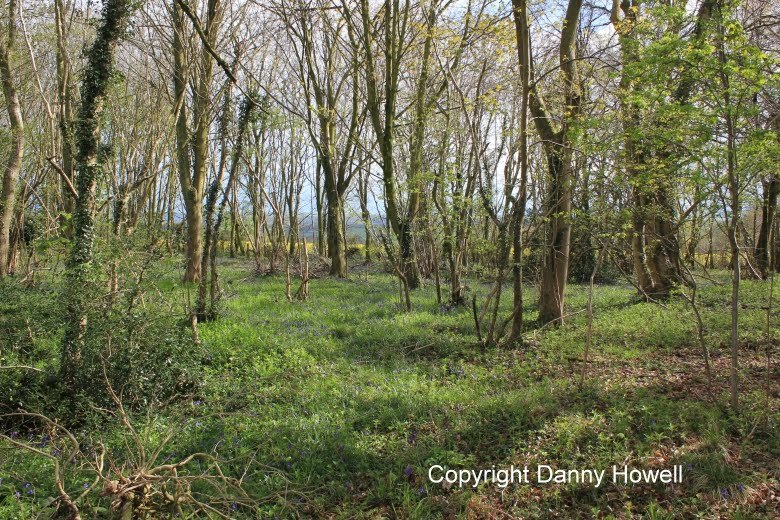
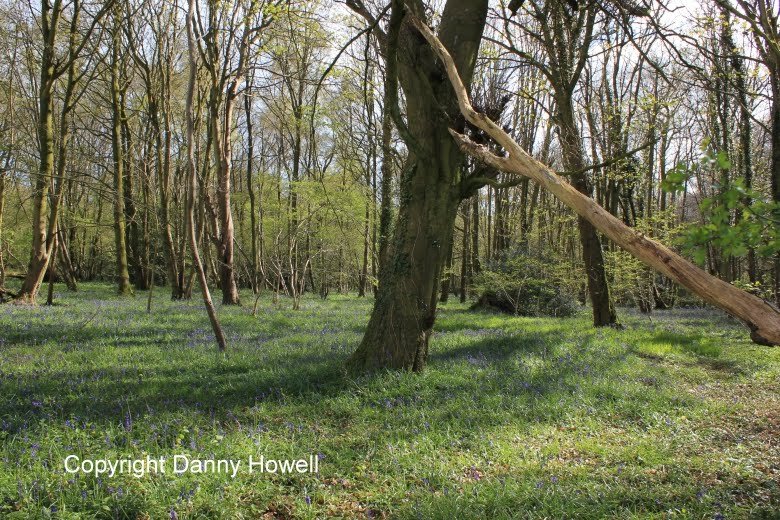
Some photographs taken by Danny Howell
on the afternoon of Sunday 22nd April 2012,
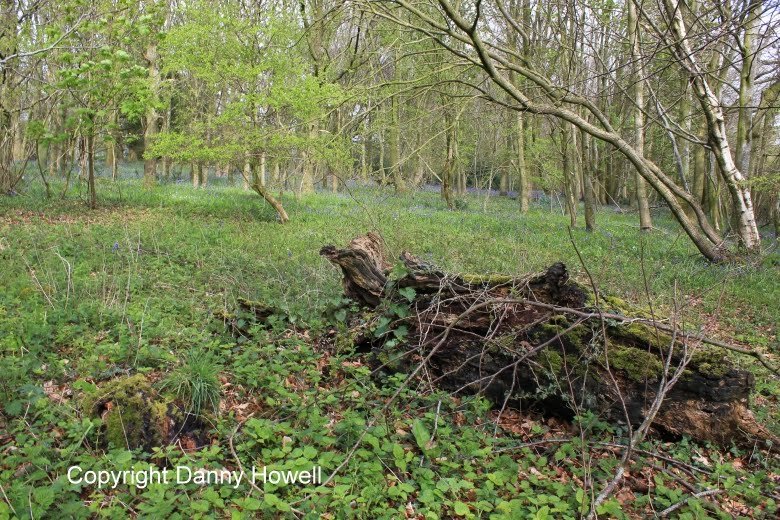
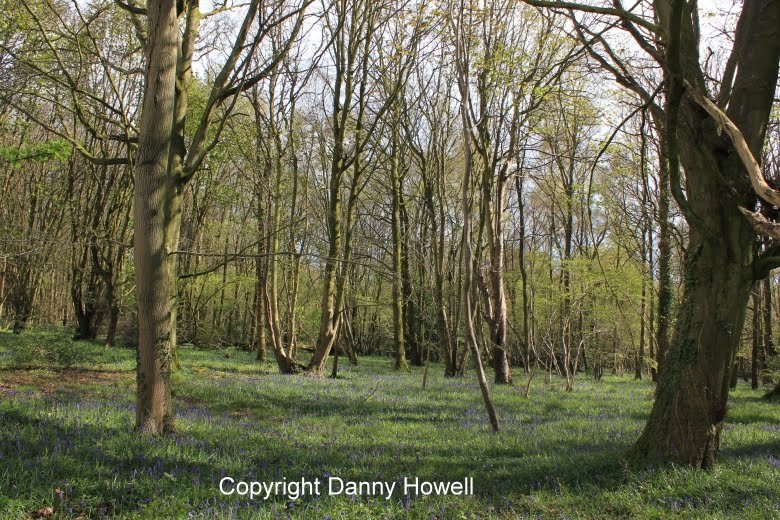
in the woodland adjacent the Ox Drove, near Wylye, Wiltshire, to the east of where the Ox Drove crosses the Wylye/Dinton road.

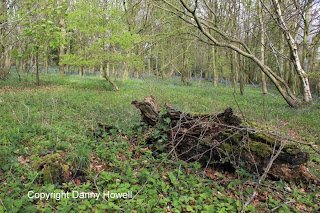
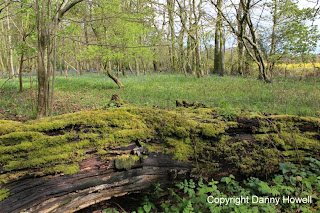
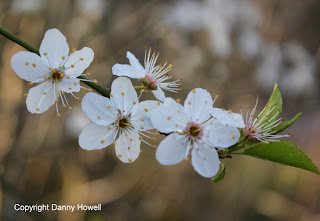
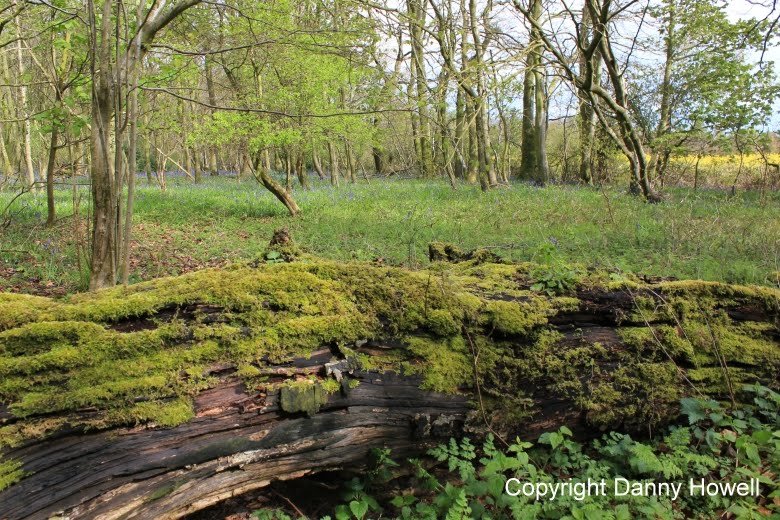
Fallen trees provide havens for insects and other wildlife.

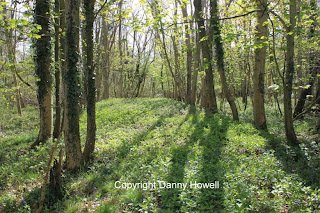
A raised platform where perhaps a building may been
during the Second World War years.

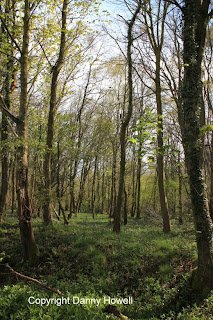
The tree canopy is not sufficient yet to block out all the sunlight.

Looking through the trees to the yellow of an oil-seed rape field.

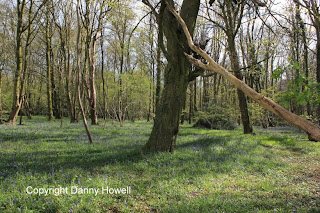
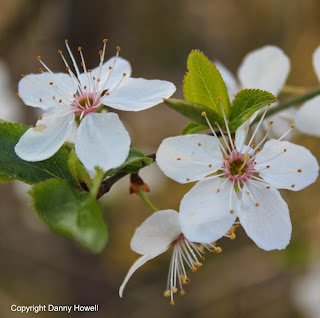
The bluebells have flowered earlier than usual.

The mossy covered trunk of a fallen tree.

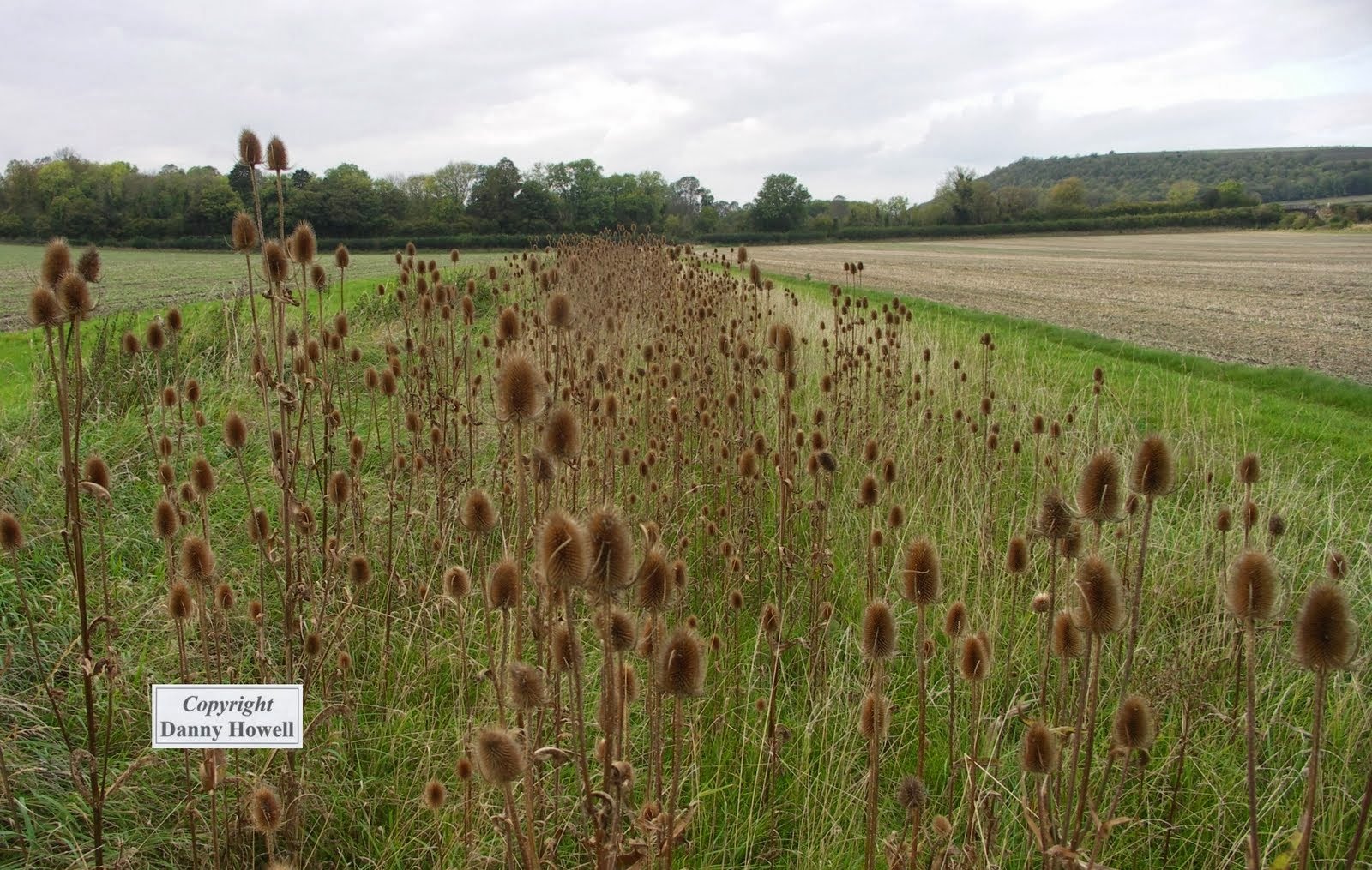
Teasels At The Bourne Ditch, Bishopstrow

Some photographs taken by Danny Howell
on Thursday 13th October 2011,
during the late afternoon, early dusk period,
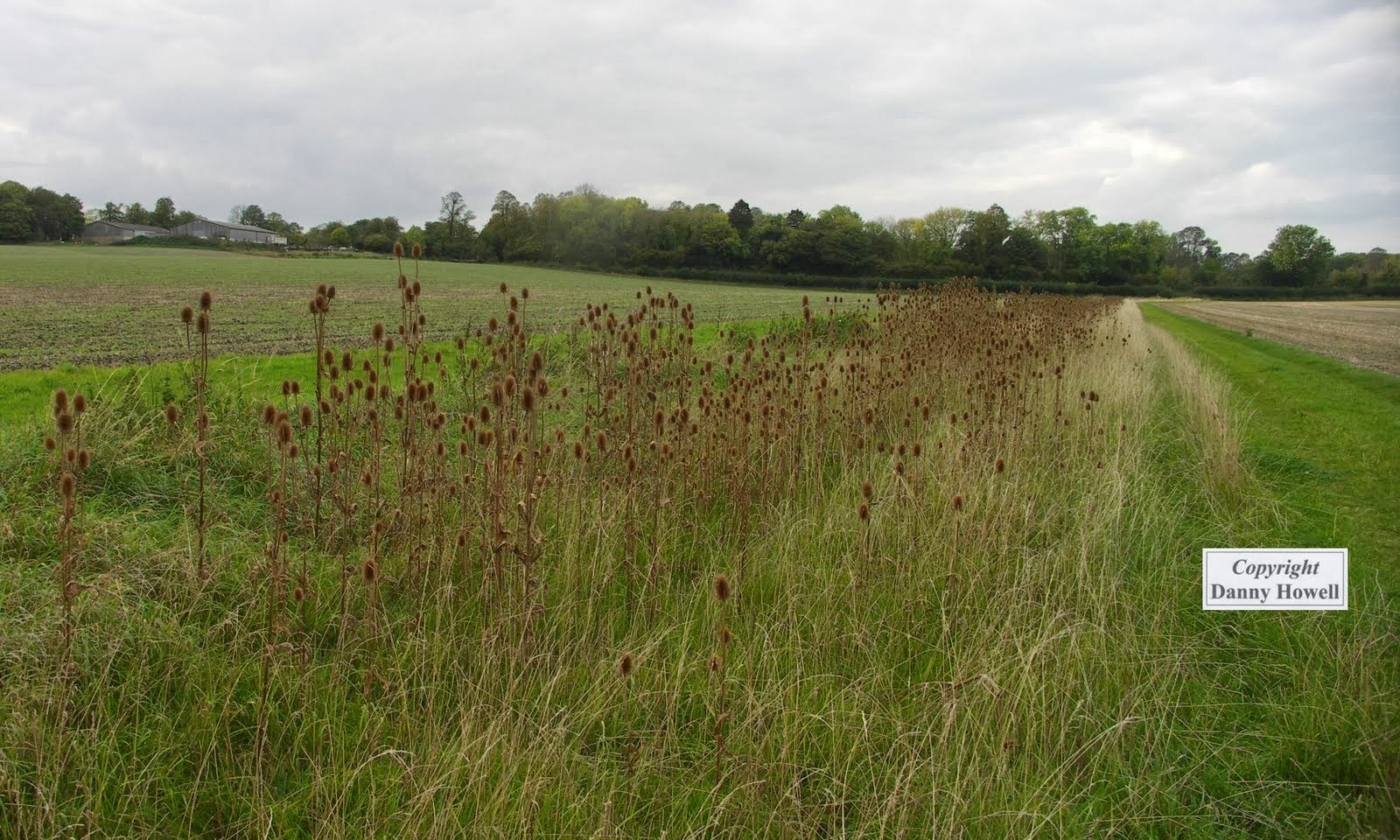
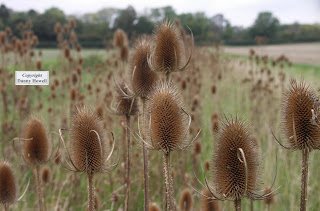
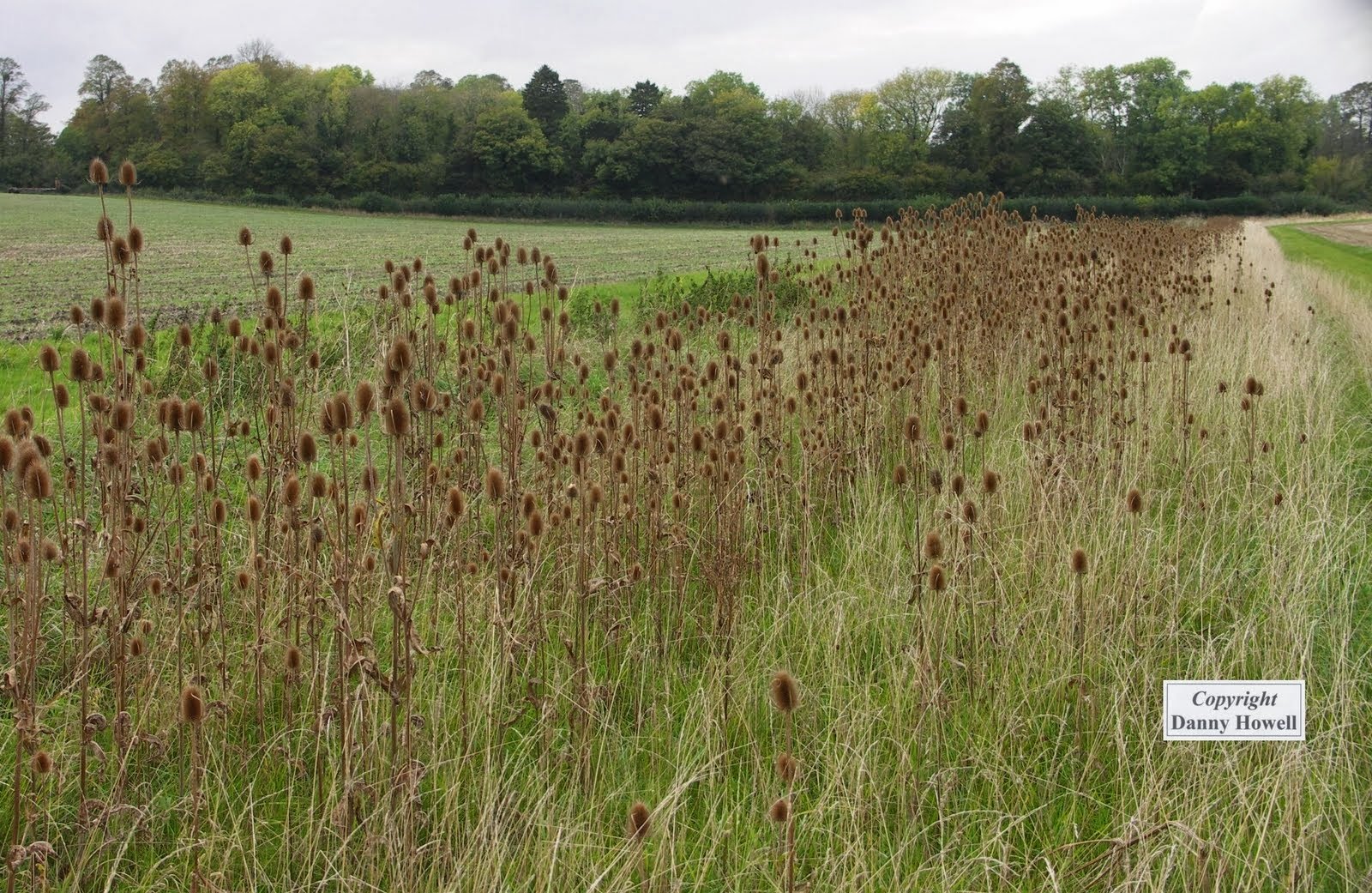
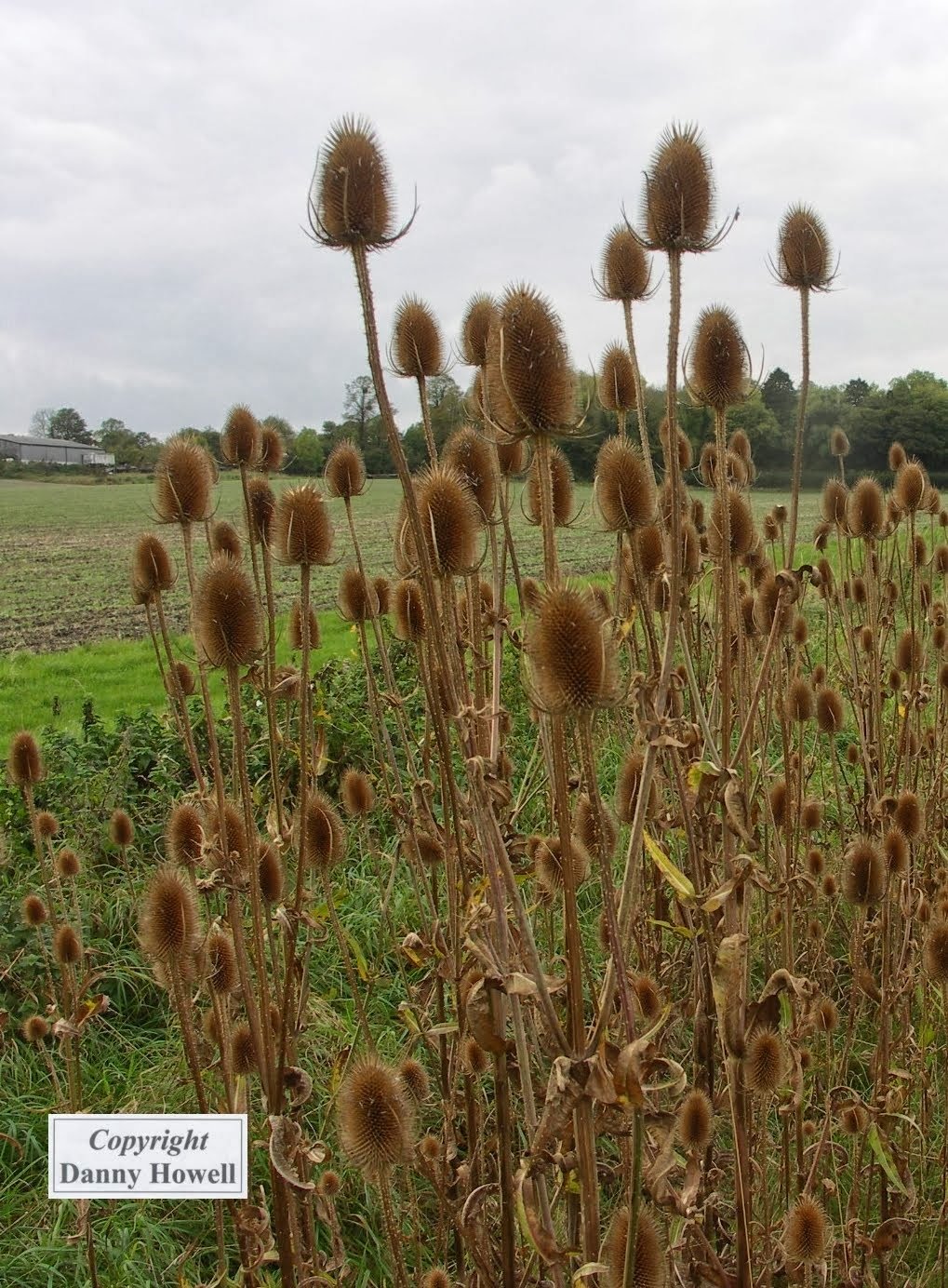
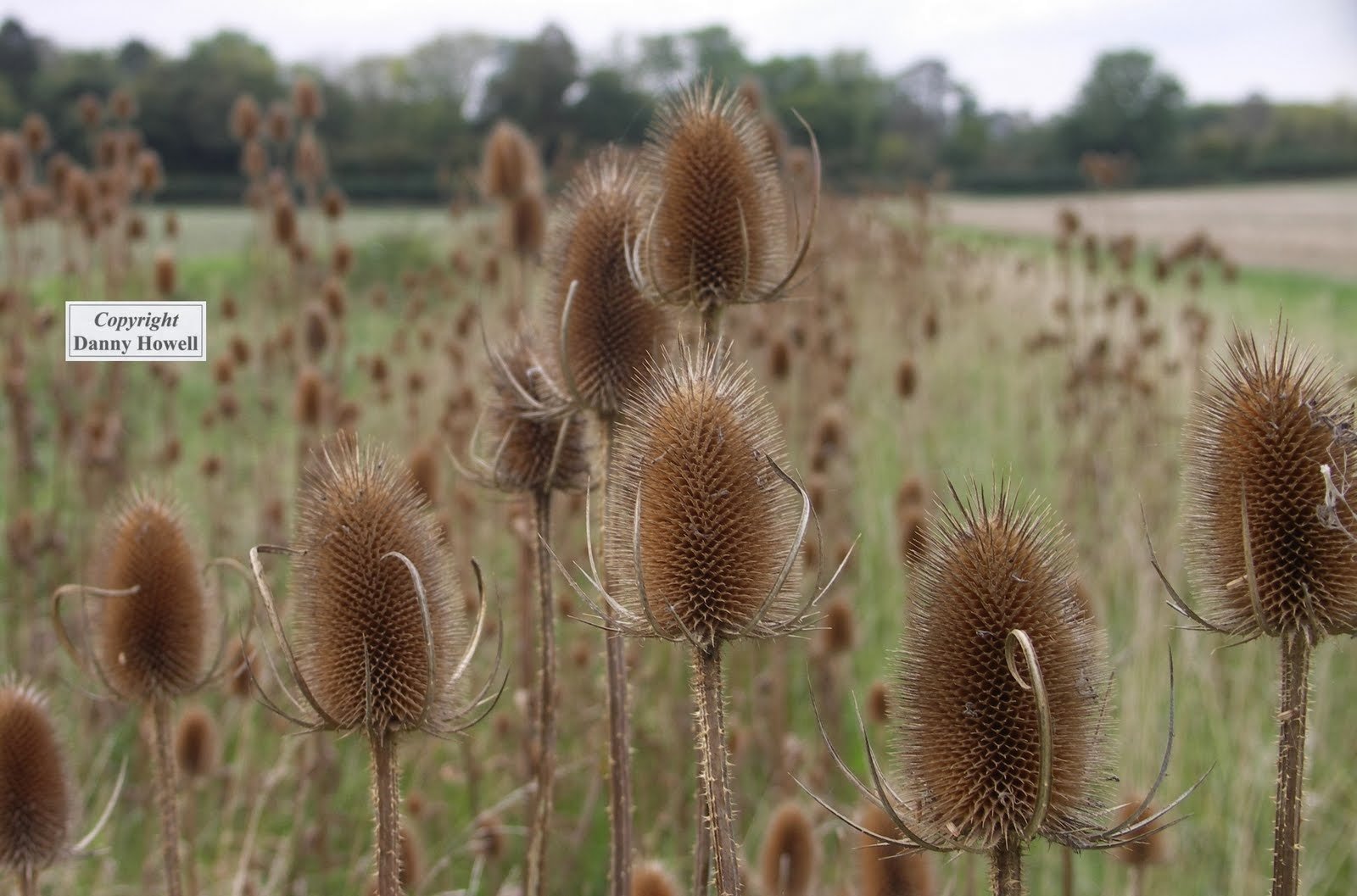
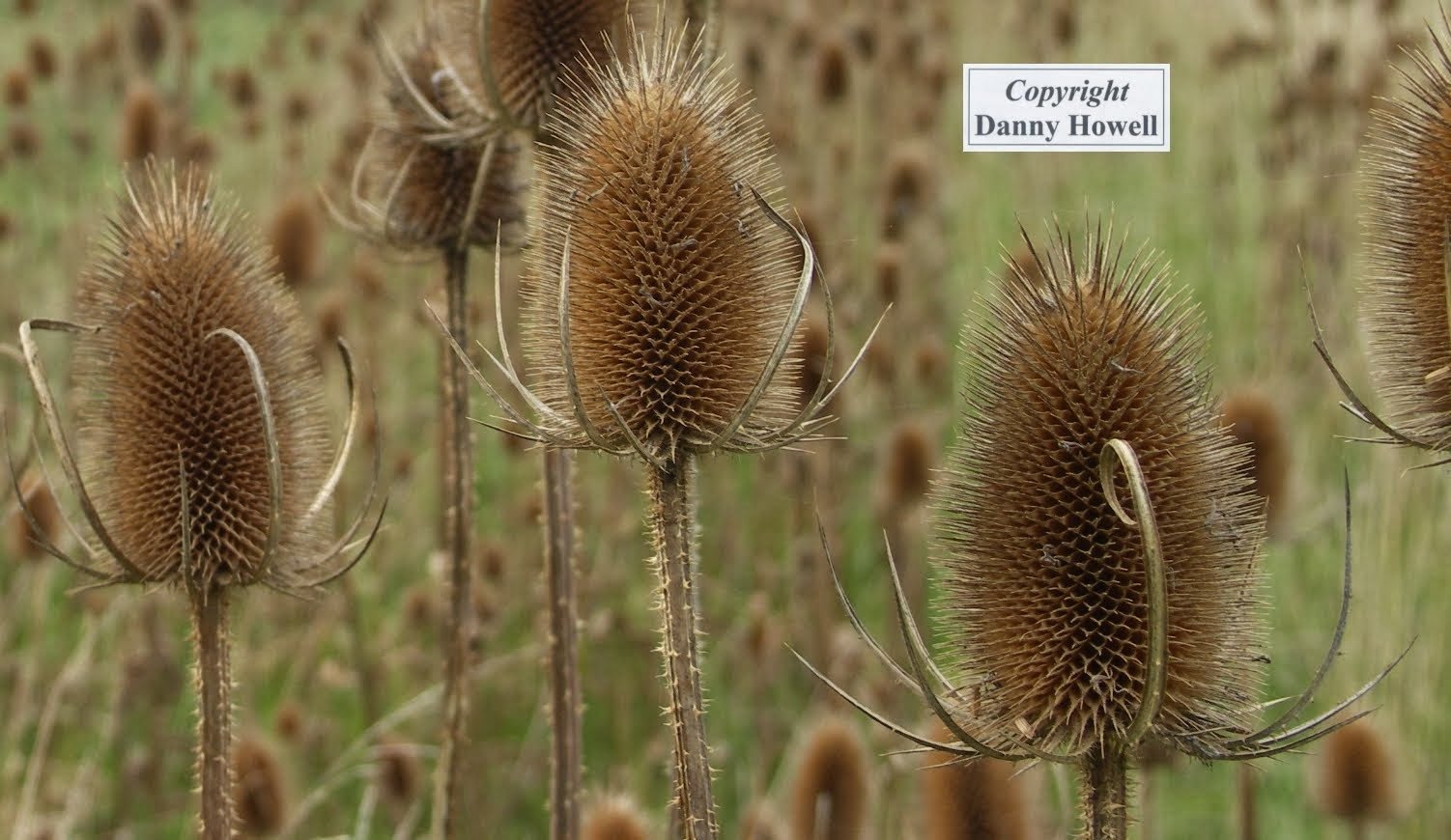
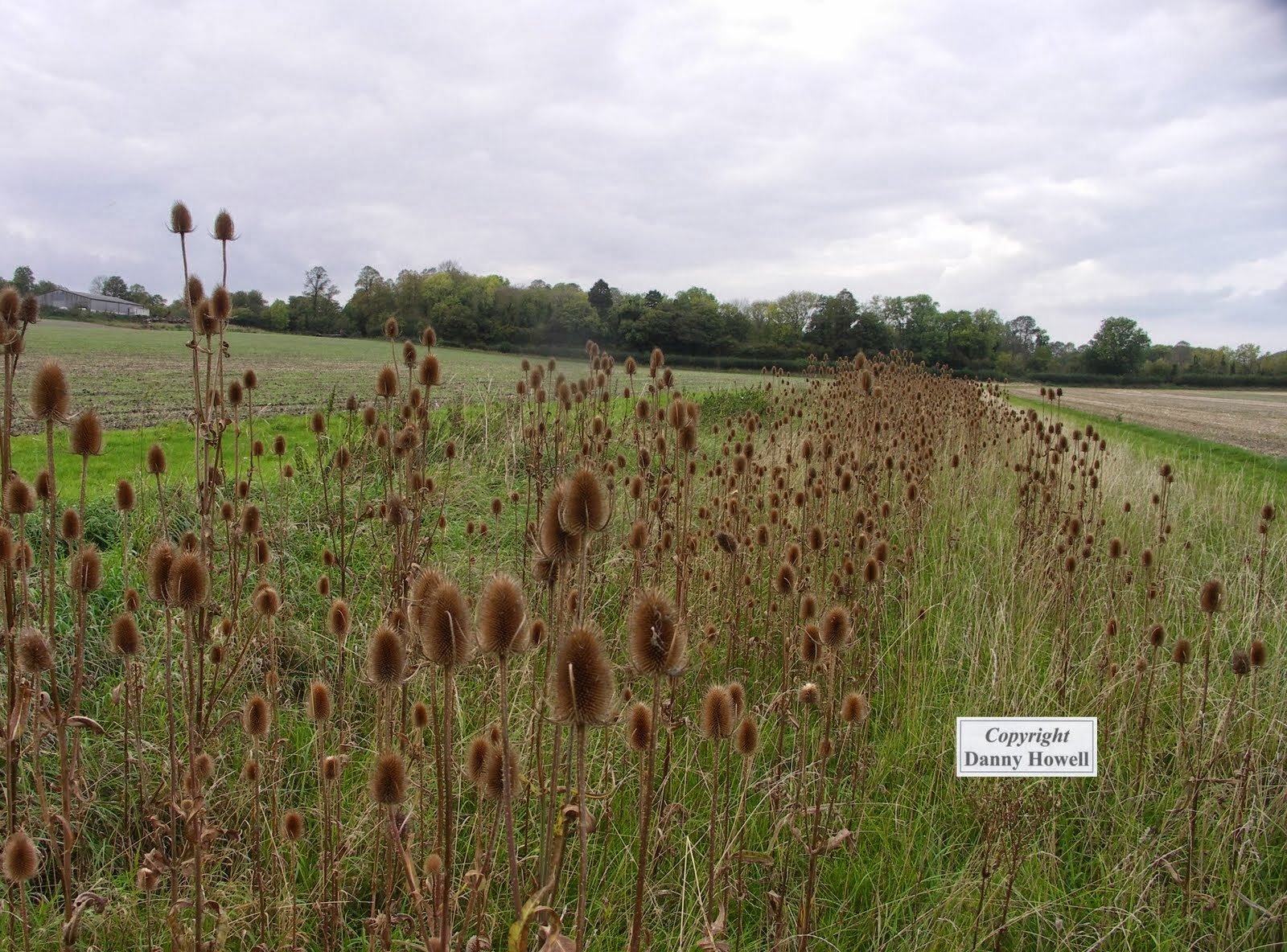
showing the teasels along the Bourne Ditch,
at Bishopstrow, just east of Warminster.

The Bourne Ditch divides Dairy Field
(to the south/left side of the picture)
and the Railway Field
(to the north/right side of the picture)
at Bishopstrow Farm.


The barns at Bishopstrow Farm can be seen
in the top left corner of the photograph.


Cox’s Drove Wood in the background.
Cox’s Drove is hidden behind the hedge.

“During the winter months of the last few years,”
says Danny Howell,
“I have regularly seen many goldfinches
flitting from teasel to teasel along here
~ a delightful sight I always enjoy seeing.”

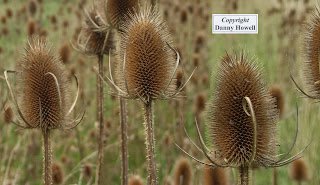
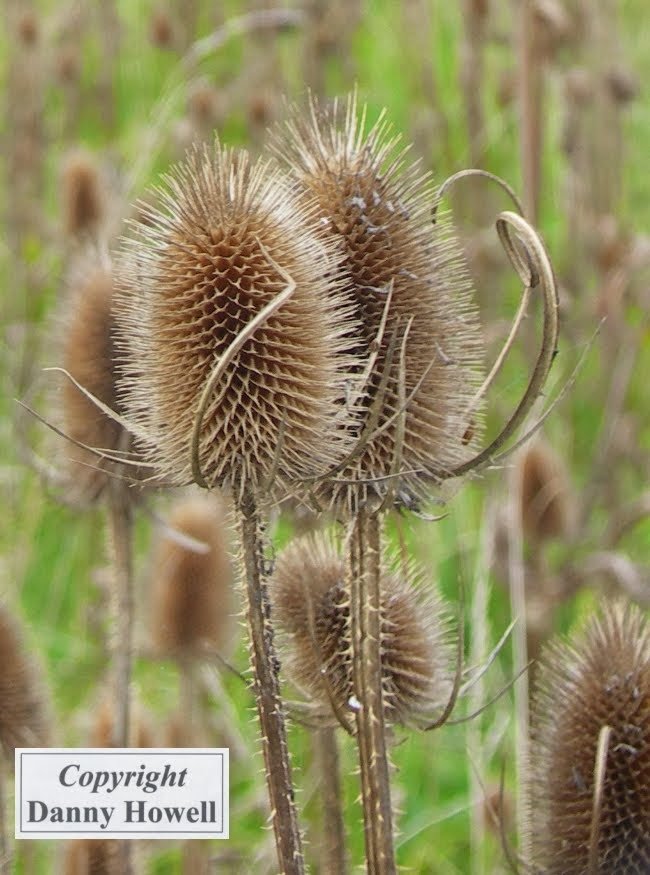
The goldfinches are able to penetrate the spikes
of the dried seed heads, thus gaining access to
a valuable source of food for themselves.

Battlesbury Hill can be seen in the
top right corner of the photograph.

The Prince Of Wales’ Oak, Bishopstrow

From The Warminster Wylye Valley And District Recorder, No.11, published 1st December 2007:

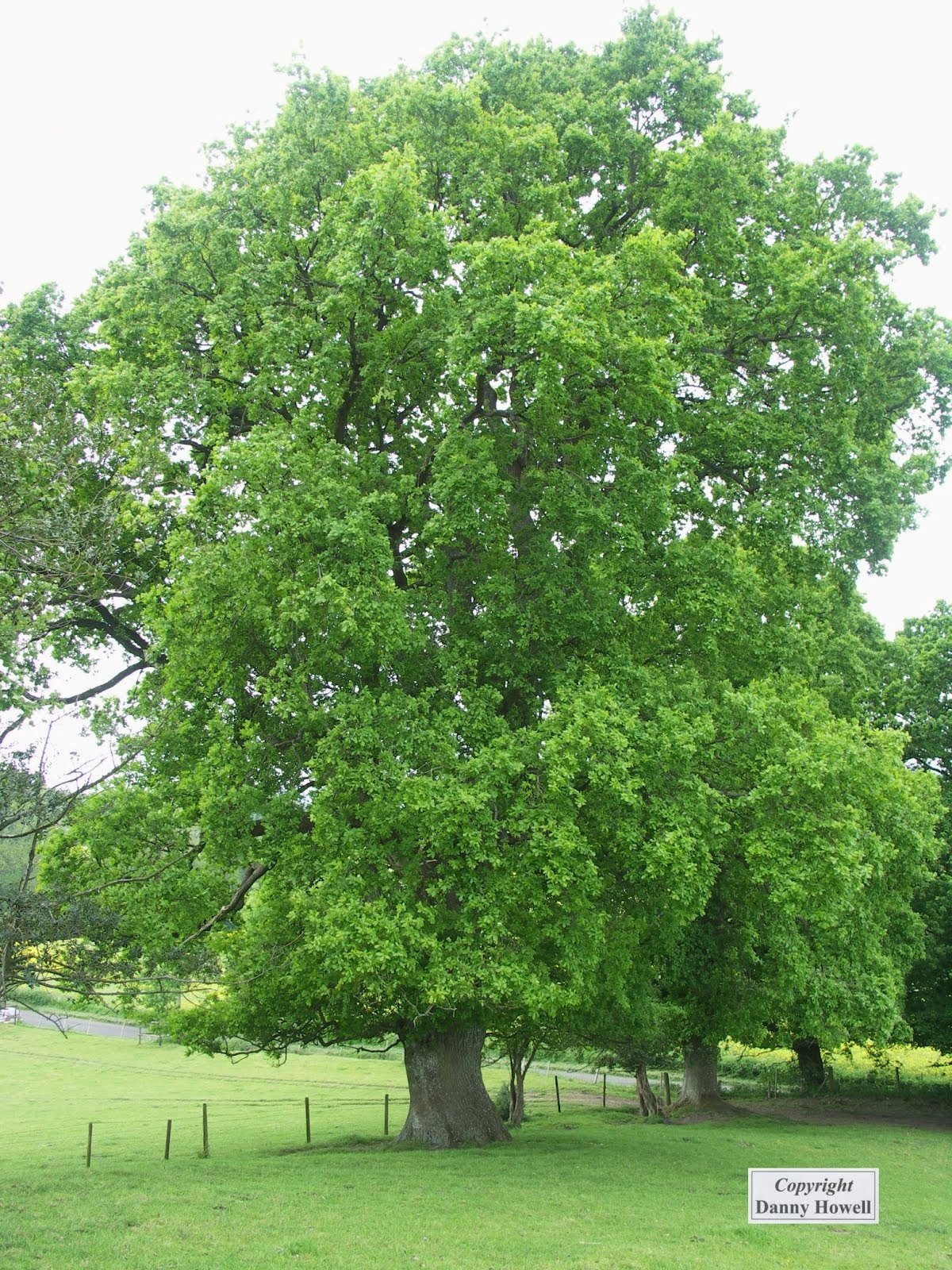
The Prince Of Wales’ oak, Bishopstrow

Danny Howell writes:

Church Close at Bishopstrow is more commonly known today as the Glebe Field or the Recreational Field. Overlooked by St. Aldhelm’s Church, it is situated between Church Lane and Pitmead Lane, and serves not only as a play area but also as the village cricket pitch. On its west side is the old Bishopstrow Club, a small building constructed of corrugated sheets which is currently painted in green and white, and serves as the cricket pavilion. In the north-west corner of the field, in close proximity to Wessex Water’s “14441 Bishopstrowe Sewage Pumping Station” is a set of three swings and a concrete litter bin, and within a few yards of these, nearly opposite the wooden gate which marks the main entrance to the field, is an oak tree. Villagers, who were asked in 2006 if they knew any history concerning the oak tree, were unable to note anything about it. The significance of the tree and the names which had once been attributed to it, were forgotten and lost in time. The oak was, in fact, planted on 10th March 1863, to mark the occasion of the marriage of the Prince of Wales (later King Edward VII).

The Warminster Miscellany, the town’s monthly newspaper, reported in its April 1863 issue:

“BISHOPSTROW. – The marriage of the Prince of Wales on the 10th ult., was celebrated by the inhabitants of this village with a degree of heartiness that will mark the eventful day as quite an epoch in the history of the place. A subscription having been raised, beef, bread and beer were distributed to each family. A beautiful arch was erected across the street, and, at eleven o’clock, the Procession, headed by the Band, the School Children bearing flags, passed under it, on its way to Church. Prayers were read and an appropriate address given by the Rev. H. Walsh – and the National Anthem was sung by the choir and Congregation. The service ended, a memorial oak was planted by Mrs. Temple in a field called Church Close. At the conclusion of the ceremony three hearty cheers were given by the company. The inhabitants assembled again soon after three o’clock, and amused themselves with different games. Tea, cake and buns were provided for the children, and ham, bread, &c., for the women and men at Mr. Tylers.* The evening closed with a bonfire and fireworks, which were given by W. Temple, Esq.”

*Mr. Tyler, referred to in the report above was William Tyler, a farmer and dairyman, at Bishopstrow Dairy (now Dairy Cottage, at the end of Pitmead Lane).

For many years afterwards the tree was known locally as ‘The Prince of Wales’ Oak,’ or simply as ‘The Prince’s Oak.’

The tree is now over 50 feet high and its trunk measures 10 feet 30 inches in circumference at a height of about 40 inches from the ground. Around it is an octagonal seat, of wood, with a small plaque, on its north-facing side, which reads:

“Donated by the Villagers of Bishopstrow To Commemorate 50 Years of Peace, 19th August 1995.”

The seat was indeed inaugurated on Saturday 19th August 1995, the day when Bishopstrow villagers celebrated 50 years of peace following the Second World War. Other activities on the day included an ecumenical service of thanksgiving, attended by 90 people, held at St. Aldhelm’s Church, and led by the Rev. Denis Brett. This was followed by the planting of three new trees – to represent three age groups in the village – in the north-east corner of the Glebe Field. A horse chestnut grown by the children of Bishopstrow Nursery School was planted by Lydia Stone and Emma Barnes. A weeping willow tree, donated by Daphne Troop, was planted by village teenagers Katie Troop, Dominic Perry, Alexis Perry and Paul Harris. An English oak was planted by senior citizens Bert Legg and John Francis. Bert from Home Farm, Boreham, and John Francis, who grew up in Bishopstrow but afterwards lived at Boreham Field, Warminster, had both served for King and Country during the Second World War. The day concluded with a grand luncheon which was “much enjoyed by all.”
Upper Wylye Tree Group

August 2004

The Upper Wylye Tree Group was established in spring 2004, by enthusiasts who want to promote the knowledge of trees and arboreal environments. The group’s aims include the provision of tree and nature walks, trips and talks.

A tree identification quiz, organised by John Wilkinson and Ian Foster, was held at Kingston Deverill Fete in July 2004.

Previously, a photographic exhibition was held at the Deverills’ Dog Walk, and the first tree walk, led by Charles Booth-Jones was very successful. The next walk will be held on Seed Gathering Sunday (10 October), in conjunction with the International Tree Council.

The Group also hopes to celebrate the launch of the tree planting season, by taking part in National Tree Week, 24 November to 5 December. Other events are being planned and will be publicised nearer the time.

Anyone is welcome to join the Upper Wylye Tree Group. Telephone John Wilkinson, 01985 844998, for further details.

Celebrating The Great Bustard Project

From The Warminster And District Companion, Volume One, May 2003:

Danny Howell writes: .

The Great Bustard (otis tarda) is the heaviest flying bird in the world, with the fully adult cock birds weighing more than 50 lbs. Extinct in Britain since the 1870s, it was until 1830 a common sight on Salisbury Plain, hence its depiction on the crest of Wiltshire County Council. .The Reverend John Jeremiah Daniell, in his History Of Warminster, published in 1879, noted:

“The bustard might have been seen on Warminster Down about the year 1800. A man, on horseback, crossing the Plain to Tilshead, early on a morning in June, saw over his head a large bird; it alighted on the ground in front of his horse, which it seemed disposed to attack: he dismounted, and after nearly an hour’s struggle, secured it. It proved to be a Bustard, and was sold to Lord Temple for thirty guineas; it ate birds, mice, and almost any animal or vegetable food. About a fortnight after, a farmer returning from Warminster Market, was attacked in the same way, it is thought by the mate of the former bird; his horse being high-mettled, took fright, and became unmanageable, so that he could not capture the Bustard.”
An attempt was made in the 1970s to breed Great Bustards in captivity at Porton Down, with hopes of re-establishing them on the Plain, but this proved unsuccessful. .

As this volume of The Warminster & District Companion was nearing completion it was announced in the press that a new attempt was going to be made to re-introduce the Great Bustard on to Salisbury Plain.

.The Great Bustard Group, working in collaboration with the Zoological Society of London and Stirling University were planning to bring at least 25 Bustard chicks from Saratov in Russia, having obtained a licence from DEFRA (the Department of the Environment, Food and Rural Affairs) after four year’s preliminary work. Six Russian experts were due to arrive on Friday 18th April 2003, and would be staying, rather appropriately, at the Bustard Inn, near Rollestone. As well as concentrating on the all-important avian matters, the experts were hoping to visit Stonehenge Ales, at Netheravon, to try a pint or two of Great Bustard beer.

The new project has been heralded as part of an effort to restoring a grassland corridor across Europe for the birds. The new chicks have been hatched from eggs removed from fields where they would have been destroyed by the use of agricultural machinery. Following quarantine precautions, the birds would be acclimatised in a release pen, prior to being let free on to the Plain. Human contact would be minimised. .The hope has been expressed that the project, if successful this time, could attract more visitors to Wiltshire, thus adding to the local income for those in the tourist trade.

The Warminster & Wylye Valley Society For Local Study wishes the new project well, and by way of celebrating this initiative, shares the following article with readers and interested individuals. It was originally included in Richard Cope’s Complete Natural History (compiled from the works of Buffon, Goldsmith, Cuvier, Shaw, Vaillant, Humboldt, Audubon, &c.), and was first published in 1840.

error: Content is protected !!