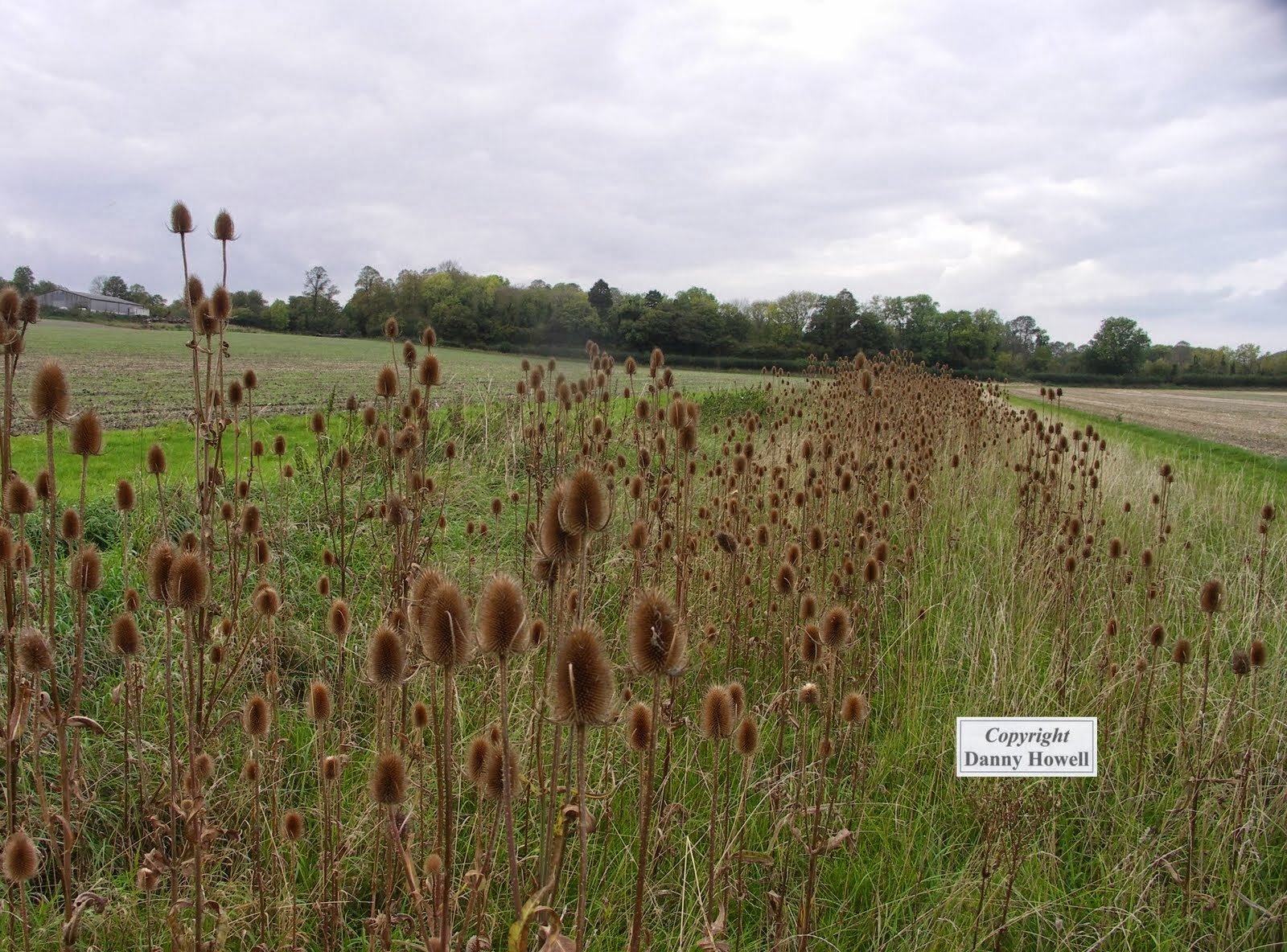
Wednesday 8th May 2013
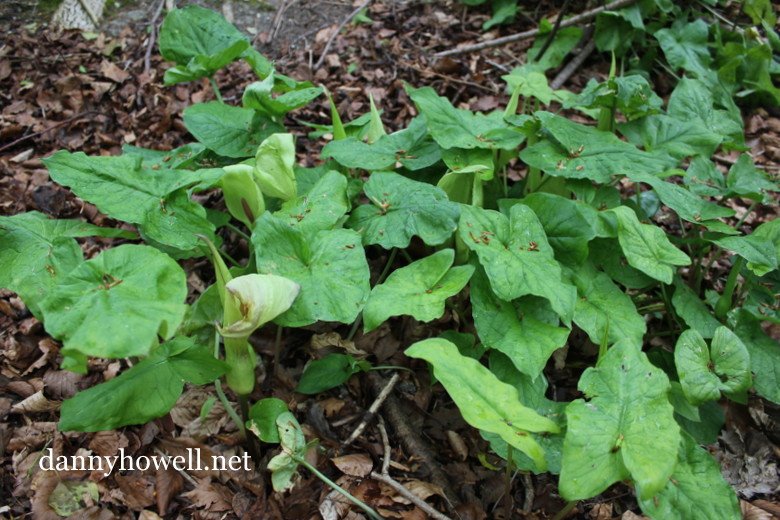
Wild Arum (known locally as Lords and Ladies)
in Norton Wood Plantation, Norton Bavant.
The photograph was taken by Danny Howell
on Wednesday 8th May 2013.
Wednesday 8th May 2013
Wild Arum (known locally as Lords and Ladies)
in Norton Wood Plantation, Norton Bavant.
The photograph was taken by Danny Howell
on Wednesday 8th May 2013.
Wednesday 1st May 2013
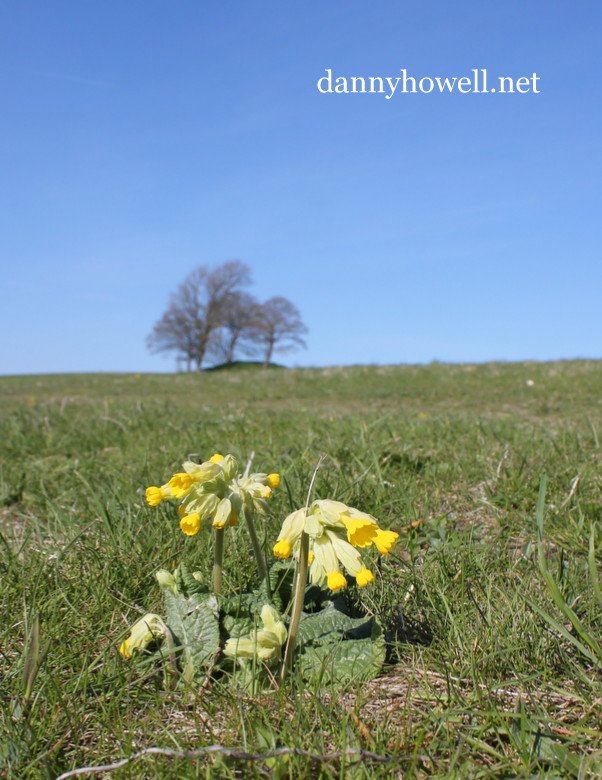
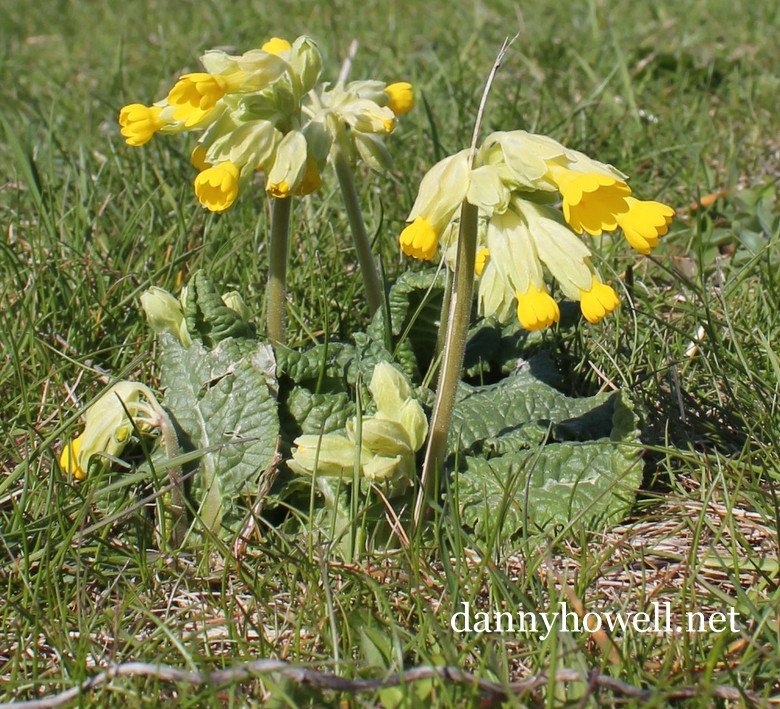
Cowslips on Middle Hill, Bishopstrow.

Photographed by Danny Howell
on Wednesday 1st May 2013.

Wednesday 10th April 2013
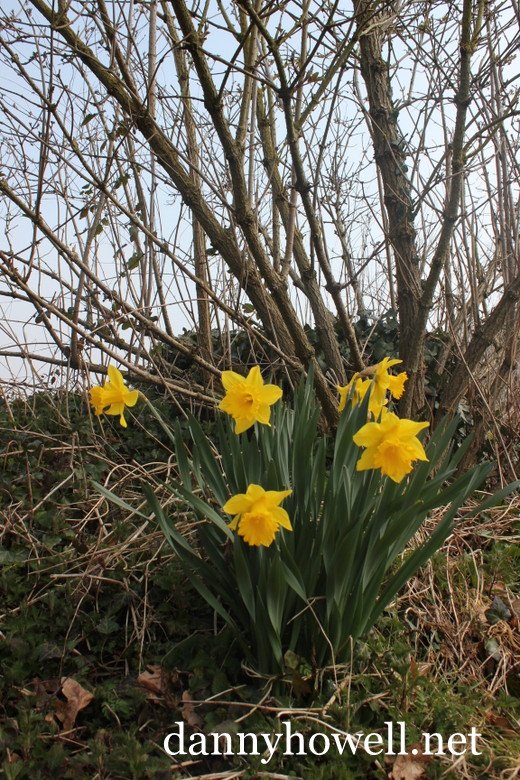
Daffodils growing wild in the bank
at Watery Lane, Bishopstrow,
near its junction with the
Bishopstrow/Sutton Veny road.
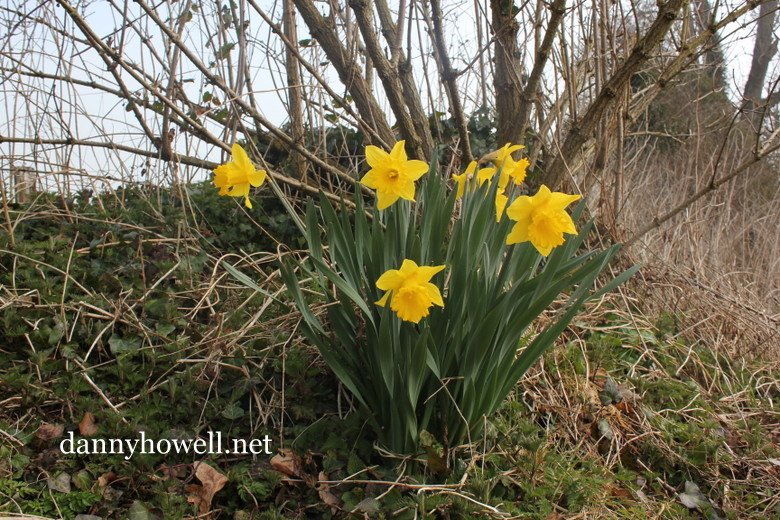
The photographs were taken by Danny Howell
on Wednesday 10th April 2013.
Sunday 10th March 2013
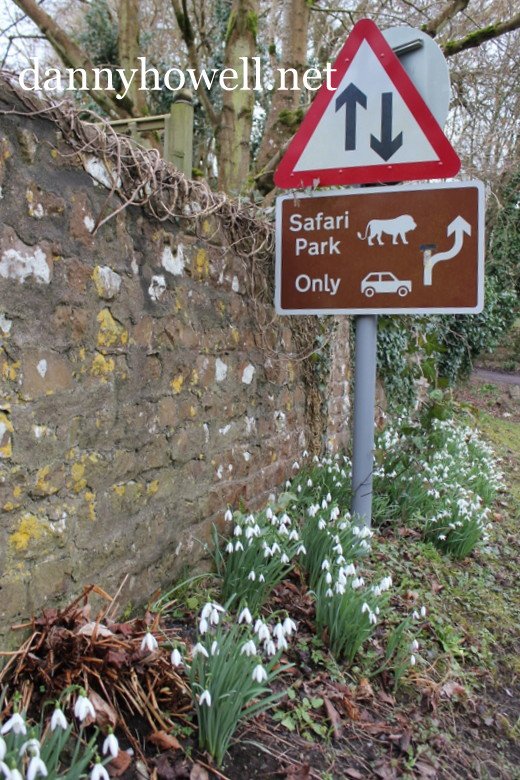
A fine show of snowdrops at Whitbourne,
Corsley, near the junction with the road
that goes up to Longhedge, photographed
by Danny Howell on the morning of
Sunday 10th March 2013.

Wednesday 30th January 2013
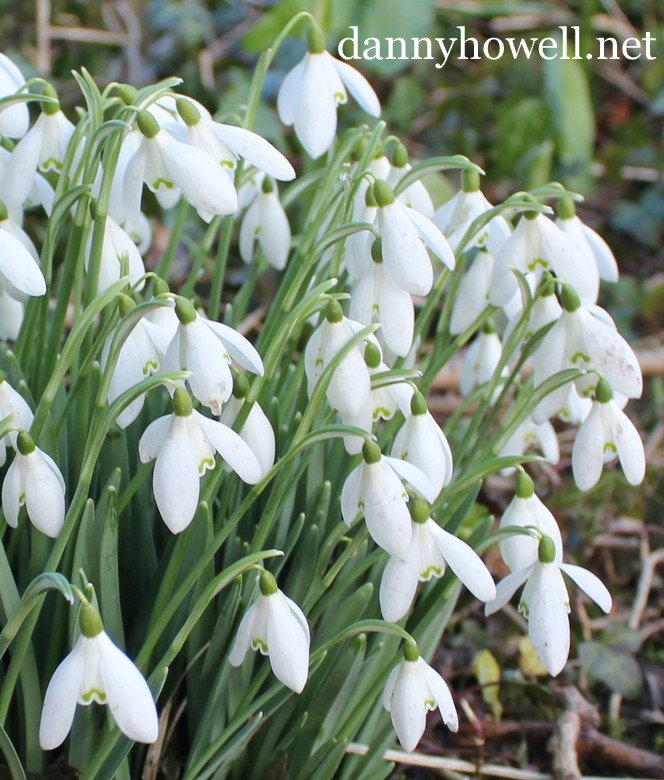
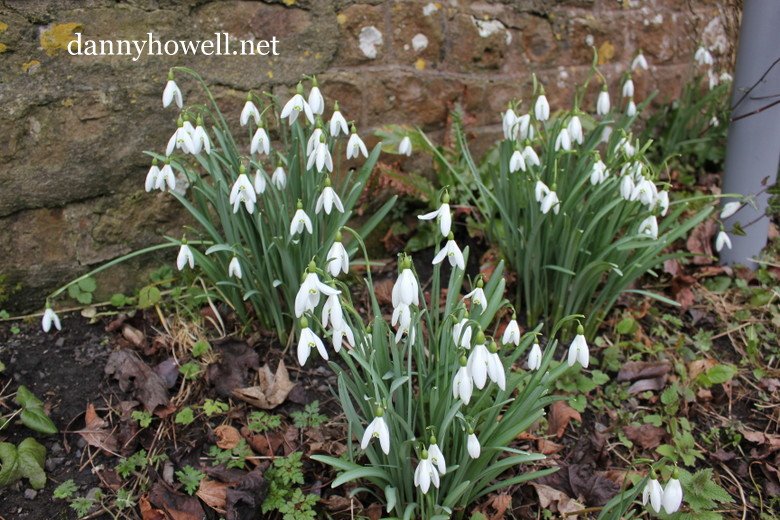
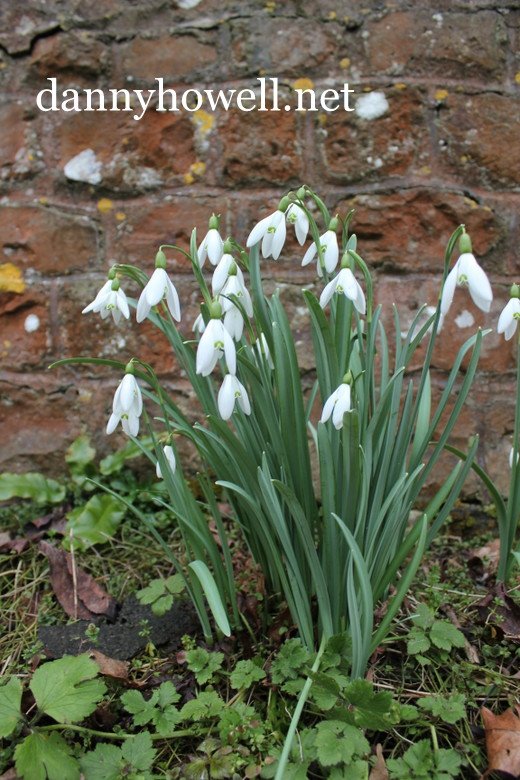
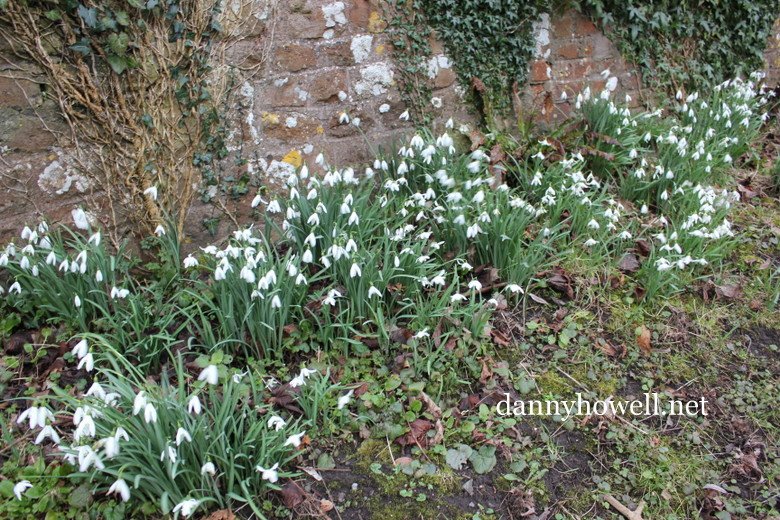
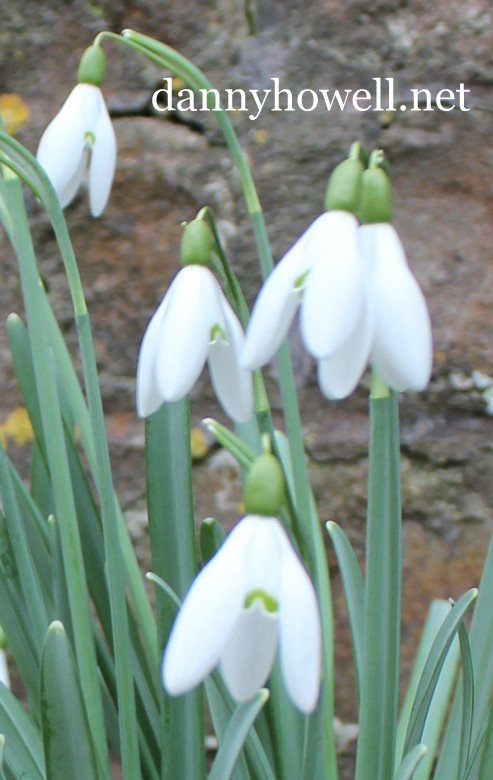
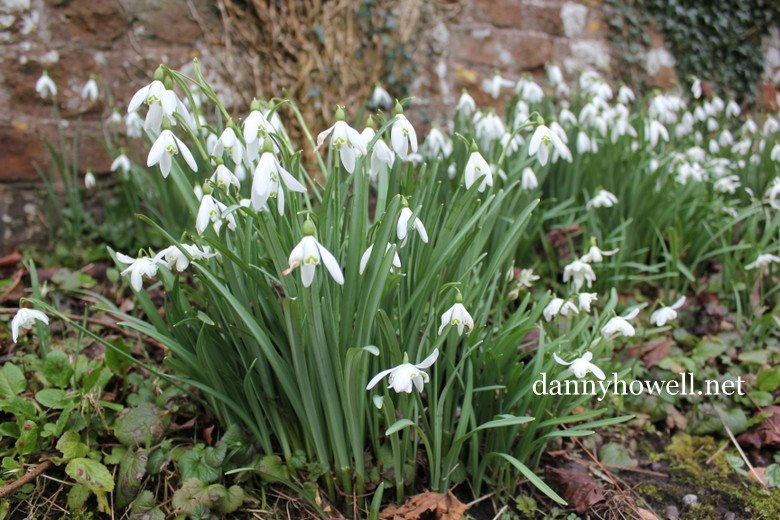
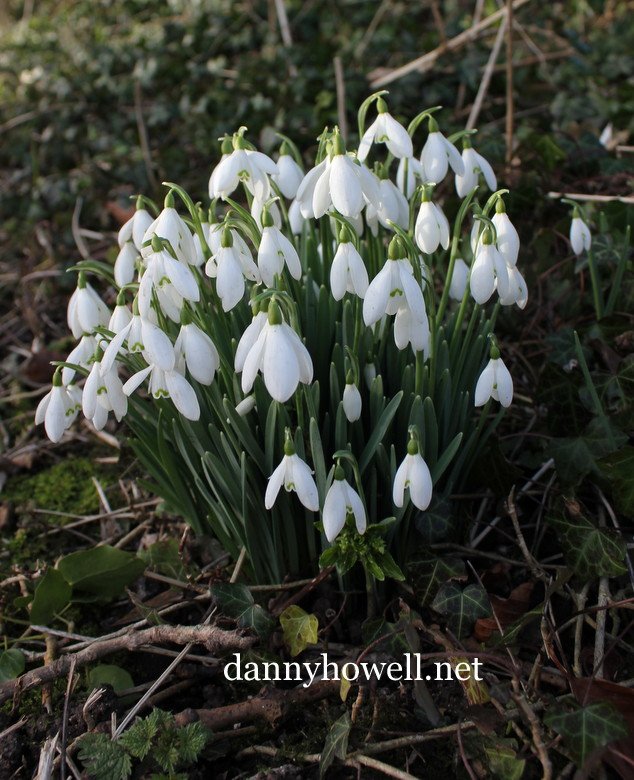
Just a few days after the snow has thawed out, these snowdrops have bloomed at Corton, in the Wylye Valley, Wiltshire.
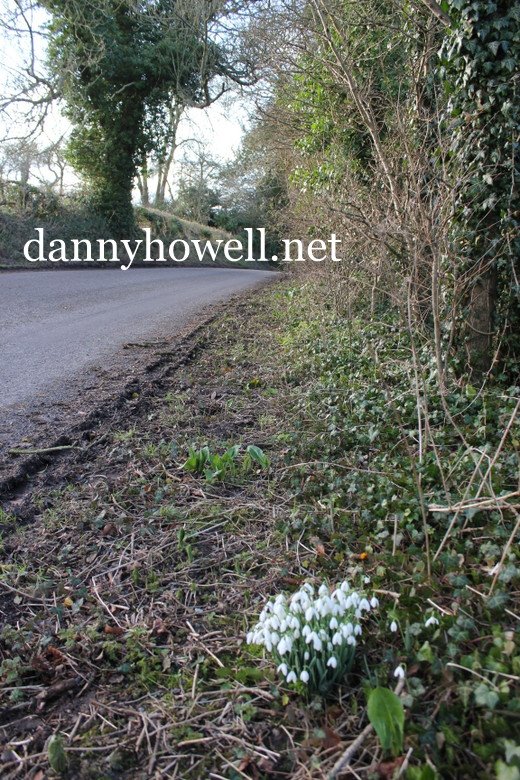
A dainty bouquet adjacent the road.
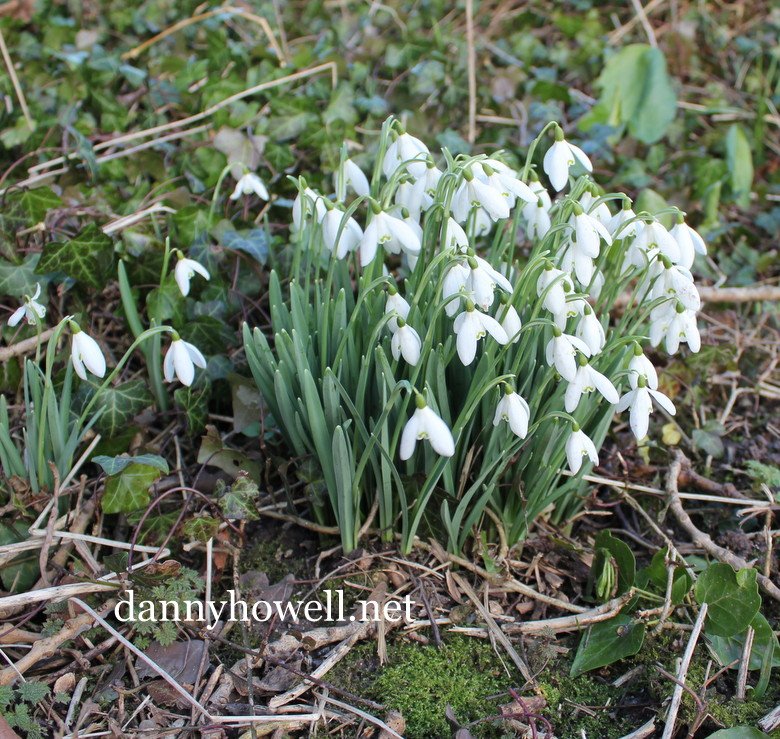
Photographs taken by Danny Howell on Wednesday 30th January 2013.

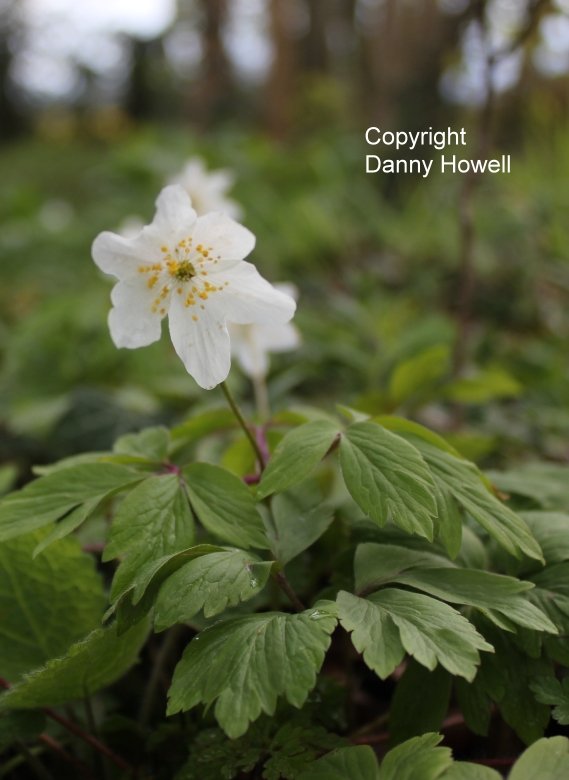
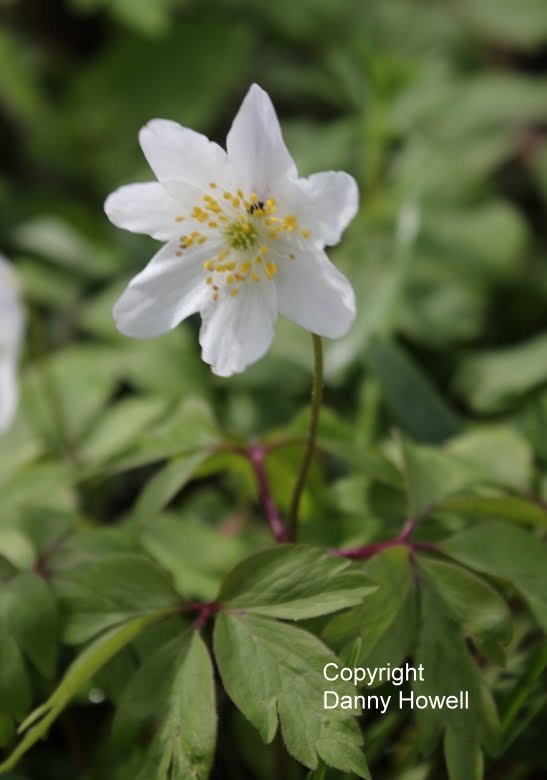
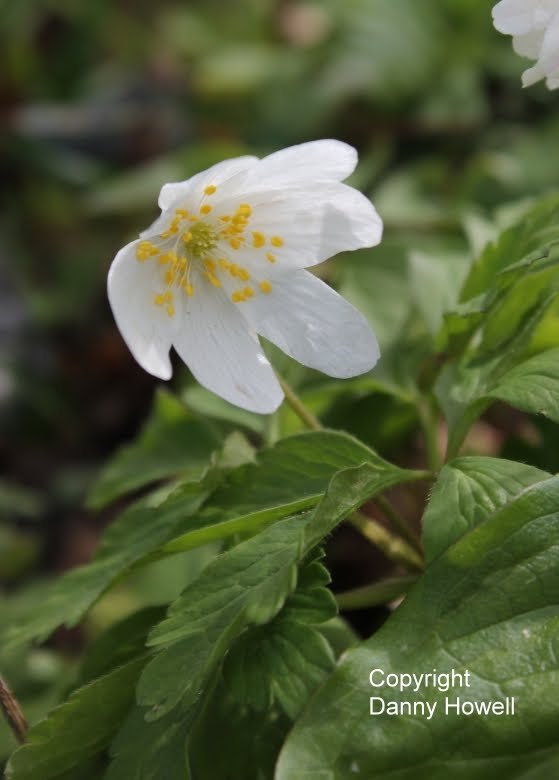
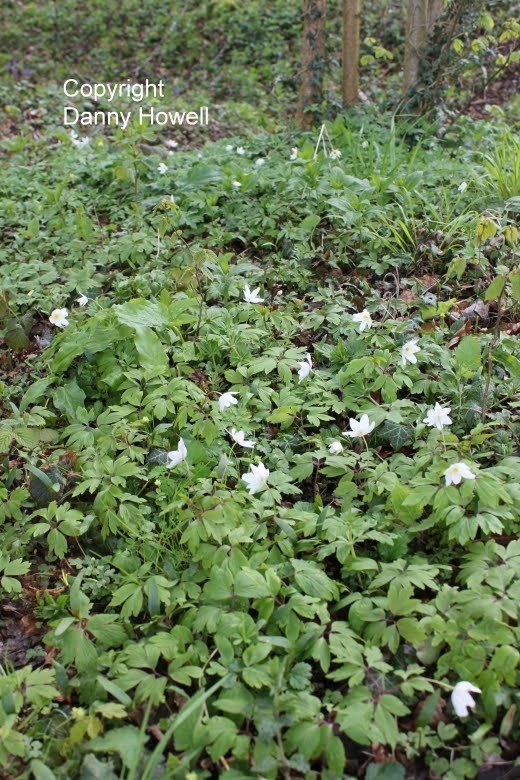
Some photographs of a carpet of wood anemones in
the woodland adjacent the Ox Drove, south of Wylye,
photographed by Danny Howell
on the afternoon of Sunday 22nd April 2012.
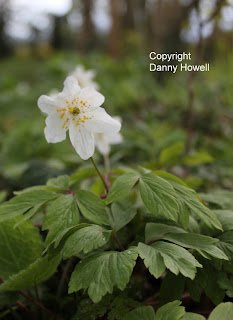
There are many folknames for this plant including crowfoot
and thimbleweed. The name “smell fox” is very popular and its origins appear to be the musky aroma of the anemone’s leaves.
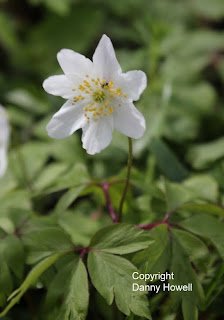
Wood anemones are widespread throughout the United Kingdom. It is found mostly in dry deciduous woodland, but is also seen in old hedgebanks indicating an area of vanished woodland, in which circumstances the plant is sometimes referred to as “the woodland ghost”.

It is a perennial, herbacious plant, growing 5 to 15 cms tall,
with three-stalked leaves up its stem.
Wood anemones flower from March until May.
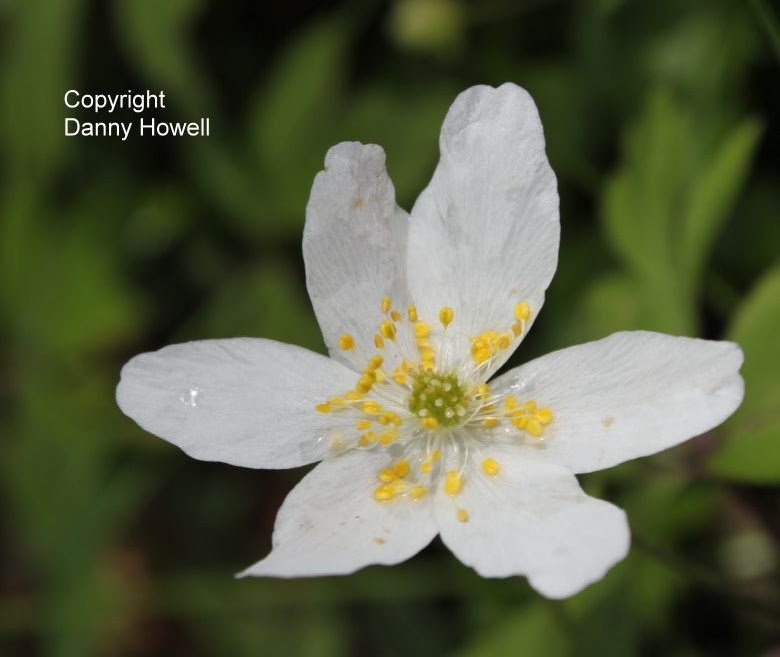
They do not have true petals but have what are called tepals.
The ones, seen here, are white
but some vareties are tinged with purple or pink.
The single star-shaped flowers are on an upright stem
and have many stamens.
Apparently, no honey or scent is produced
as the plant is self-pollinated and does not need
insects for this purpose.
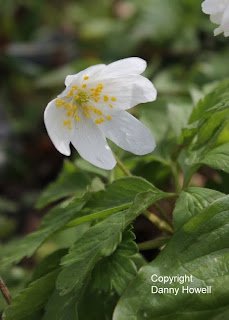
The wood anemone is one of the earliest and prettiest
of woodland flowers but it is poisonous and is not to be eaten. The plants can cause severe irritation of the skin, a burning sensation in the mouth and throat, nausea, vomitting and diarrhea.
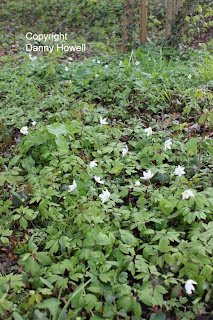
As the spring moves into summer and the tree canopy
blocks out the available sunlight, the flowers wither.
The plant dies each year but its underground stem,
which is called a rhizome, survives the winter.
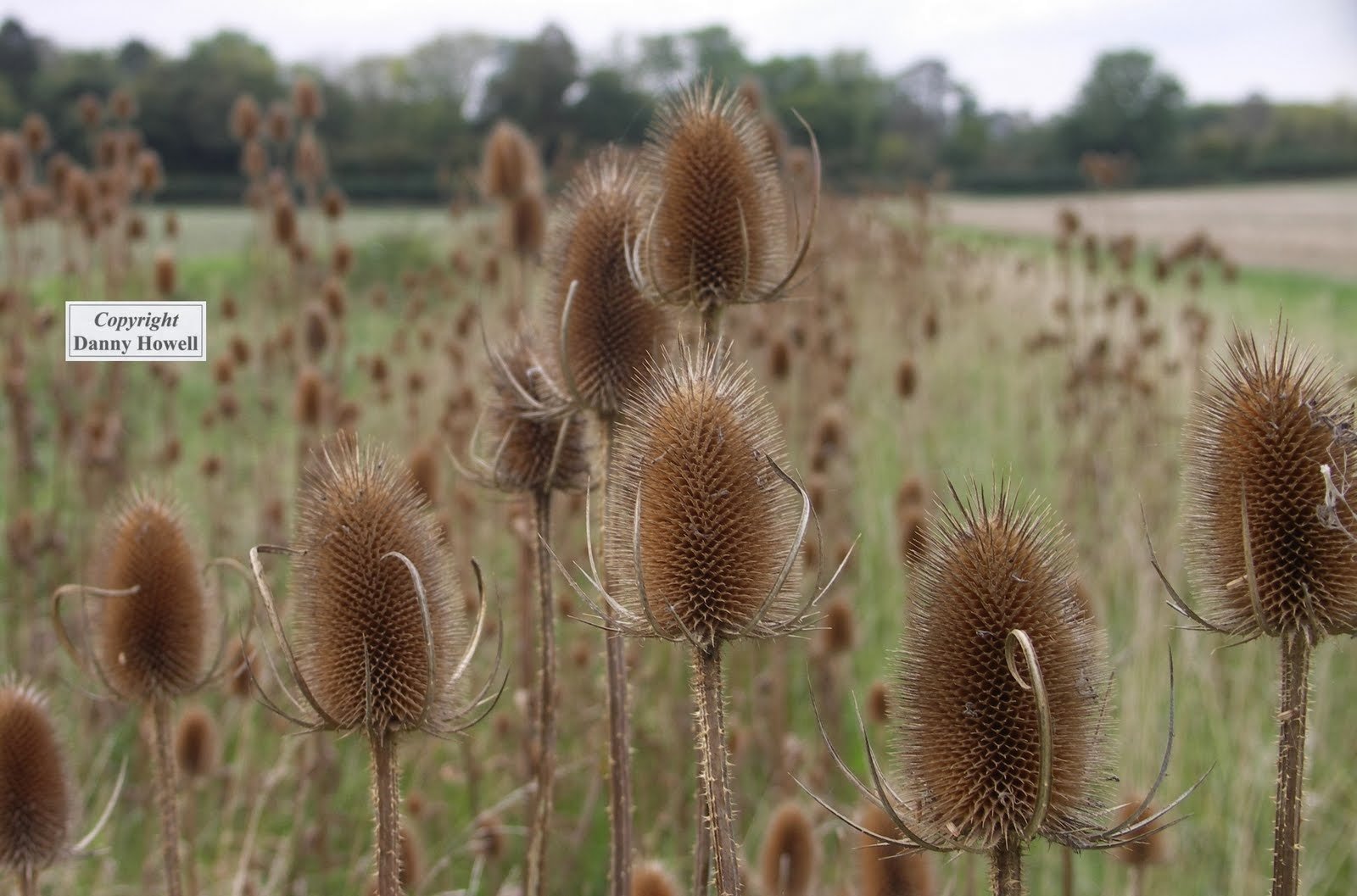
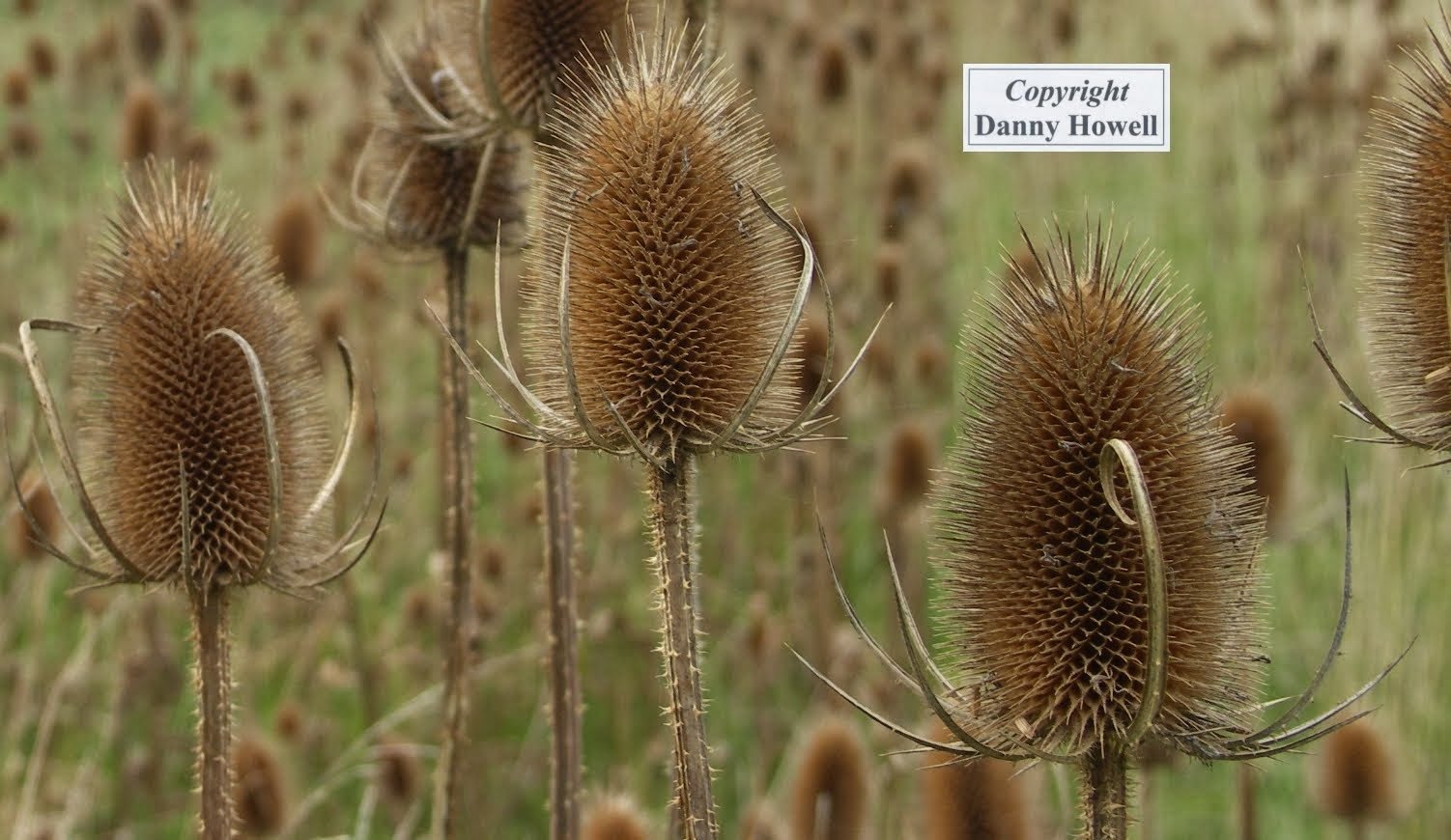
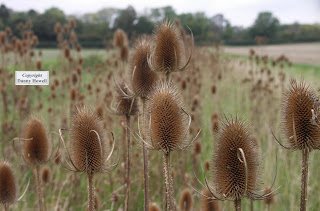
Some photographs taken by Danny Howell
on Thursday 13th October 2011,
during the late afternoon, early dusk period,
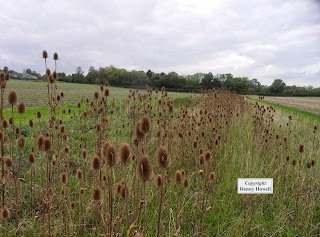
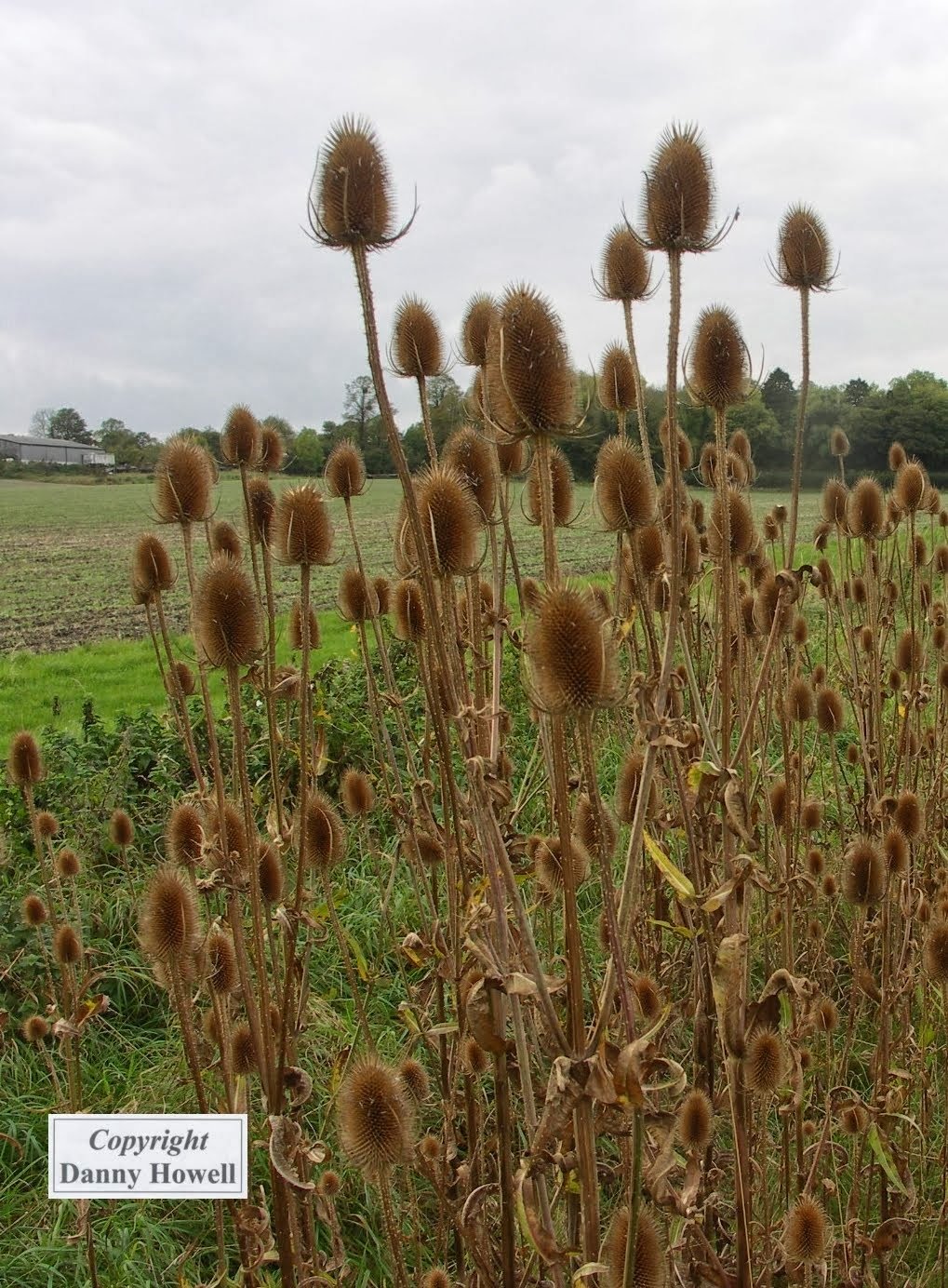
showing the teasels along the Bourne Ditch,
at Bishopstrow, just east of Warminster.

The Bourne Ditch divides Dairy Field
(to the south/left side of the picture)
and the Railway Field
(to the north/right side of the picture)
at Bishopstrow Farm.

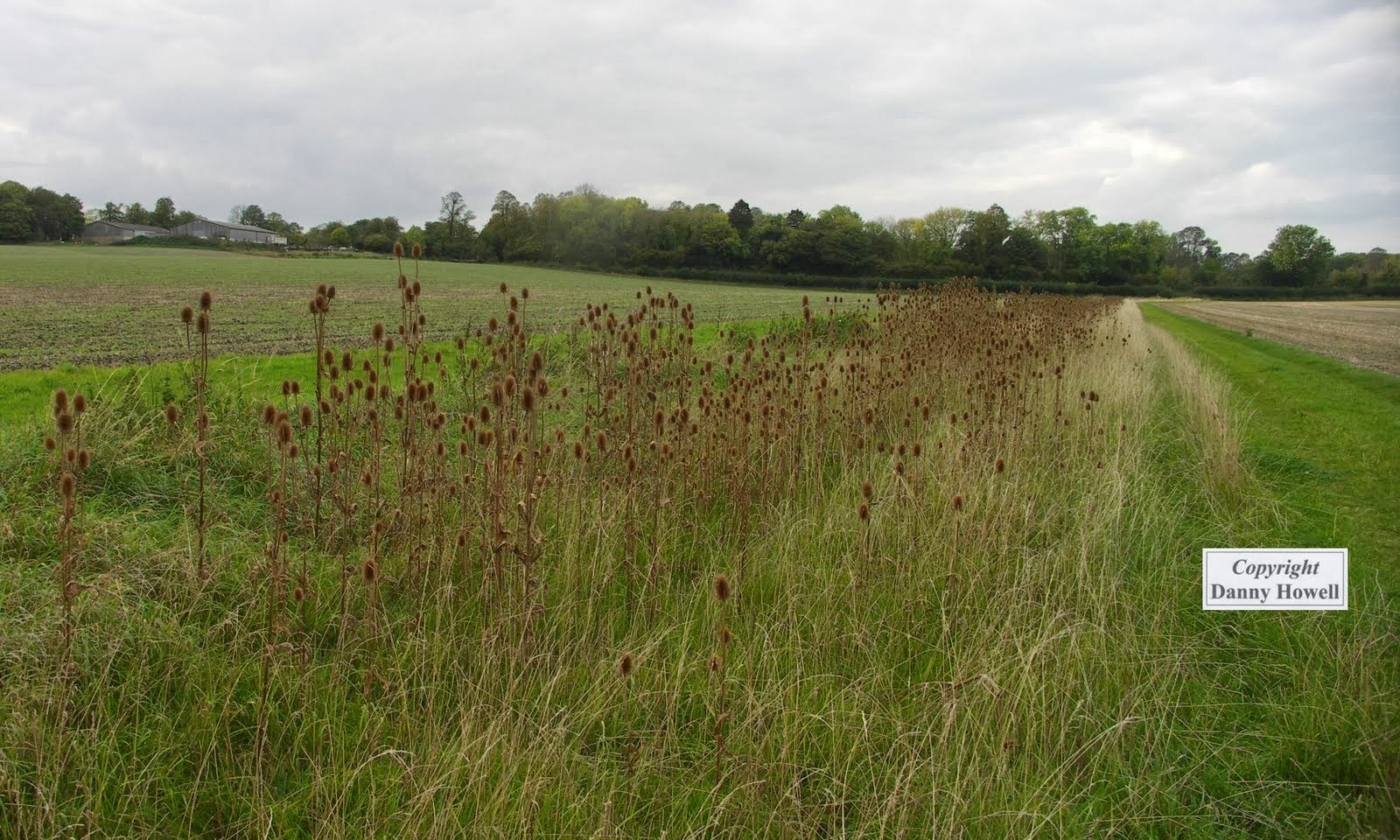
The barns at Bishopstrow Farm can be seen
in the top left corner of the photograph.
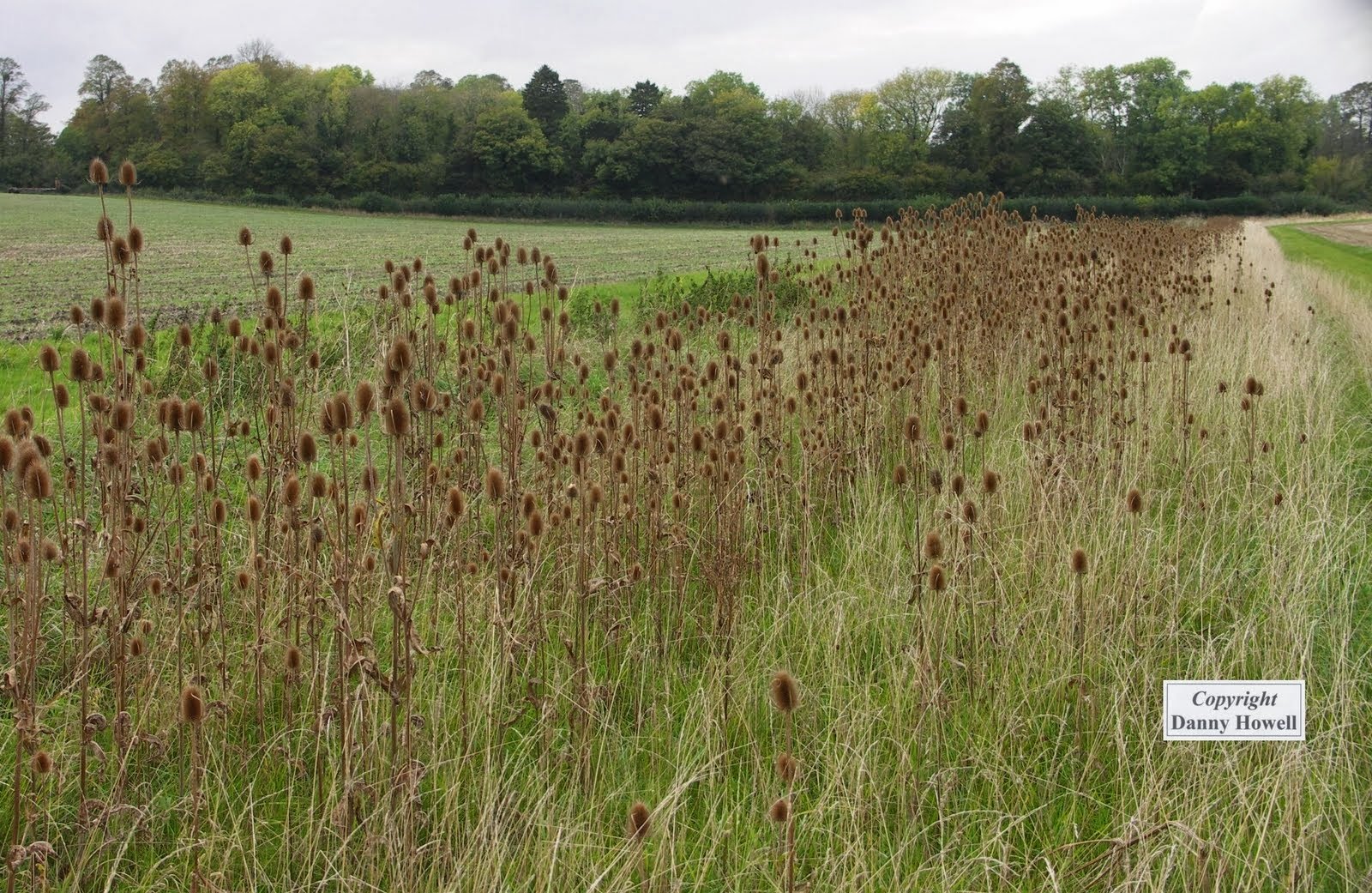
Cox’s Drove Wood in the background.
Cox’s Drove is hidden behind the hedge.
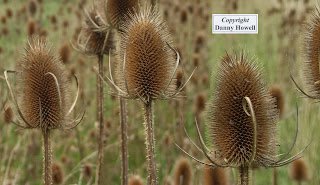
“During the winter months of the last few years,”
says Danny Howell,
“I have regularly seen many goldfinches
flitting from teasel to teasel along here
~ a delightful sight I always enjoy seeing.”
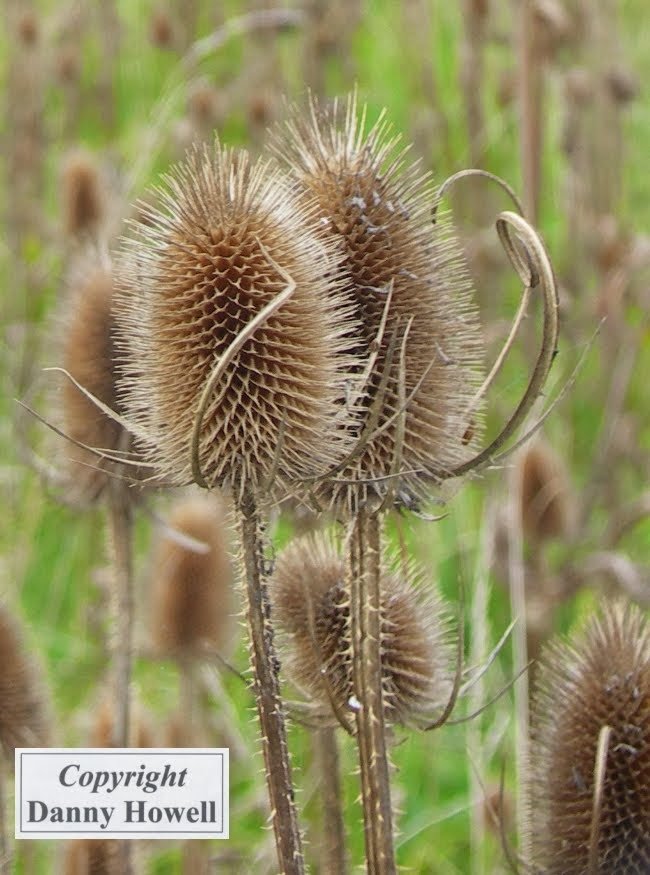
The goldfinches are able to penetrate the spikes
of the dried seed heads, thus gaining access to
a valuable source of food for themselves.
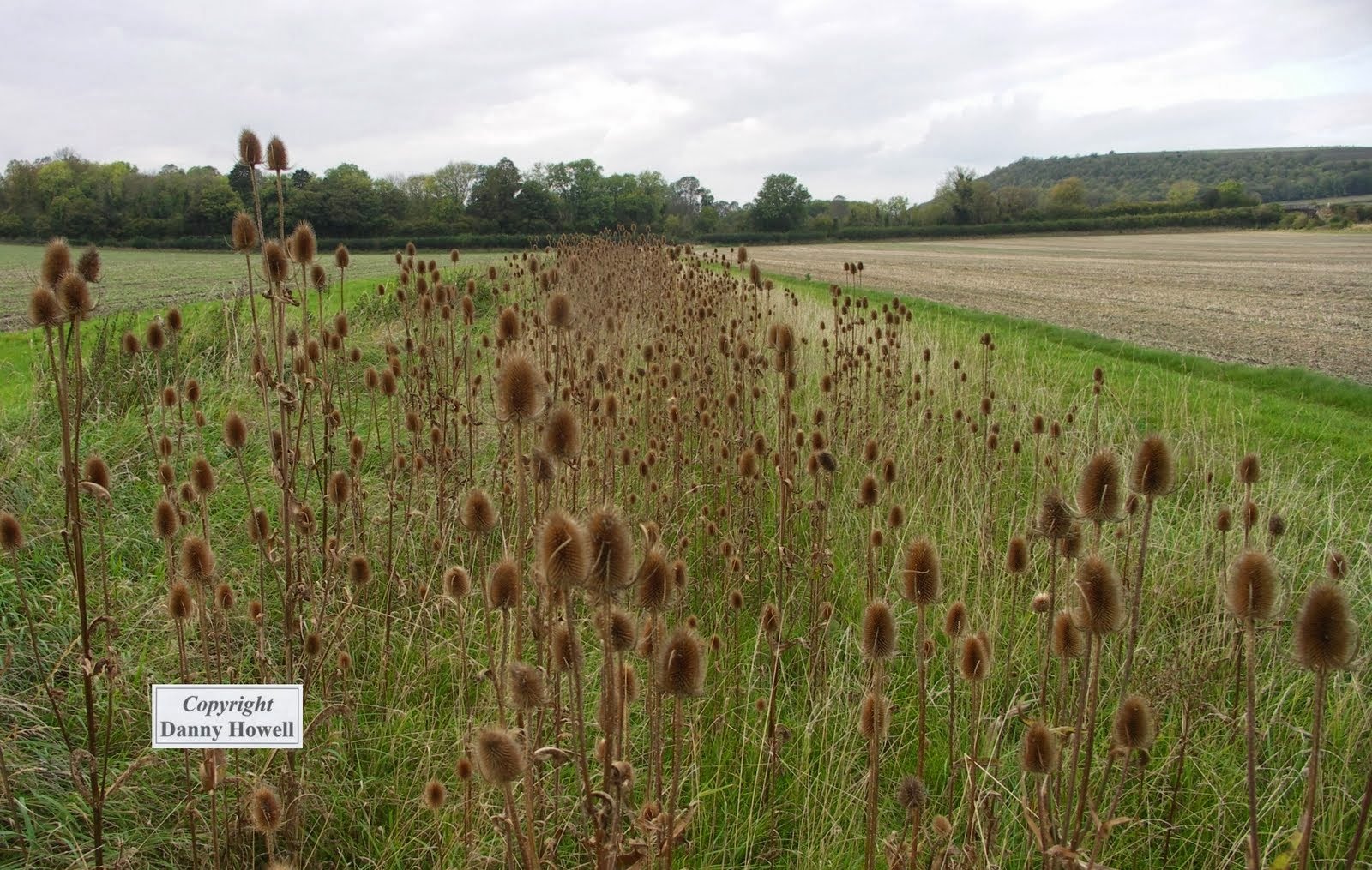
Battlesbury Hill can be seen in the
top right corner of the photograph.
Sunday 31st May 1981
From a Nature Diary, writer unknown:
31st May [1981]. Lovely walk along Warminster lanes with John. The boys and I had a fight with sticky willy. Saw first fly-catcher of the year. Lovely river and river beds. Heard Whitethroat & willow warbler.
sticky willy = Galium aparine, also known locally as cleavers and goosegrass.
Sunday 24th May 1981
From a Nature Diary, writer unknown:
24th May [1981]. Went to Stourhead Gardens. Rhododendrons out & azaleas with their very strong perfume. The colours of some trees were amazing – not just red or gold but henna & red & mixture of all these. Bluebells were still out in abundance & primroses & Lady’s Smock (cuckoo flower). Though noticed red clover blooming on the way didn’t actually notice any in the Gardens. Goldilocks & Buttercups everywhere as were campion and speedwells. Found beautiful yellow pimpernel and saw not 3 feet away a tree creeper, quite oblivious to us, climbing in its creeping mouse like fashion up a large exotic tree. There was Tufted Ducks on the Lake and robins everywhere. Saw the Chinese Dove Tree (Handkerchief tree) in flower, really beautiful. Flowers are in fact tiny but these are hidden by snowy white bracts which look like doves or handkerchieves. Noticed stitchworts keeping flowered guard on exits, and yellow hammer nearby, hammered by our car. Rain kept off – just about.