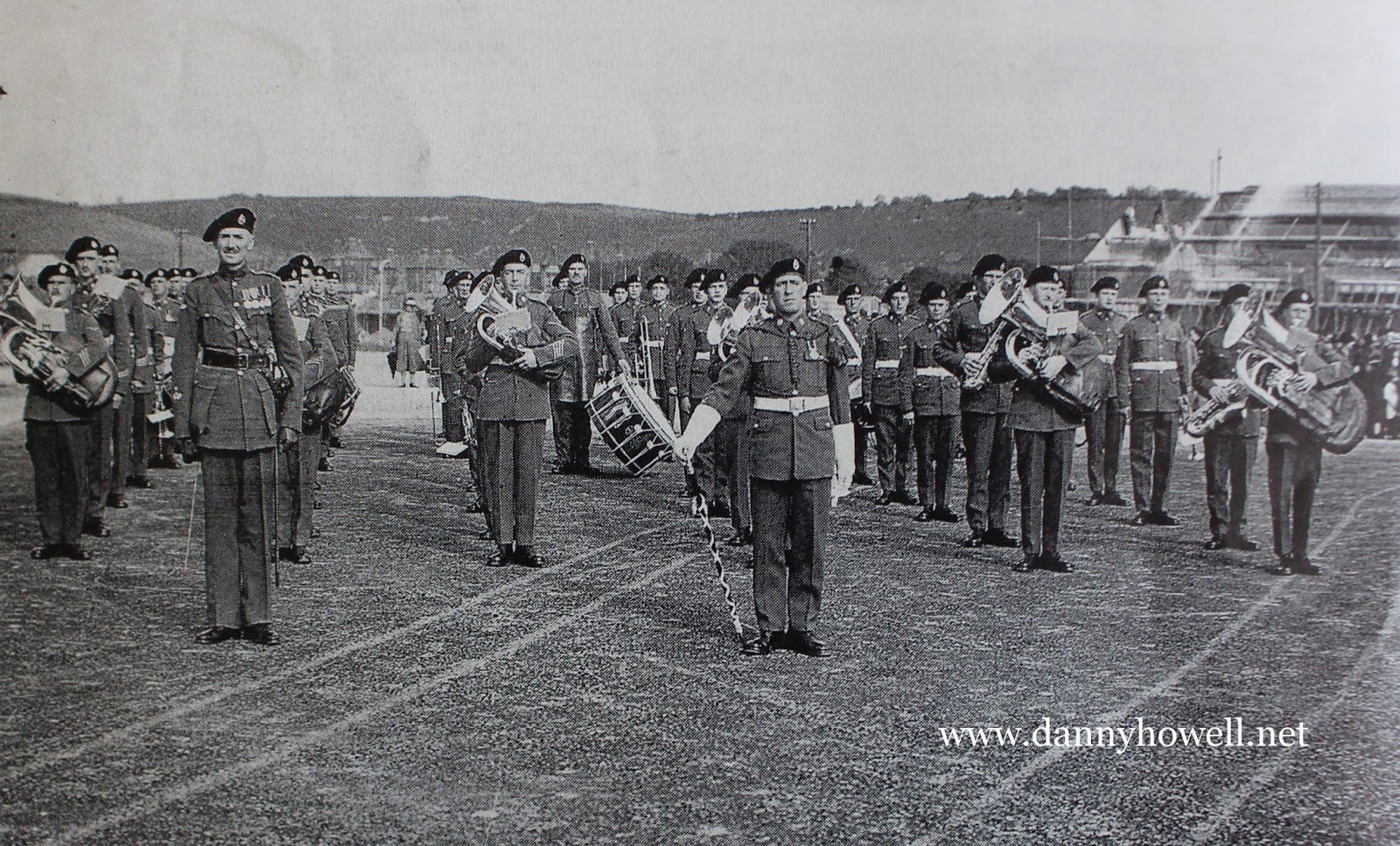
Warminster ~ Civic Welcome For Tank Corps

From The Wiltshire Times, Saturday 17th September 1938:

Warminster. Civic Welcome For Tank Corps.
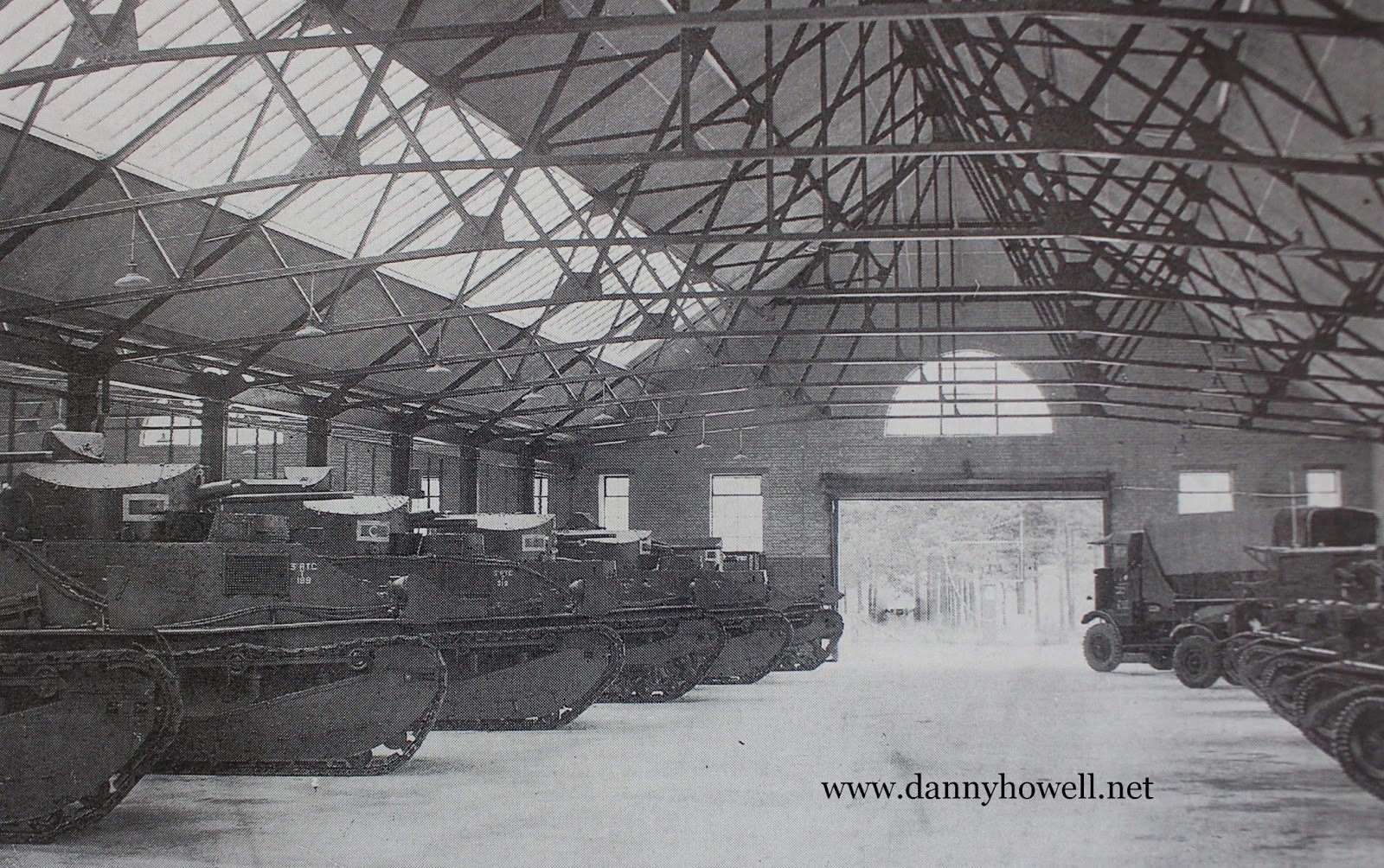
A new era opened in the history of Warminster on Saturday when the 3rd Battalion, Royal Tank Corps, entered into occupation of the first part of the new barracks now being erected at a cost of £500,000.

Members of the Warminster U.D.C. assembled at the Barracks to welcome the tanks, which arrived by road from Tilshead by way of Boreham Road and Imber Road. Musical honours were awarded by Warminster Town Band.

New Barracks At Warminster Opened By Mr Hoare Belisha, 1938

September 1938

Posted by British Pathe on youtube, 13th April 2014

Various shots of War Minister Mr Hore-Belisha inspecting the Guard of Honour of the Royal Tank Corps then officially opening their new barracks. Workmen sitting on a roof cheer and wave their hats. FILM ID:981.48 A VIDEO FROM BRITISH PATHÉ. EXPLORE OUR ONLINE CHANNEL, BRITISH PATHÉ TV. IT’S FULL OF GREAT DOCUMENTARIES, FASCINATING INTERVIEWS, AND CLASSIC MOVIES. http://www.britishpathe.tv/ FOR LICENSING ENQUIRIES VISIT http://www.britishpathe.com/ British Pathé also represents the Reuters historical collection, which includes more than 136,000 items from the news agencies Gaumont Graphic (1910-1932), Empire News Bulletin (1926-1930), British Paramount (1931-1957), and Gaumont British (1934-1959), as well as Visnews content from 1957 to the end of 1984. All footage can be viewed on the British Pathé website. https://www.britishpathe.com/

The War Memorial, Warminster

The Warminster Official Guide, issued under the auspices of Warminster Urban District Council, published August 1936, noted:

Standing at the Portway end of The Close, and designed as a Keltic cross with the characteristic knot pattern, this memorial is very beautiful in its white simplicity and pleasing surroundings.

The inscription reads: “In proud and grateful memory of Warminster men who fell in the Great War, 1914-1919.”

The name of each man adds to its beauty by being carved in relief on the shaft of the cross.

War Office To Build Cottages At Imber

From The Wiltshire Times, Saturday 14th March 1936:

Imber. War Office To Build Cottages.
Speaking at Warminster Conservative Club on Friday, Mr. R.V. Grimston, M.P., said he had asked a question in the House about new cottages at Imber, and received the reply that the War Office hoped to start that work very soon. The Army estimates included £4,500 for the housing schemes at Chitterne and Imber. There was also £10,000 for a start on the new tank corps barracks at Warminster (applause).

A Start On New Housing And Tank Barracks

Friday 13th March 1936

A Start On New Housing And Tank Barracks

Imber. War Office To Build Cottages. Speaking at Warminster Conservative Club on Friday, Mr. R.V. Grimston, M.P., said he had asked a question in the House about new cottages at Imber, and received the reply that the War Office hoped to start that work very soon. The Army estimates included £4,500 for the housing schemes at Chitterne and Imber. There was also £10,000 for a for a start on the new tank corps barracks at Warminster (applause).

War Office Purchases Land At Imber, 1934

The Morning Post, in 1934, reported:

LAND PURCHASED IS ESSENTIAL FOR ARMY TRAINING

Tracts of land on the outskirts of Imber, including a part of the village, are among portions of the Salisbury Plain purchased by the War Office.

The total area of War Department land on the Plain is now over 80,000 acres. When all the land earmarked in the scheme of purchase has been brought into the Government area, it will bring the area up to approximately 100,000 acres.

Already Wiltshire provides the largest area for the training and manoeuvres of troops in the country.

The recent acquisitions are in the neighbourhood of Imber on the Warminster side of the Plain. Last year a considerable portion of land between Warminster and Westbury was set apart as a machine-gun range, and a permanent training camp was established near Warminster. Now, other tracts of land on the outskirts of Imber, including a part of the village, have been acquired.

This part of the Plain – it falls between a boundary marked the villages of Heytesbury, Chitterne, Tilshead, Lavington and Imber – is the wildest and least known part of the county. It is comparatively trackless, and a difficult country to traverse because excessively hilly.

The development of Salisbury Plain is essential if the Army is to have proper facilities for training. All the troops stationed on the Plain are now concentrated in permanent barracks at Tidworth, Bulford and Larkhill. Since it is important to have troops stationed within easy distance of a training ground, it is thought that in a few years time it will be necessary to provide permanent accommodation on the Warminster side of the Plain, and to utilise to the full the extensive manoeuvring area there, and on the other side of the Wylye valley and in the direction of Shaftesbury.

error: Content is protected !!