The Gauntlett Graves In Norton Bavant Churchyard

Monday 19th May 2014

Julie Hill writes ~

Hi Danny, I tried to find [Jack. W. Gauntlett] Joan Gauntlett’s bother’s grave in Norton Bavant churchyard on Saturday morning. The only info on the Commonwealth War Graves Commission website is that it is to the east of the church. Have you any idea where it is as many of the graves are overgrown, illegible or no longer marked. I saw an article on the television about how the Commonwealth War Graves abroad are well tended whereas many of the ones in the UK are so neglected. This made me search for the name of Gauntlett as I knew he’d died in the First World War and I was surprised to learn that he’s buried at Norton Bavant. Joan had a photograph of him on her wall and I was always curious about him. 

http://www.cwgc.org/find-war-dead.aspx?cpage=1

Do you know where Joan’s parents [George and Florence] were buried too?


Danny Howell replies ~

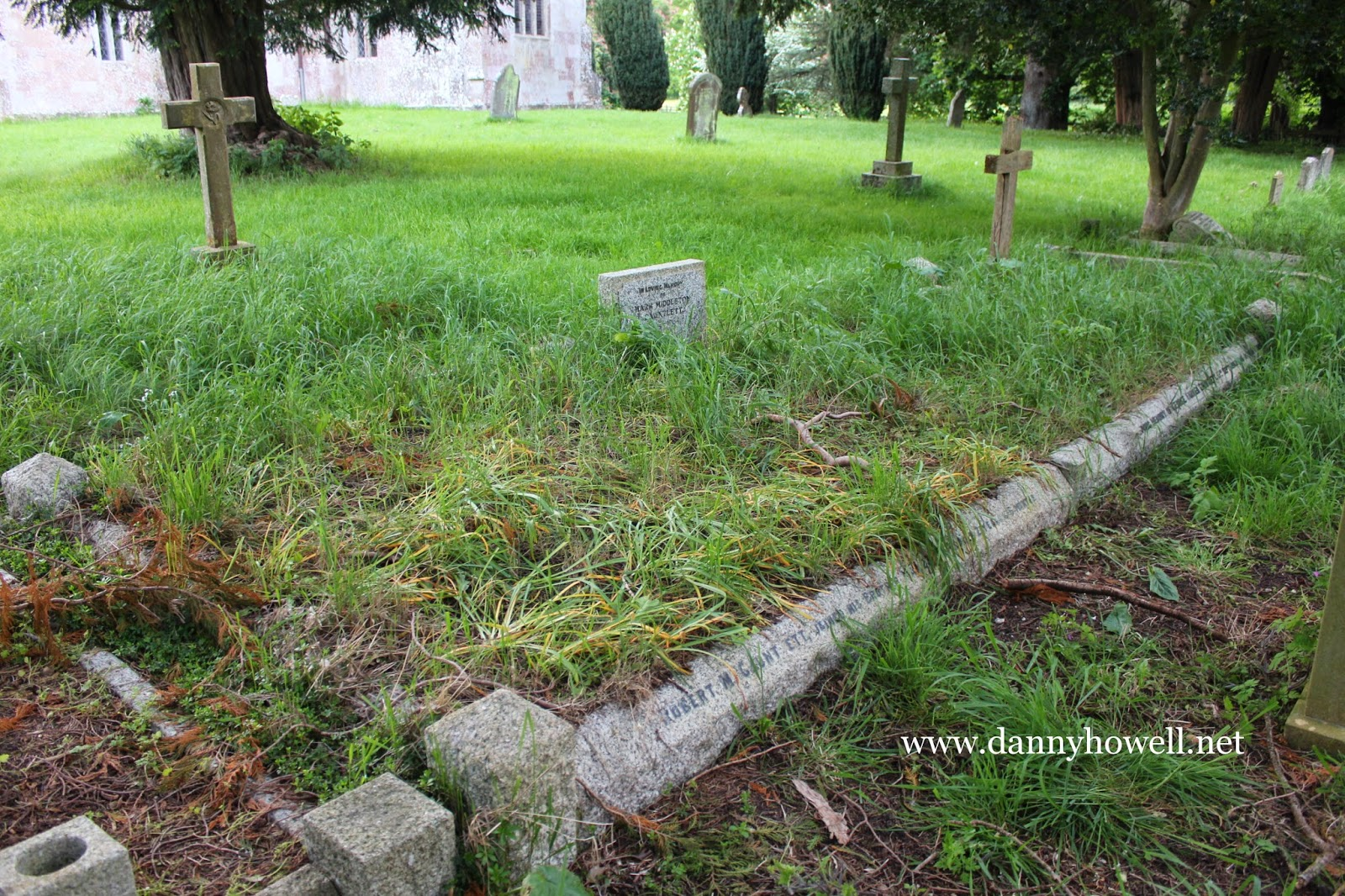
Hello Julie, How are you? Good I hope. Thank you for your enquiry. I’m pleased to say the graves of the Gauntlett family are still visible and their inscriptions readable. Six members of the family ~ George and Florence and their four offspring ~ Joan, Mark, Jack and Bobby ~ lie together in one large plot, and it would be more correct to say they are in the south east corner of the churchyard at Norton Bavant, in fact as about as near that corner as you can get, so you’ll have no trouble finding their family plot. It is surrounded by an oblong of kerb stone on which are these inscriptions all the way round:

“In loving memory of George Farmer Gauntlett, 13th September 1946, aged 81 years.” [east kerb, right hand side].

“Also of Florence Mary, his wife, at rest 1st April 1975, aged 98 years.” [west kerb, left hand side].

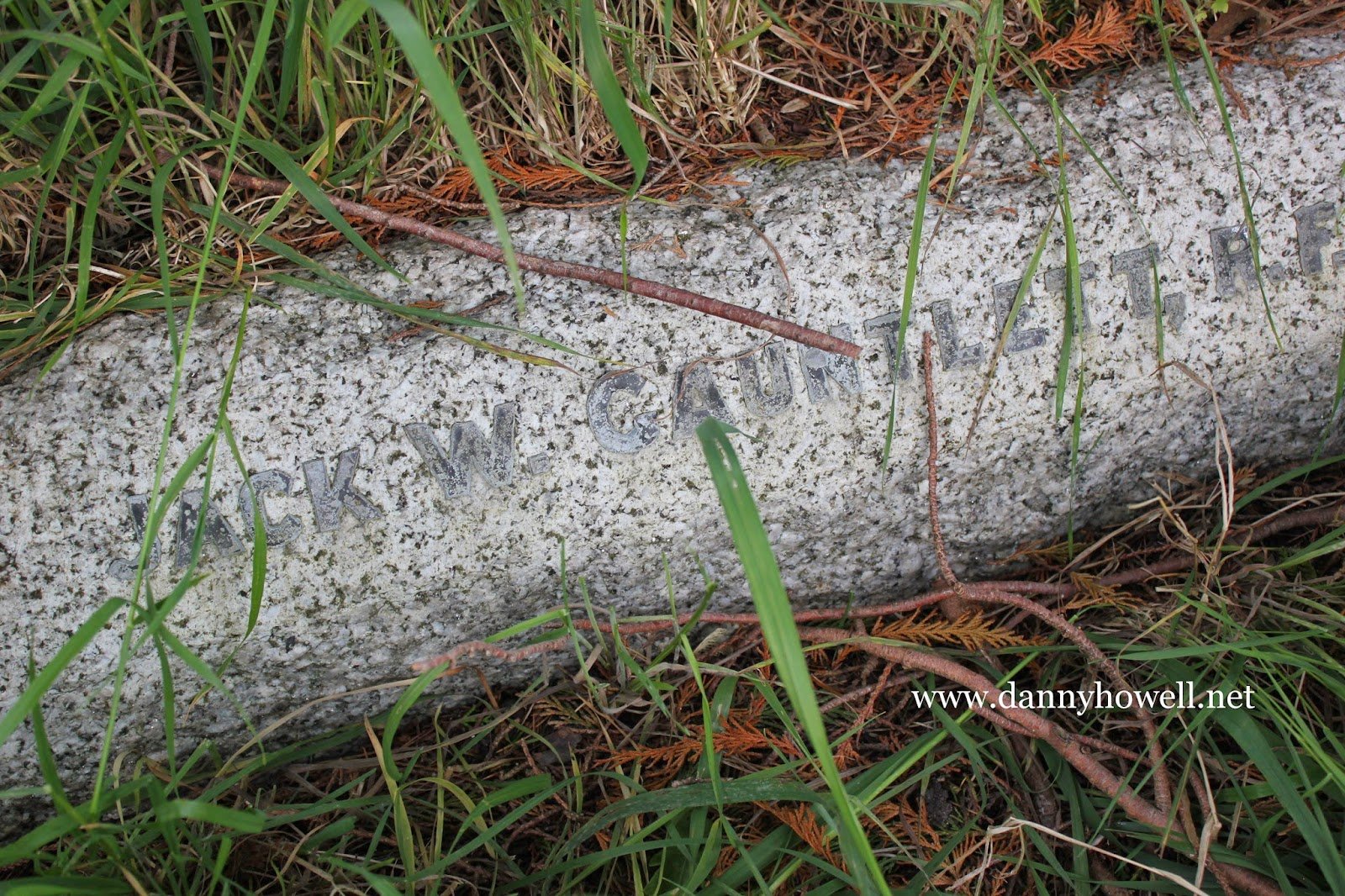
“Jack W. Gauntlett, RFC, Passed to a fuller life May 11th 1917, aged 19 years & 2 months.” [west kerb, right hand side].

“Robert M. Gauntlett joined his brother May 23rd 1917 aged 2 years & 6 months.” [east kerb, left hand side].

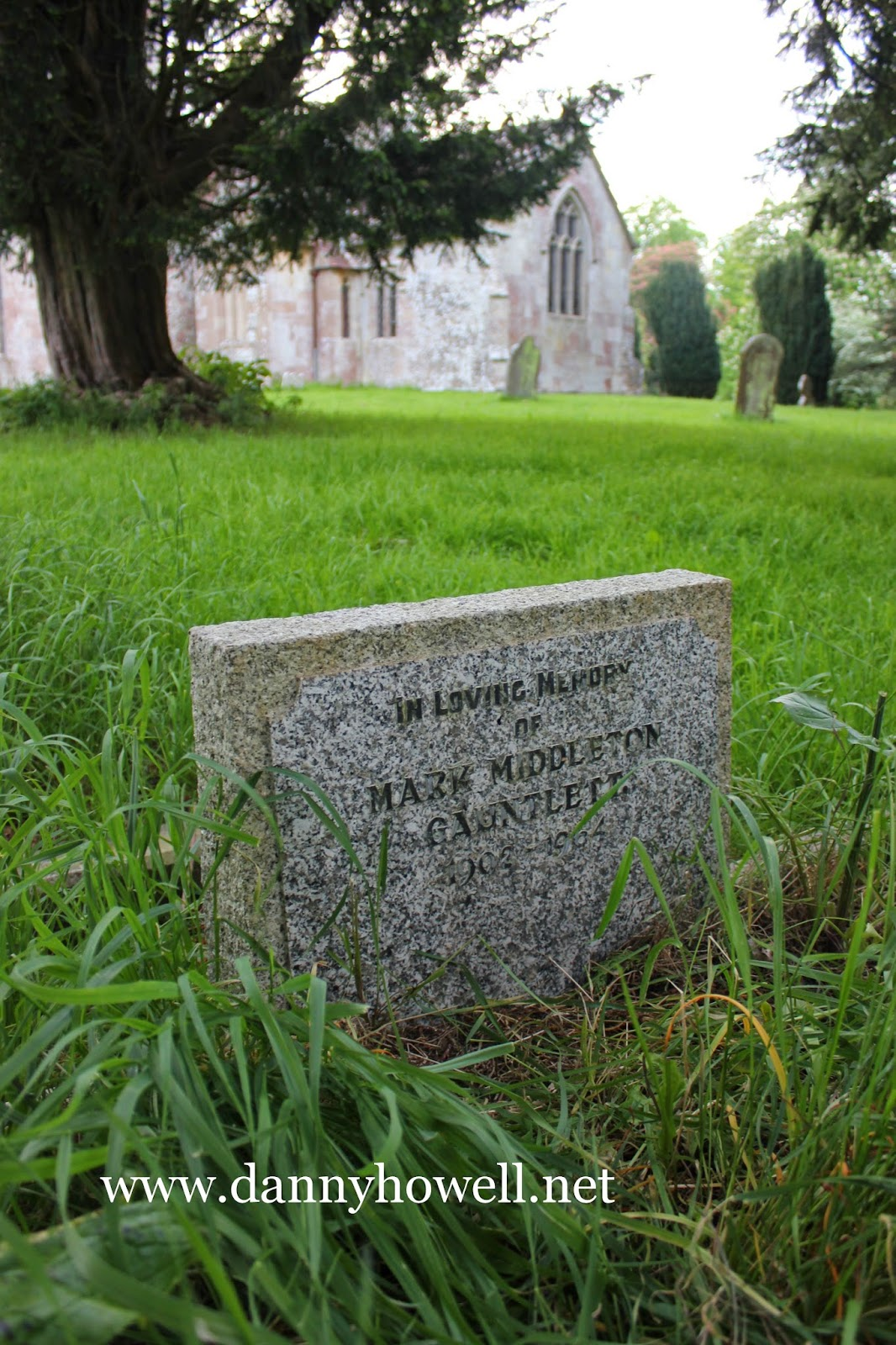
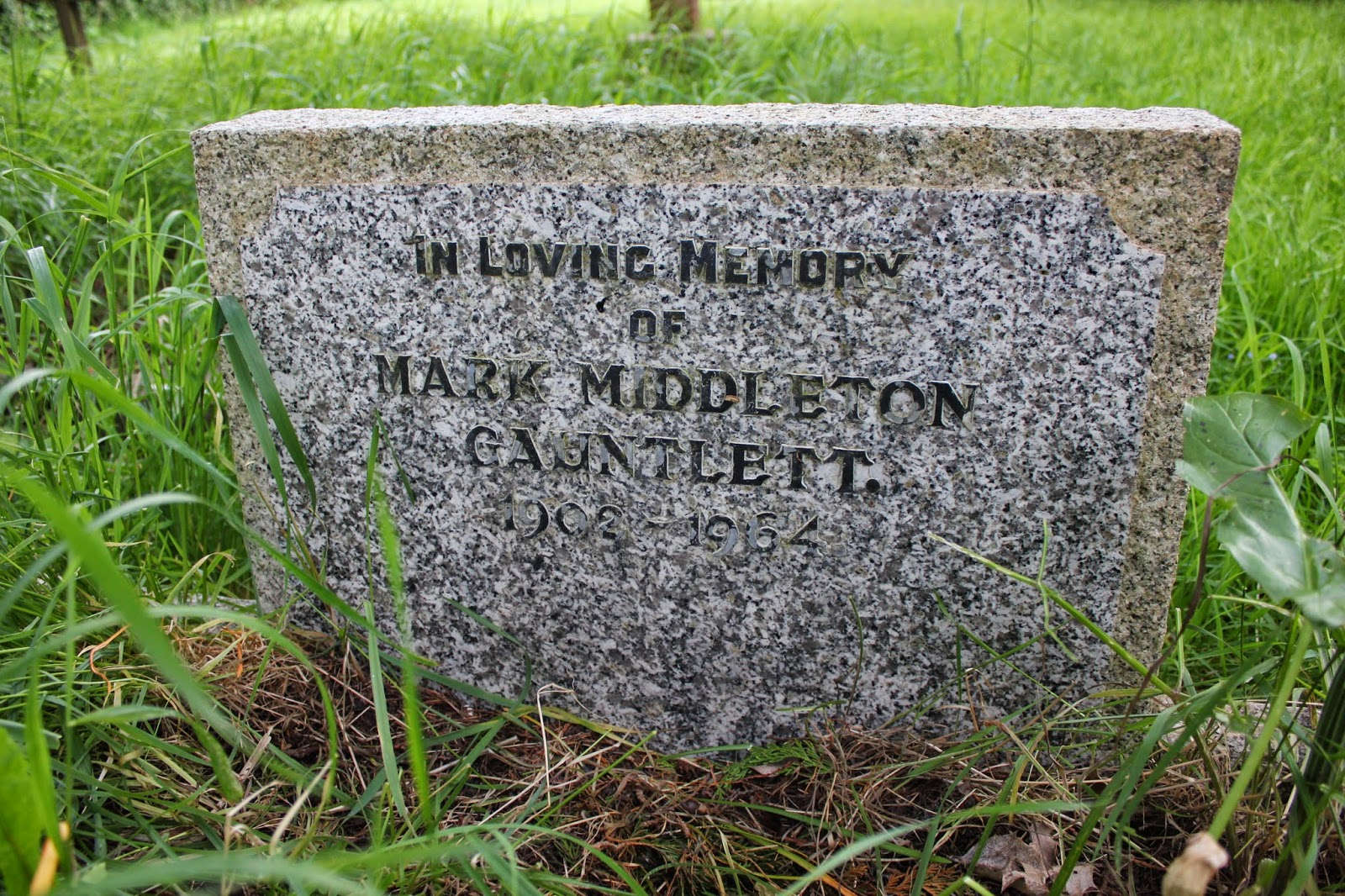
“In loving memory of Mark Middleton Gauntlett 1902 – 1964.” [upright stone on west side].

“Dearly loved sons of George & Florence Gauntlett.” [south kerb].

“Joan Gladys Gauntlett 1900 – 1985.” [north kerb].

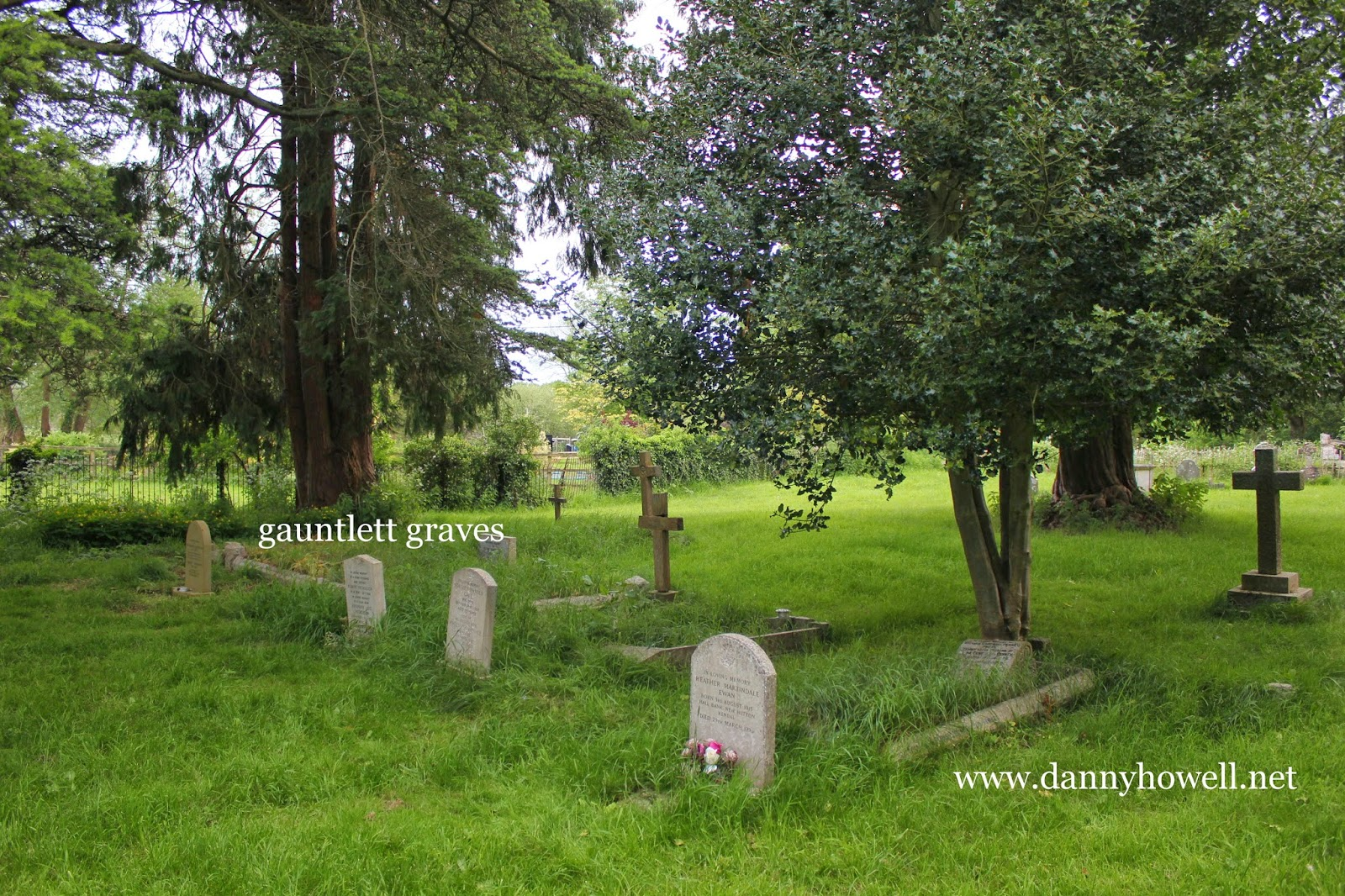
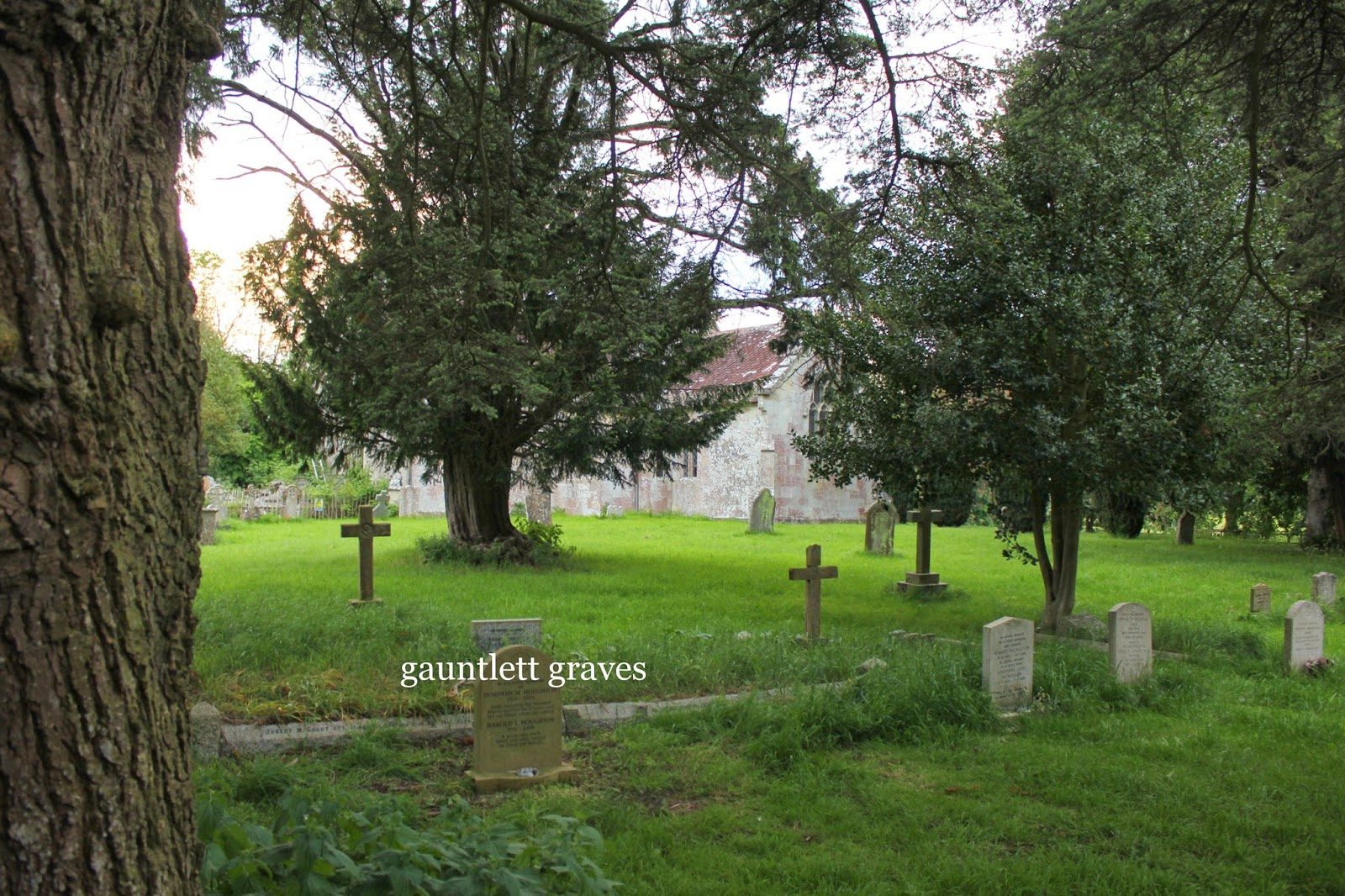
You’ll have no trouble finding the Gauntlett plot in the south east corner of the churchyard. As you walk into the churchyard, under the lych gate arch, walk straight ahead, past a grave with railings around it, then a row of three flat stones and then in the same row are three upright stones. Beyond there is the Gauntlett plot, next to the gravestones of Penney (with a holly tree) and Brooks, and the wooden cross of Gerald Sandy Kaye. The other side of the Gauntlett plot is the grave of Brooks. The Gauntletts lie between the yew tree to the south east of the church and the two cedars in the south east corner of the churchyard, opposite the iron gate in the iron railings around the churchyard.

And here are some photos of the Gauntlett family plot:
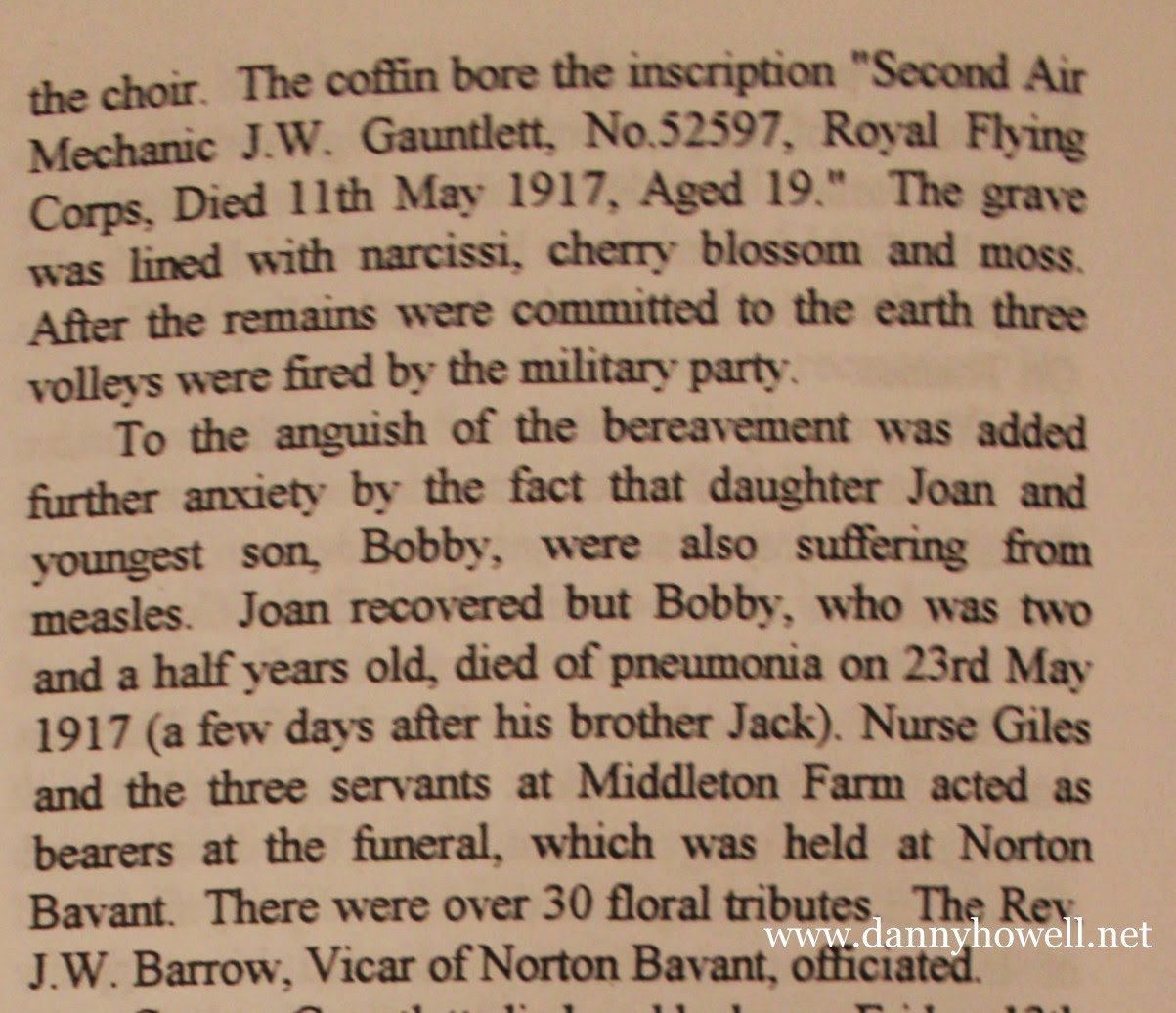
Have you got a copy of the book The Illustrated Warminster And District Miscellany which I published in May 1996? In that book I included several pages of notes about the Gauntlett family including George, Florence, Jack, Robert (Bobby), Mark and Joan. The Gauntletts at one time farmed Bishopstrow Farm at Bishopstrow; and Middleton Farm and North Farm at Norton Bavant. Here are the passages from my book about Jack and Bobby:
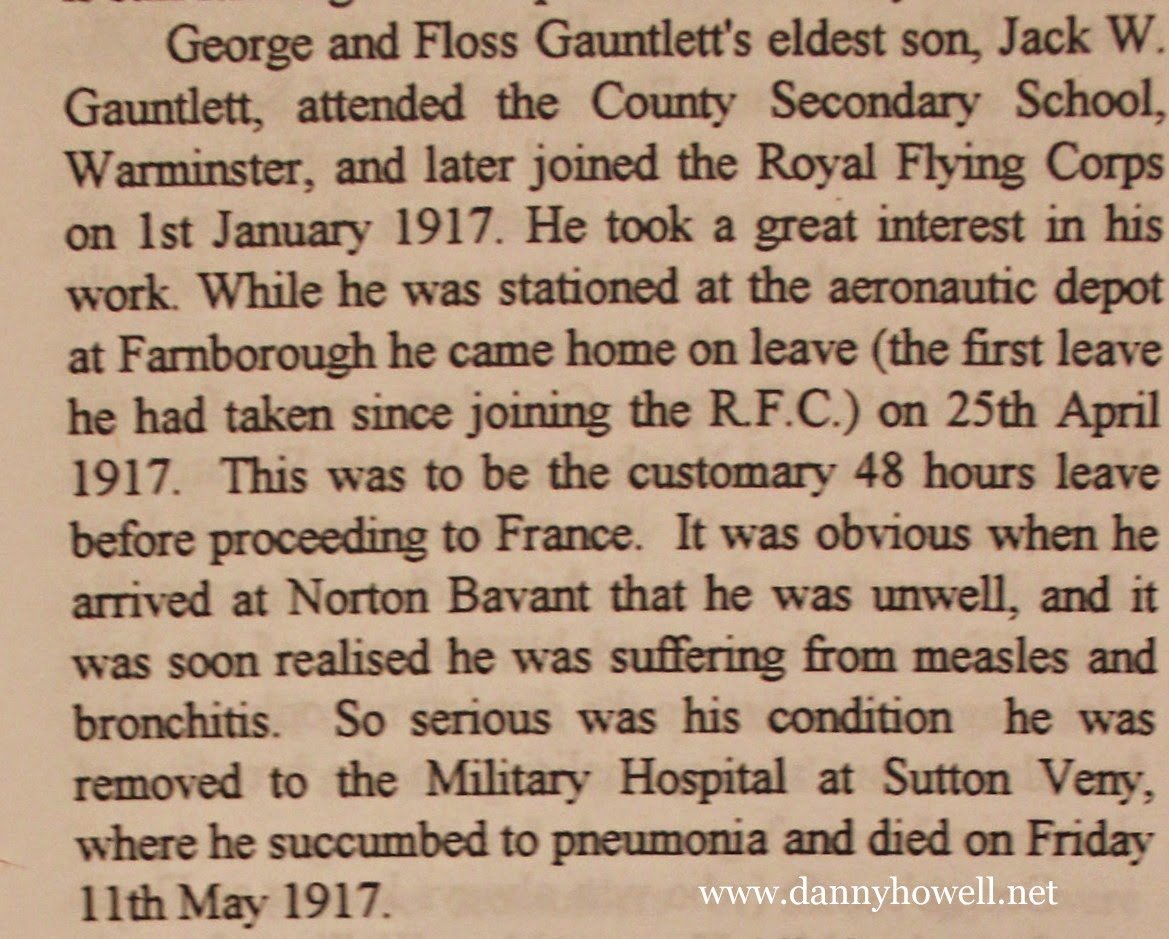
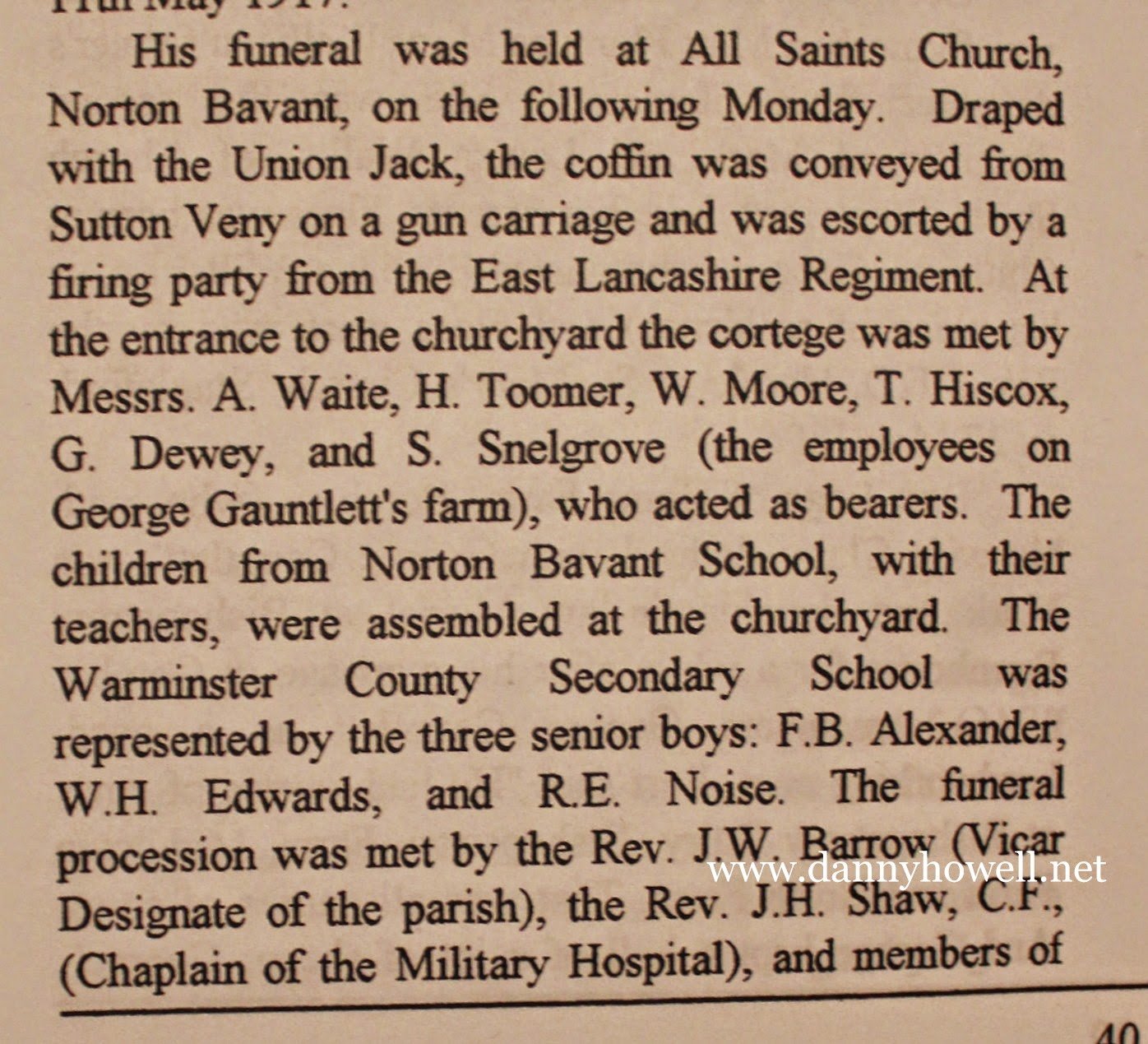
You will see that Jack, who was in the Royal Flying Corps, is buried at Norton Bavant and not abroad, as he came home on leave, took ill and died in the military hospital at Sutton Veny Camp. He does not have the traditional Commonwealth style gravestone, which is probably why you couldn’t find his grave, but his inscription, as I have already mentioned is included in the kerb surround of the Gauntlett family plot.
Information Sought On The Splinter Group Which Was Based In The Old Brewery, Warminster, Over 30 Years Ago

Saturday 17th May 2014

Elizabeth Williams writes:

I came across your website, that covers the history of Warminster and I was wondering if the Splinter Group referred to below rings a bell. 

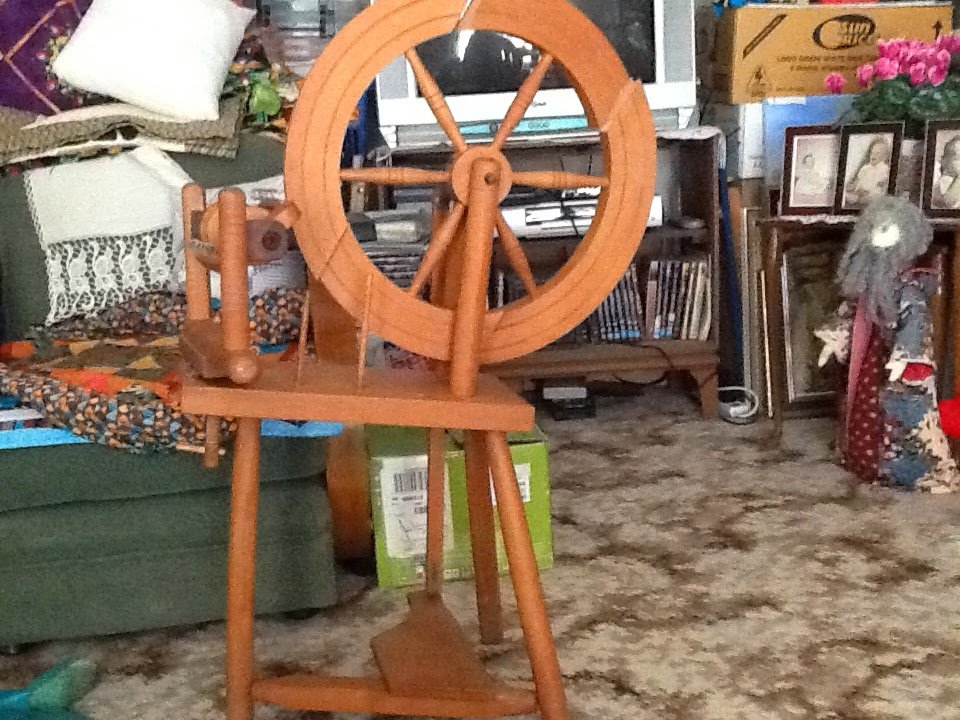
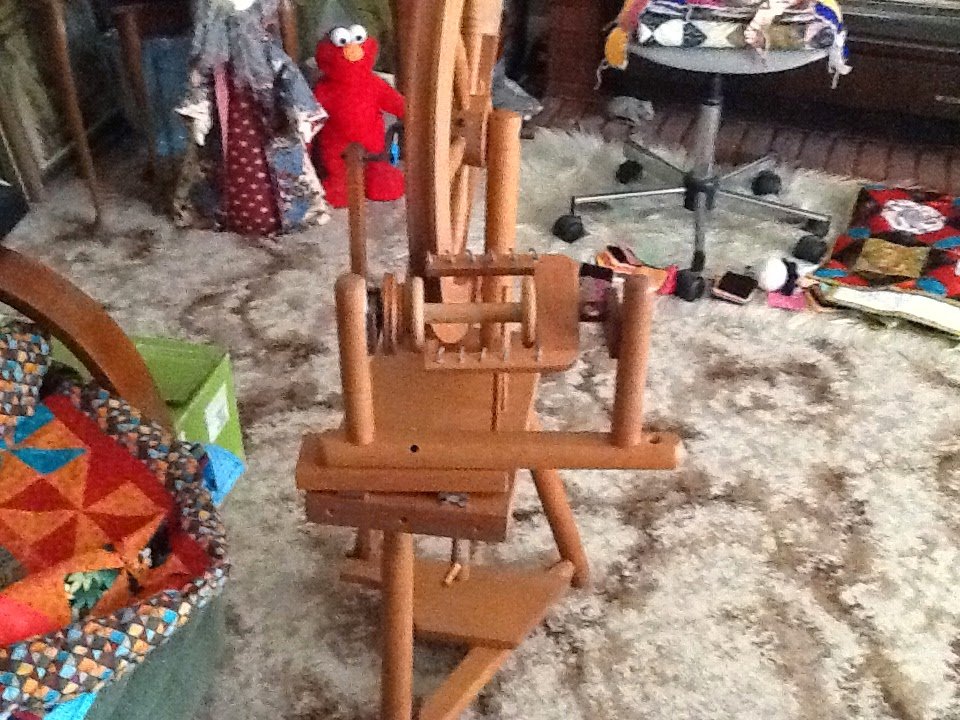
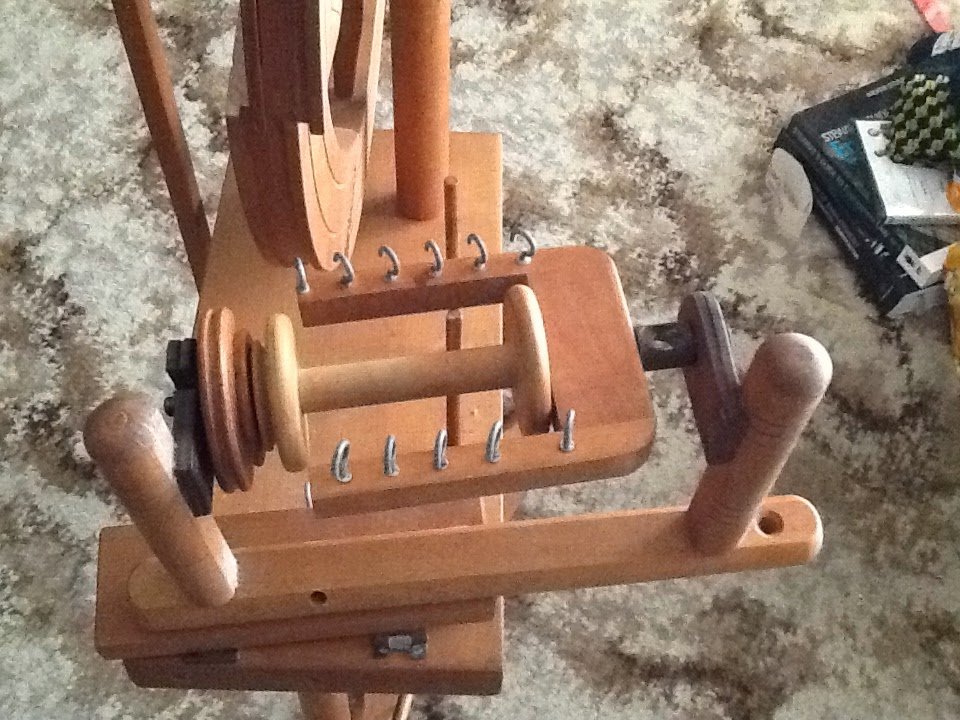
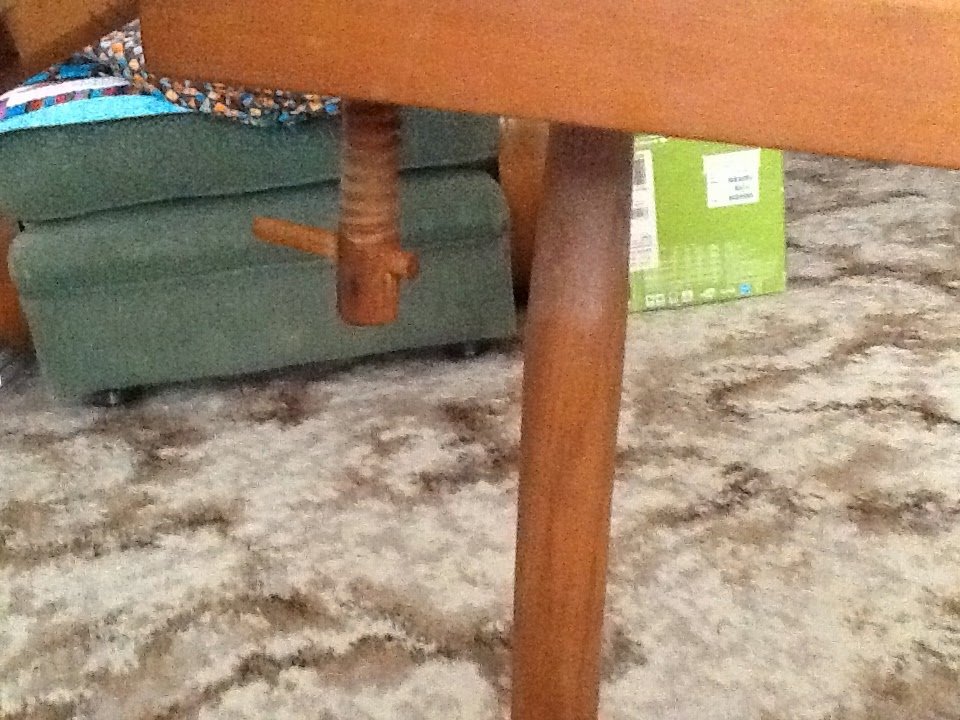
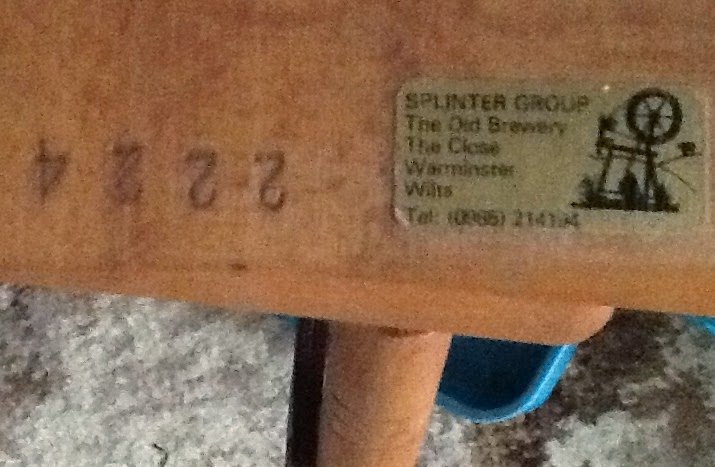
I am based in Sydney, Australia, and I am attempting to locate information relating to a spinning wheel (pictures attached) that was given to me in the late 1980s but I have not had the opportunity until now to look at it.
I believe the spinning wheel came from Splinter Group, The Old Brewery, The Close, Warminster, Wiltshire. The number on it is 2224.
The couple had relocated to Australia and are no longer alive but when the wheel was obtained they were about to throw it out in a council clean-up.

I would like to use it, but need to find more information about it, i.e. closure of wheel or how to tighten the wheel up. I need to get some parts for it. Drive belt, brake and bobbins. Or would ashford parts be alright to use? And what the screw is under the table is. 

I would appreciate any guidance you or your readers can give.

Were The Cycle Stands Made By Hutton & Co., Of Warminster, Used For Working On Bicycles Upside Down?

Monday 14th April 2014

Paul Batchelor writes ~

Hi Danny,
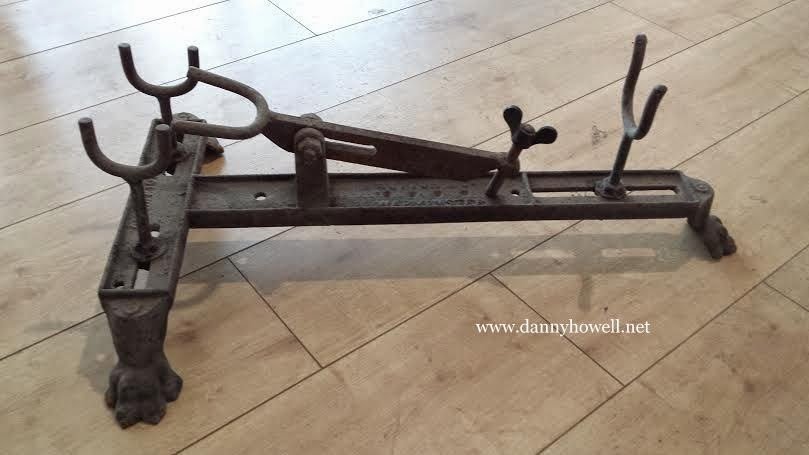
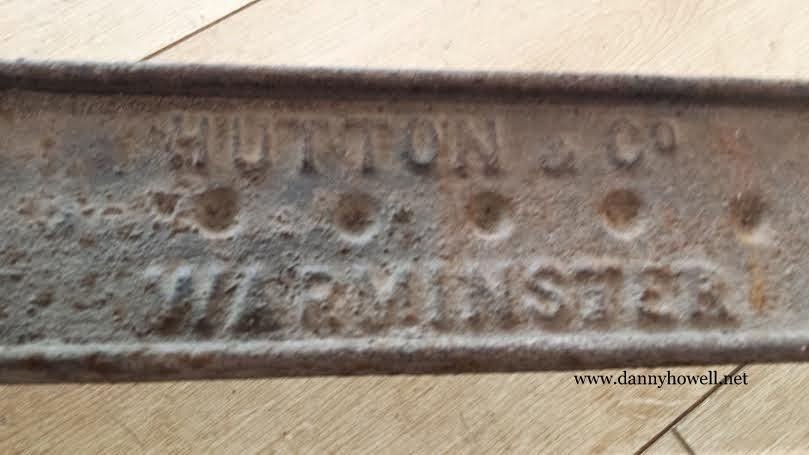
I was given another Hutton stand last week (pics attached).

Have you any idea of it’s purpose?

To us it looks like a stand to work on a bike upside down.

Danny Howell replies ~

Hello Paul,
In reply to your email about a Hutton stand being used to hold a bicycle upside down.

Most illustrations I have seen show the bicycle the correct way up but I believe some stands could be used either way.

An article about Hutton in the September 1900 issue of the Pictorial Record confirms that stands could be used to hold a bicycle upside down.

Click here to read that article on my website: http://www.dannyhowell.net/1970/08/messrs-hutton-co.html

Alistair Smith In New Zealand Seeks Information On Stephen Payne Smith And Family ~ Warminster, Crockerton And London Connections

Wednesday 15th January 2014

Dear Danny,
I am Alister Smith from Wellington, New Zealand and was wondering if you or anyone here have any information on Stephen Payne Smith’s parents or siblings.

Stephen Payne Smith was baptised at St. Denys Church, Warminster on 14th August 1805, and the baptism papers has his middle name spelt as ” Pain” instead of Payne.  His parents were Thomas and Elizabeth Smith, but Elizabeth’s maiden name is not on the record.

Stephen Payne Smith married Jane Rebecca Hedgeland at St. Georges Church, Hanover Square, Westminster, London on 17th November 1839, and they had nine children :-

Jane Susannah 20th July 1830,
Stephen Thomas 1832,
Samuel Richard 1834 – 1839,
Elizabeth Harriet 1835,
Mary Ann 1837,
Clarissa Emma 1839,
Louisa Hedgeland 1842 and Maria Payne 1842 (both twins),
William Samuel 1845.
Samuel Richard died on January  1839 (age 5 years old) and is buried at St. John the Evangelist Church, Westminster, London, England.

Both Stephen Thomas & Samuel Richard were born at Longbridge Deverill, Wiltshire.
Elizabeth Harriet was born in Marlborough,Wiltshire
and Mary Ann was born at Crockerton Inn, Crockerton, Wiltshire,
whereas the rest were born in Westminster, London.

I think Thomas Smith (Stephen Payne Smith’s father), was a publican at Crockerton Inn at the time of Mary Ann’s birth.

Stephen Payne Smith and Jane Rebecca Hedgeland and their eight remaining children immigrated to New Zealand on board the Steadfast in 1851.

They first settled in Lyttleton, Christchurch, then lived in Kaiapoi, Christchurch for many years before eventually settling down in Geraldine, South Canterbury, New Zealand, and that is where I was born with five other siblings.

Would be much appreciated if anyone else can add to the chapter in our family history, as our family bible has gone missing for many years.
Thanks very much,
Alister Smith.

Information Sought About The Warminster Club And Its Annual Billiards Handicap Cup Which Has Been “Discovered” By The Police

Wednesday 8th January 2014

Warminster Club Annual Billiards Handicap Challenge Cup 1905

Warminster Town Council have contacted Danny Howell with regard a silver cup that Police Inspector Alan Webb has discovered in one of the police offices.  Inspector Webb is to hand over the cup to Warminster Town Council at a Full Meeting of the Council on Monday 20th January 2014. The Mayor of Warminster Paul Batchelor will accept the cup on behalf of the Council and the cup will be kept in safe keeping at the Town Council Offices in the Civic Centre. 

The cup is engraved ‘Warminster Club Annual Billiards Handicap Challenge Cup 1905’. There are several names of winners and dates inscribed on the cup too, including Percy H Bishop 1905 and 1906; O B Chambers 1907; W T Wall 1926; A H Coates 1927 and 1928; R W Long 1929; T H Hughes 1930; and A Lockyer 1931. There are other names on the cup in between, and the last name and date on the cup is A Lang (for snooker) in 1995. 

The Town Council have asked Danny: “We wondered if you could give us any information that might relate to the Warminster Club and its Challenge Cup?”

Danny Howell has responded ~

“In reply to your query about the Warminster Club and its billiards cup, I can tell you the following:

The Warminster Club was at 3 Weymouth Street. The Kings Arms public house also had the same address. The building is today the John Barleycorn public house. It seems the building may have been divided for two separate purposes, one side or the ground floor being the public house and the other side or the first floor being the Warminster Club. This probably accounts for why, when you look at the John Barleycorn today, you can see it has two front doors side by side.

The Warminster Club was a men’s club. It’s advertising always noted that it was open daily from 9.00 a.m. to 11.00 p.m. The day-to-day running of the club was administered by its secretary. It comprised rooms for reading, recreation and billiards. Billiards was, of course, a popular game during the first half of the 20th century. The fact the club had its own billiards room no doubt prompted it to hold an annual billiards’ tournament for its members.

Some of the names on the cup are of well-known persons who lived in Warminster.

Percy H. Bishop was Percy Bishop who had a music shop in the Market Place, Warminster, and was the Organist at the Parish Church of St. Denys (The Minster).

O B Chambers was Octavius Bertram Chambers, the watch and clock repairer whose shop was in the Market Place and he used to maintain many of Warminster public clocks. Up until 1948 he used to wind daily the clock in the Chapel of St. Lawrence.

W T Wall was William Thomas Wall who ran the Central Garage in the Market Place, Warminster, where Coffee1 and the Edinburgh Woollen Mill shop now are. Mr. Wall transferred the garage business from there to East Street in the mid-1920s, his new premises becoming what are now the East Street Service Station (Esso Garage). 

A H Coates was Alfred Herbert Coates. He was the Secretary of the Warminster Club in 1923. He lived at the house known as Beastlease at The Avenue, Warminster. He was the proprietor and editor of the Warminster Journal for 60 years. Mr. Coates died in 1959. His first love was cricket but he was also an excellent billiards player. His obituary noted: “He was no less well known with his ability with the billiard cue and even a few months before his retirement could hold his own with any player in the town at snooker.” As well as playing billiards at the Warminster Club he also played billiards for the Warminster Conservative Club at Church Street, playing in the Frome Billiards League before the Second World War. After the Second World War he played billiards at the Athenaeum Club, Warminster.

T H Hughes lived at Braeside, Longleat. He was the Clerk of Works for the Marquis of Bath.

A Lockyer was Arthur Lockyer, the Manager of Lloyds Bank, Market Place, Warminster. 

I can as yet, find no records for the Warminster Club after the Second World War, so maybe it had ceased to be by then. The last reference I have to it is in the 1930s, when the local auctioneer David H. Waddington was the secretary and Mr. Sidney Lewis Scutt was the treasurer.

Sidney Scutt was born at Preston, Dorset, in 1882. Just before the First World War he was living at Maiden Castle Farm, near Dorchester, but he enlisted, aged 33 and served in The Buffs. Army Records list him as living at 21 North Row, Warminster, at some period between 1914 and 1920. He stayed resident in Warminster after the First World War. During the 1930s, when he was the treasurer of the Warminster Club, Mr. Scutt lived in a flat at The Laurels, Sambourne Road, Warminster. I believe he was a bachelor. I think I’m right in saying his occupation was a bank clerk, no doubt why he was suitably qualified to be a club treasurer. Mr. Scutt died at Weymouth, Dorset, on 4th September 1949.

Doug Lakey, now aged 93 and living at Weymouth Street, Warminster, tells me he has no memory of the Warminster Club whatsoever, suggesting it had ceased to be before he came of age, which maybe confirms that it no longer continued after the War. Anyone alive now, it seems, would have to be over 85 years old, I guess, to recall anything about it. 

The latest winner and date on the Cup, you say, is A. Lang in 1995, and for snooker. I have no idea who A. Lang is. I can only summise that the Cup, on the demise of the Warminster Club, was passed on to be used by another club or group. If the Cup was discovered in Inspector Webb’s office, maybe it had been transferred to the Police Club? In which case A. Lang may have been a police officer or a member of the Police Club. On the other hand, the Police may have found the cup “during enquiries”. A. Lang may not have even been in Warminster. Although the Warminster Journal reported results for pool in 1995, they don’t seem to have published snooker results during that year. 

I hope these details shed some light on the Warminster Club and its billiards cup. Time and further research will maybe bring more information into the public domain.”

Footnote: If any readers of www.dannyhowell.net have any further information about the Warminster Club, or what club or organisation was presenting the cup in more recent years, or who A. Lang was/is, please contact us by emailing dannyhowellnet@gmail.com

50 Years On, Susan C. Battison’s Brother Is Looking For Her Grave ~ Maybe In Holtspur Cemetery, South Buckinghamshire ~ Can You Help Find Her Resting Place?

Tuesday 7th January 2014

Danny Howell writes ~

I’m currently carrying out some research about a Susan C. Battison who was born in 1948. Her birth was registered in the Hackney district of London. Her family moved to Holtspur, near Beaconsfield, in South Buckinghamshire, where Susan grew up. Does anyone remember Susan? She died (cancer), aged 15, in the John Radcliffe Hospital, Oxford, in 1963. I am carrying out this research for Susan’s younger brother who was not allowed to attend her funeral and has never been told where it took place. He would also like to know if she was buried or cremated and where her body or ashes were interred. Maybe the Holtspur Cemetery in Buckinghamshire? If anyone remembers Susan and her funeral, or has knowledge of or access to Holtspur Cemetery or knows the whereabouts of her gravestone, please get in touch. 50 years on, Susan’s brother, who lives in Dorset, would really love to know. Email us on dannyhowellnet@gmail.com

The Old Swan At Wylye

Thursday 2nd January 2014

Sue Clinch writes ~

Dear Danny,
We are looking into buying The Old Swan in Wylye, and wondered if you knew much about it, and had any photographs? It was converted from a pub to a house some time in the 1970s, and is now known as Old Swan Cottage.
Kind regards.

Danny Howell replies ~

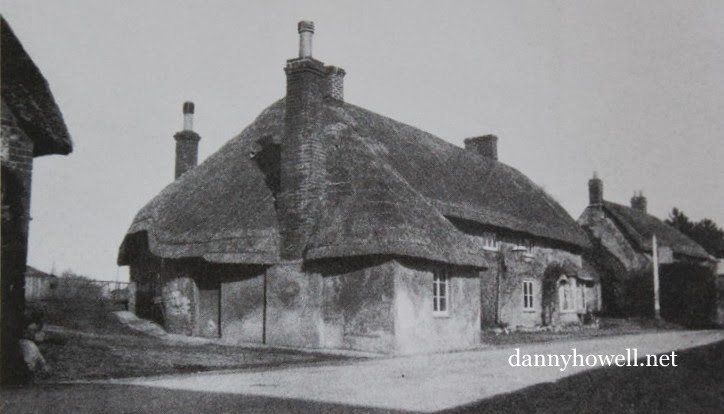
It seems the Swan Inn at Wylye was in business from about 1840 (according to the Tithe Award for Wylye) and certainly appears in trade directories with a succession of landlords from that period onwards. The first reference I have to it in a trade directory is in Kelly’s 1848, when Giles Cornelius is listed as the landlord. Later landlords included: James Mead (1867); George Hayter (1875); George William Snook (1889); Samuel Herring (1899); and William Herring (1907). It was sometimes referred to by locals as The White Swan. It was originally a thatched building, as this photograph, taken in or before 1920 shows:

At about 8.40 p.m. on Thursday 6th December 1923, while the landlord Frederick Johnson and his customers were discussing an election that had been held that day, a fire broke out in a spare bedroom above the kitchen of the pub. Salisbury Fire Brigade were delayed by thick fog and didn’t arrive in Wylye until 10.35 p.m., by which time it was too late. The building was burnt almost to the ground, although the wooden sign outside was not even singed. The building was the property of Messrs. Mathews, brewers of Gillingham, and was valued at £3,000.

It was rebuilt and continued as a pub. The property was extended in 1936. I think the plans for the extension are in the Wiltshire and Swindon Record Office (History Centre) at Cocklebury Road, Chippenham (document reference W.R.O. G11/760/240.) The landlord of the Swan Inn, Wylye, in 1939, was Frederick Still. It seems the Swan closed circa 1975, when the construction of the Wylye Bypass would have undoubtedly led to a diminishment in passing trade.

If you want to purchase some pictures of the Swan, Julian Frost of Wylye Valley Postcards has five different views reproduced from old postcards in various sizes: 6″x4″ £1.50 each or four for £5, 7″x5″ £2.50 each or three for £7, 9″x6″ £3.50 each or three for £10, or 12″x8″ for £10 each.

The White Family Of Brewham, Somerset

Friday 27th December 2013

Mrs Jacky Fawcett from near Tiverton, Devon, writes ~

Hi there, 
I am researching the White family who originated from Brewham, Somerset.  I have collated quite an amount of information and visited Brewham.  I understand you too have an interest in Brewham’s past and I wondered if you might have any interesting information you would be prepared to share.  If you can access Ancestry.co.uk you can view my family tree and see the information i have so far.
Wishing you a healthy and happy 2014!
Best regards
Mrs Jacky Fawcett (nee White).

Stuart Daniels Asks Tony Lewis ~ A Former Workmate At British Railways, Westbury ~ To Get In Touch With Him

Saturday 13th December 2013

Stuart Daniels writes ~

I write in an effort to try and contact an old friend. Back in the late 1970s to early 1990s, I worked as a guard for British Railways at Westbury. I made several good friends in those years, some of which I am in contact with at the present time. I have to say I lost touch with my best friend when I finished, on redundancy. My best friend’s name is Tony Lewis. Both he and I were members of train crew at Westbury. As I remember it, Tony hailed from the Radstock, Midsomer Norton area. It would be great to hear from him again. The last I heard he had moved to Shepton Mallet and was employed in the security business. If he reads this, I ask him please to get in touch with me. My phone number is 01249 821635.

Ebenezer Butler ~ A Descendant In Canada Has Contacted Danny Howell

Sunday 17th November 2013

Virginia Denton, who lives in Victoria, British Columbia, writes ~

Hello Danny . . .
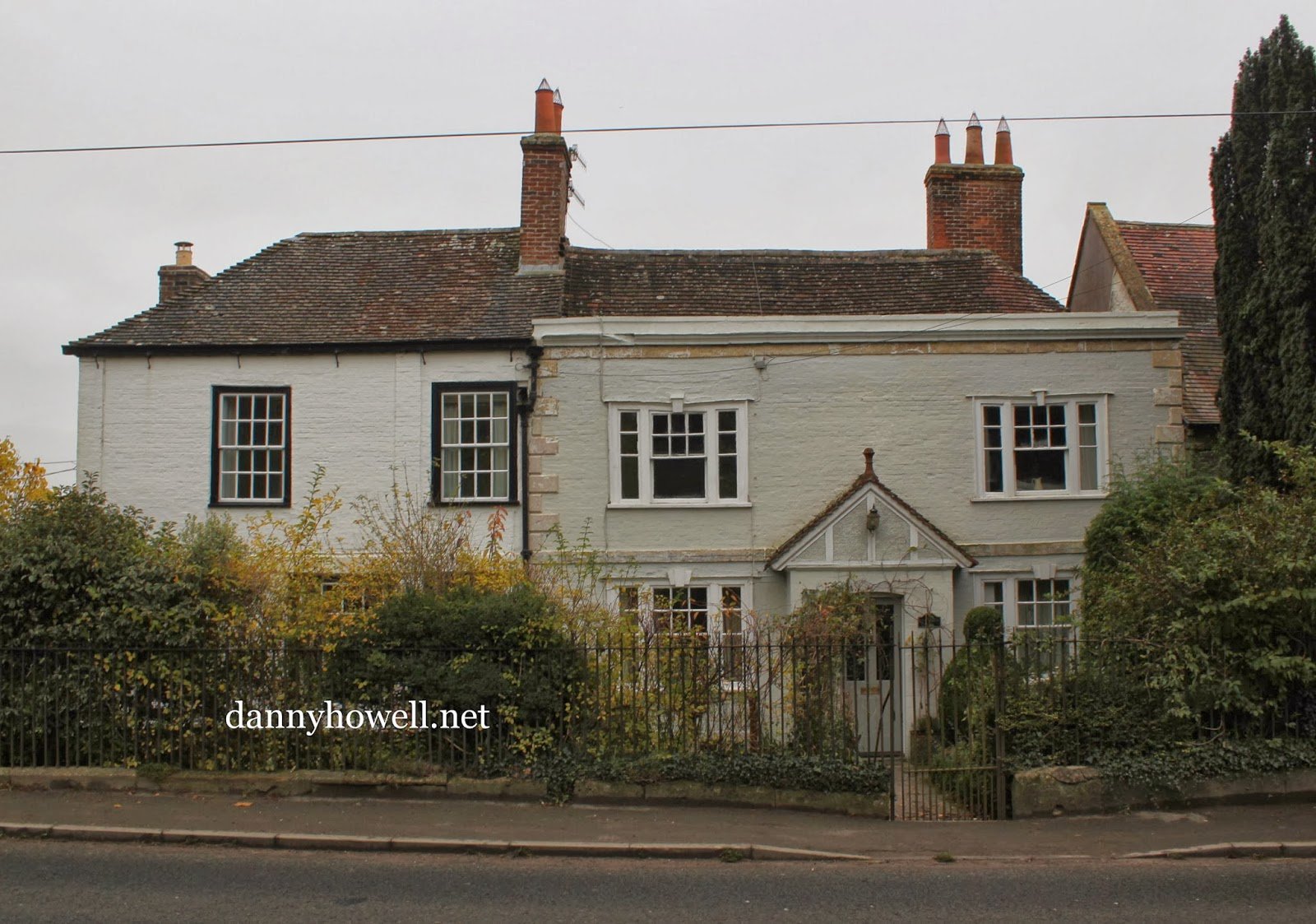
“As early as 1704, an Ebenezer Butler of Warminster bought pews in the “new Meeting Place” and his house was in front of St. Lawrence Chapel there. On retiring from business, Ebenezer Butler built a villa at Crockerton, adjoining the chapel there. He is said to have been of a mild disposition and to have died about 1775. But his “tomb” near the little door of the church had already disappeared in 1883 when H.M.Gunn’s scarce little book “History of Nonconformity in Warminster” was published and I know of no record of Ebenezer’s death! According to Gunn, Ebenezer’s wife, Mary Bayly, died in 1781, aged 78 and Ebenezer had by her, eight daughters. These are my ancestors . . .  they had eight daughters . . . Rachel the oldest, married Capt. John Thompson in 1753 at St Deny’s Church, Warminster, and both are buried there, under a big Yew tree near the front door. I wonder if you have ever come across this family??? Thank you in advance for any reply.

Danny Howell replies ~

Thank you Virginia for your email about your ancestor Ebenezer Butler. I am familiar with the role of the Butler family and the big part they played in the Non-conformist movement in Warminster, hence the numerous mentions of Ebenezer and his family in the book you mention. I have a first-edition copy of Henry Mayo Gunn’s book The History Of Nonconformity In Warminster (1853). Because of the wealth of information it contains I republished it in March 2003 (but this too is now out of print). 

It is perhaps not surprising that H.M. Gunn could not find “the tomb [of Ebenezer Butler] near the door of the little church [Crockerton Baptist Chapel]” saying it had disappeared by 1883, and that’s because Ebenezer is not buried there, nor in the little graveyard just a little way behind Crockerton Baptist Chapel. It could be that Gunn was referring to a plaque to Ebenezer Butler near the chapel door ~ a plaque that recorded Ebenezer’s involvement with that chapel or the Baptist cause. 

Ebenezer Butler is buried at the churchyard of the Parish of St. Deny’s, The Minster, Warminster. The Burial Register for St. Denys records Ebenezer’s burial there on 10th November 1774. But whoever made the entry in the register spelt Ebenezer’s surname as Buckler (another well-known Warminster family).

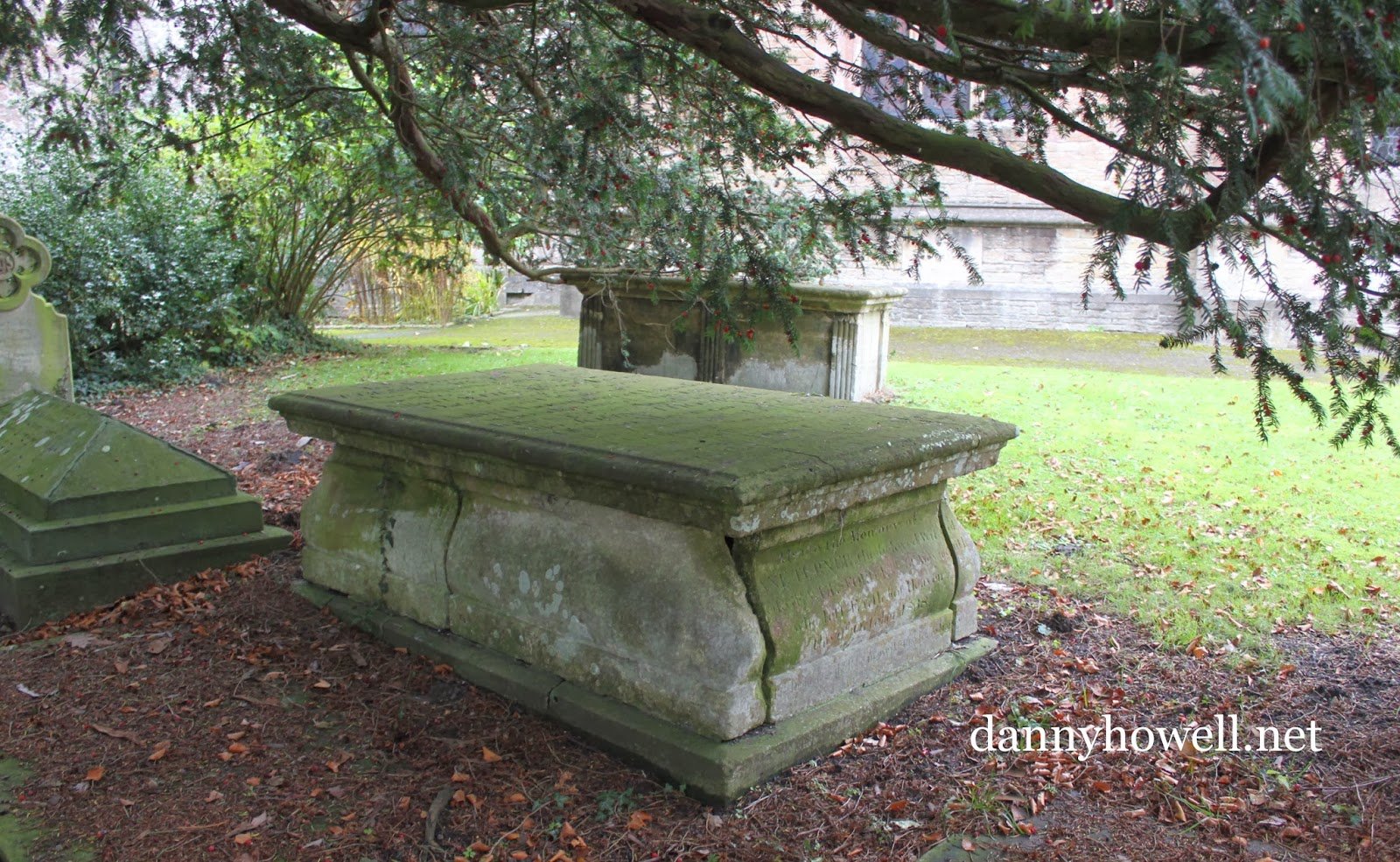
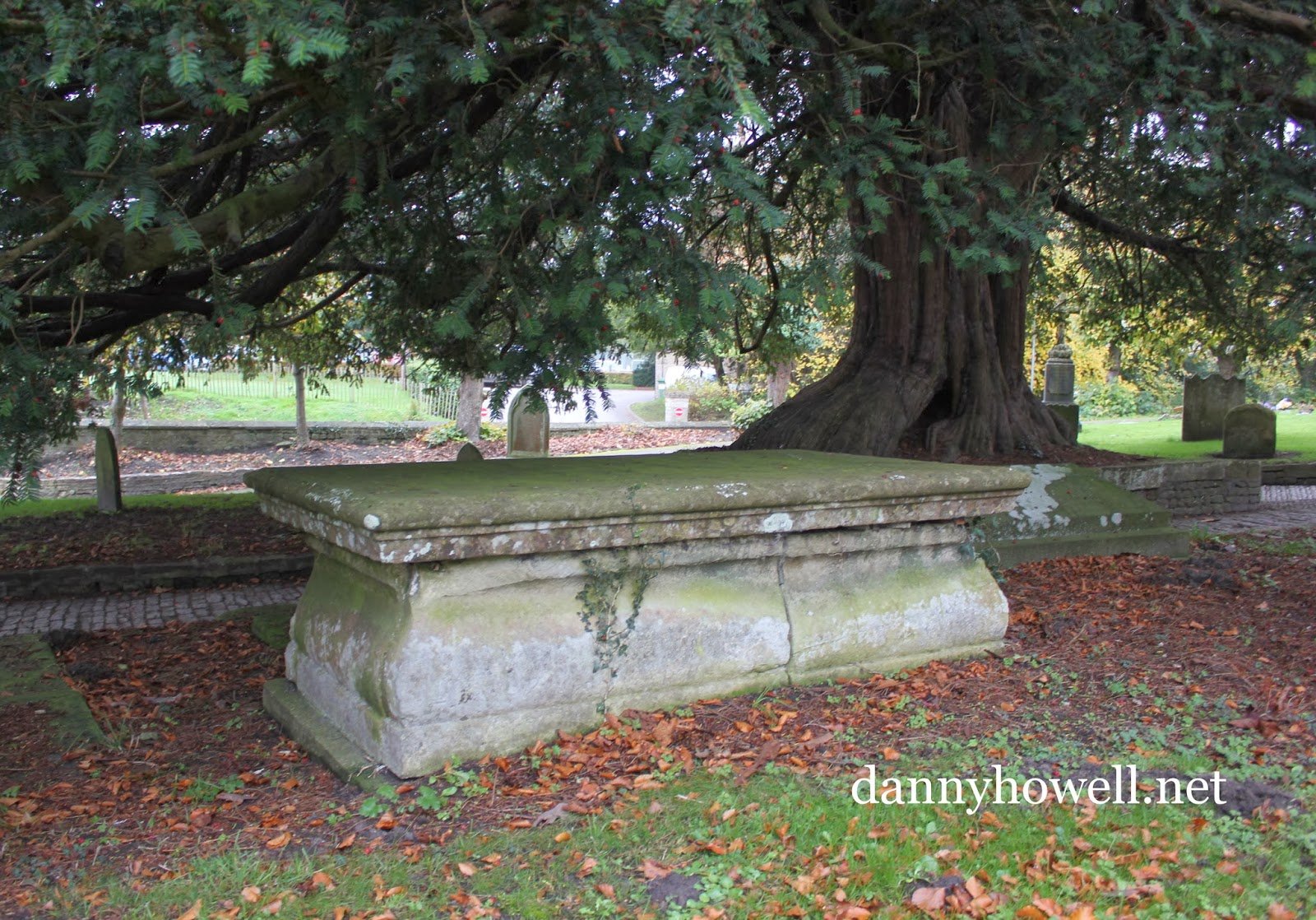
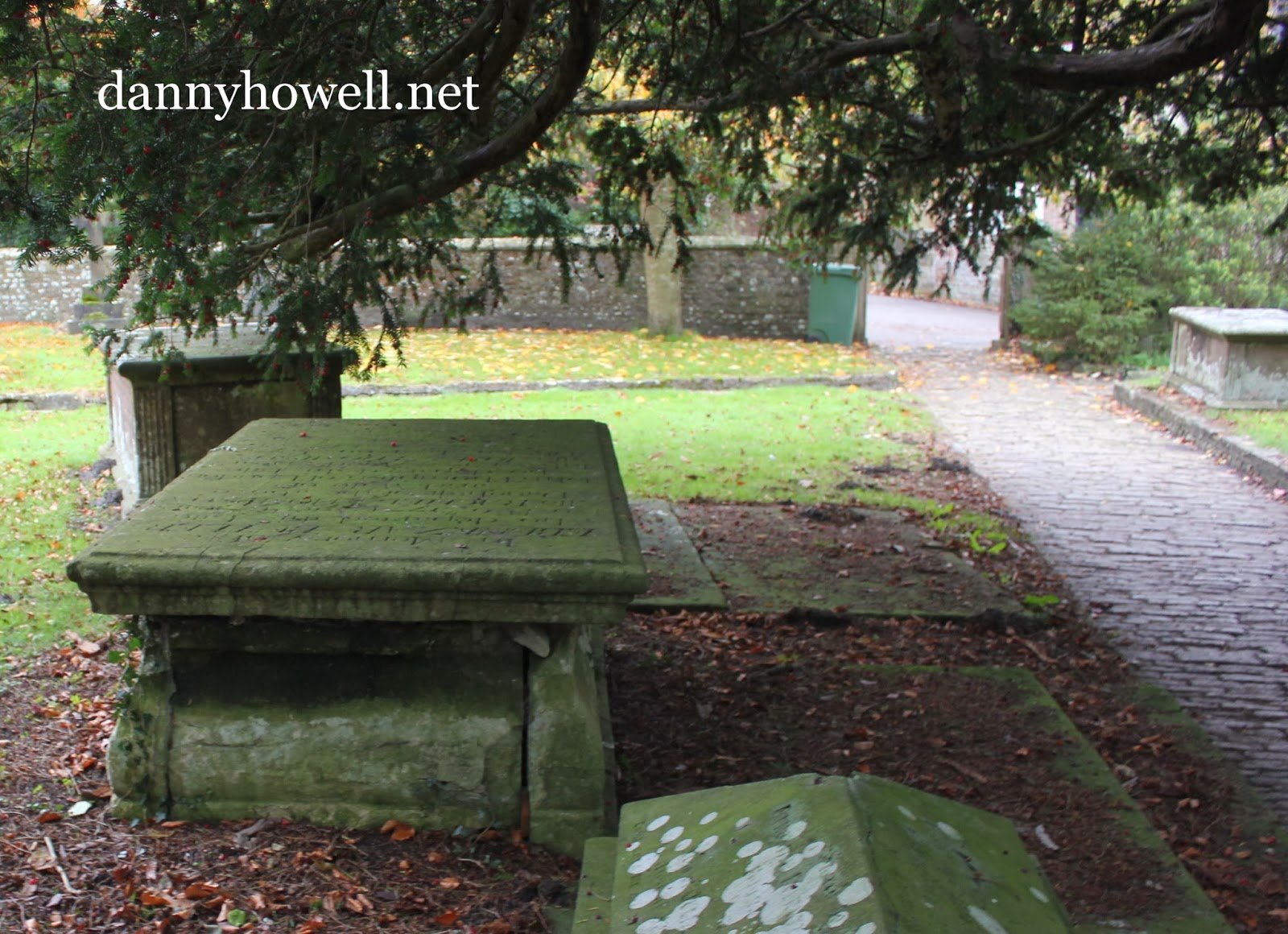
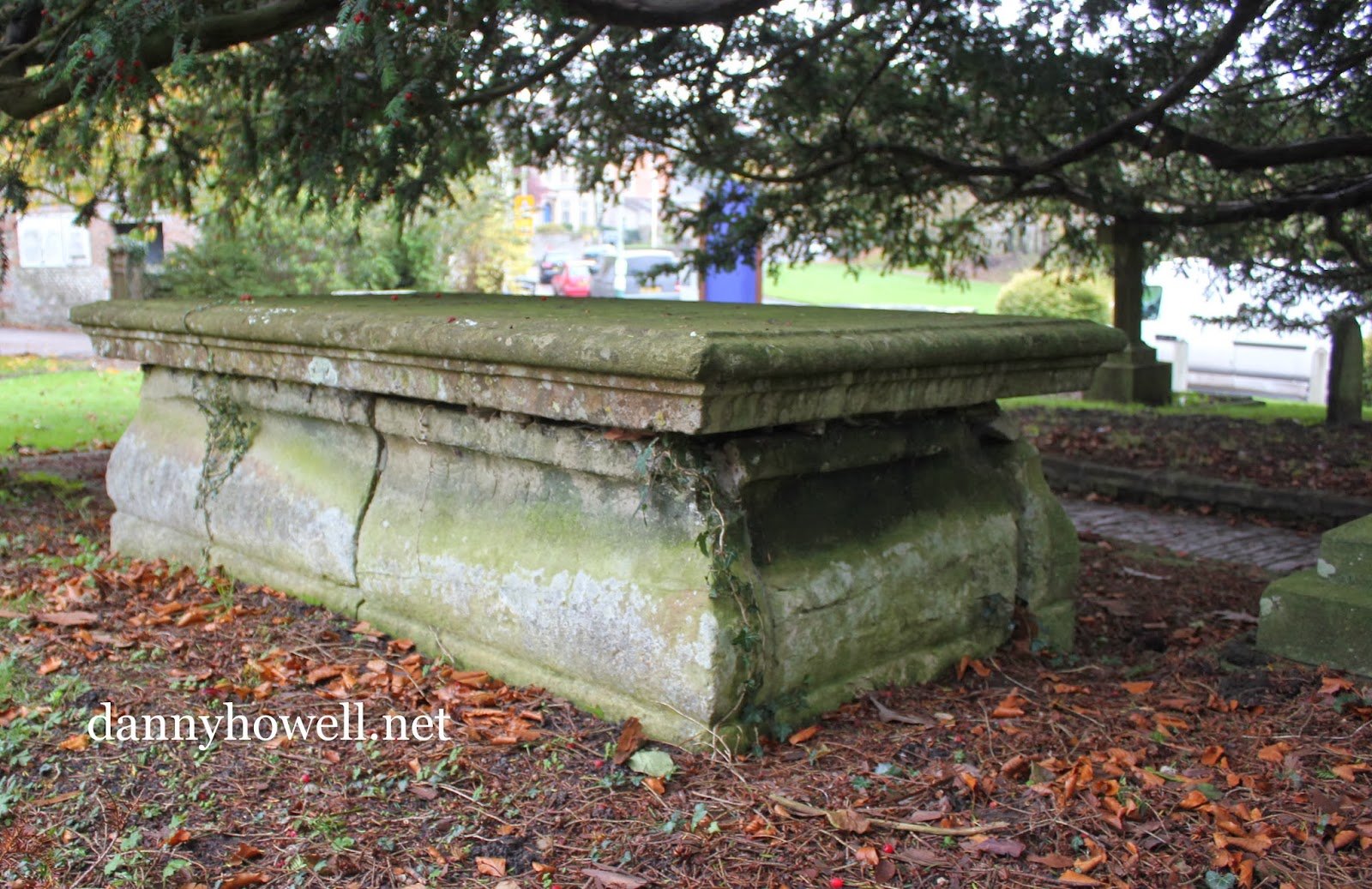
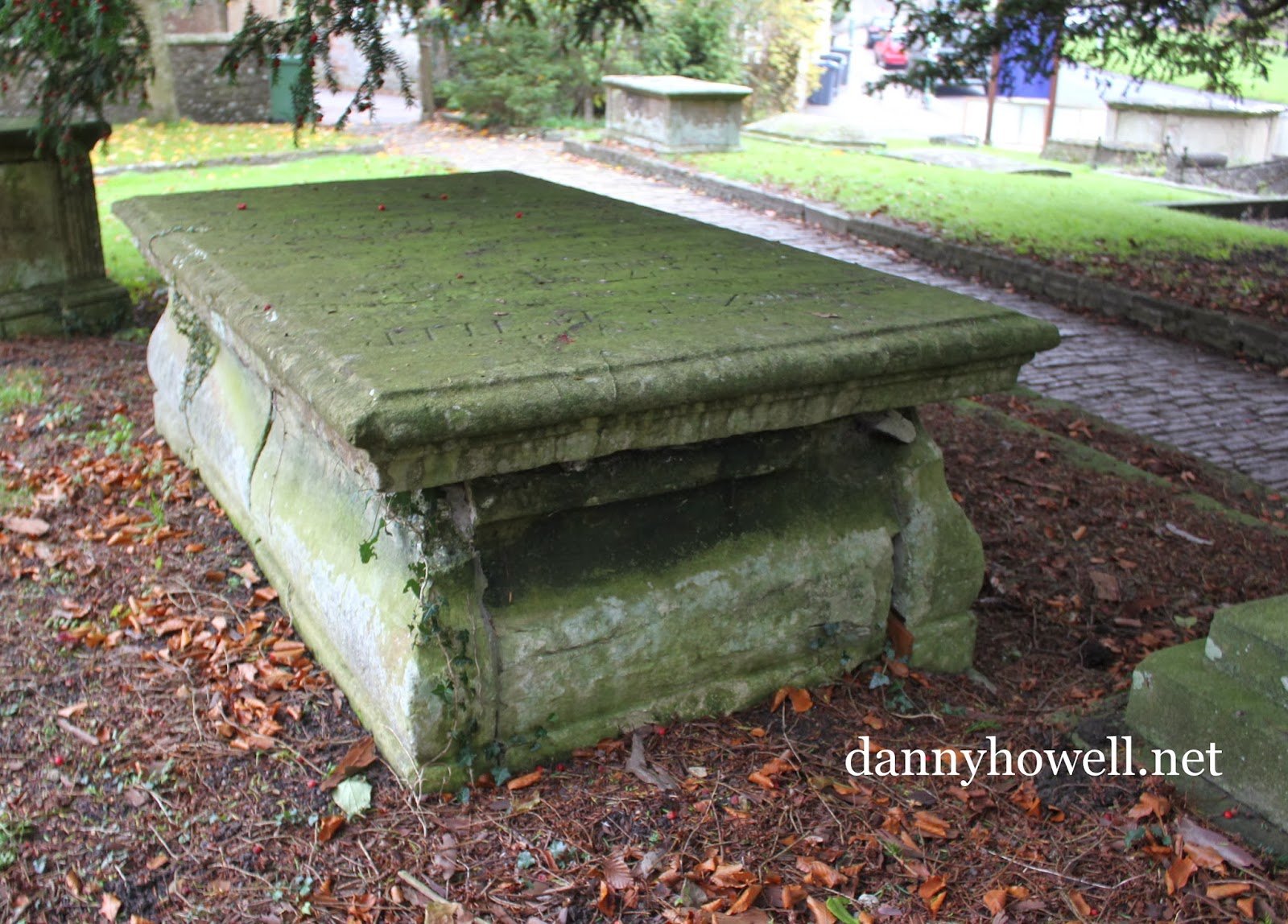
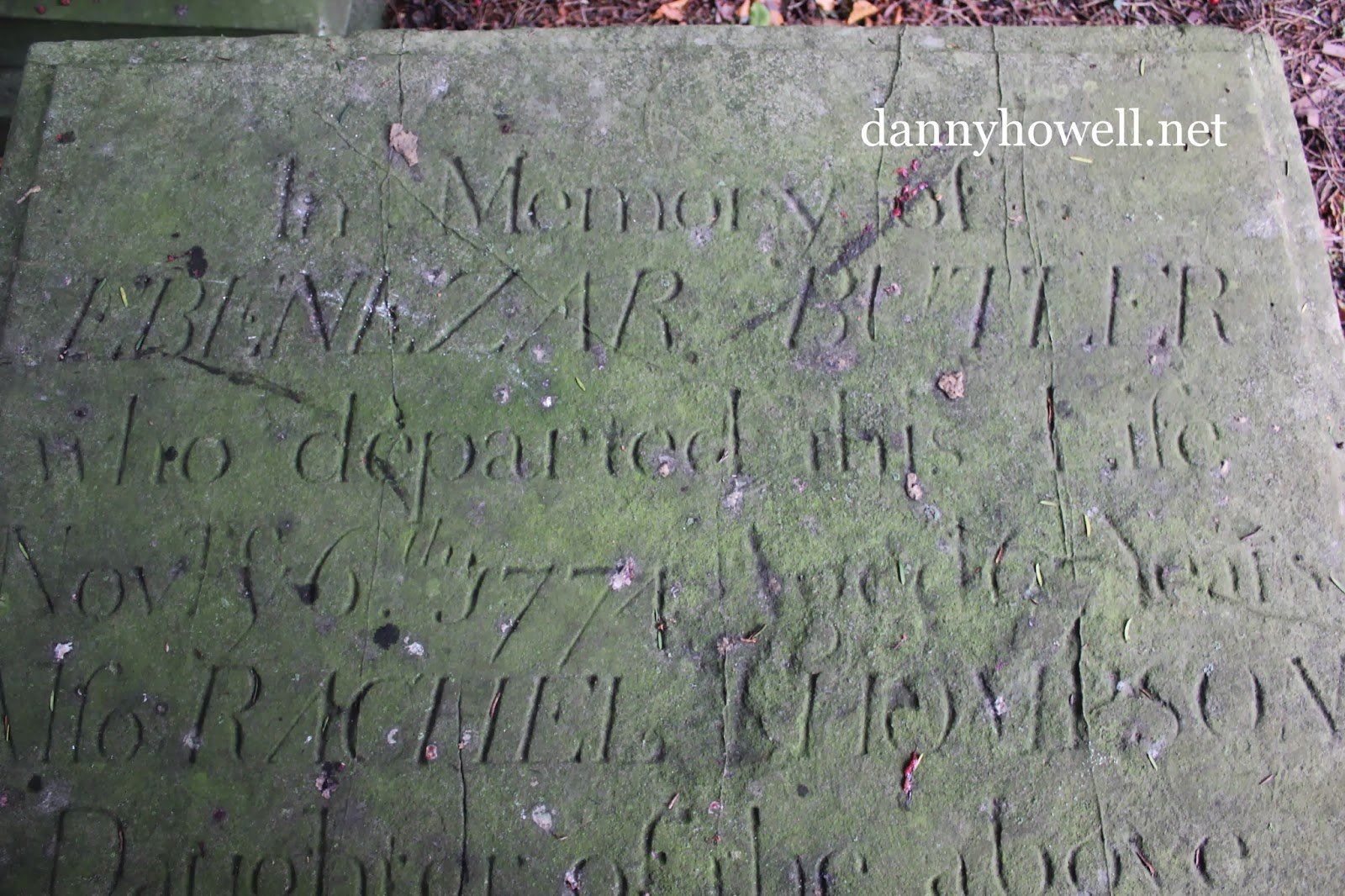
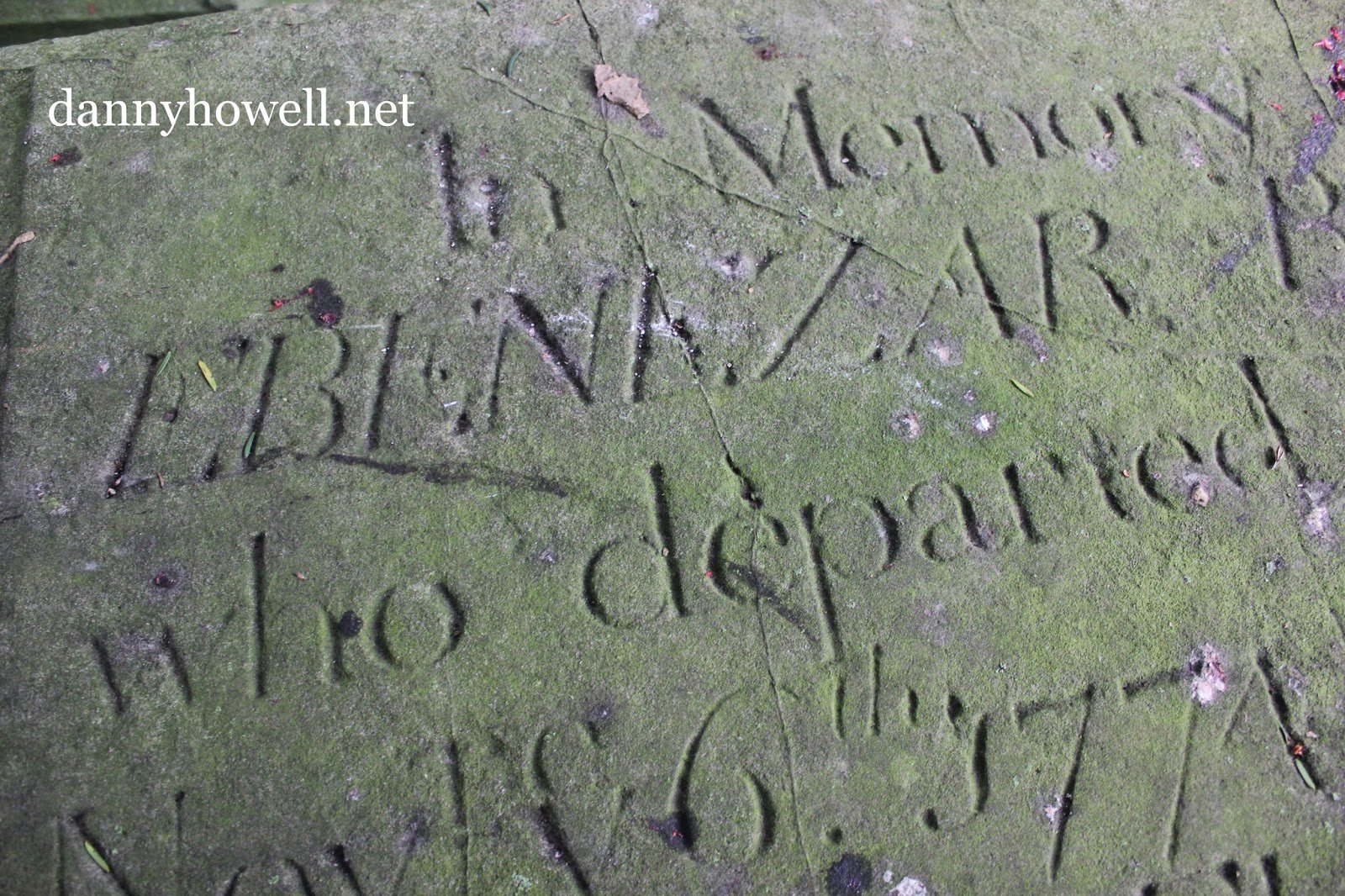
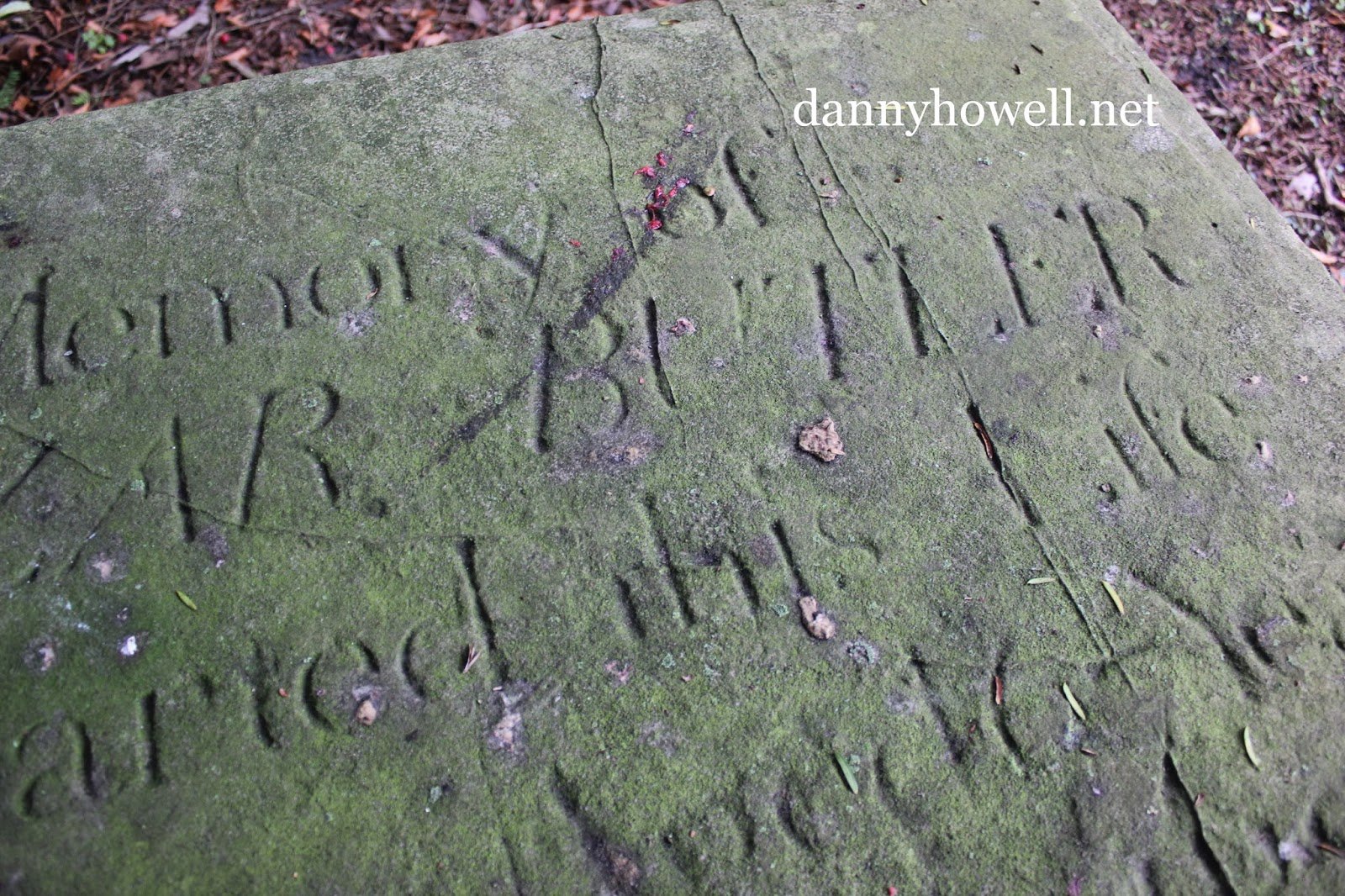
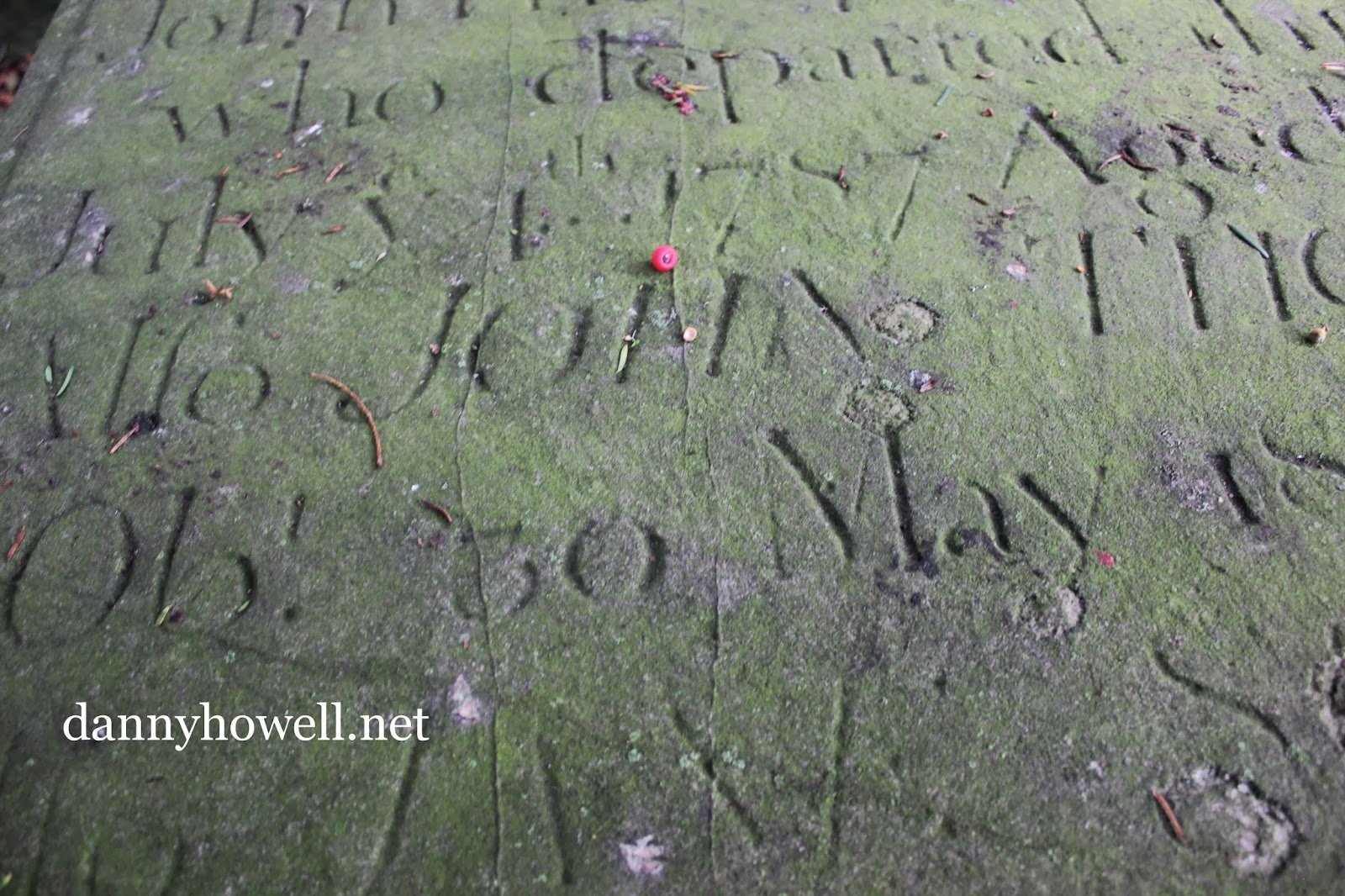
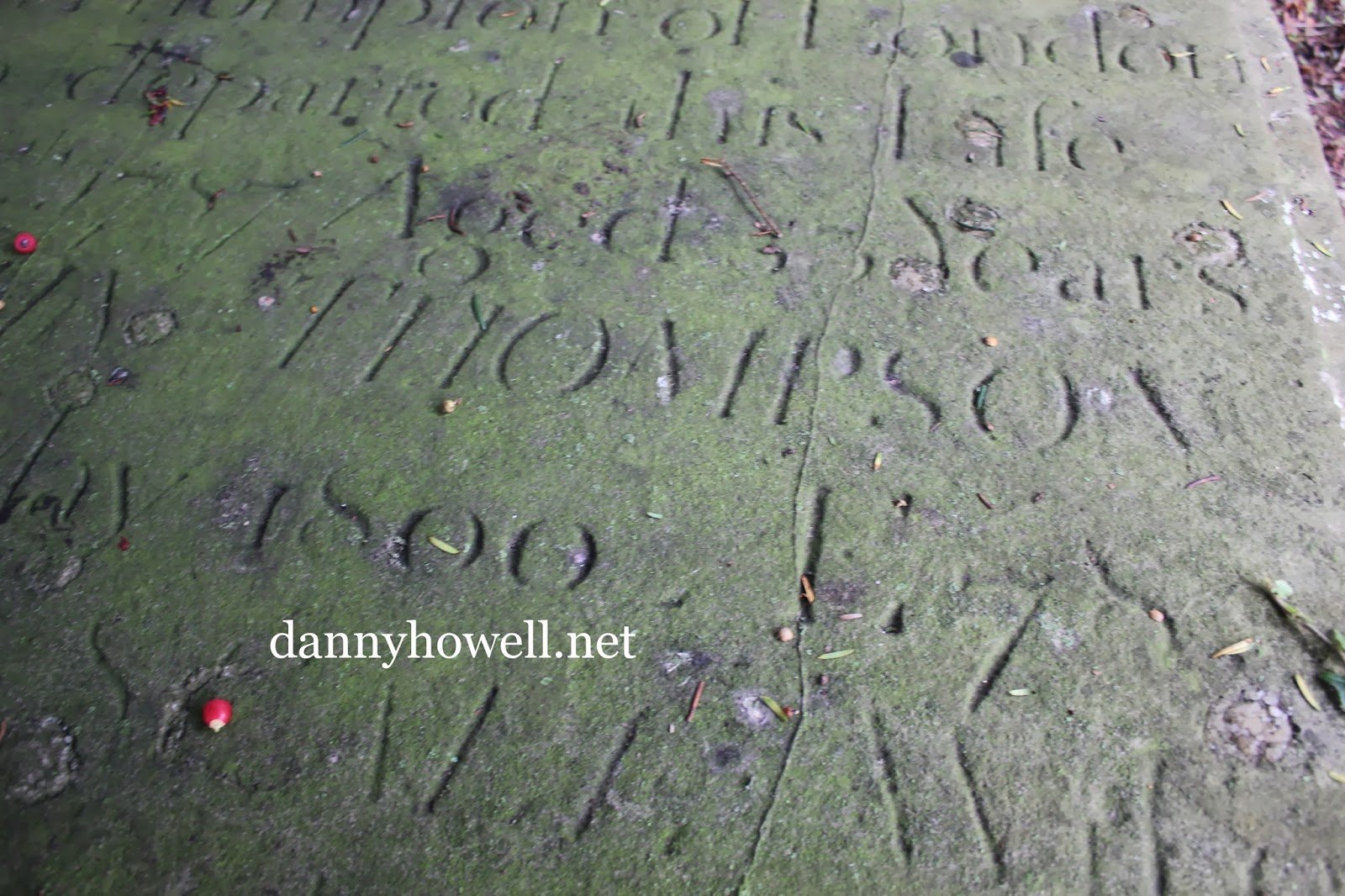
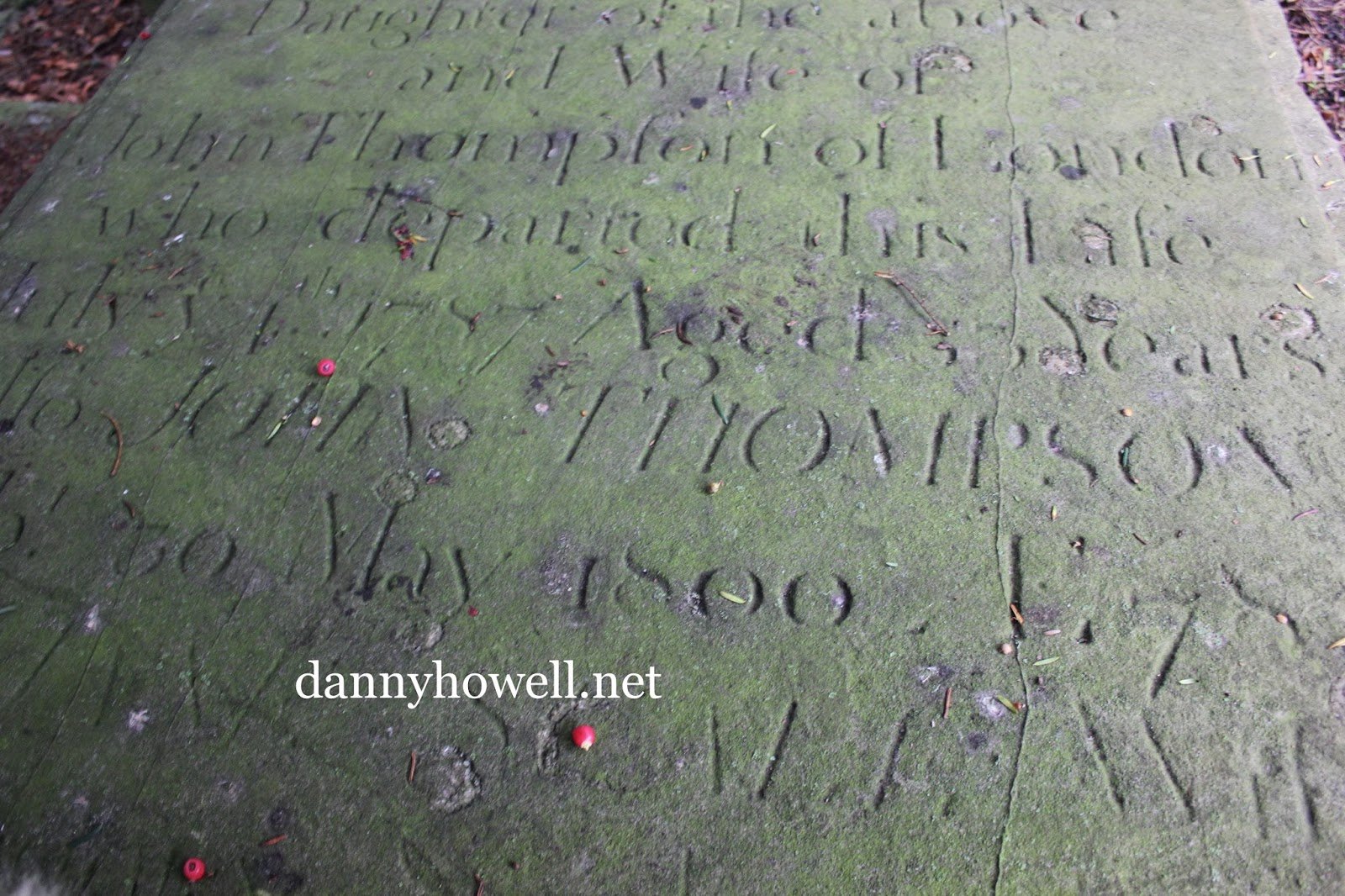
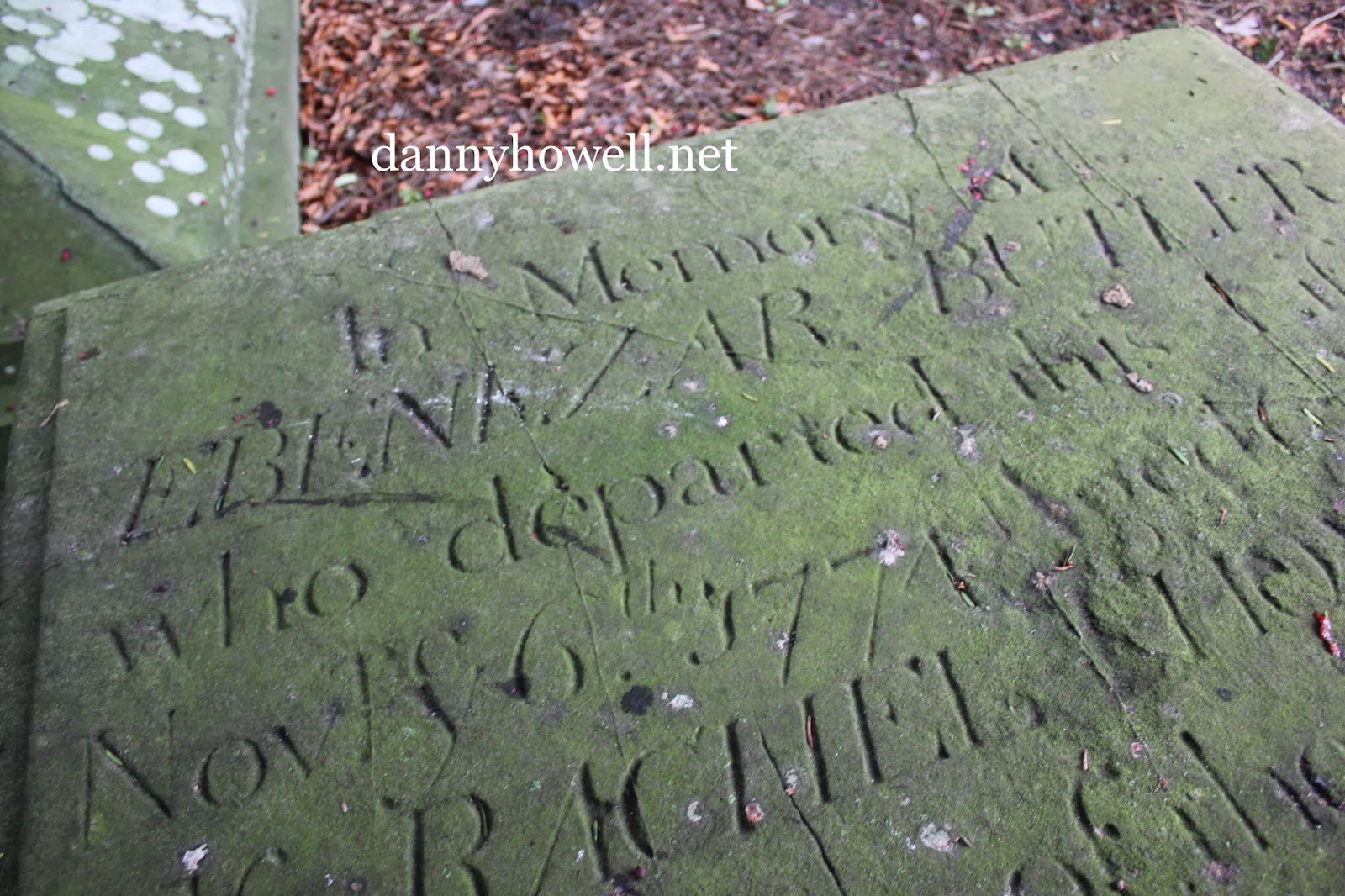
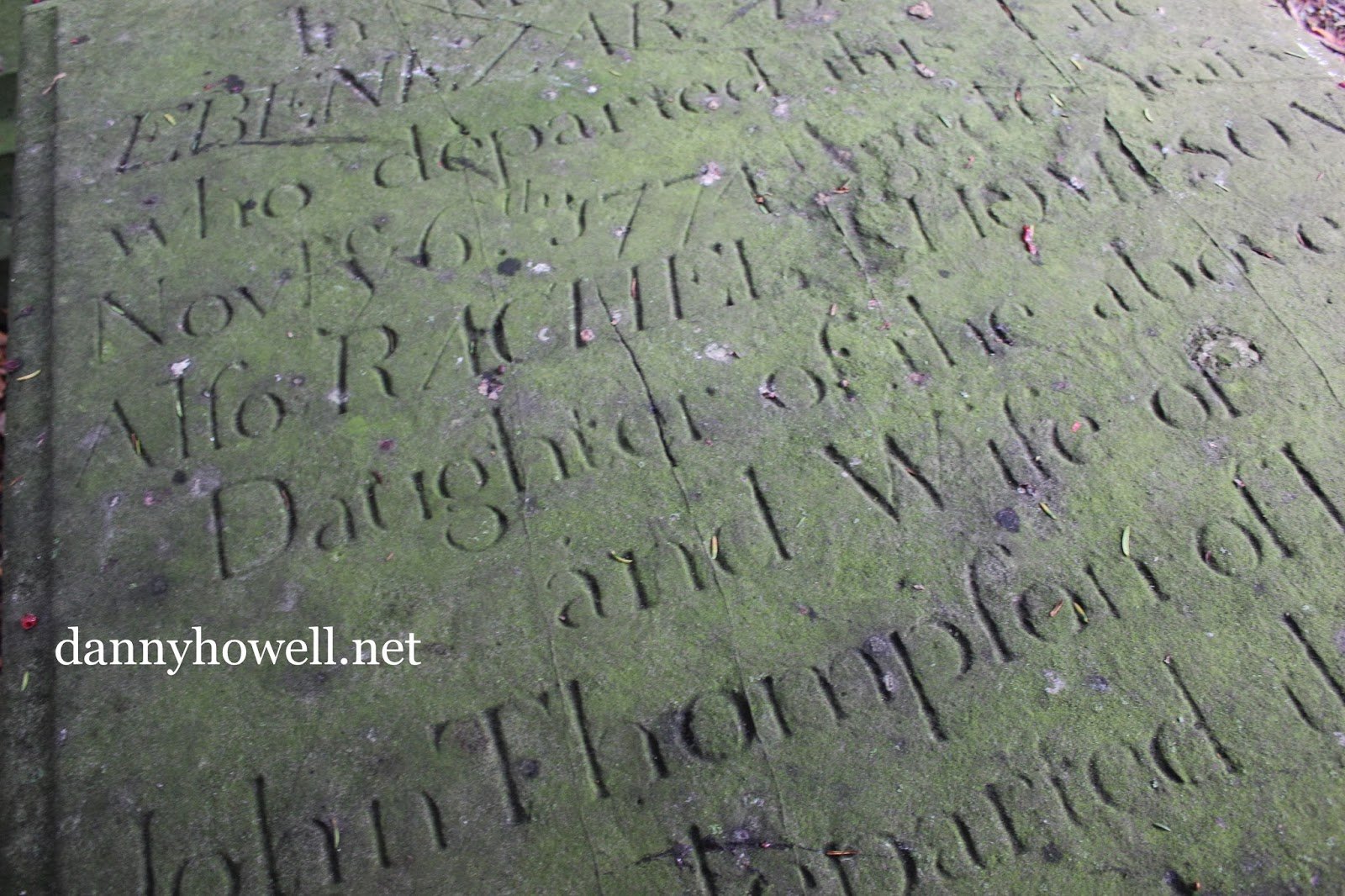
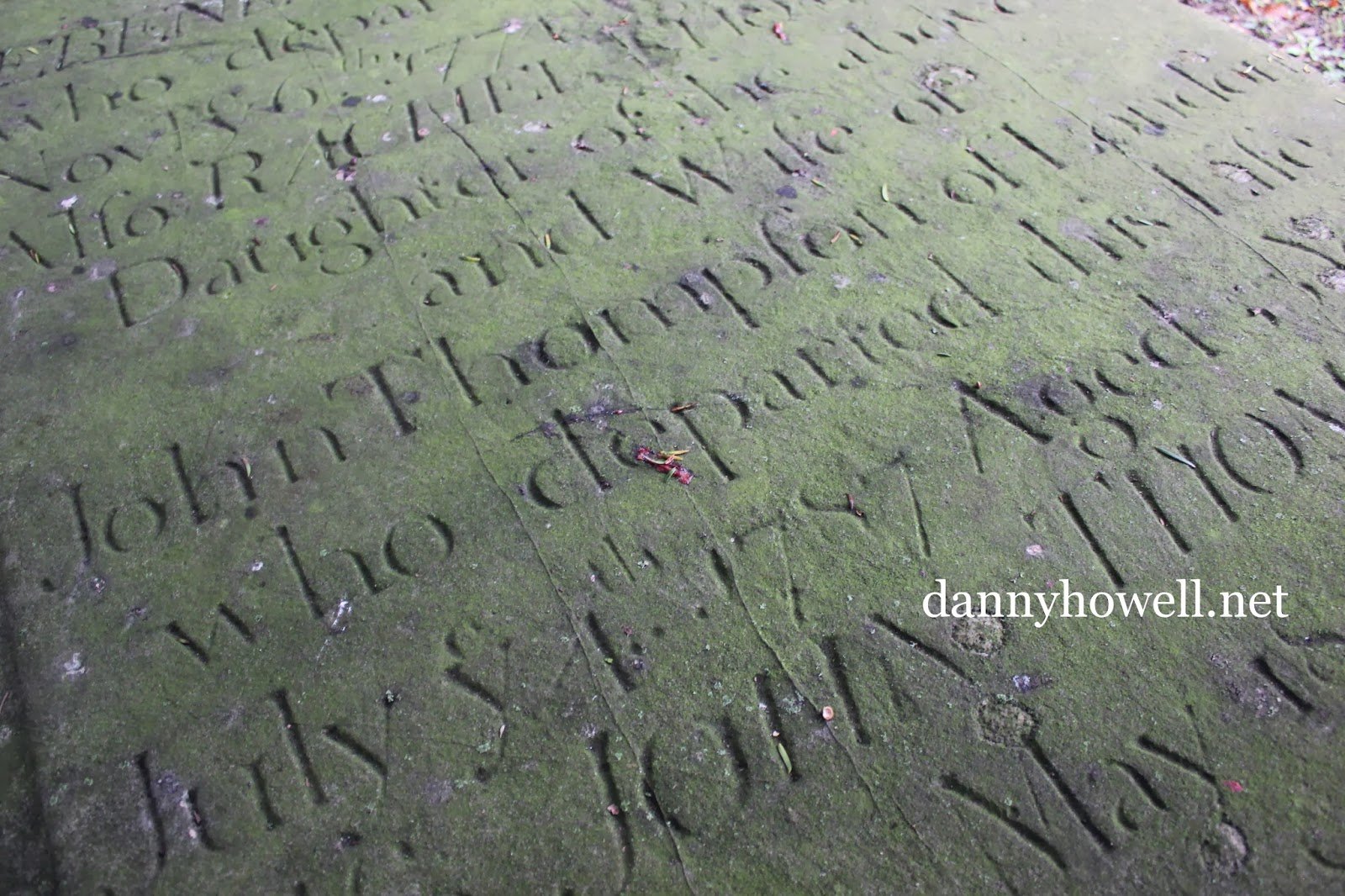
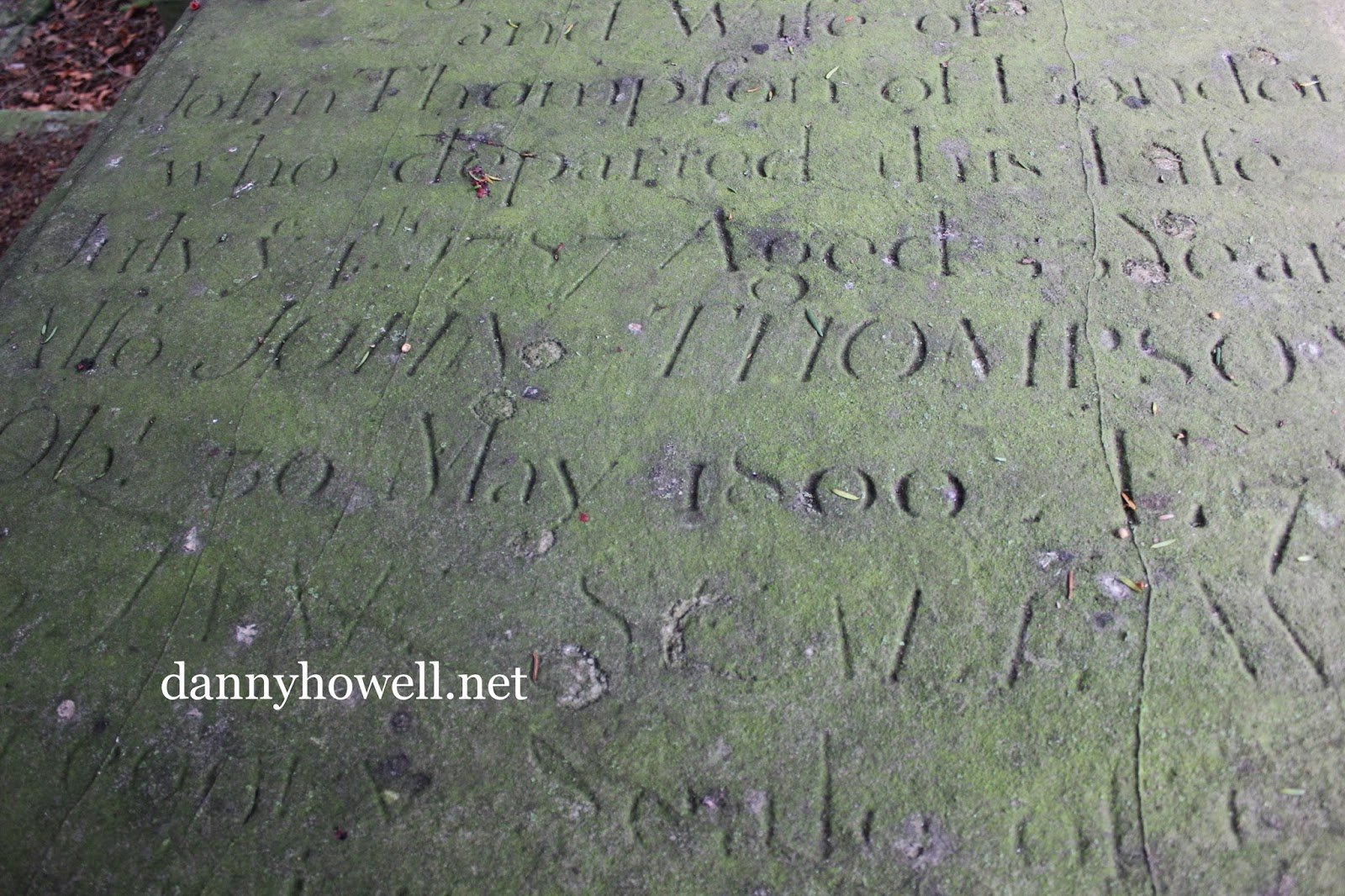
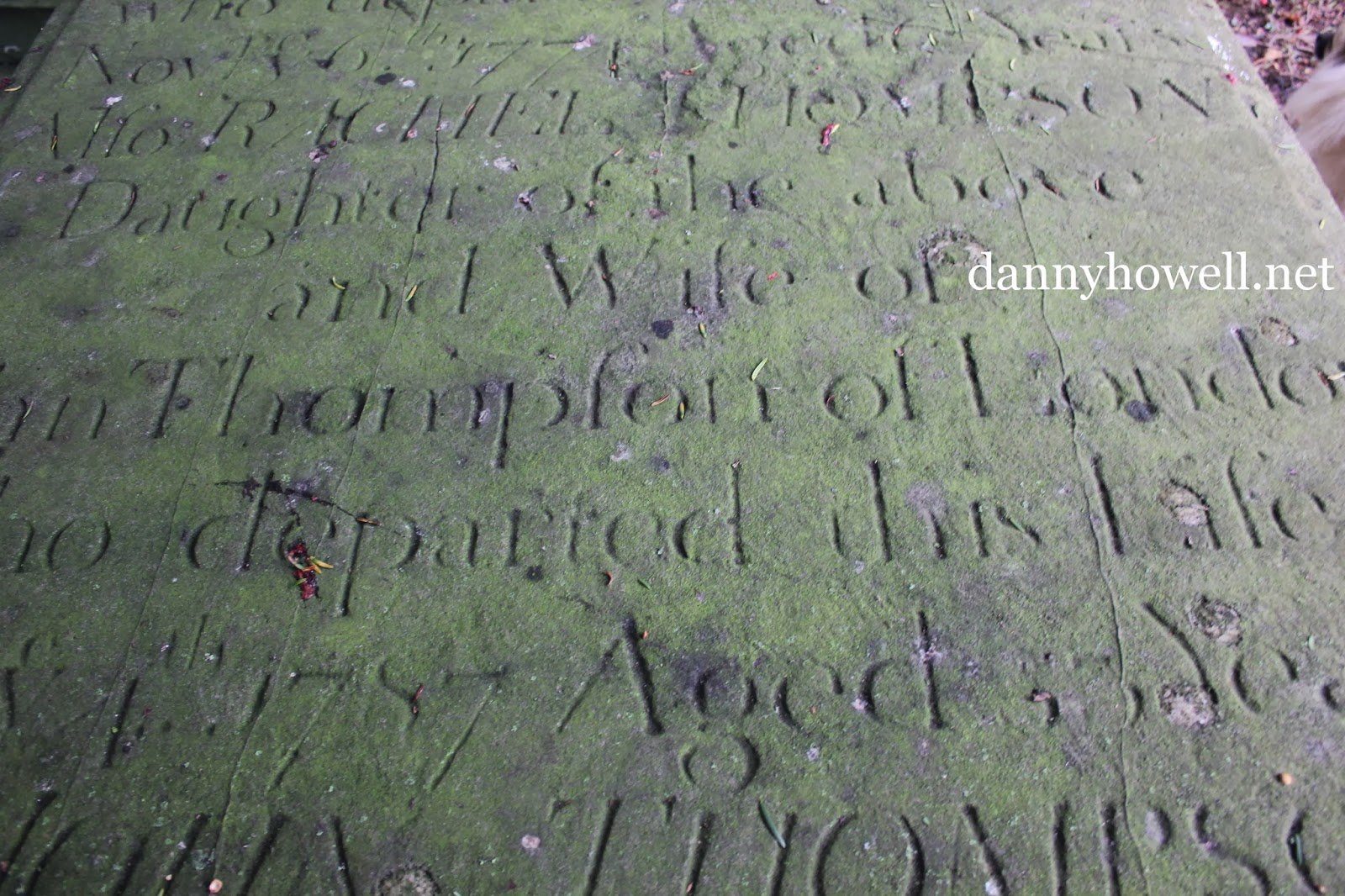
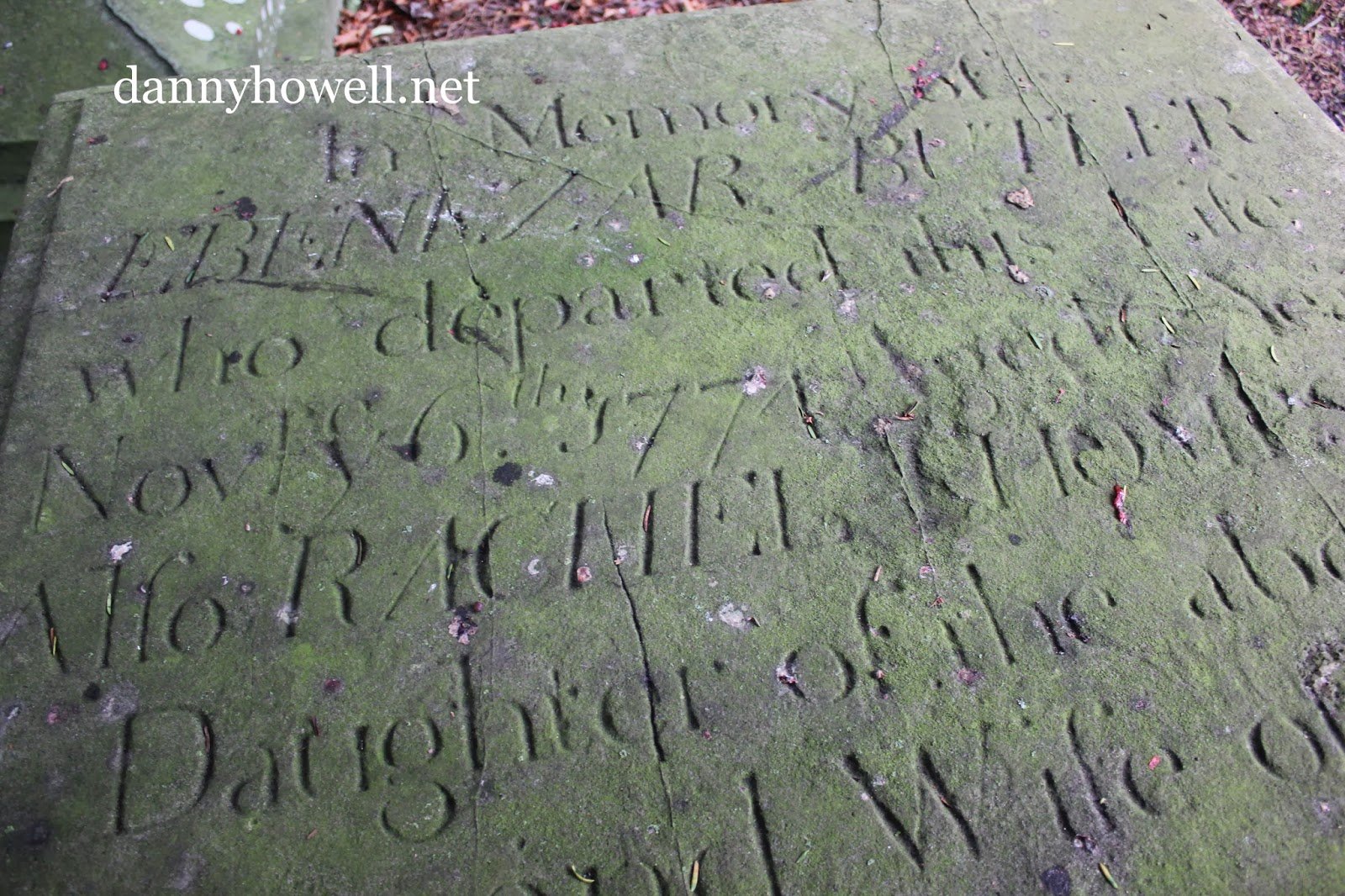
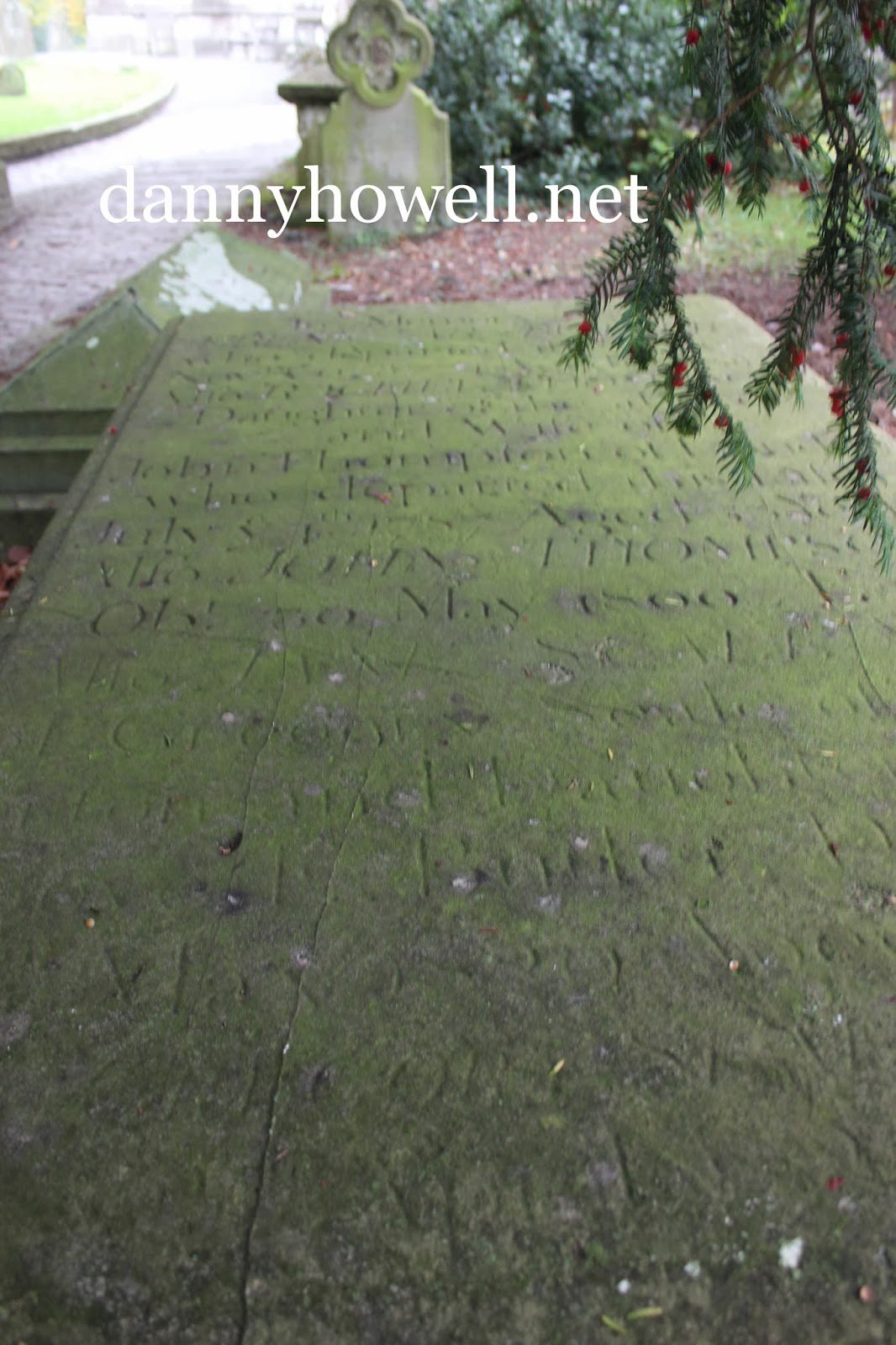
Ebenezer Butler’s burial place is near the front door of St. Denys’ Church, beneath one of the table top tombs under the ancient yew tree. Ebenezer’s daughter Rachel is buried in the same grave (the grave you mention in your email to me). The wording on the top of the tomb is readable for the first 12 lines. It reads: 

“In memory of EBENEZAR BUTLER
who departed this life
Nov ye 6th 1774 aged 67 years.
Alfo RACHEL THOMPSON
daughter of the above
and wife of 
JOHN THOMPSON of LONDON
who departed this life
July ye 4th 1787 aged 54 years.
Alfo JOHN THOMPSON
Obt. 30 May 1800 aged 78.
Alfo . . . .”

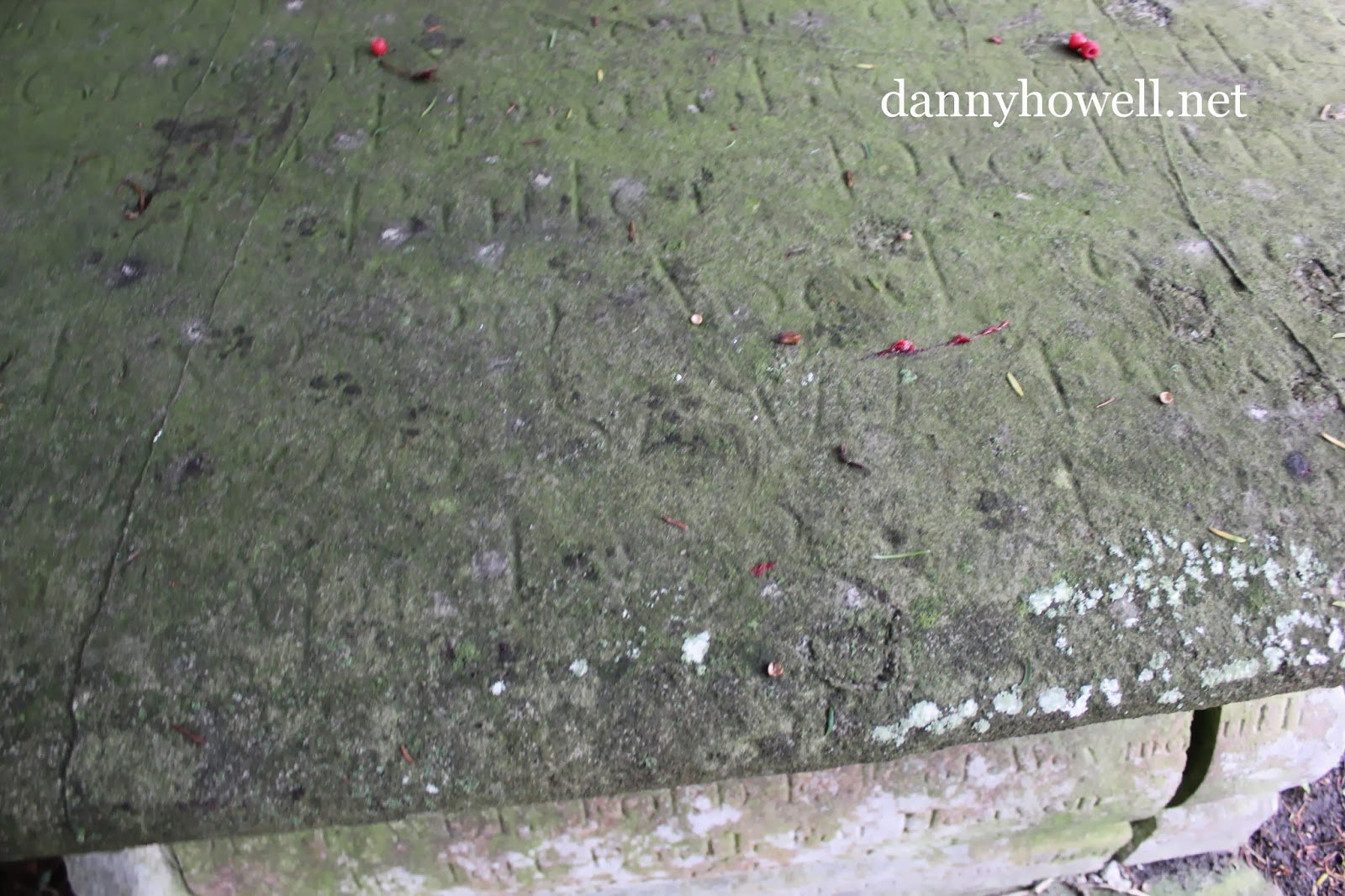
The final six lines of the tomb top are no longer readable, but could possibly be to Ebenezar Butler’s widow. 

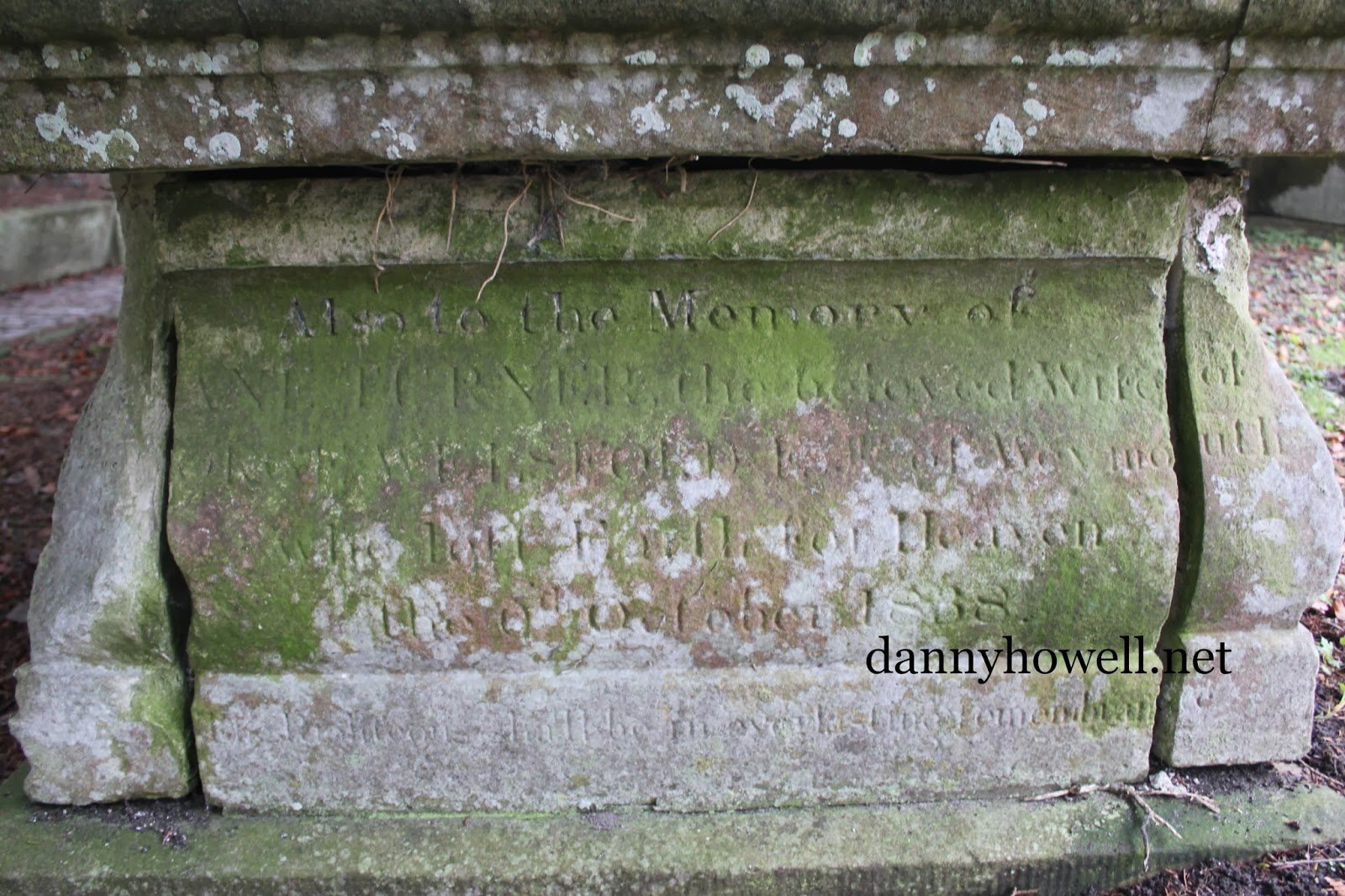
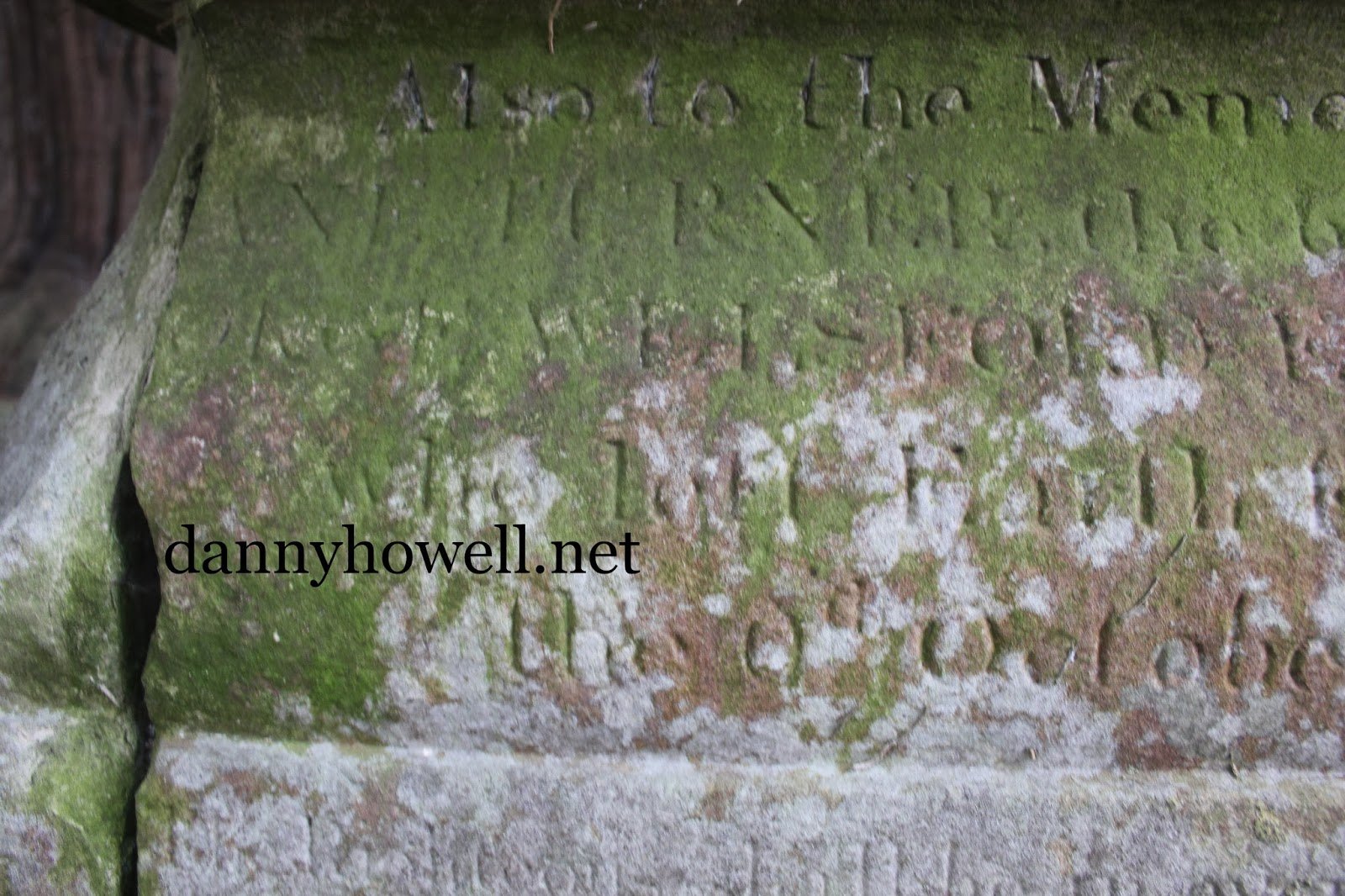
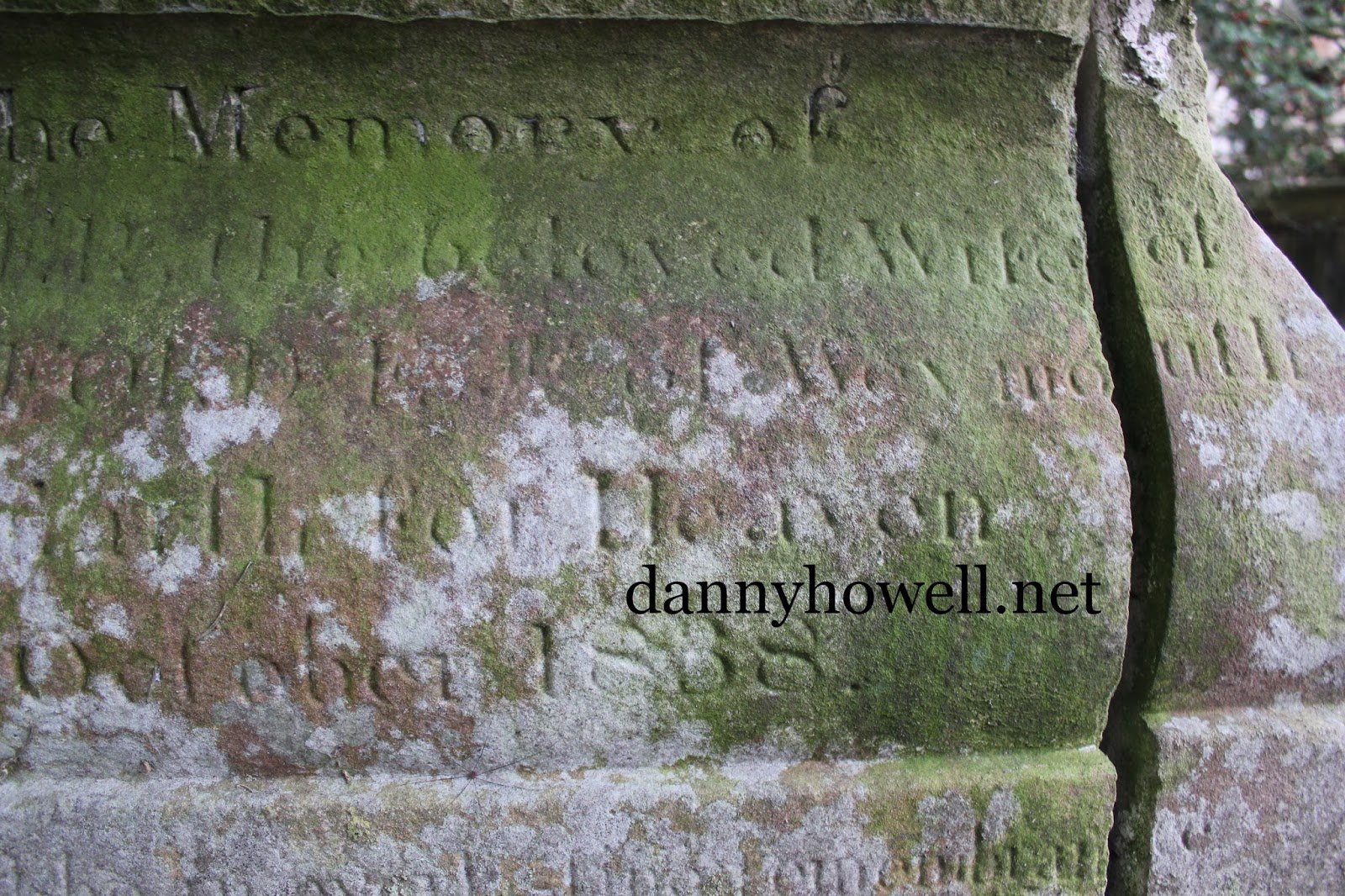
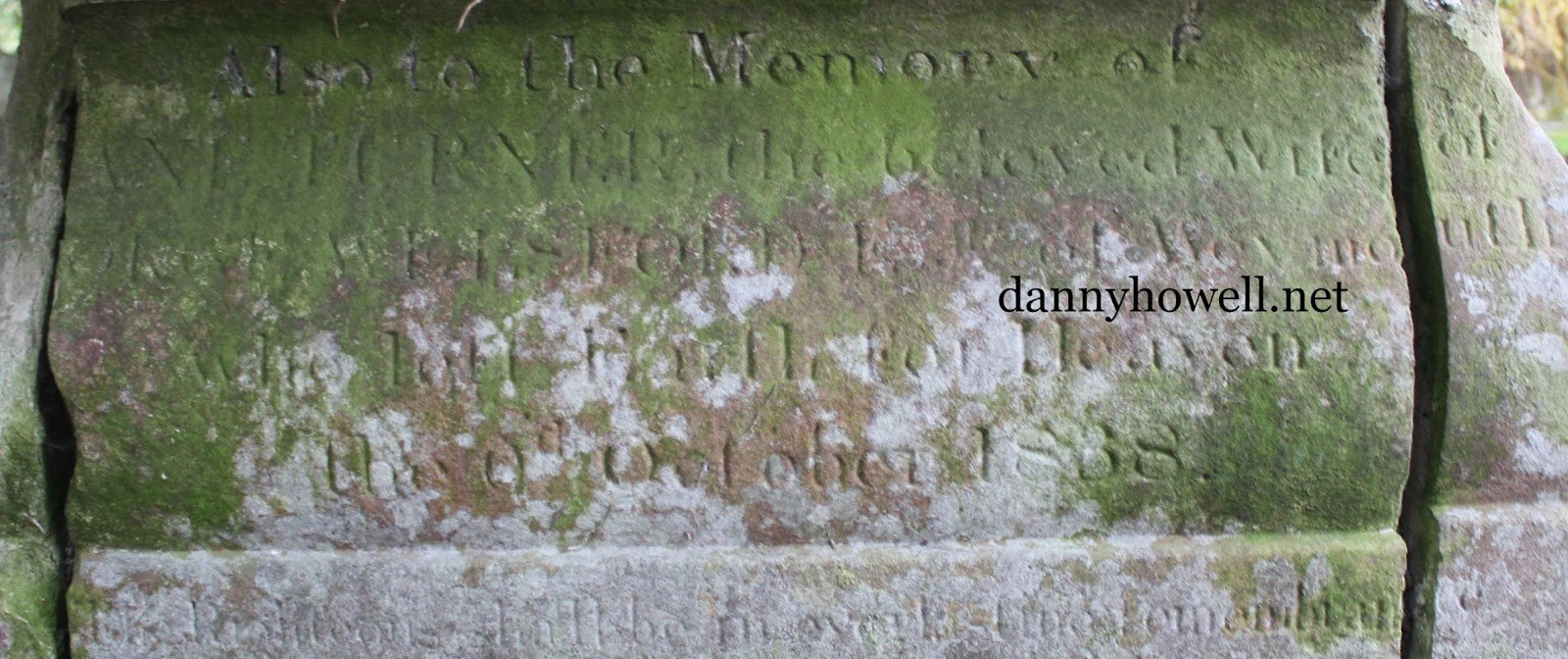
There are some more lines on the eastern side of the tomb, which read:

Also to the memory of
JANE TURNER WELSFORD
the beloved wife of
GEORGE WELSFORD late of Weymouth
who left Hell for Heaven
the 6th October 1838
the righteous shall be in
everlasting remembrance

The last line is from the King James Bible, Psalms 112:6

I think I am right in saying that inside the Baptist Chapel at Banks Buildings, Melcombe Regis, Dorset, on the south wall is a white marble tablet commemorating Frances (died 1833) and Jane Turner (died 1838) “wives of George Welsford”.

Interestingly, I think I am also correct in saying that also on the south wall of Melcombe Regis Baptist Chapel is a monument to a Thomas Butler who died in 1838.

The Melcombe Regis Baptist Chapel opened in 1814.

But I digress, so back to Warminster, and to Ebenezer Butler (or maybe we should write Ebenezar Butler) who died on 6th November 1774. 

There was a series of articles published in the Warminster Herald newspaper in 1882 and 1883, called ‘Rambles In And Around Warminster’. In these articles, someone, anonymously recorded many of the inscriptions on tombs and memorials in churches and on tombs and gravestones in churchyards, in Warminster and the surrounding villages, adding biographical details of deceased persons if known. The first article concerned the Parish Church of St. Denys, Warminster, but the writer was at a loss to say anything of note about the Butler tomb I have just referred to above. The writer of ‘Rambles’, in reference to the tombs under the yew tree at St. Denys’, included this: “No satisfactory information can be obtained as to who were Ebenezar Butler, and his daughter Rachel Thompson, whose monument is situated near here. Ebenezar Butler died in 1774.”

We do of course know that Ebenezar Butler was a grocer and we know, thanks to Gunn’s book, about Ebenezar’s role with the non-conformist movement in Warminster and Crockerton. I have an inkling that Ebenezar’s father was a John Butler. At least, Virginia, these notes from me to you, will put paid to you not knowing any record of Ebenezar’s death.

Below are some photographs I took yesterday (Saturday 16th November 2013), which I hope will add something pictorial to your Butler family tree ~

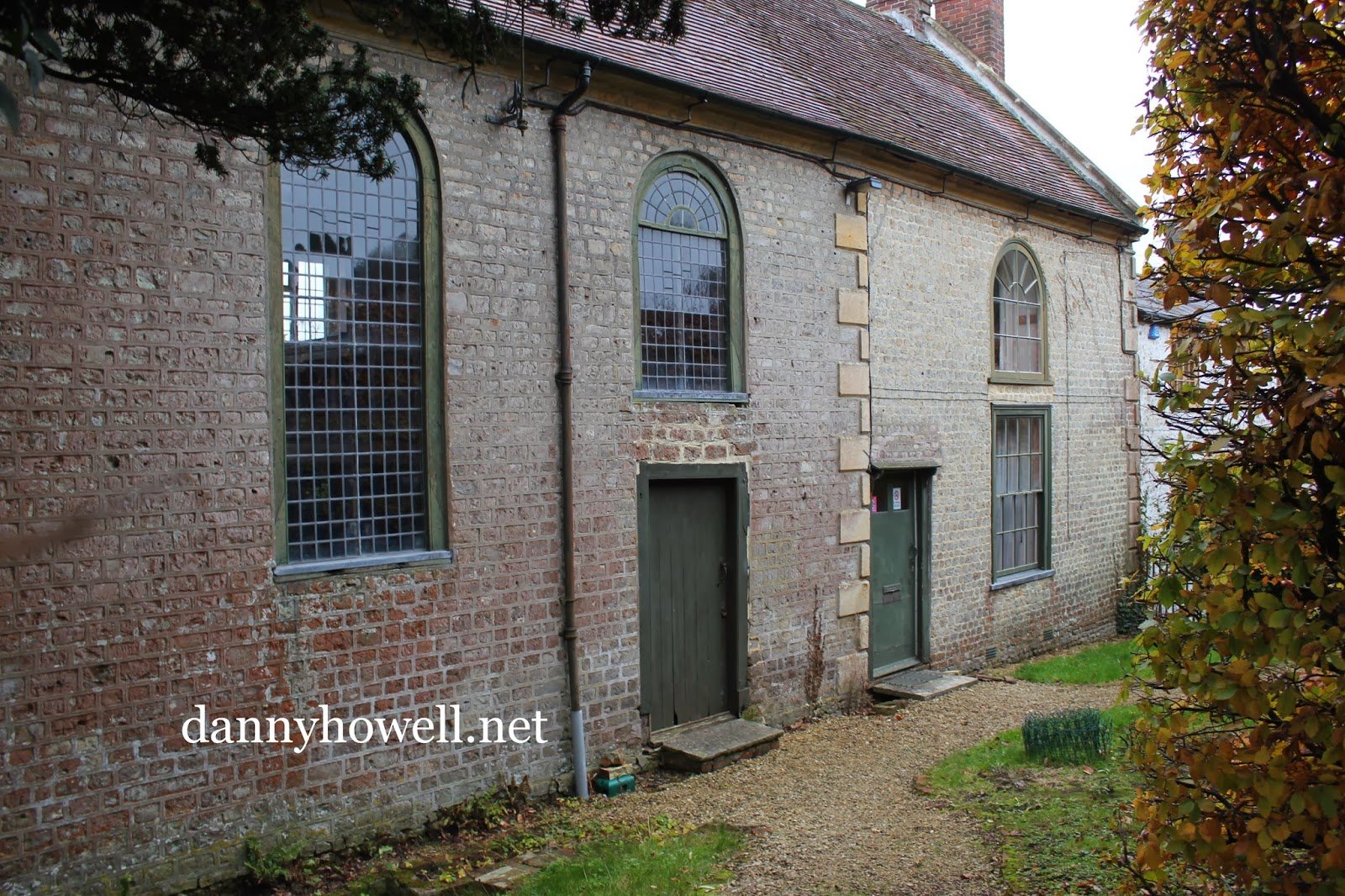
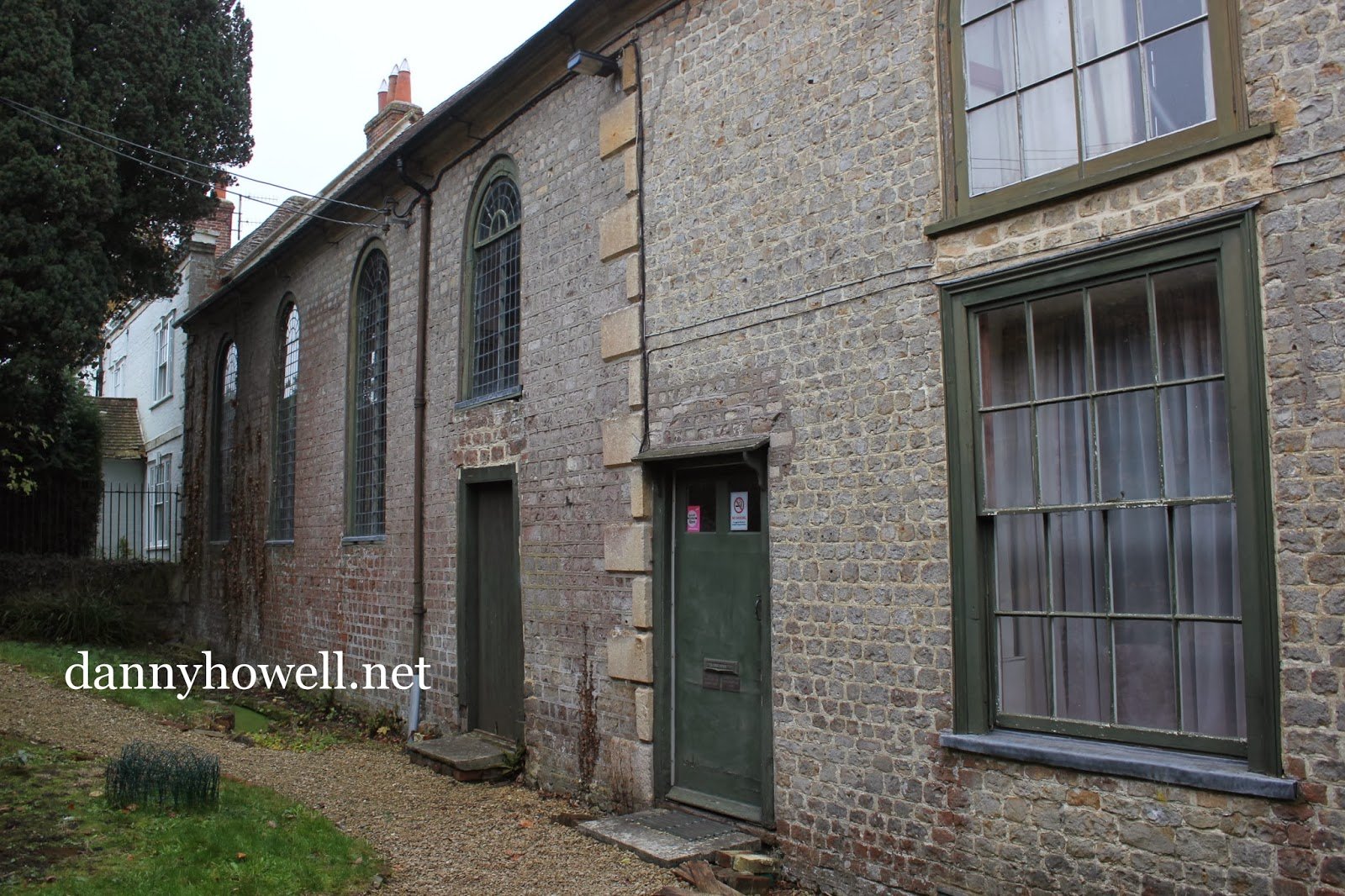
Crockerton Baptist Chapel (now no longer used):

 Below: The villa adjoining Crockerton Baptist Chapel:

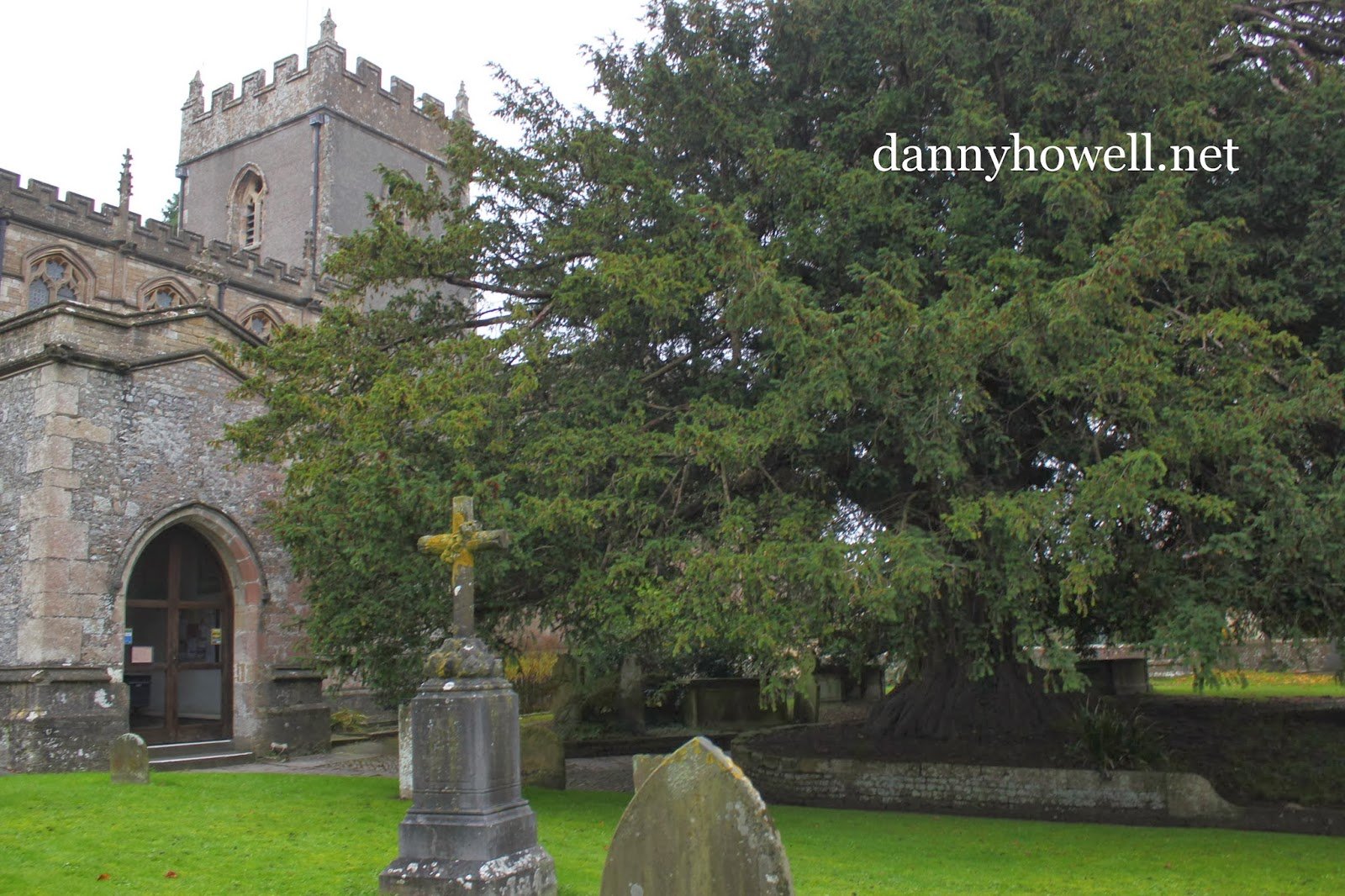
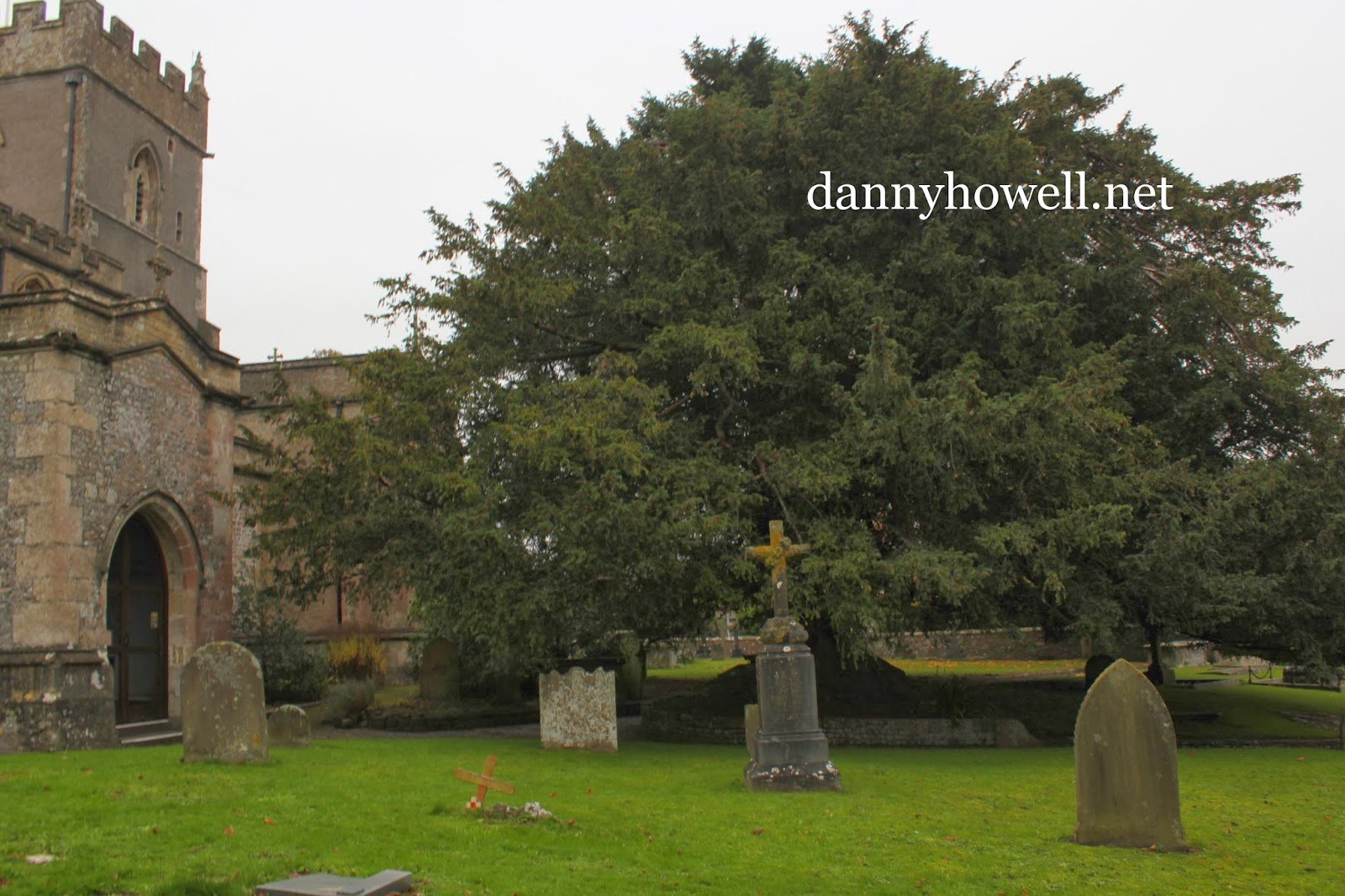
Below, some photographs of the table top tomb of Ebenezar Butler (and other members of his family) under the yew tree near the front door of St. Deny’s Church, The Minster, Warminster:

Next, some photos of the inscription
on the top of the tomb:

 ~

Next, the inscription on the eastern side of the tomb:

And finally, a couple of photos showing
the yew tree outside the front porch
of St. Deny’s Church:

error: Content is protected !!