West Wiltshire District Council’s Warminster Town Centre Conservation Area Character Assessment, Informative Document, Consultation Draft/Cabinet Draft, of December 2006, includes the following notes:
RESIDENTIAL AREA 2
This part of the Conservation Area is made up of Pound Street, Pound Row, West Street and the western end of Vicarage Street. West Street was established by 1325 and by the 16th century the town extended as far as what is now No. 34 Vicarage Street, (Vicarage Street formerly being part of West Street). By 1783 houses stretched along West Street on both sides for 0.8km beyond the High Cross (now The Obelisk in Silver Street), and along Pound Street further than the end of Princecroft Lane.
The entrance-way from the town centre into this area is the junction of Vicarage Street, Pound Street and West Street. Both Pound Street and West Street, but particularly Pound Street, are narrower roads than Vicarage Street.
The western end of the Conservation Area in West Street terminates with Bleeck’s Buildings and the southern end of the Conservation Area along Pound Street is marked by the change from higher density urban form to a more rural feeling in the streetscape.
USES
Pound Street and West Street are predominantly residential in use and is somewhat removed from the town centre. These were principle routes into the town and linear development out of the town was a natural evolution.
There are commercial properties within this area however and Pound Street contains the principle remaining commercial elements of this area, namely The Maltings on Pound Street and The Old Silkworks off Factory Lane.
The Maltings, Pound Street, is a Grade II listed malthouse built in 1879 and is still in operation in its original use and as such retains much of its original character. The characteristic kiln roof structures are still visible even though some have been lost.
The Old Silkworks was built in 1874 as an extension to the silkworks in Mere and Crockerton. Silk manufacturing ceased in the late 19th century at which point the factory was then used for making shirts. It was used as a wool store by the War Department but remained empty then until 1925. It returned to textile production at this point and was used for parachute manufacture during the Second World War. Following the war the building has operated almost continuously in various forms of commercial enterprise.
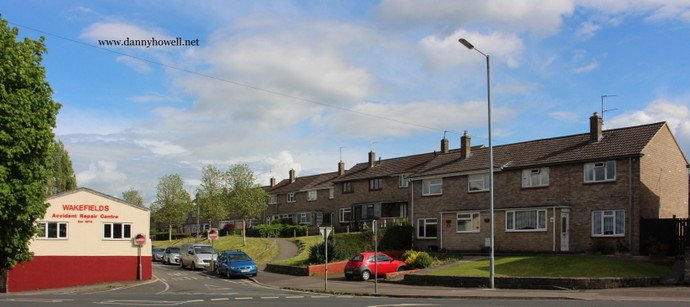
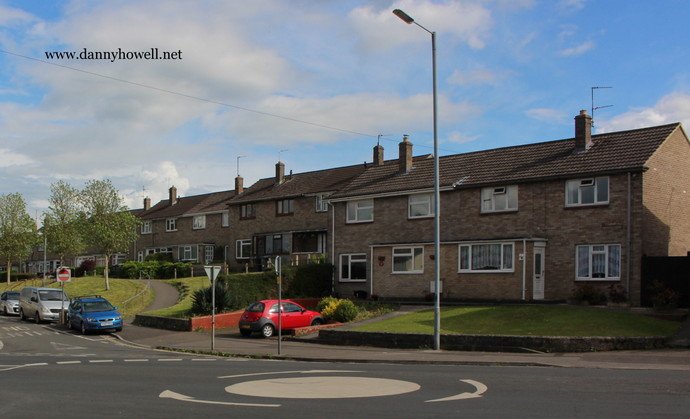
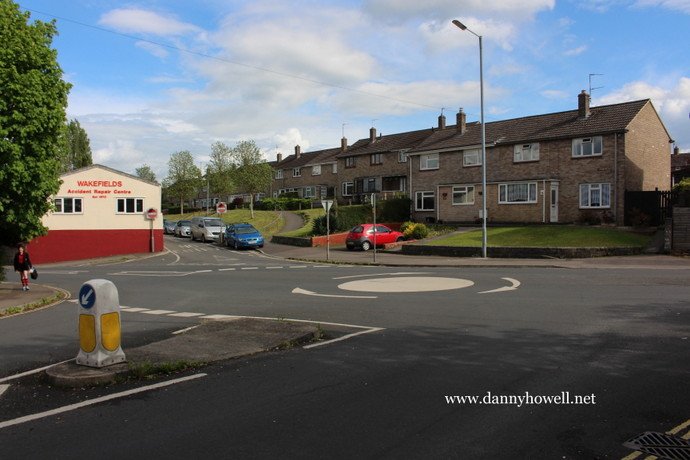
West Street does have elements of commercial uses with The Cock Inn at No. 55 (Grade II listed), and a modern garage use on the corner of West Street and Pound Row.
LAYOUT
The majority of the buildings in this area are terraced properties which front directly onto the highway, although a number are set back behind small enclosed front gardens or behind retaining walls. Towards southern end of Pound Street the road becomes very narrow, occasionally with footpaths only on one side of the carriageway or even no footpath at all. This results in a strong sense of enclosure within the street.
Within the conservation area densities are reasonably consistent, and there are few detached and semi-detached dwellings. Beyond the conservation area the building layouts and character is much more suburban. On Pound Street buildings become detached and there are entrances into modern cul-de-sacs.
West Street is also narrow but has footpaths on both sides of the carriageway along its length. Consequently, there is a more open feeling to West Street rather than the intimate nature of Pound Street. Once again the densities and mix of property types are consistent, however the plots are much deeper than those of Pound Street retaining the sense of the medieval burgage plots.
Vicarage St??
West Street and Pound Street are connected by Pound Row, creating a triangular block between Pound Row and the junction of Vicarage Street, Pound Street and West Street.
ARCHITECTURAL FORM
The scale and form of the terraces throughout this area are reasonably constant in that they are mostly modest two storey cottage terraces. These are interspersed with larger two storey detached properties and even a large three storey residential building. The terraces are quite simple architecturally
often with only minimal detailing. The emphasis of the detailing is predominantly on the door and window surrounds and on the roof details such as decorative ridge tiles and chimneys. The scale of the terraces is reasonably
consistent but there are small variations in heights and indeed some ranges are set on banks behind retaining walls. The effect of these minor variations in the terraces has led to an attractive undulating skyline that complements the intimate nature of these streets. Some of the detached houses are grand and
situated on larger plots. These are generally of a higher quality of architecture and boast features such as bay windows, stone string courses and a larger use of quality stone.
14 West Street is a Grade II listed building and was built in the 1680s. It has been altered substantially over the years but still retains an important presence in the street. Its striking façade and elevated roofline give it grandeur over the surrounding area.
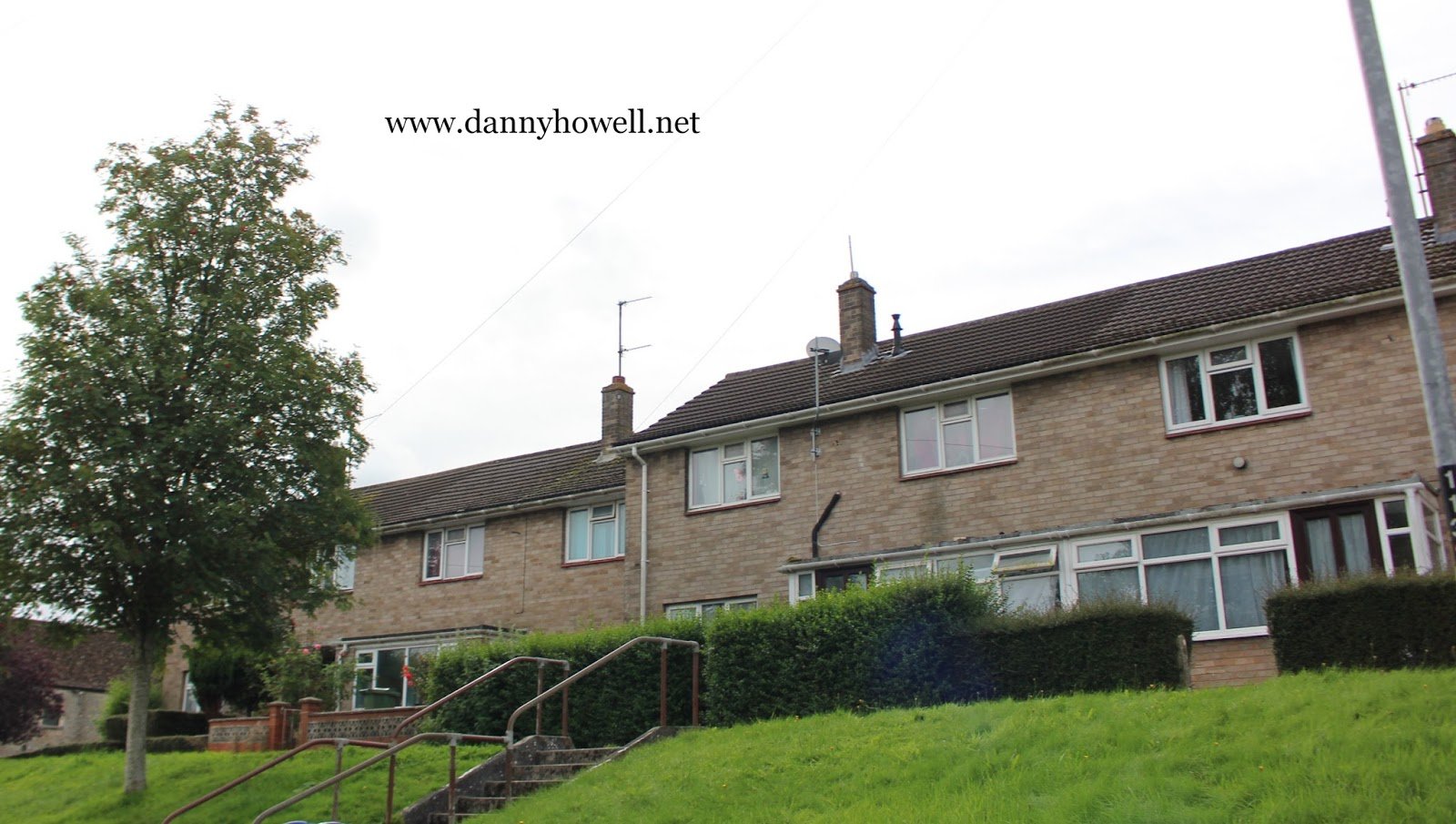
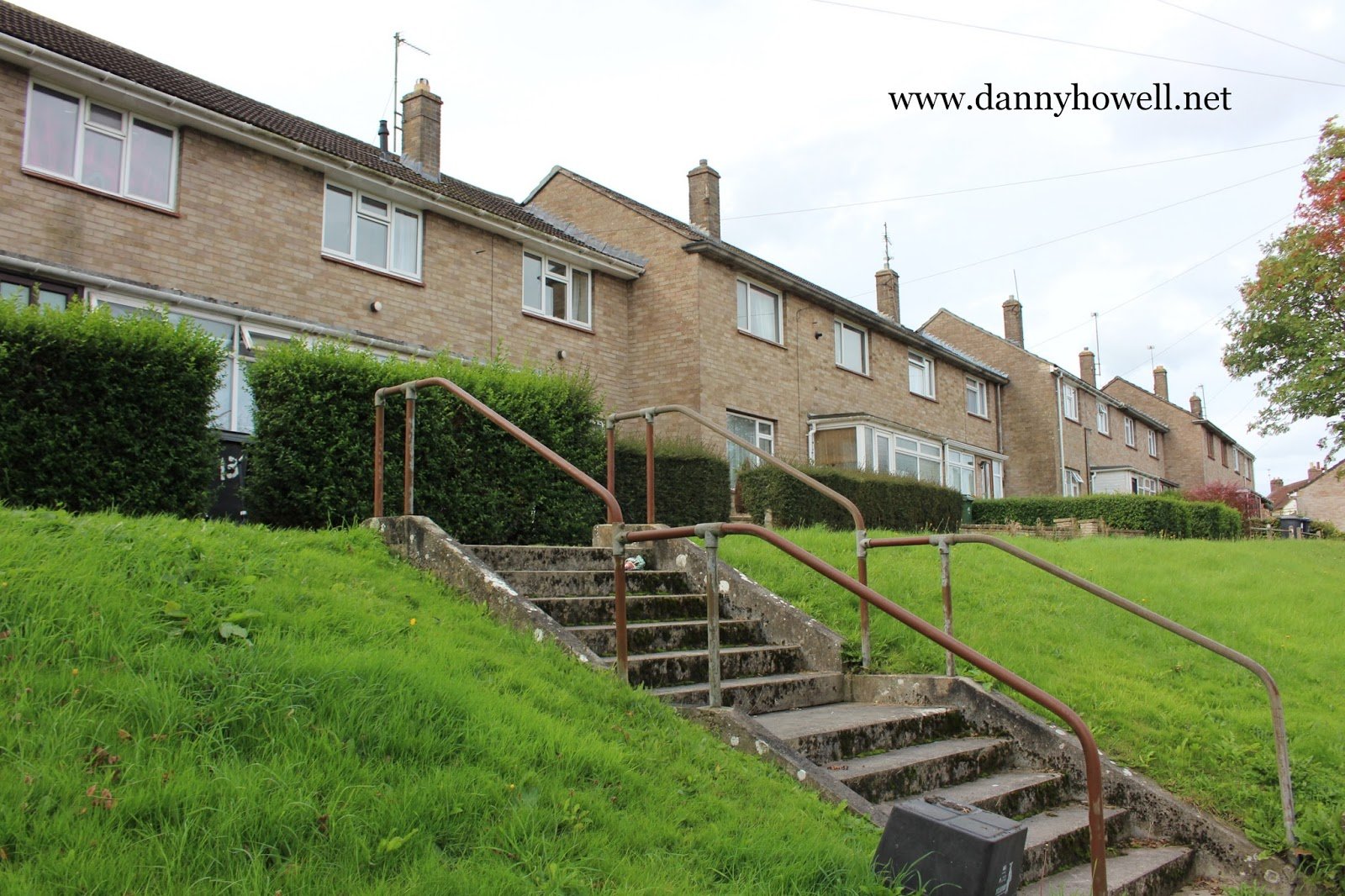
The three storey Bleeck’s Buildings on West Street – now 101-119 West Street – is an imposing and dominant building within the area. This building was in existence in 1886 and at that time was the westernmost extent of the continuous development of the town. The building is now a collection of separate dwelling units. Despite this it has retained most of its original character and plays an important visual and historic role in the Conservation Area.
LANDMARK BUILDINGS AND FEATURES
The Maltings Pound Street.
The Old Silkworks Factory Lane.
14 West Street.
Bleeck’s Buildings (now 101-119 West Street).
Other landmark or feature buildings include:
72-74 Pound Street.
13-19 West Street.
Stables to 12 West Street.
BUILDING MATERIALS
Walls: The area is a mix of rubble stone buildings and red brick buildings. Some of the rubble stone buildings have brick dressings and some of the buildings have been rendered and/or painted.
Roofs: Clay pantiles are the most common roof materials, with occasional use of slate. There are a number of decorative ridge capping and chimney pots.
Fenestration: Where the original timber windows have been retained, they tend to be either glazing bar sash windows or narrow glazing bar casements.
Boundary Walls: Mostly brick built with brick caps, some with railings.
STREETSCAPE
Due to the narrow nature of both West Street and Pound Street, the streetscape is of an intimate nature and gives a strong feeling of enclosure to the area. There are a number of front boundary walls where the properties are set back slightly, some of these have retained their railings, which add a subtle but important visual element to the streetscape.
LANDSCAPE
There is no real sense of the wider landscape in this area due to the close-knit nature of the buildings and the fact that most of the buildings front directly onto the highway. In addition surrounding landscape is flatter here which does not facilitate long views. The front gardens that do exist are small in nature, not providing any real sense of green space, although there are a small number of trees at the junction of Vicarage Street, Pound Street and West Street.
OPPORTUNITIES
The retention of boundary walls is considered to be very important in order to retain the remaining historic form of these buildings.
There are a very small number of historic street features such as iron gullies and boot scrapers. These should be retained as they constitute increasingly rare features.
SUMMARY OF KEY FEATURES
Street and Building Layout
Narrow street widths.
Majority of building directly front the highway.
Building Types
Predominantly residential terraces.
Some semi-detached or detached properties.
Some larger plots.
Some large commercial buildings.
Materials
Mixture of rubble stone and brick, some finished in render and/or paint.
Clay tiles including pantiles, some slate.
Timber sash windows with glazing bars and timber casement windows.
Occasional boundary walls, some with railings.
Landscape Features
Minimal, some trees.
Children’s play park on Pound Street.
Parking predominantly on street.
Streetscape
Narrow and enclosed.
Intimate skyline.
Quite an enclosed feeling created by the narrow streets.
The skyline is varies by gentle undulations in roofscapes, but there are no views of the wider landscape.