A Redundant Cast Iron Post At Middleton ~ Silent Witness To George Gauntlett’s Sheep And Dairy Cattle Farming Career At Bishopstrow, Middleton And Norton Bavant

Wednesday 1st October 2014

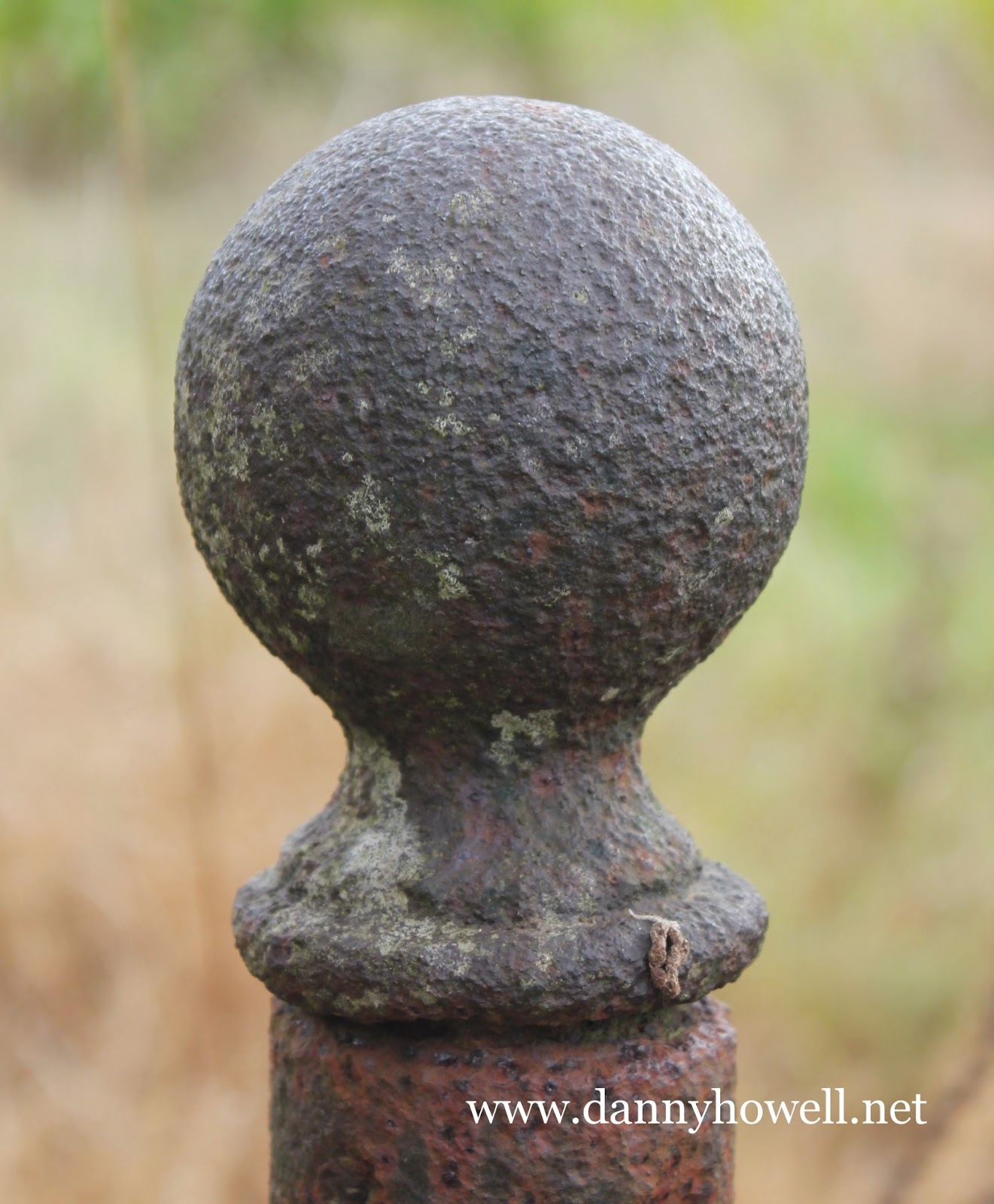
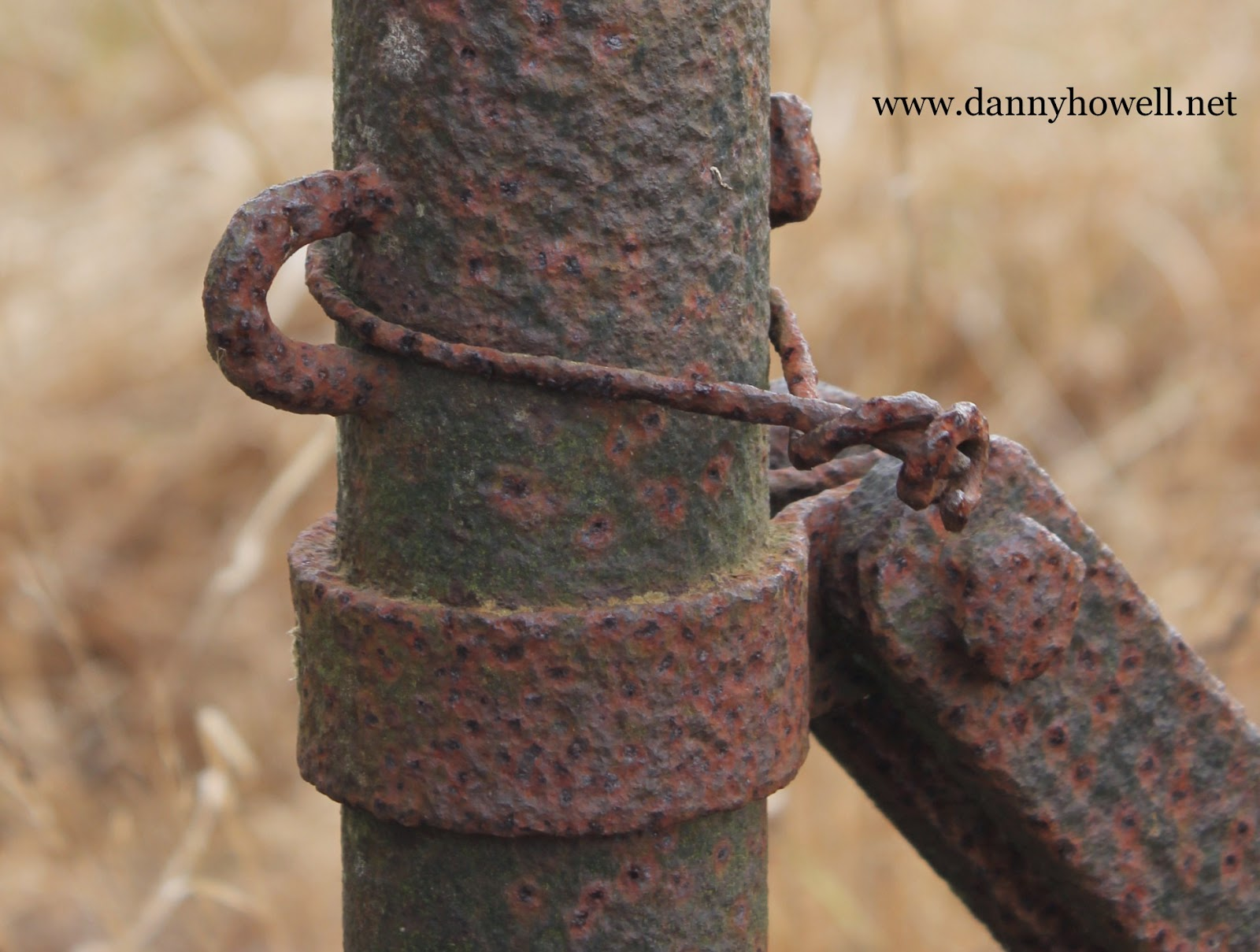
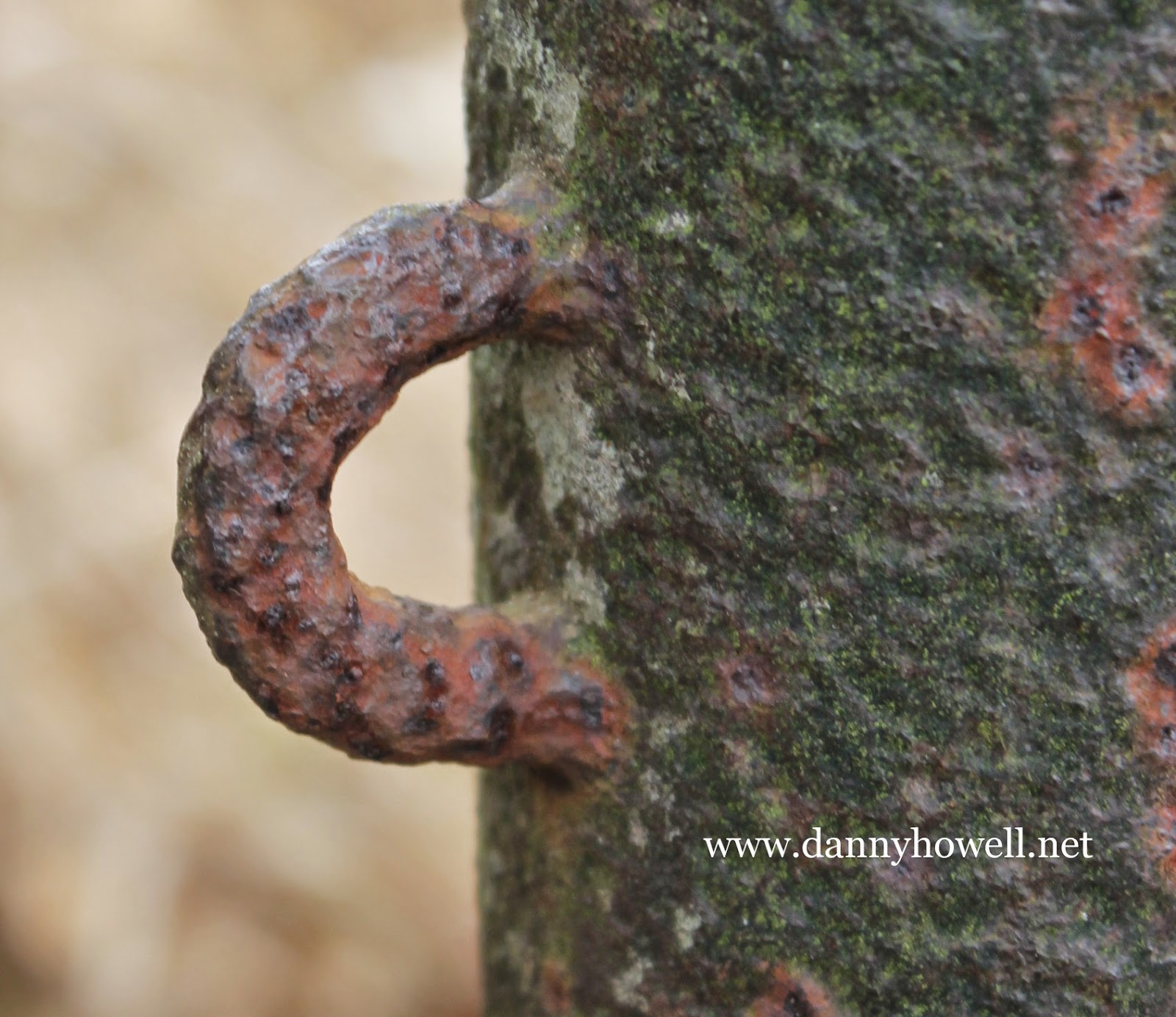
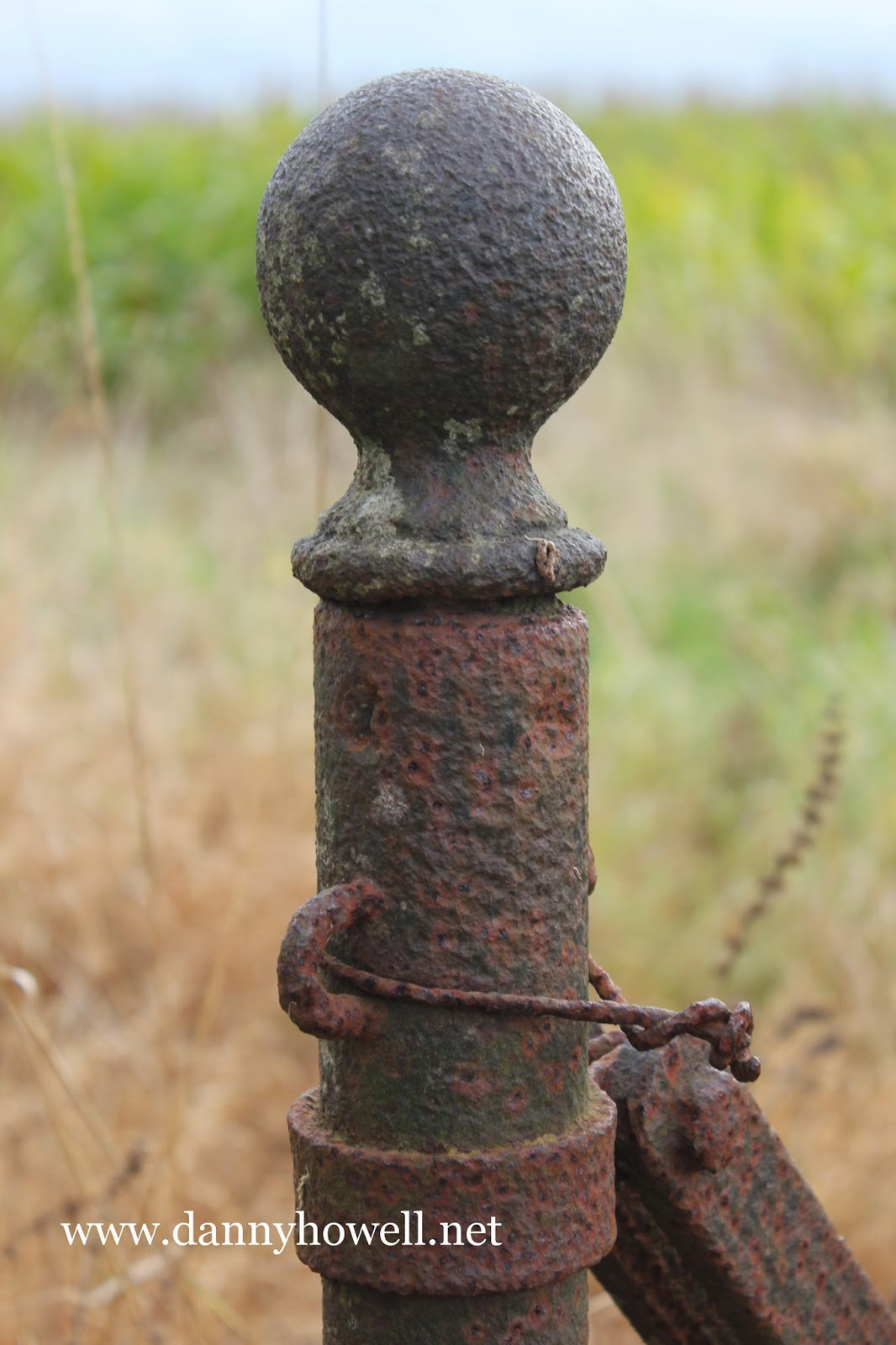
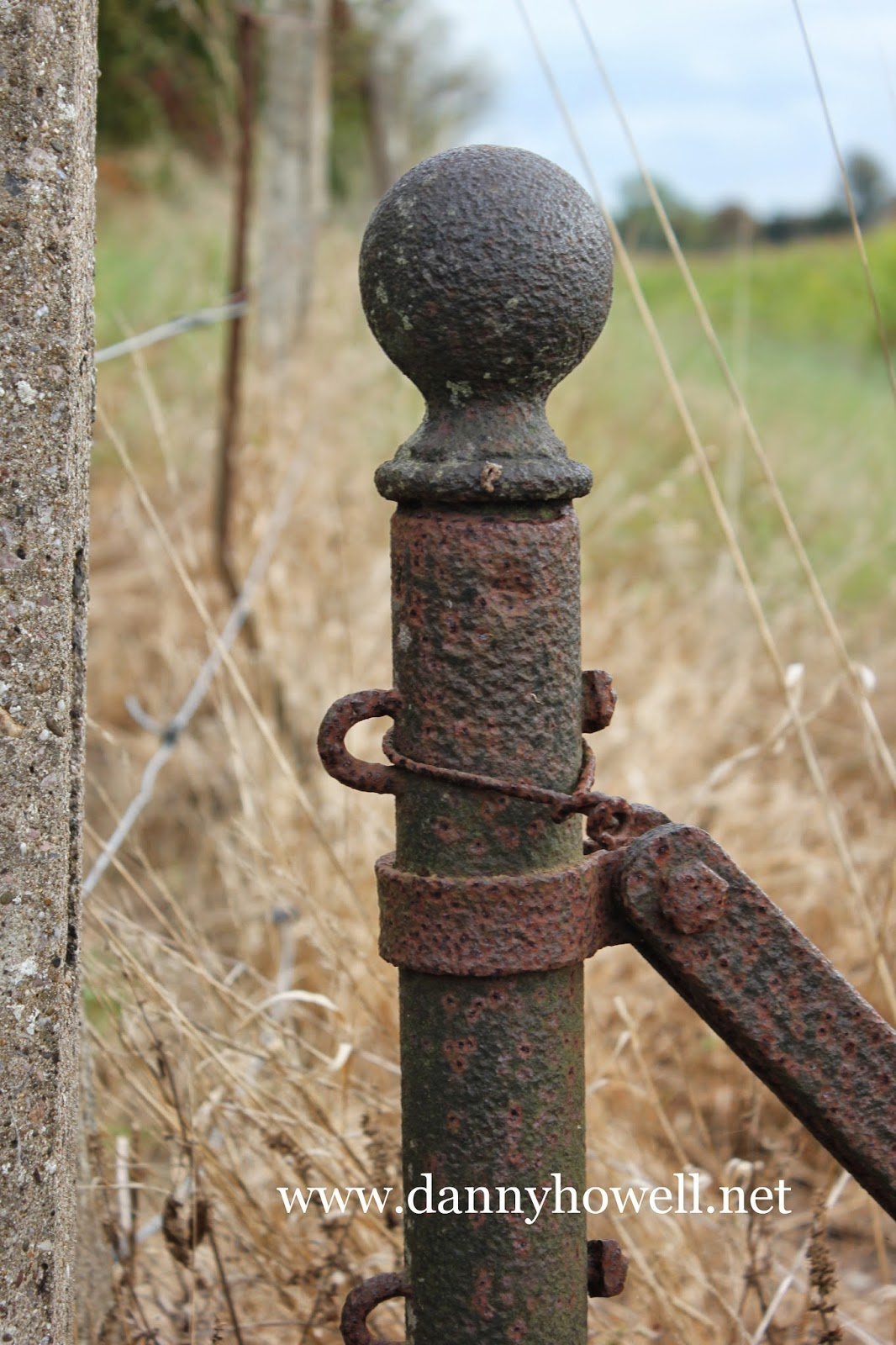
A cast iron post in the corner of a field of Middleton Farm, Norton Bavant (now incorporated into Bishopstrow Farm). The post is near Middleton Railway Bridge, Bishopstrow.

This post is now redundant, as the fields of Middleton Farm and Bishopstrow Farm are mostly unfenced and growing cereal crops (wheat and barley) or fodder crops (hay and maize) as opposed to grazing livestock. Portable electric fencing is used when sheep are occasionally grazed today on the downland in the area.

This post and a few others like it, which survive here and there on Bishopstrow Farm and Middleton Farm are the only real reminders of the time when George Gauntlett kept sheep and dairy cattle in the fields in this neighbourhood.

By 1915 George Gauntlett was farming Middleton Farm and North Farm, Norton Bavant, and also Bishopstrow Farm. He later added Bishopstrow Dairy to his holdings. He spent his entire life as a farmer and became one of the best known agriculturalists in the district, not only running four dairies but also specialising in the breeding of sheep. George Gauntlett died in 1946.

Photographs taken by Danny Howell on Wednesday 1st October 2014.

Middleton ~ Between Norton Bavant And Bishopstrow ~ One Of The Prettiest Spots The Eyes Of William Cobbett Ever Beheld

Thursday 4th September 2014:

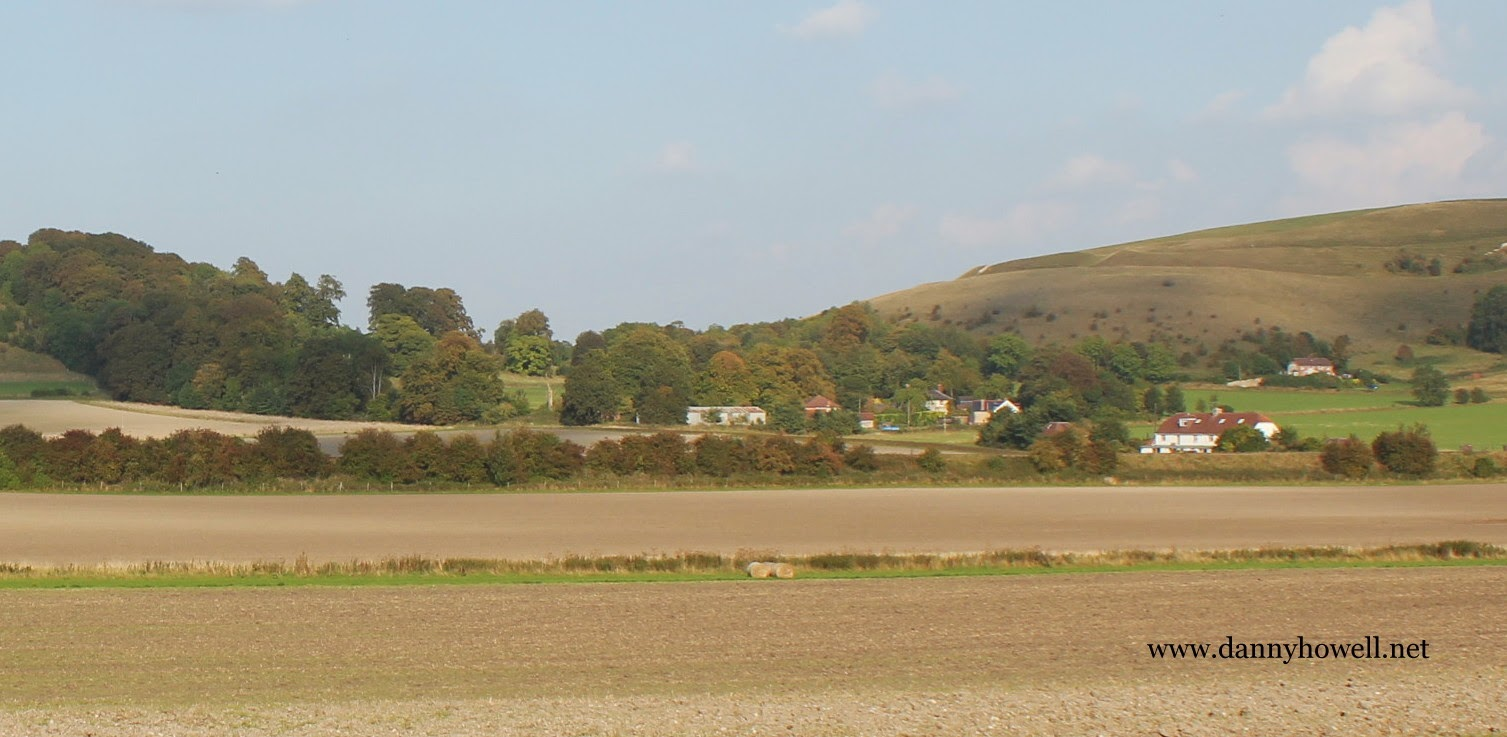
The view to Middleton, a deserted mediaeval village site, where a farmhouse and converted farm buildings now form what is a hamlet on the boundary between Bishopstrow and Norton Bavant. Middle Hill to the left and Scratchbury Hill to the right. 

William Cobbett, in Rural Rides, travelling from Salisbury to Highworth, via Heytesbury and Warminster, 31st August to 4th September 1826 (that’s 188 years ago this last week), said of the Middleton area:

“From Heytesbury to Warminster is a part of the country singularly bright and beautiful. From Salisbury up to very near Heytesbury, you have the valley . . . Meadows next the water;  then arable land; then the downs; . . . all the way from Salisbury to Warminster . . . the country is the most pleasant that can be imagined. Here is water, here are meadows; plenty of fresh-water fish; hares and partridges in abundance, and it is next 
to impossible to destroy them. Here are shooting, coursing, hunting; hills of every height, size and form; valleys, the same; lofty trees and rookeries in every mile; roads always solid and good; always pleasant for exercise; and the air must be of the best in the world . . . It is impossible for the eyes of man to be fixed  on a finer country than that between the village of Codford and the town of Warminster . . . There are two villages, one called Norton Bavant  and the other Bishopstrow, which I think firm, together, one of the prettiest spots that my eyes ever beheld.”

The photograph above, shows the view north-east from Dairy Field, Bishopstrow Farm, and was taken by Danny Howell on Thursday 4th September 2014.
Middleton Farm House For Sale

Middleton Farmhouse, at Norton Bavant, was up for sale during April 1990.

Offers in the region of £390,000 were being sought.

The property was described as:

South-facing farmhouse in lovely rural location. William Cobbett’s favourite house. Entrance hall, drawing room, dining room, sitting room, conservatory, farmhouse kitchen, utility room, cellars, shower/cloakroom, five bedrooms, two bathrooms, shower room. Night storage heating. Double garage. Studio flat. Gardens. Large heated swimming pool. About 3.4 acres.

Mobility Of Settlement Reduced The Medieval Village Of Middleton

Andrew Houghton in his book Before The Warminster Bypass, published November 1988, noted:

. . . . mobility of settlement reduced the Medieval village of Middleton (ST 906445) to a single farmstead; recently even that was abandoned, only to become a target for housing development.

Mr. Coles’ Sale And Letting

Warminster Herald, Saturday 16 August 1879:

The annual sale and letting by auction of the ram lambs and rams of the celebrated flock of Mr R. Coles, of Middleton, Warminster, took place at Salisbury, after Britford fair, on Tuesday last. The auctioneers were Messrs. Waters, Son and Rawlence. The attendance was large, and comprised a large number of the principal flock masters in the district.

After a few words from the auctioneer, the biddings went on briskly. The ram lambs let at an average of £22 15s. Mr T. Moore taking No.2, at 28gs.; and Mr E. Dibden, No.3, at 33gs. Seventy-two lambs were next offered for sale, 69 of which were absolutely sold at prices ranging from 5gs. To 11gs.; Mr G. Read buying No.15, at 11gs. Mr C. Waters, No.7, at 10 and a half gs.; Mr Samson, Mr Miles, Mr Hayter, Mr Shrimpton, Mr Sutton, Mr W. Taunton, Mr Wyndham, and others buying a number at 7 and a half, 8, 8 and a half, 9 and 9 and a half gs. Each; the total average of the 73 lambs let and sold being about 8 or 8 and a half gs. A two teeth ram was let at 7 and a half gs.; and another sold at 6gs.”

Robert Coles’ Ram Sale, August 1879

Warminster Herald, Saturday 9 August 1879:

“MR COLES’S RAM SALE. We beg to call attention to advertisement announcing the sale and letting on Tuesday next, 12th August, at Salisbury, by Messrs. Waters, Son, and Rawlence, of Ram Lambs, from the celebrated Middleton Hampshire Down flock. Mr Robert Coles is too well known as a breeder to require any encomiums on our part to secure a large attendance at his sale. Britford Fair is held on the same day, but the time of the sale - 3 o’clock, - has been specially arranged to meet the convenience of parties returning therefrom.”