Saturday 12th March 2016:
Football Result:
Aces 3 – 3 Heytesbury.
Saturday 12th March 2016:
Football Result:
Aces 3 – 3 Heytesbury.
Wednesday 9th March 2016:
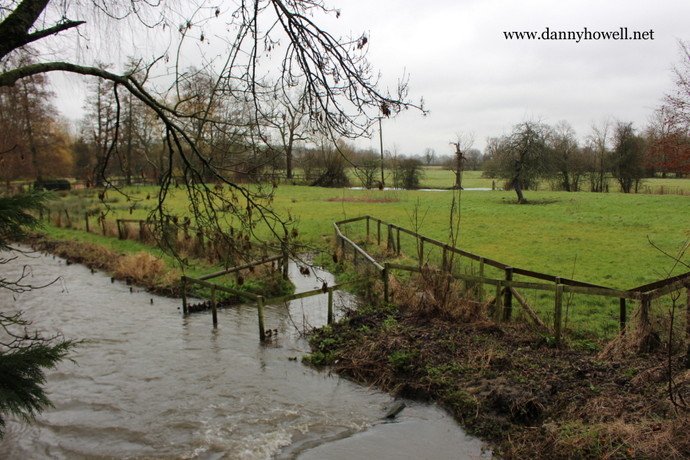
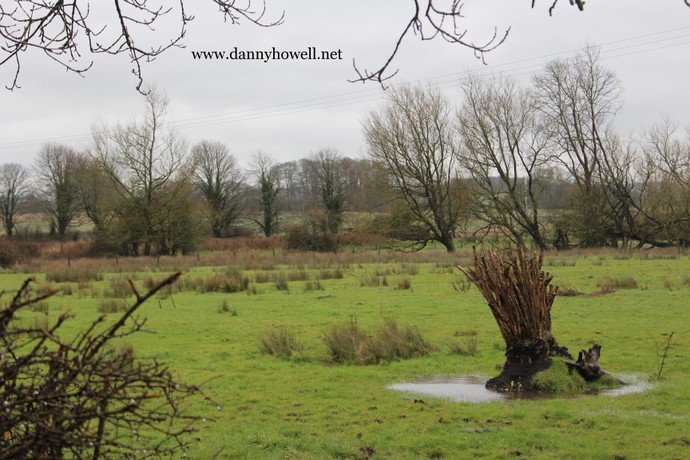
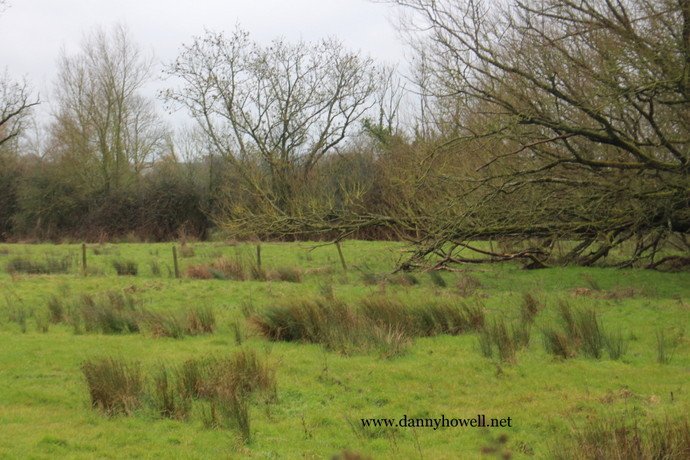
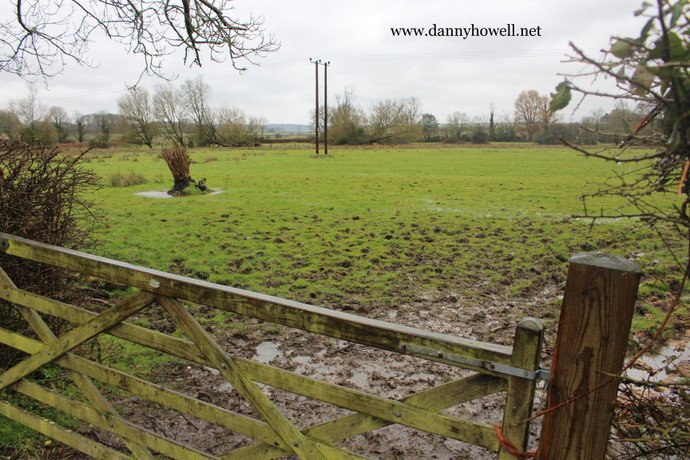
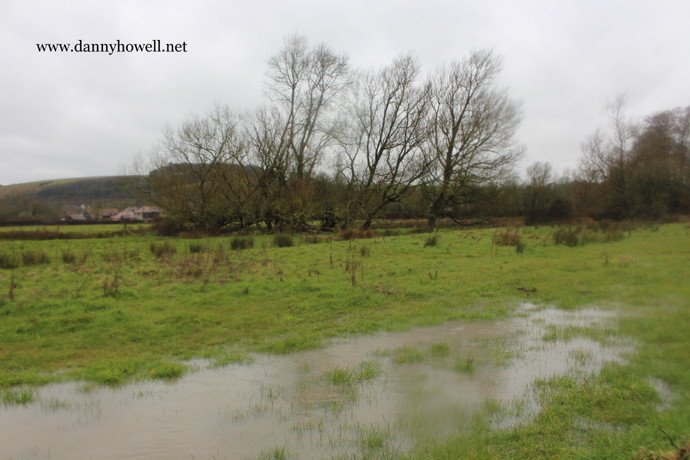
The watermeadows at Heytesbury.
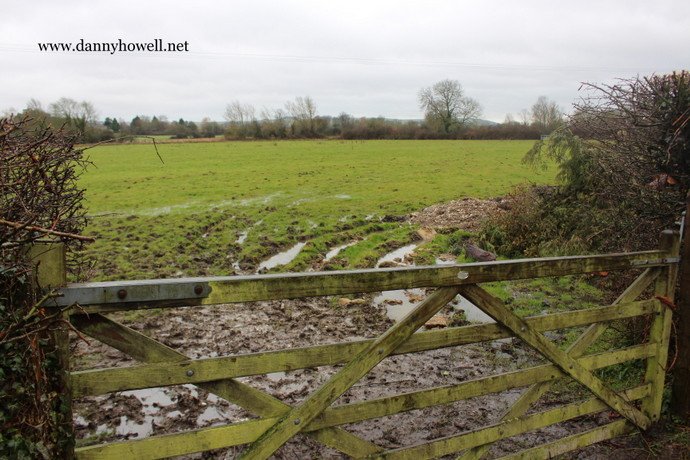
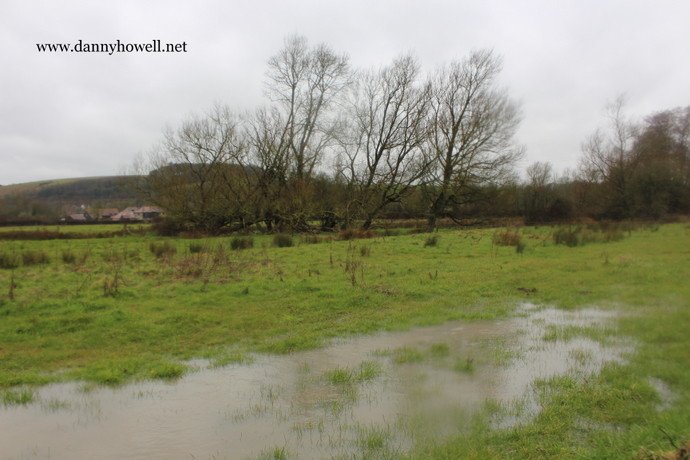
Photographs taken by Danny Howell on Wednesday 9th March 2016.
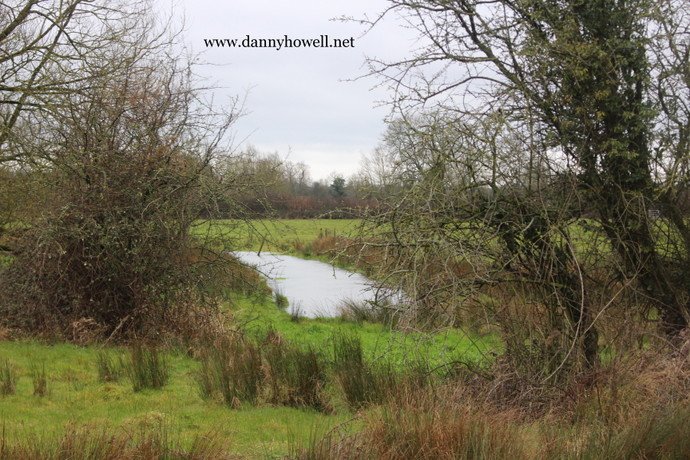
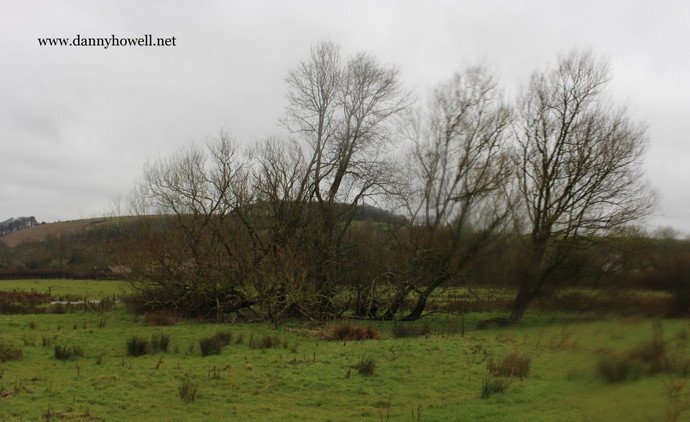
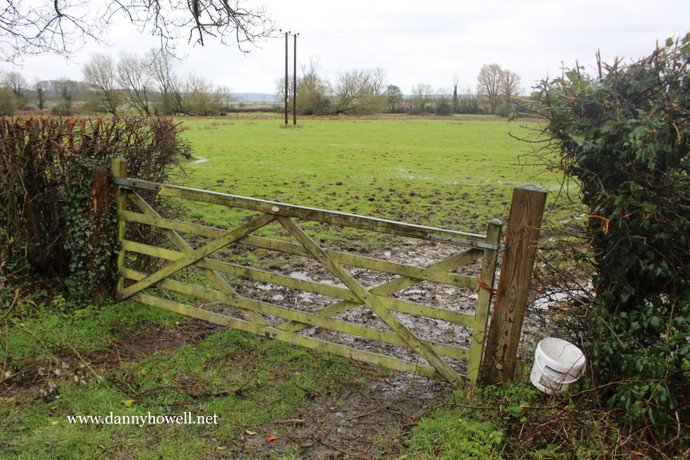
Saturday 5th December 2015:
Football Result ~
D I United 3 – 4 Heytesbury FC.
Saturday 5th September 2015:
Heytesbury FC 3 – 2 Warminster Town Reserves.
Derby Day success for Heytesbury.
Match report:
http://full-time.thefa.com/DisplayFixture.do?id=15131287
Saturday 22nd August 2015:
Football Result:
Heytesbury 1 – 4 Mere
Saturday 8th August 2015:
Football result:
Heytesbury 3 – 6 South Newton & Wishford.
Sunday 25th January 2015:

Heytesbury FC now have a YouTube channel:
https://m.youtube.com/channel/UC2yZtdRjz6UJ0lQiK9fMfGQ/videos …
Wednesday 26th February 2014
Danny Howell writes ~
Countryfile on Sunday 2nd March 2014 will focus on Kent but also in the programme will be an item on how the Wiltshire landscape inspired the First World War soldier, poet and novelist Siegfried Sasson, CBE, MC, who lived at Heytesbury House from the 1930s until his death, one week before his 81st birthday, on 1st September 1967. He died of stomach cancer and is buried in St. Andrew’s Churchyard at Mells, Somerset.
Presenter Helen Skelton will visit Heytesbury Wood, the subject of one of Sassoon’s poems. Sassoon was also a keen cricketer, playing and involved until late in his life in the village eleven. Countryfile is on BBC1 on Sunday 2nd March from 7.00 p.m. to 8.00 p.m. and can be watched again during the following seven days on BBC Iplayer. For further details about the programme, click here.
Also, on the subject of Siegfried Sasson, Andrew Pinnell, tells me some other news. Andrew, during his time as Captain of Heytesbury Cricket Club, edited the book Siegfried Sassoon: A Celebration Of A Cricketing Man, published by Making Space in 1996. It features a selection of articles by and about Siegfried in celebration of his cricketing life and association with Heytesbury Cricket Club.
Andrew not only tells me the book may hopefully be reprinted but also that recently a couple of albums of Sassoon family photos were found in an outhouse, providing images unseen by the public before. No doubt, Robert Pulvertaft, of Heytesbury, who is the step-son of the late George Sassoon, son of Siegfried, will be able to tell us more about this. Robert has a website about Heytesbury Wood as an events venue (Woodside Events) and it features some notes and photos of Siegfried Sasson, click here.
Tuesday 13th August 2013
Ray Ford, who has been a resident of Canada for 40 years but was born in Lancashire, is returning to England in September for a holiday and a family get-together. He tells us he has arranged a stay in Salisbury for a couple of days and intends taking the bus along the Wylye Valley to see the villages where his ancestors came from: the House family from Sherrington and Heytesbury, the Withers family from Sutton Veny, and the Snelgrove and Dyer families from Heytesbury. He says he may even visit East Knoyle, the home of the Fords, if time permits.
Ray has made the following enquiry to dannyhowell.net ~
“Hello Danny,
I wonder if you have any information on older buildings in Heytesbury? I have an ancestor in my family tree named William Snelgrove who was the innkeeper of the White Lion Inn in Heytesbury, approx. 1700. However, in searching on-line records, I have never been able to find any reference to a White Lion Inn at Heytesbury, only the Red Lion and The Angel. I suspect it may have been lost in the Heytesbury fire. Do you have any other thoughts? Thanks, Ray.”
Danny Howell replies ~
“Hello Ray. Thank you for your enquiry. The fire at Heytesbury was in 1765, of course. The earliest record I have for public houses in Heytesbury is ‘An Indexed Summary of the Alehouses named in the enrolled recognizances of licenced victuallers 1747 – 1757’. (Fifty years before you say your ancestor William Snelgrove was an innkeeper, and eight to eighteen years before the fire). That index lists three pubs in Heytesbury – the Angel, the Red Lyon, and the Unicorn. But no White Lion.”
“The Unicorn existed where Unicorn Cottage now stands on the corner of Park Street and Park Lane, adjacent the old A36 – the hill part of the old A36 leading east out of the village was known as Unicorn Hill.”
“Interestingly, the landlord of the Red Lyon at the time of the 1747 – 1757 Indexed Summary is listed as John Snelgrove.”
“Seventy years later, ‘An Indexed Summary of the contents of the Register of Alehouses, 1822 – 1827’ records the Angel, the Red Lion and the Unicorn again, but still no White Lion. The landlord of the Red Lion is then named as Sarah Snelgrove. So, alas, no mention of an alehouse or pub called the White Lion in Heytesbury in those indexes or anywhere else that I can see.”
“One could ask if, perhaps, the White Lion changed its name to the Red Lyon (or Red Lion) between 1700 and 1747? If so, there could have been a continuity of landlords called Snelgrove there. But I’m only speculating.”
“1700 is some 27 years before the Salisbury Journal was founded, so no point looking in back issues of that for any advertising for a White Lion at Heytesbury.”
“I suppose you would need to see if any early Heytesbury Borough records exist, or 18th century Heytesbury Estate records exist, maybe in the Wiltshire And Swindon Record Office at Cocklebury Road, Chippenham. If so, they might provide some White Lion information. If you find any more clues or unravel this puzzle, please let me know. With best wishes, Danny.”
Since Danny Howell wrote that, Ray Ford has been in touch again. Ray writes ~
“Hello Danny. Thank you so much for writing back about my inquiry. I’ll pursue the leads you have provided. William Snelgrove senior does have public records (his will, etc.) in the Wiltshire And Swindon Records Office which I have viewed and from the assets listed (such as tables, napkins, and beds) I’m wondering if the White Lion was more of a hostelry than a tavern or alehouse? I’ll send a follow-up email if I find any answers. Thanks for your help. Kind regards. Ray.”
Tuesday 2nd April 2013
Wiltshire Council have granted planning permission for a replacement lobby, new dormer windows to the north elevation, plus internal alterations, at Slaters Farm, Park Lane, Heytesbury.