From The Warminster Wylye Valley And District Recorder, No.11, published 1st December 2007:
The Prince Of Wales’ oak, Bishopstrow
Danny Howell writes:
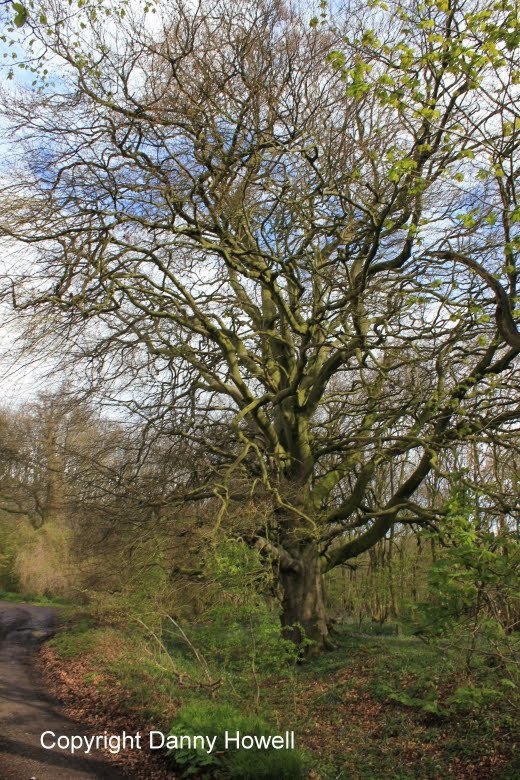
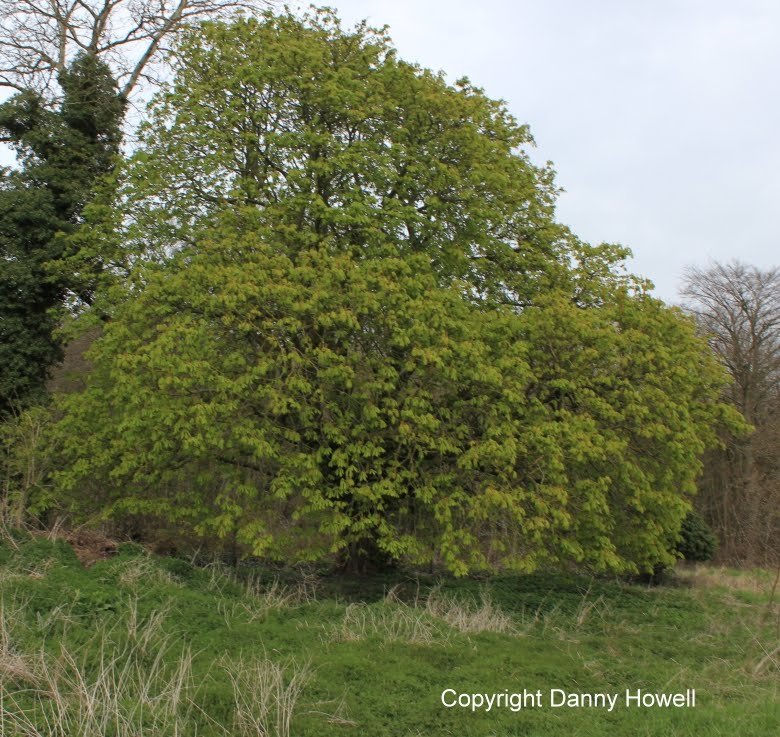
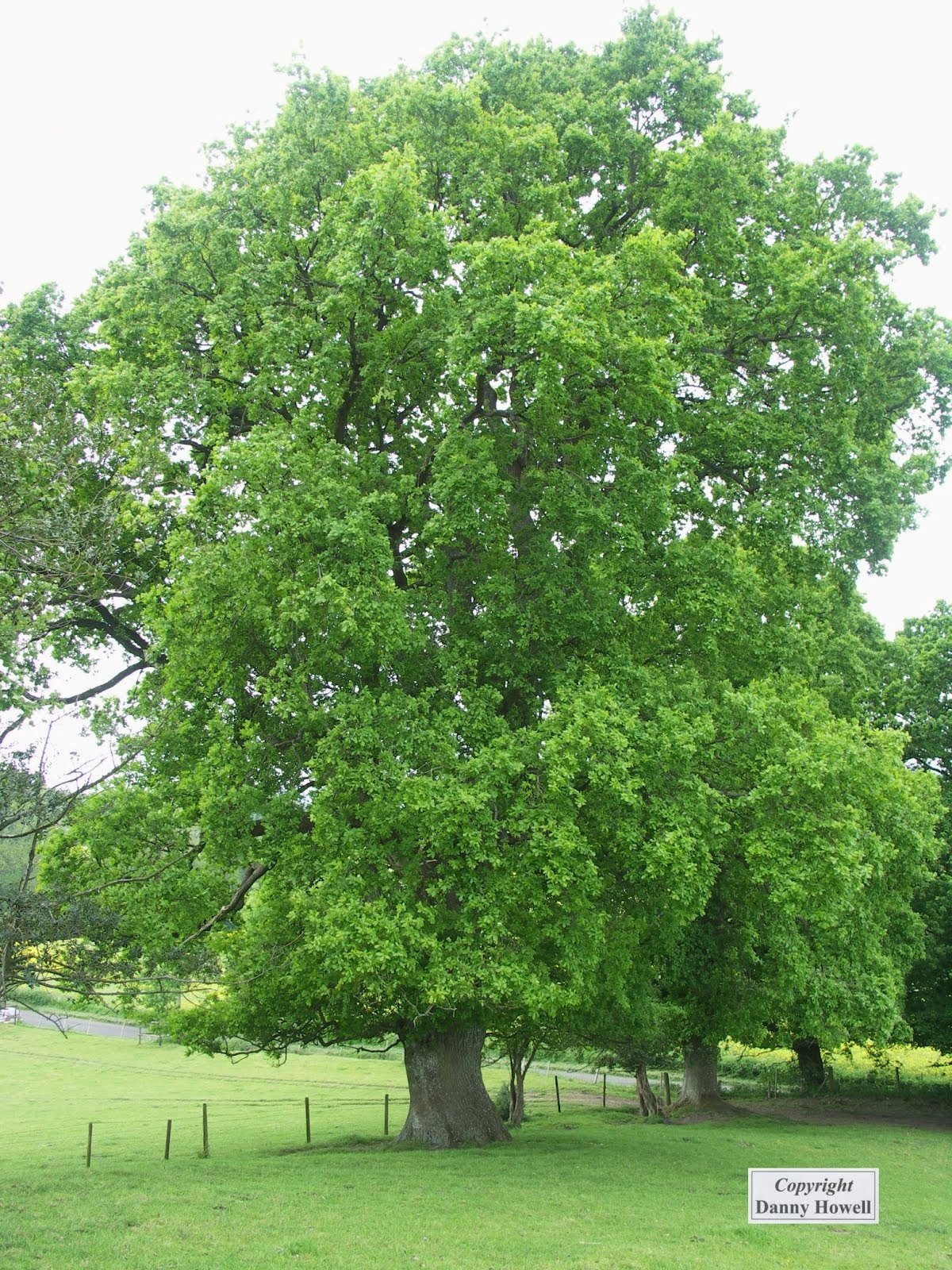
Church Close at Bishopstrow is more commonly known today as the Glebe Field or the Recreational Field. Overlooked by St. Aldhelm’s Church, it is situated between Church Lane and Pitmead Lane, and serves not only as a play area but also as the village cricket pitch. On its west side is the old Bishopstrow Club, a small building constructed of corrugated sheets which is currently painted in green and white, and serves as the cricket pavilion. In the north-west corner of the field, in close proximity to Wessex Water’s “14441 Bishopstrowe Sewage Pumping Station” is a set of three swings and a concrete litter bin, and within a few yards of these, nearly opposite the wooden gate which marks the main entrance to the field, is an oak tree. Villagers, who were asked in 2006 if they knew any history concerning the oak tree, were unable to note anything about it. The significance of the tree and the names which had once been attributed to it, were forgotten and lost in time. The oak was, in fact, planted on 10th March 1863, to mark the occasion of the marriage of the Prince of Wales (later King Edward VII).
The Warminster Miscellany, the town’s monthly newspaper, reported in its April 1863 issue:
“BISHOPSTROW. – The marriage of the Prince of Wales on the 10th ult., was celebrated by the inhabitants of this village with a degree of heartiness that will mark the eventful day as quite an epoch in the history of the place. A subscription having been raised, beef, bread and beer were distributed to each family. A beautiful arch was erected across the street, and, at eleven o’clock, the Procession, headed by the Band, the School Children bearing flags, passed under it, on its way to Church. Prayers were read and an appropriate address given by the Rev. H. Walsh – and the National Anthem was sung by the choir and Congregation. The service ended, a memorial oak was planted by Mrs. Temple in a field called Church Close. At the conclusion of the ceremony three hearty cheers were given by the company. The inhabitants assembled again soon after three o’clock, and amused themselves with different games. Tea, cake and buns were provided for the children, and ham, bread, &c., for the women and men at Mr. Tylers.* The evening closed with a bonfire and fireworks, which were given by W. Temple, Esq.”
*Mr. Tyler, referred to in the report above was William Tyler, a farmer and dairyman, at Bishopstrow Dairy (now Dairy Cottage, at the end of Pitmead Lane).
For many years afterwards the tree was known locally as ‘The Prince of Wales’ Oak,’ or simply as ‘The Prince’s Oak.’
The tree is now over 50 feet high and its trunk measures 10 feet 30 inches in circumference at a height of about 40 inches from the ground. Around it is an octagonal seat, of wood, with a small plaque, on its north-facing side, which reads:
“Donated by the Villagers of Bishopstrow To Commemorate 50 Years of Peace, 19th August 1995.”
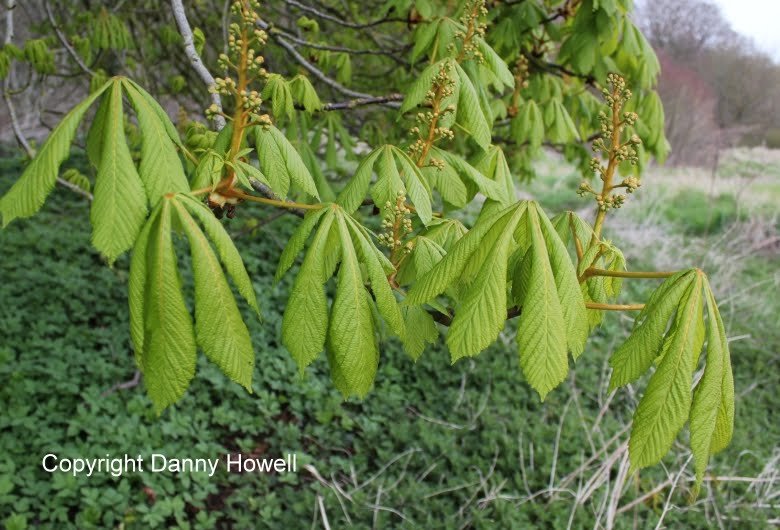
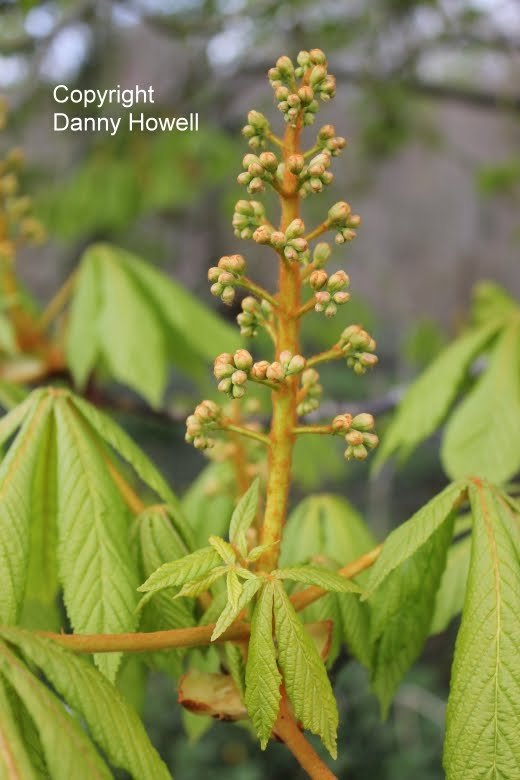
The seat was indeed inaugurated on Saturday 19th August 1995, the day when Bishopstrow villagers celebrated 50 years of peace following the Second World War. Other activities on the day included an ecumenical service of thanksgiving, attended by 90 people, held at St. Aldhelm’s Church, and led by the Rev. Denis Brett. This was followed by the planting of three new trees – to represent three age groups in the village – in the north-east corner of the Glebe Field. A horse chestnut grown by the children of Bishopstrow Nursery School was planted by Lydia Stone and Emma Barnes. A weeping willow tree, donated by Daphne Troop, was planted by village teenagers Katie Troop, Dominic Perry, Alexis Perry and Paul Harris. An English oak was planted by senior citizens Bert Legg and John Francis. Bert from Home Farm, Boreham, and John Francis, who grew up in Bishopstrow but afterwards lived at Boreham Field, Warminster, had both served for King and Country during the Second World War. The day concluded with a grand luncheon which was “much enjoyed by all.”