Carnage On Smallbrook Road, Warminster

Thursday 20th August 2020

Harriet James, on the Facebook page of Sustainable Warminster, writes:

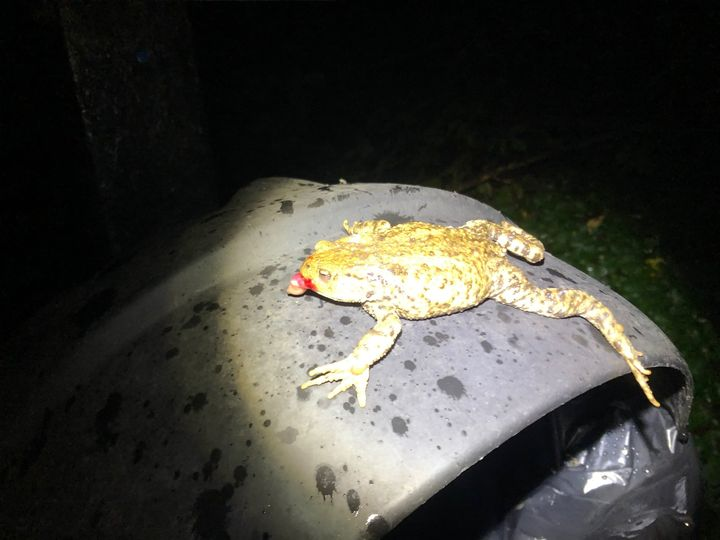
It was carnage on Smallbrook Road last night. Toad patrollers rescued 183 toads, frogs and newts but over 23% were killed by motorists (we couldn’t count them all). At 9:30 pm one idiot drove way over 30 mph along Smallbrook Road and into Lower Marsh Road killing someone’s very beautiful and exotic looking cat. We had to jump into the hedge. If the big female toads like this one are killed every year then the population keeps on dropping. No biodiversity, no sustainability. You have blood on your hands and on your wheels.

Distressed Hedgehog Rescued At Swift Mead, Warminster

12th April 2020

Nigel Linge writes:

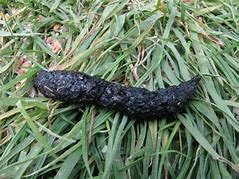
Last year I rescued a hedgehog in distress and took it from Swift Mead out onto the Common (with 2 x days of recovery in my garage with water and cat food). I built a hedgehog hotel for it on the Common. Today I found hedgehog droppings in my garden . . . .

Herds Of Wild Boar At Longleat Woods Need Culling Says Farmer

Friday 28th June 2019

BBC News Online is reporting –

A farmer is calling for wild boar to be culled after spotting them in woods on the Longleat estate in Wiltshire. He first saw up to five of the animals huddled together in December at Cannimore Woods near the Longleat safari park. Farmer Michael Elce said: “They could quite easily kill a little dog. They are too near habitation.”

The Longleat estate said it was aware of boars locally but did not believe current numbers posed a risk. A spokesman added wardens were monitoring the situation to ensure there was no risk to users of the estate.

Mr Elce said boar could be dangerous, adding: “They could quite easily take somebody’s finger off. They’re worse when they’ve got piglets, the sows will charge at anything when they’ve got piglets.” Mr Elce said a cull was needed before numbers grew too high. “Where I see them, it’s only just across the A36 and they’ll be in Warminster,” he added.

Wildlife campaigner Matt Mellen said as the animals were shy, the risk of scavenging in Warminster was highly unlikely. He opposed any idea of a cull, saying wild boar were positive for ecology. “They root around and dig up tubers and open up forests so you get more butterflies and other tree species – they’re a great addition to the ecology of a forest or woodland,” he added.

Defra says it has no current plans for culls in Wiltshire and the responsibility of culling was with the landowner.
Rosebay Willowherb At New Drove

Thursday 27th June 2019

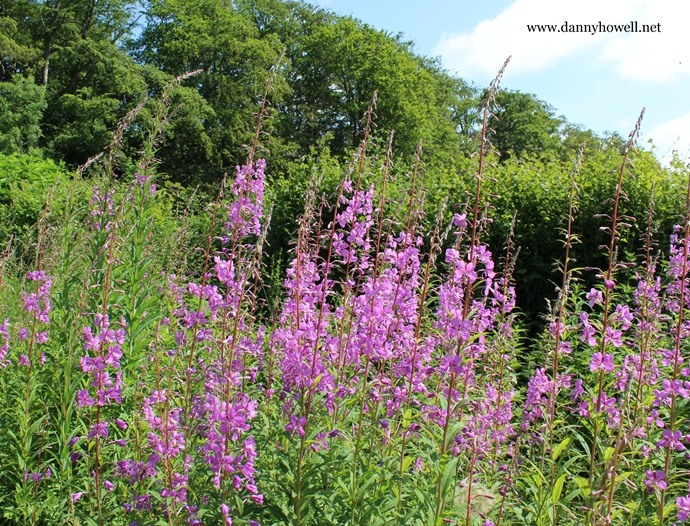
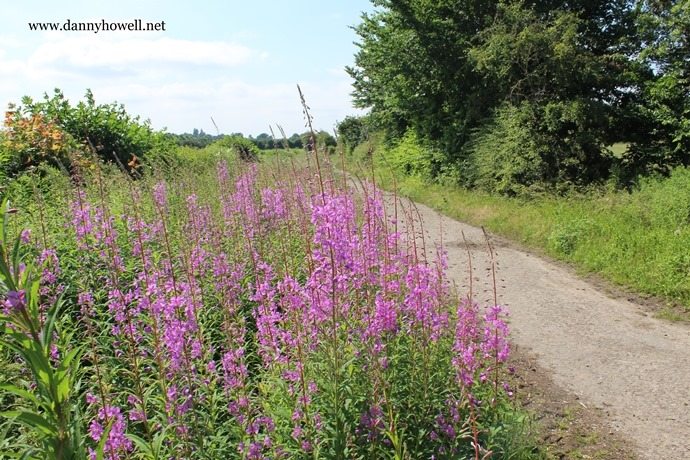
Rosebay Willowherb in bloom on the verge adjacent New Drove, Boreham. Thursday 27th June 2019. Nicknamed ‘fireweed’ because of the way it can quickly colonise areas of burnt ground after fires. I have read that an individual plant can produce as many as 80,000 seeds. There has been no fire here though; this display occurs every year on this verge.

A Wonderful Swathe Of Ox-Eye Daisies

Thursday 27th June 2019

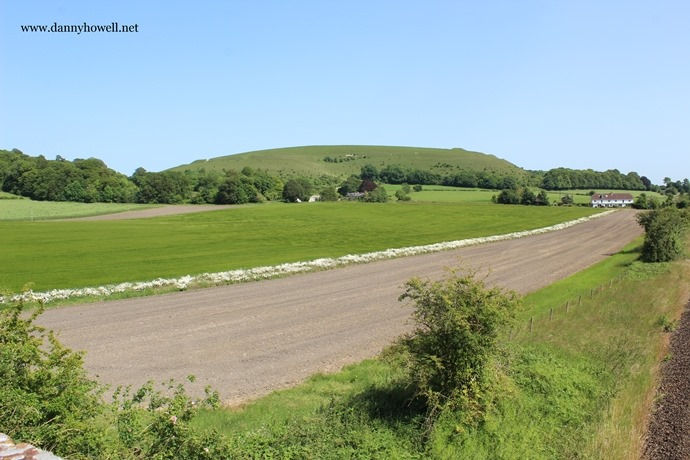
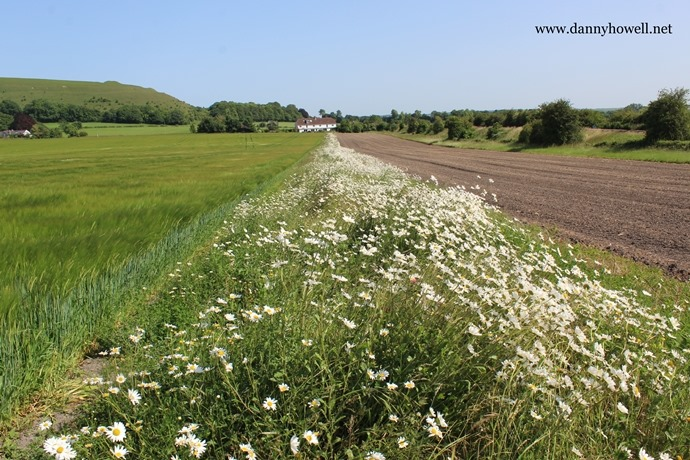
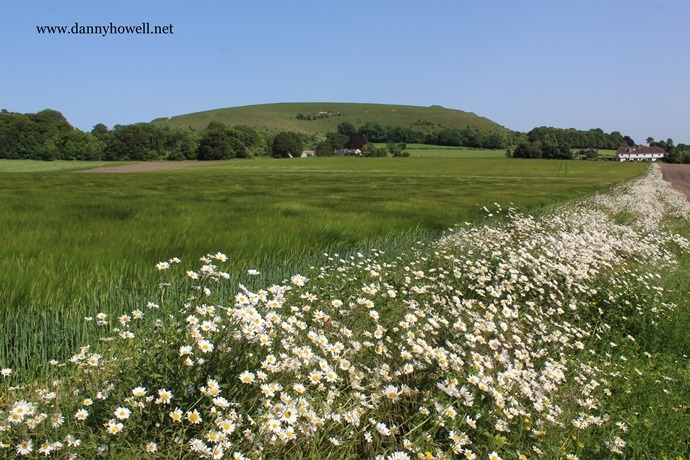
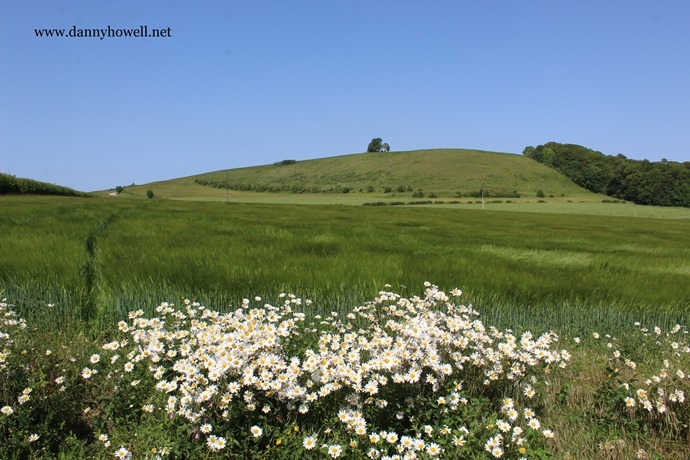
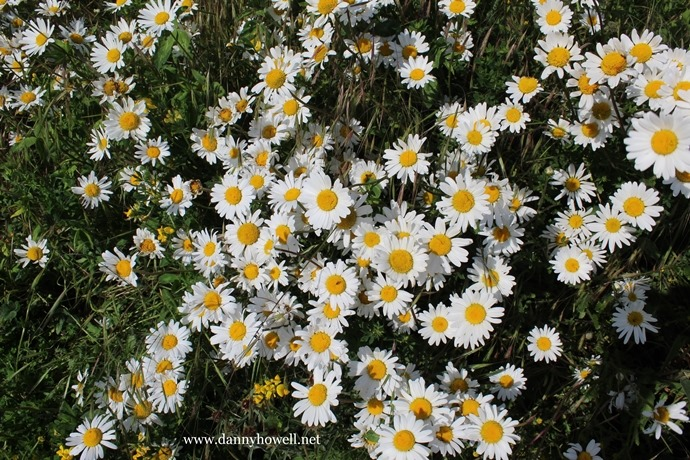
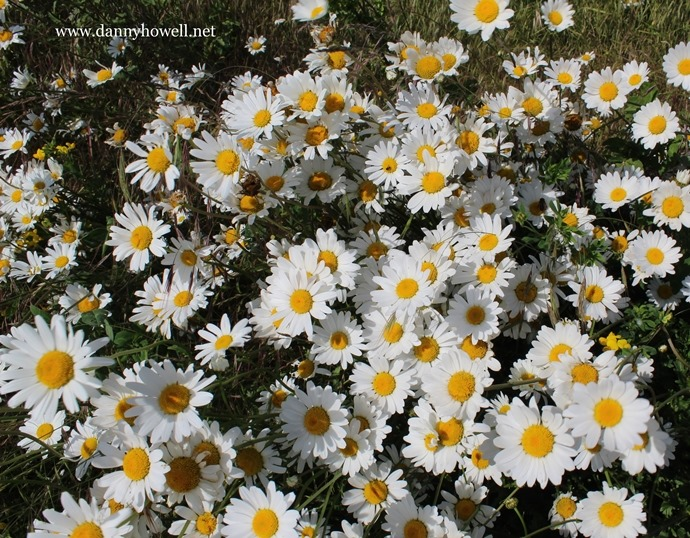
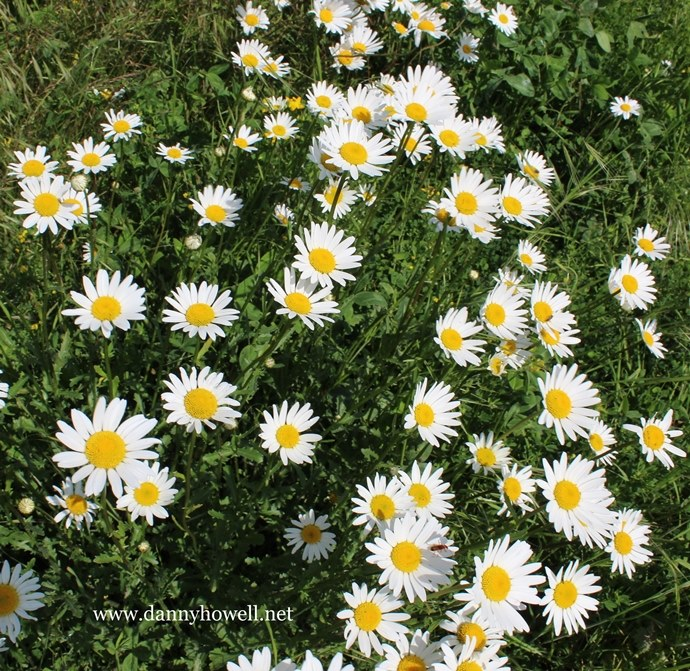
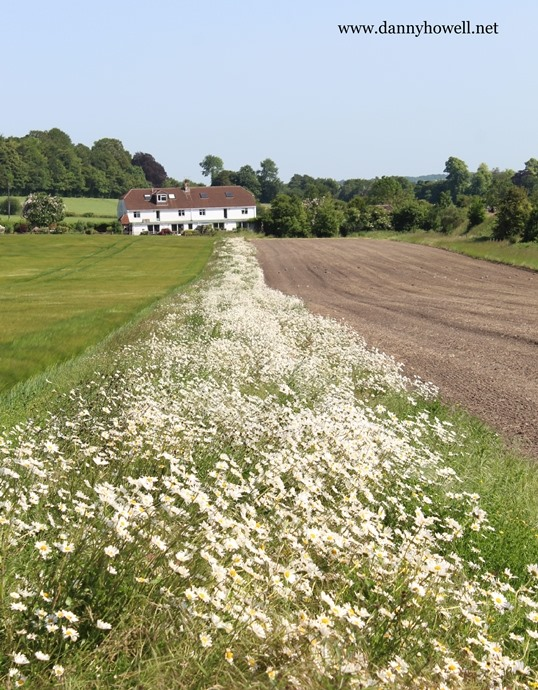
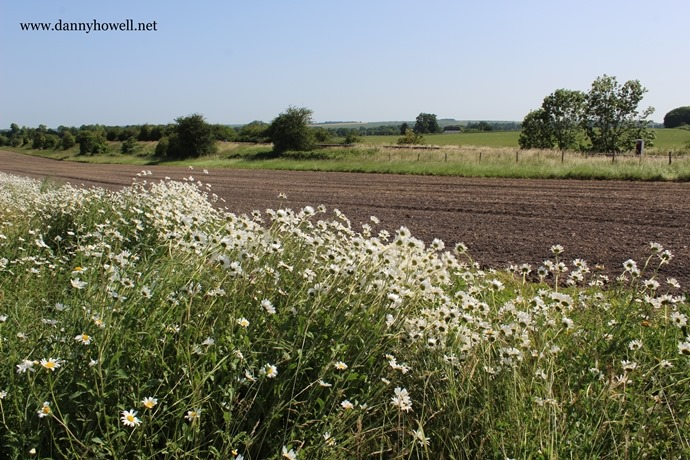
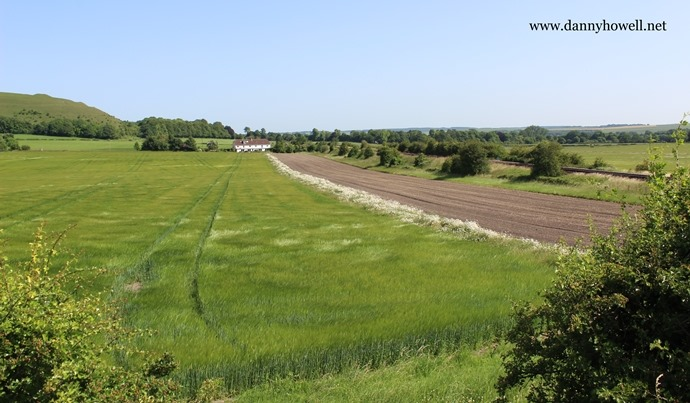
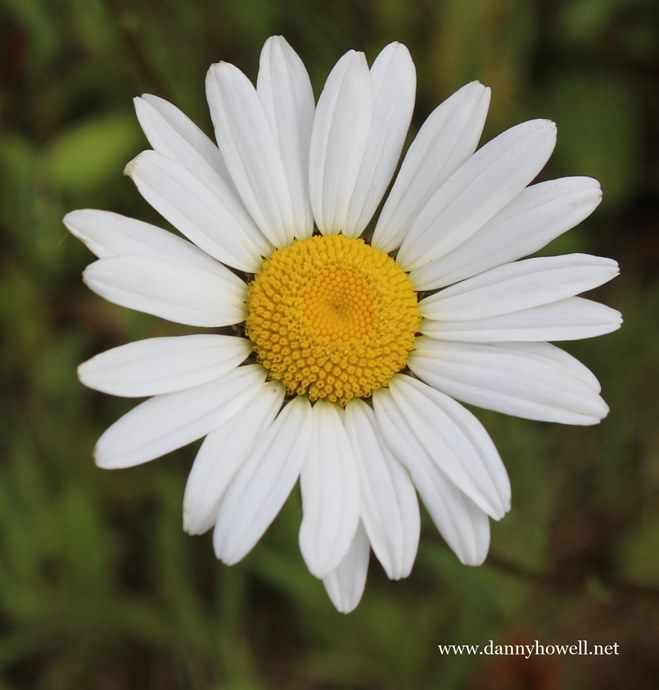
A wonderful swathe of ox-eye daisies, enjoying the sun as they bloom during the summer solstice period, alongside the edge of a crop of swaying sea-like barley and adjacent the southern headland of the Fallow Field at Bishopstrow Farm. Middle Hill, Middleton and Scratchbury Hill provide the glorious background to these photographs. Railway Cottages at the far end of the swathe continue and complement the white, yellow and green of what is perhaps one of our toughest flowers in the countryside. Photographs by Danny Howell.

A Male Common Blue Butterfly At The Southern Range Road, Boreham, Warminster

Friday 21st June 2019

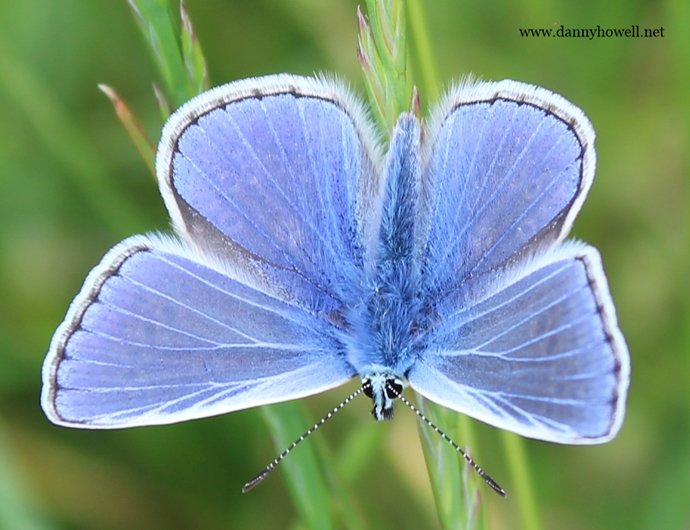
A male Common Blue (Polyommatus icarus) butterfly on grass adjacent the Southern Range Road (Battlesbury Spur), Boreham, Warminster.  The Common Blue, as the first part of its name suggests, is the most widespread blue butterfly in Britain. (The female in Southern England has upper wings that are brown).  Photograph taken by Danny Howell on Friday 21st June 2019.
Colour And Wonder On The Chalk Downland

Friday 21st June 2019

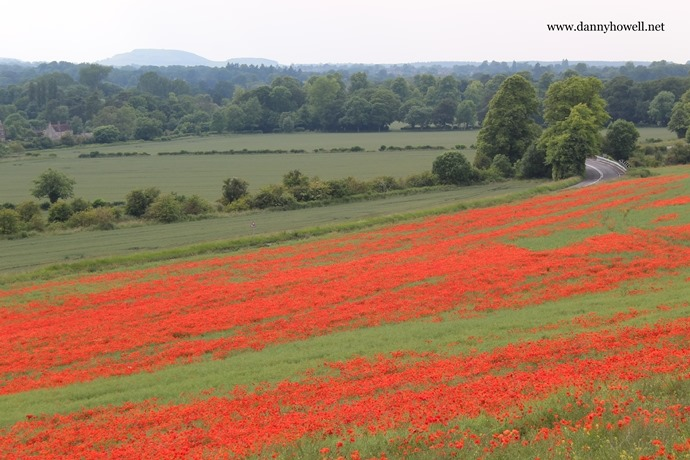
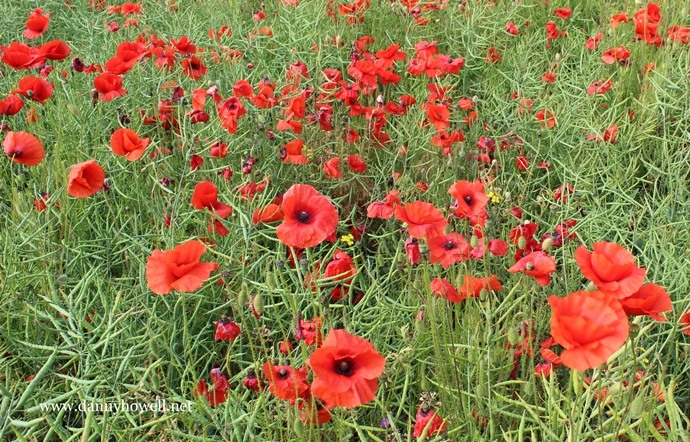
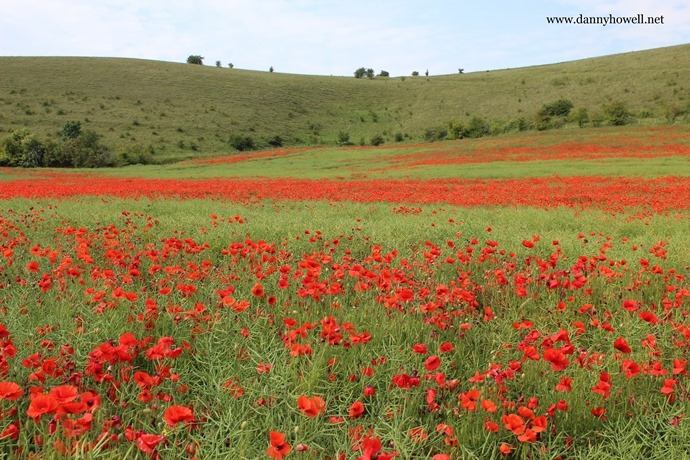
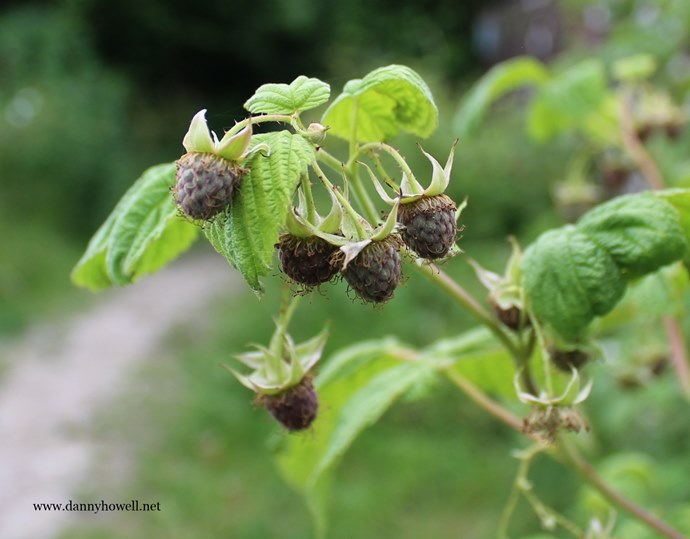
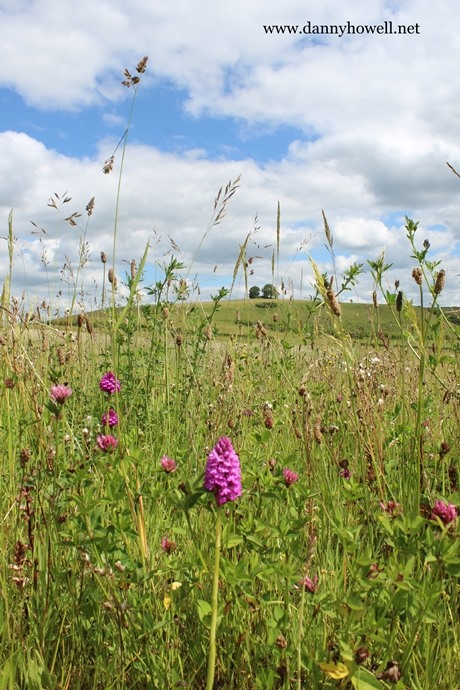
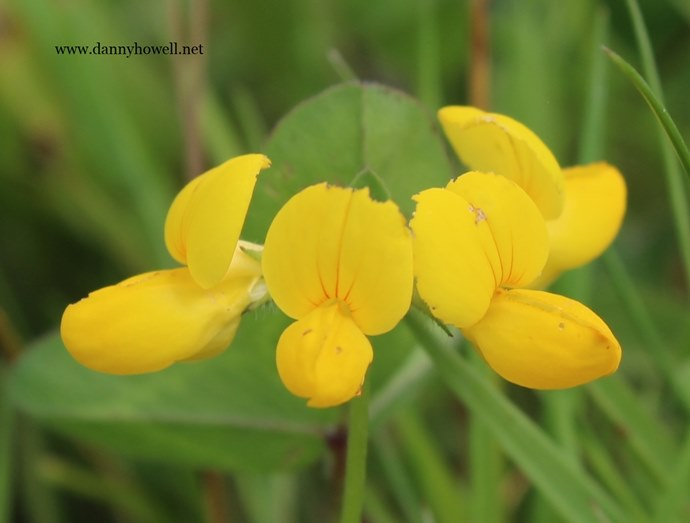
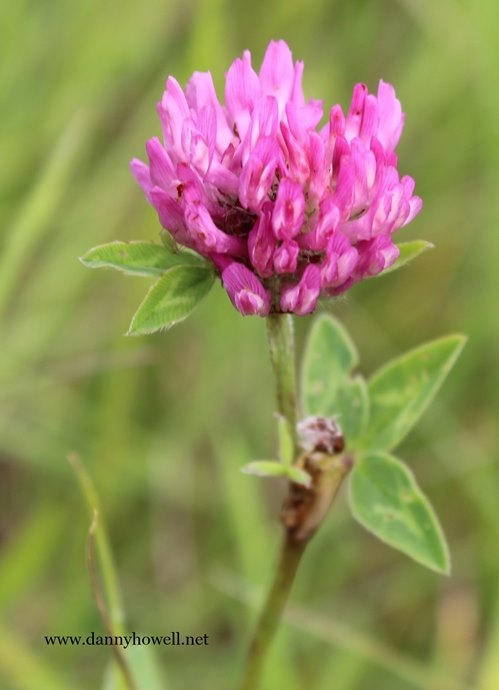
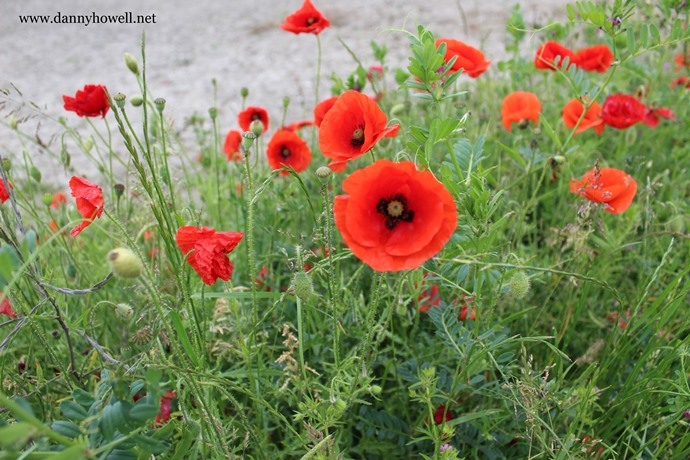
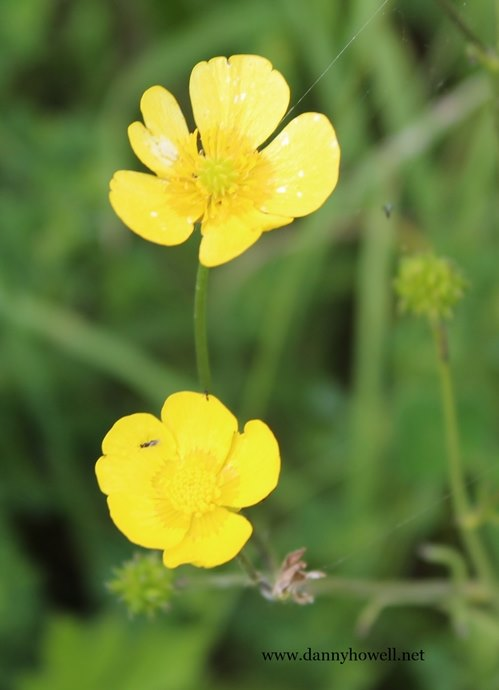
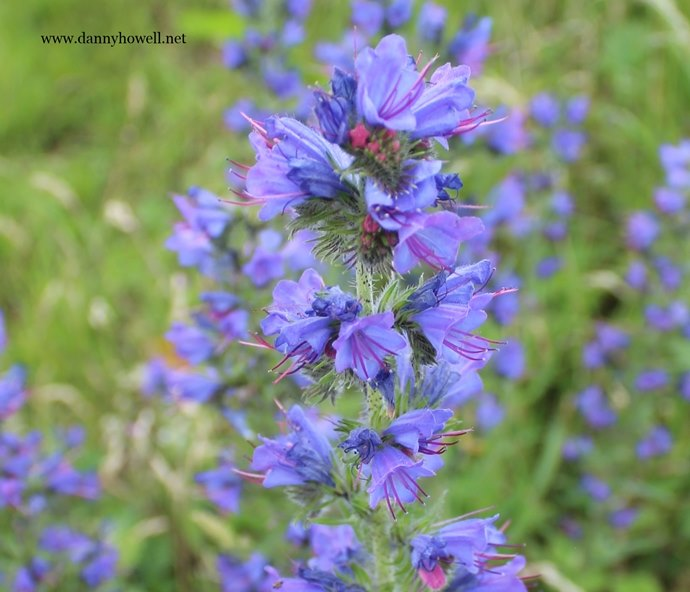
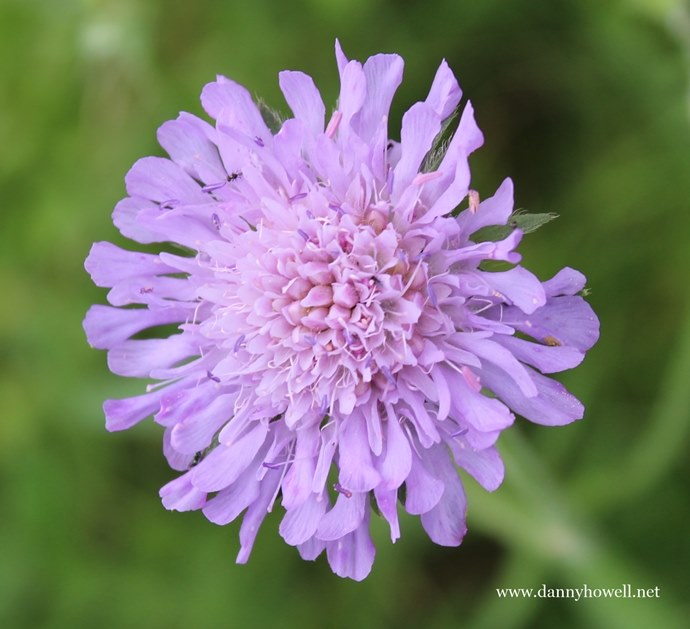
Colour and wonder on the chalk downland to the north east of Warminster. Among the many flowers and plants to be seen and enjoyed are bird’s foot trefoil, red clover, red campion, ox-eye daisies, poppies, scabious, wild raspberries, pyramid orchids, Queen Anne’s lace, marsh marigolds and viper’s bugloss.
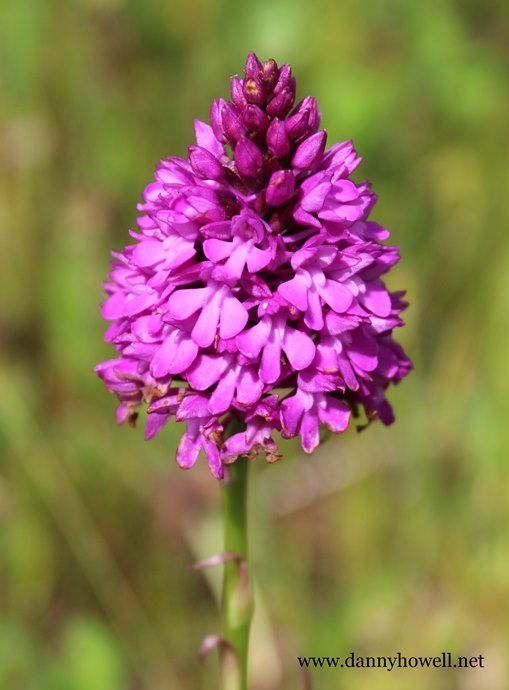
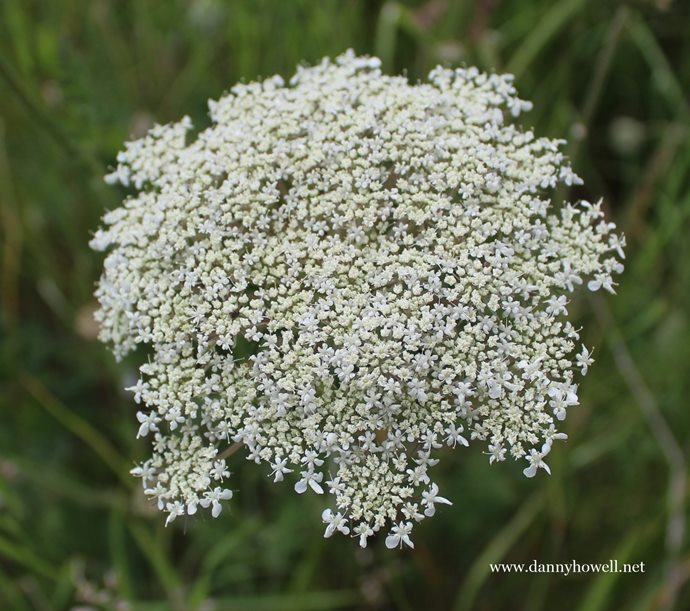
Photographs taken by Danny Howell on Friday 21st June 2019.

In the 70 Acres at Bishopstrow Farm.
Pyramid orchids and other orchids a-plenty among
the clover and grasses.
Middle Hill in the background.

Bird’s foot trefoil.

Red clover.

Ox-eye daisy.

Poppies and vetches.

Pyramid orchid.

Queen Anne’s Lace.

Viper’s Bugloss.

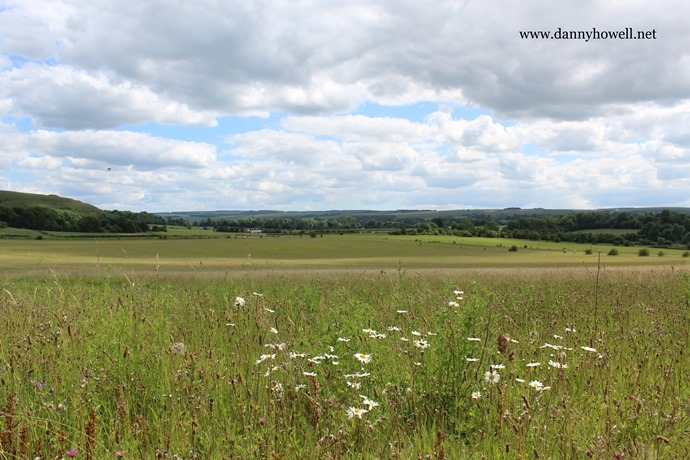
View from 70 Acres, Bishopstrow Farm,
looking south west across
the Wylye Valley to the Great Ridge.

error: Content is protected !!