Wednesday 20th March 1985
Danny Howell writes:
Toad In The Hole
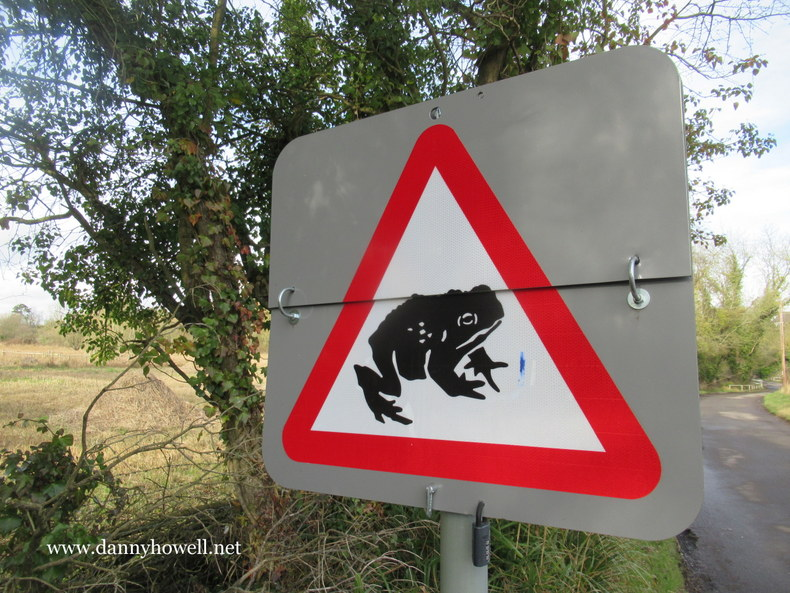
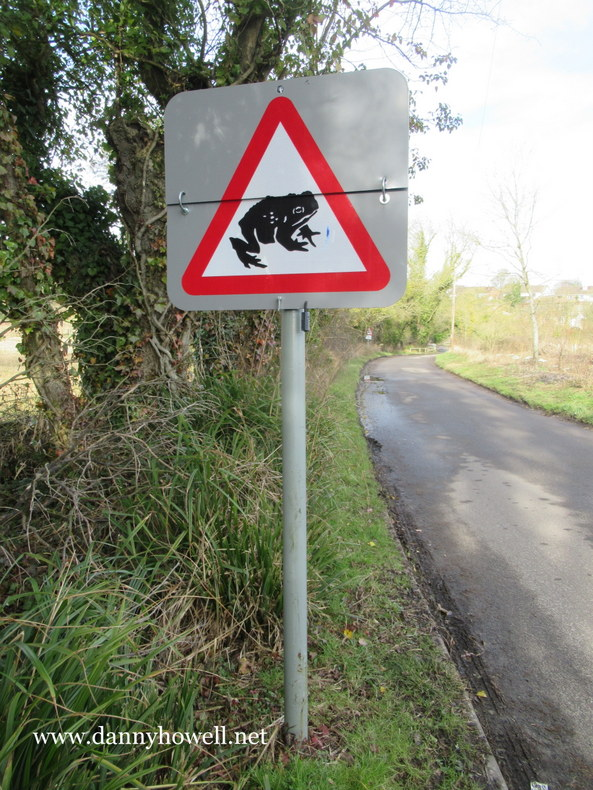
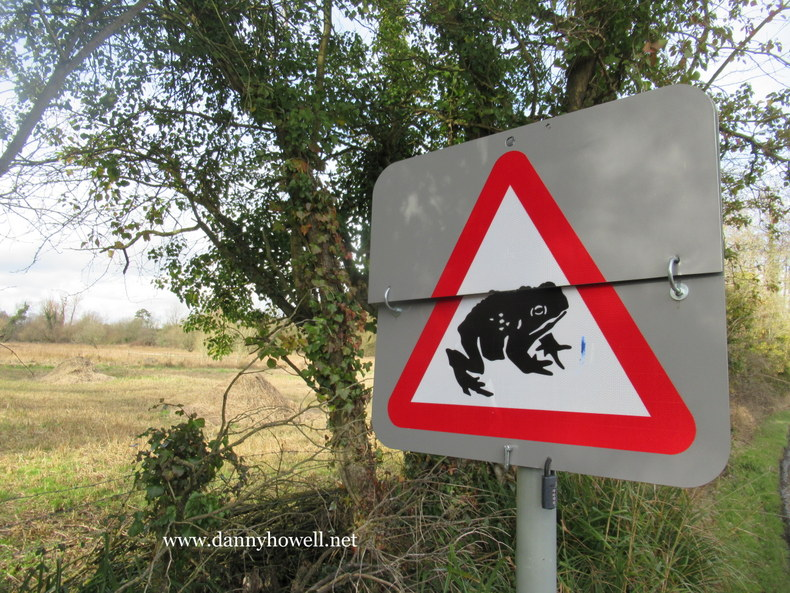
The recent nationwide news and publicity given to toads and also to frogs as they head once more to their spawning ponds at this time of year, has prompted me to ponder upon that old and much maligned creature, the toad.
Maligned because he is often the subject of derision when some of us scold people with phrases as “you lying toad, you†or “he’s such a miserable toadâ€. Such terms are most likely due to toad’s somewhat unsightly appearance; he’s usually sporting more than a few warts and the fact he secretes a poisonous substance in his skin to protect himself from one or two would-be predators. This defence is not totally successful; some birds like the heron and the crow have no problems with this, they disembowel them, and the brown rat resolves the situation by skinning his toad meal.
This curiosity was mentioned by the late Rev. Gilbert White in a letter he wrote on June 18th, 1768, that was included in his ‘Natural History of Selborne’ published in 1860.
He wrote: “It is strange that the matter with regard to the venom of toads has not been settled. That they are not noxious to some animals is plain; for ducks, buzzards, owls, stone curlews, and snakes, eat them, to my knowledge with impunity. And I well remember the time, but was not an eye-witness to the fact (though numbers of persons were), when a quack at this village ate a toad to make the country people stare; afterwards he drank oil. I have been informed also, from undoubted authority, that some ladies (ladies, you will say, of peculiar taste) took a fancy to a toad, which they nourished, summer after summer for many years till he grew to a monstrous size, with the maggots, which turn to flesh flies. The reptile used to come forth every evening from a hole under the garden steps; and was taken up, after supper, on the table to be fed. But at last a tame raven, kenning him as he put forth his head, gave him such a severe stroke with his horny beak as he put out one eye. After this accident, the creature languished for some time and died.â€
The fact that toads feed upon maggots and insects including caterpillars, woodlice, ants and many other pests including snails and slugs, make them particularly beneficial to gardeners, who never seem to mind the presence of a toad in their garden or greenhouse. A toad will often study its prey for several seconds before sticking out his tongue to capture his dinner. The move takes about one tenth of a second!
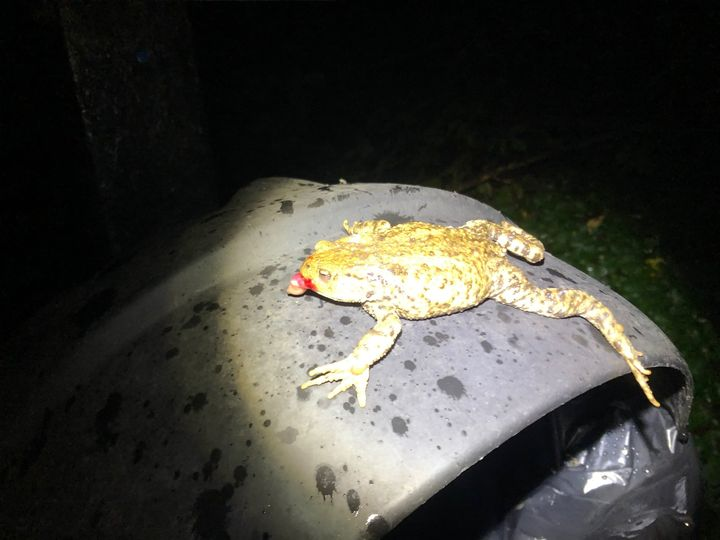
In the British Isles there are two species of toad. The Natterjack Toad has yellow-green to olive-grey colouring, with brown and red markings, and it is rarely seen in our part of the country. Unlike the Common Toad, which is muddy brown, olive or grey in colour, and is found throughout England, Scotland, parts of Wales and Ireland. The Natterjack is smaller than the Common toad and has larger and flatter warts on his skin.
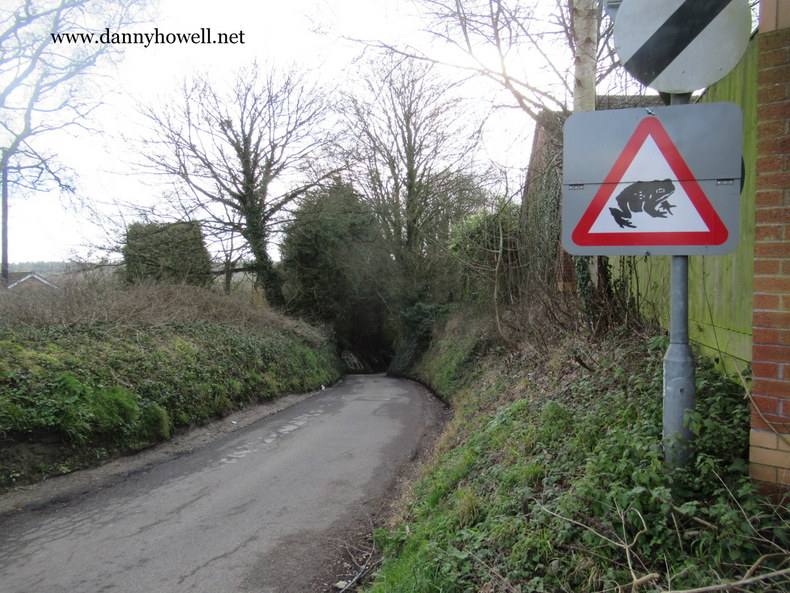
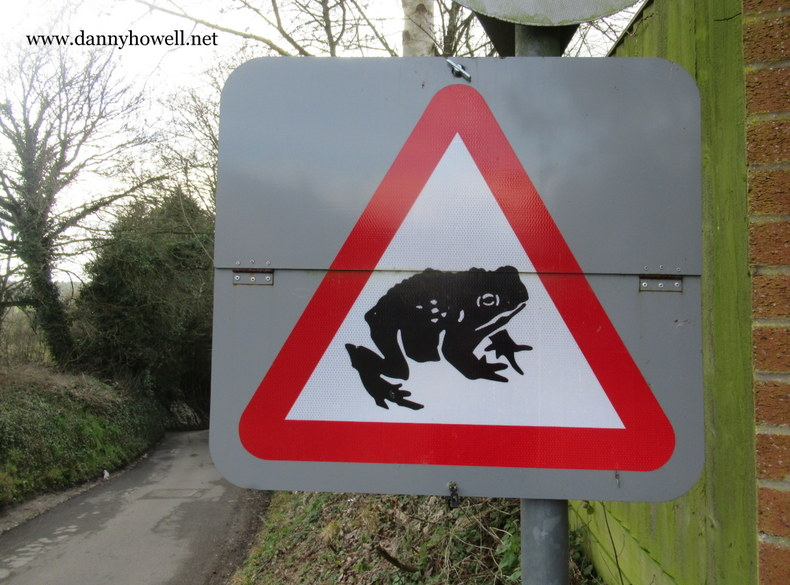
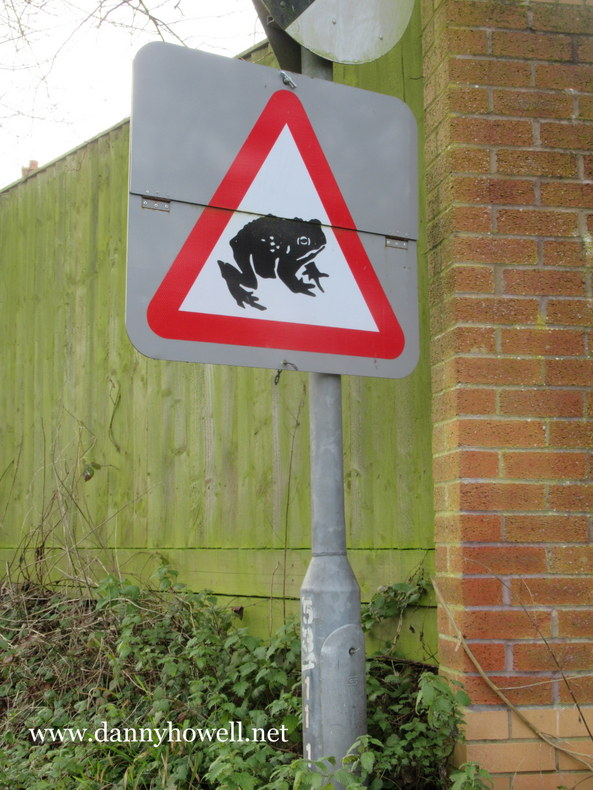
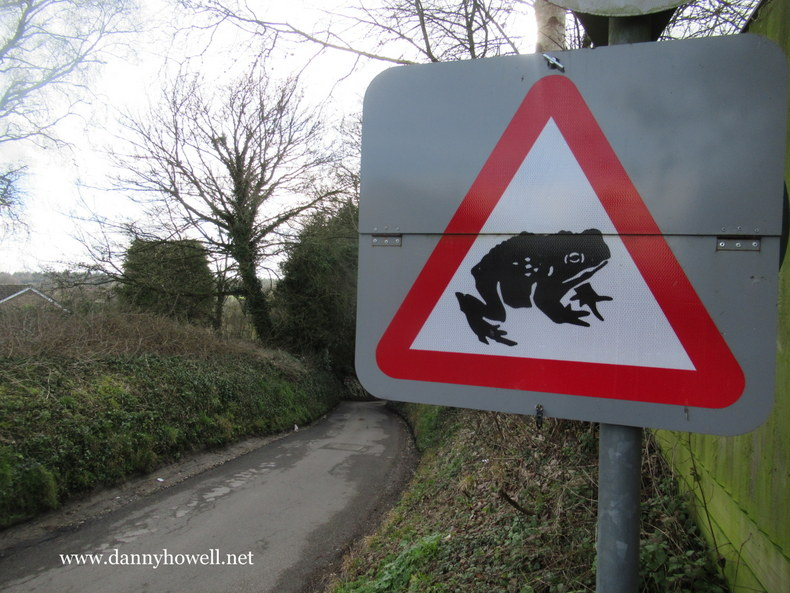
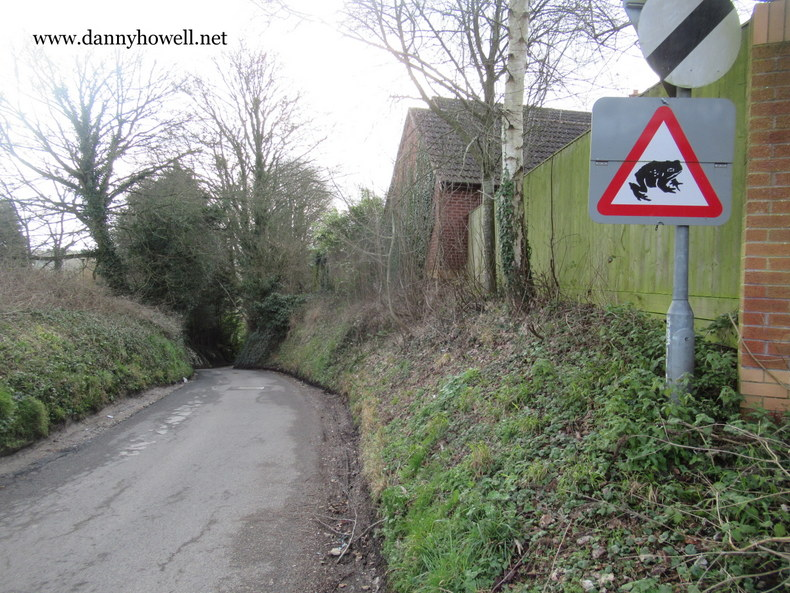
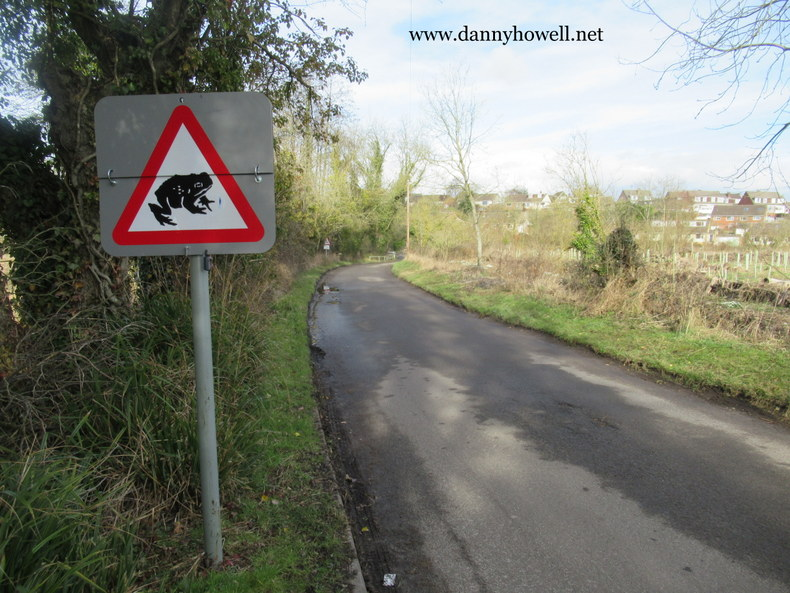
Toads hibernate in October and November, choosing holes in the ground, and emerge in late March and April to head for their breeding pond. They use the same pond as the one they were born in themselves and will pass other ponds and ditches en route when travelling to their birthplace-spawning site. This migration can take ten days and they often stay on the move both day and night until they reach their destination. Many are often killed when crossing roads; hence the recent publicity and the help that some nature lovers and organised groups are now giving to see that the toads now cross the roads safely in their trek to the spawning pond. Strangely enough, although they can swim and use ponds to breed, they spend most of their lives on land, living in holes beneath tree roots or under hedges.
John Aubrey, who is credited with the discovery of the stone circle at Avebury in December 1684, mentioned a toad in a tree in his ‘Natural History of Wiltshire,’ that was first published in 1847. He noted: “Toades are plentifull in North Wiltshire; but few in the chalke countreys. In sawing of an ash 2 foot + square, of Mr. Saintlowe’s, at Knighton in Chalke parish, was found a live toade about 1656; the sawe cutt him asunder, and the bloud came on the under-sawyer’s hand; he thought at first the upper-sawyer had cutt his hand. Toades are oftentimes found in the milstones of Darbyshire.â€
And so to another curiosity! Toads that have been found alive in blocks of limestone without any visible openings to the outside world.
One of the first recorded of such discoveries was in 1579 by a French scientist called Ambroise Pare.
Another instance was at Westmorland in 1832 and was described in a letter to ‘The Gentleman’s Magazine,’ as follows: “We the undersigned John Stockdale, Thomas Steel, John Mason and Michael Steel, of Brough, in the county of Westmorland, masons and quarrymen, do hereby solemnly make an oath, that on the 25th day of July 1832, being employed on Stainmoor, about three miles from Brough, at a place called Little Raize, preparing blocks of stone for re-building a public highway called the Bayside, adjoining the river which runs through Brough, commonly called Brough Beck, were astonished on splitting a large block of more than a ton weight, by a lively yellow toad springing out of a cavity in the centre of the said solid rock, where it had been as closely embedded as a watch in its outer case, without any communication with the surface greater than eight inches. The said toad was taken up by us, when it discharged a considerable quantity of black fluid; it was safely conveyed to Brough and given to Mr. Rummey, jun., Surgeon, in whose possession it now continues in a lively state.â€
Another case, more closer to home, was recorded by the Rev. John J. Daniell in his book ‘The History of Warminster’.
He wrote: “In the month of August 1816, as some workmen were quarrying stone on the east side of the town, near the garden of Mr. John Daniell, on the Boreham Road, they discovered in the middle of a stratum of sandstone, a live toad and a newt. The interior of the shell in which they were found was perfectly smooth, without the least aperture, and at least nine feet below the surface. On their being exposed to the air the colour of both animals altered, and life for a few minutes seemed suspended. They revived, and lived for about four hours, exhibiting occasionally symptoms of pain, and convulsive motions about the throat. Their mouths seemed to be firmly closed, in so much that on being immersed in alcohol though producing violent strugglings, they did not open them, being closed with a kind of glutinous matter. How long they might have lived cannot be known but probably not long, as during the first four hours they continued torpid.â€
All of this, of course, poses the question: how did the toads (and the newt for that matter) get inside such stones and how could they live trapped inside. It is most likely that with the coming of winter, the toad hides itself away for hibnernation by crawling into a crack in a block of limestone. While inside, drops of water dripping on the stone become mixed with dissolved calcium carbonate, which seal the toad in its prison cell. Toads, like snakes, are cold-blooded creatures and can live for a few years off the fat reserves under their skin, burning energy slowly while they are inactive during hibernation. Obviously, there must be a limit to how long they can survive in this way; and those that have been discovered so by workmen splitting such rocks, were within their limits for survival in this way.