1999
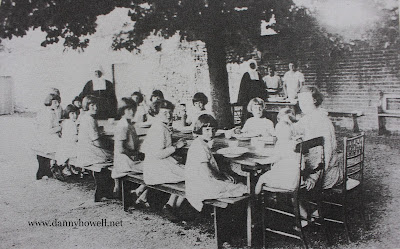
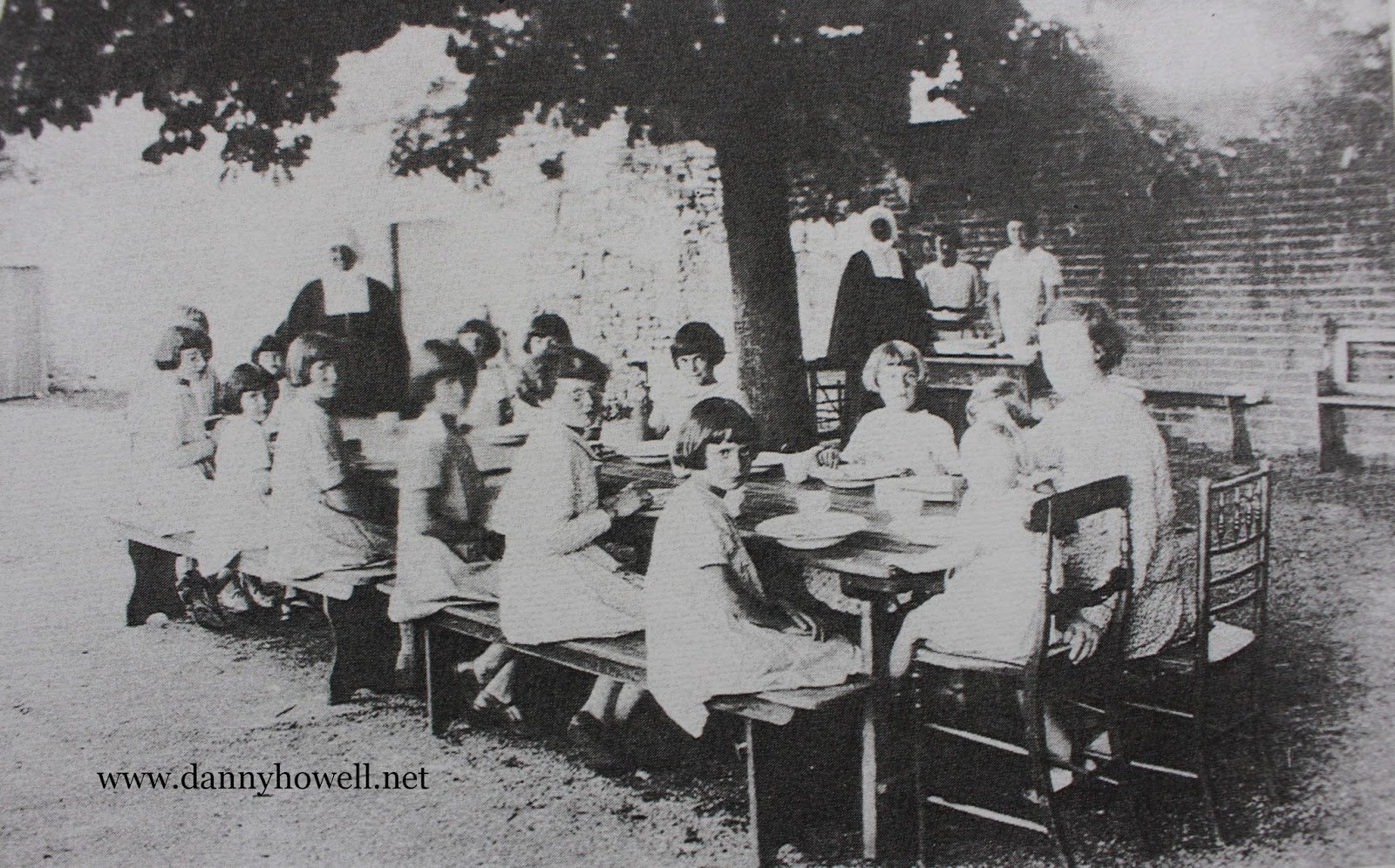
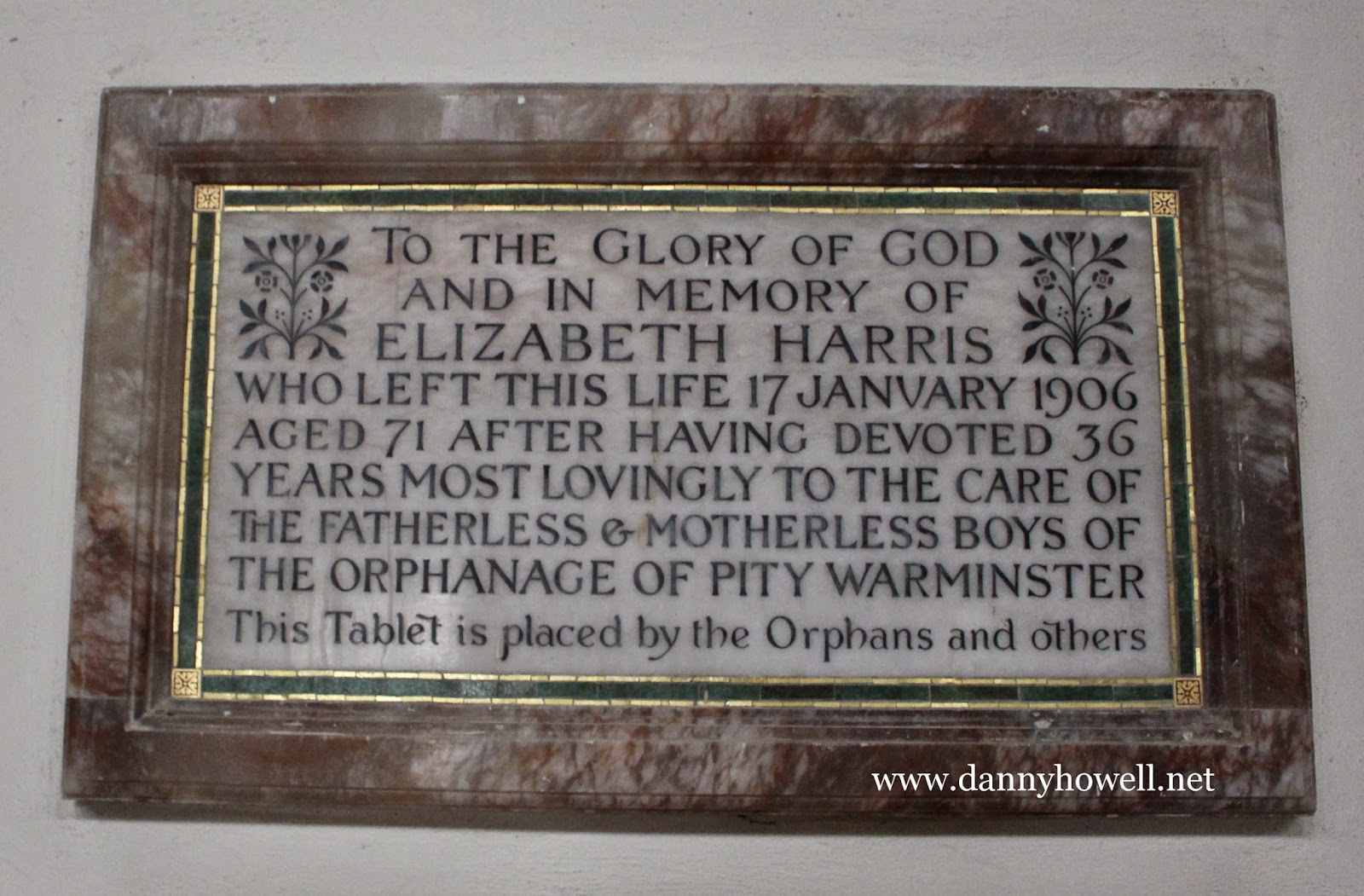
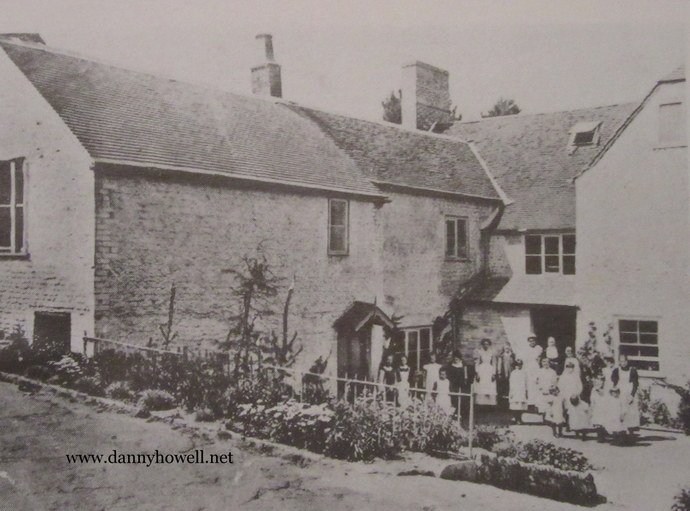
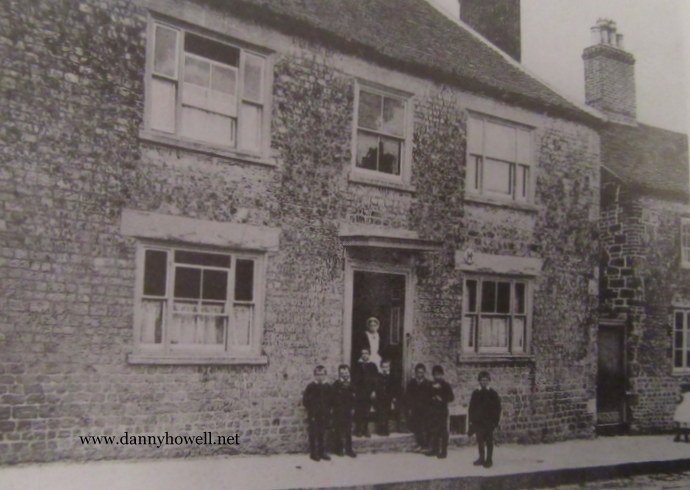
The book Out Of The Rubble was published in 1999 by Pauletta J. Edwards of Pump Cottage, Pulteney Gardens, Bath, BA2 4JF. It includes her account of the time she was “just another unwanted brat” in The Haven, a children’s home at Vicarage Street, Warminster, run by the Sisters of Mercy. The Haven was formerly known as The Orphanage Of Pity. Pauletta was about 18 months old when she was taken to the girls-only Orphanage in the mid-1930s. She spent 17 and a half years there “in a state of fear and anger, desperation and desolation, and a deep, deep longing.”
The book has 208 pages, is all text and has no illustrations.
Notes on the back cover of the book include:
“This story tells of a child’s fight to survive in what was, for her, the desolate and often hostile world of her childhood in care. It shows how a vicious spiral can build up through distrust, lack of communication and withdrawal. All this can lead to unimaginable difficulties in responding to warm and friendly overtures. The story gives rare insights into what it takes and how long it takes to pull someone damaged almost beyond salvation out of the rubble of life into love, trust and happiness.”
“The aims of the book are: to increase everyone’s understanding; to show what the needs are of deprived children and adults who have suffered such a childhood; to give pointers to the ways in which adoptive and foster parents, teachers and social workers, the police, magistrates, carers and general public can help.”
Professor J.S. La Fontaine in his Foreword to the book writes:
“This is a harrowing story but it is also full of hope. It shows in the most painful detail what it felt like to be abandoned when only 18 months old and, throughout a loveless upbringing in a children’s home, to have no value as a human being. At its darkest it is a story of cruelty to children, both emotional and physical, at best a catalogue of exploitation and cold, harsh treatment by a Christian group who were named, with bitter irony, the Sisters of Mercy. Yet it is also a moving account of how one of these children was helped through the long healing process that made her into a loving, mature woman. It would be easy to say: ‘Well things are better now’, but recent cases have shown that the inhumanity of adults to children is still a threat to those most vulnerable beings. The hope held out by this book lies in its message, set out with painful honesty, that with patience, perseverance and love these damaged children can be healed.”
In her Introduction to the book, Pauletta J. Edwards writes:
“This is my story – the story of ‘how it was for me’. I have made no attempt to be objective. There is no analysis – only self-analysis – or learned psychological reference. Too much of either would take away from ‘how it was for me’. I leave the reader to do the analysing and referencing. For all of us, how we interpret a situation is how it is – for us. To say: ‘That isn’t really what I meant’ is irrelevant.”
“For seventeen and a half years I had lived in The Haven, in a state of fear and anger, desperation and desolation and a deep, deep longing. Over all this had hung a huge cloud of bewilderment and confusion. It had become darker as I passed from childhood to adolescence and grew in understanding. This cloud arose from the dichotomy between what Sisters of Mercy said and did when they were communing with their God and what they said and did when they were looking after little children. The two parts of this frightening whole never did and never have become reconciled for me; for The Haven was a Children’s Home and it was run by the Sisters of Mercy.”
“The Haven was called The Orphanage of Pity at first. It had been opened in 1850, only sixteen years after the Poor Law Amendment Act of 1834. This Act decreed that life in Workhouses and similar institutions should be made so unpleasant that people would rather stay outside if possible. Whether the cruelty and ignominy sanctioned by this Act was meant to apply to Children’s Homes or not, it certainly did to ours. It also did and has to others, as Peter Lennon’s article in the Guardian of March 1996 shows.”
“For orphans, waifs and strays there was no choice. We were dumped, like pieces of junk, wherever a place in an Orphanage could be found. Forsaken by parents, abandoned on doorsteps or left in the gutter – as we were often told we were – we huddled together seeking a love and warmth which didn’t exist.”
“We were the rubbish, the rubble of life.”
“This book is about the damage done to me in the rubble heap; its extent and depth and my reactions to it. I have written as honestly as possible, though it hasn’t always been easy to tell the truth but had I not done so there would be no point to the book. I have written it in such a way that the reader can come with me; feel how and where the psychological damage came from and how it affected my life; learn how healing took place – the winning, the losing, the fears and the joys; the despair and the hope as they happened and as they gradually broke down my defensive front; how Phyllis (my adopted mother) managed to pull me out of the rubble and slowly and carefully put me back together again. It is about the trauma and hurt inflicted, often unwittingly, by both my adopted mother and me during the restoration period and about the degree to which repair was possible in my case.”
“I don’t say that this is how everyone in the rubble or from it feels and reacts. What the book is saying is: Look under the surface for what is hidden, often very, very deeply, as it was with me.”
“To pull someone damaged almost beyond salvaging out of the rubble of life into love, hope and happiness requires loyalty, steadfastness; the ability and the willingness to withstand the emotional manifestations of the pain, the anger and the fear of betrayal as learning and healing take place; the insight to see the love of a frightened child trying to respond beneath the tough, bolshie, ‘don’t care’ or prickly front. Above all, the total commitment to spend years of loving and caring, waiting for the breakthrough, believing there will be one.”
“In my adopted mother I found all these things.”
“I hope the book will help all those who come in contact with or care for all of us who have been pulled out of the rubble, or more sadly, those who are still in it.”
Footnote by Danny Howell:
Sheelagh Wurr alerted me to the existence of this book. The names given to the nuns mentioned in this book are fictitious, but if like me you have researched or have acquired knowledge of St. Denys Convent and the lives of the nuns, you can work out who some of “the respectable devils” in this story really were.