
Saturday 12th September 2015
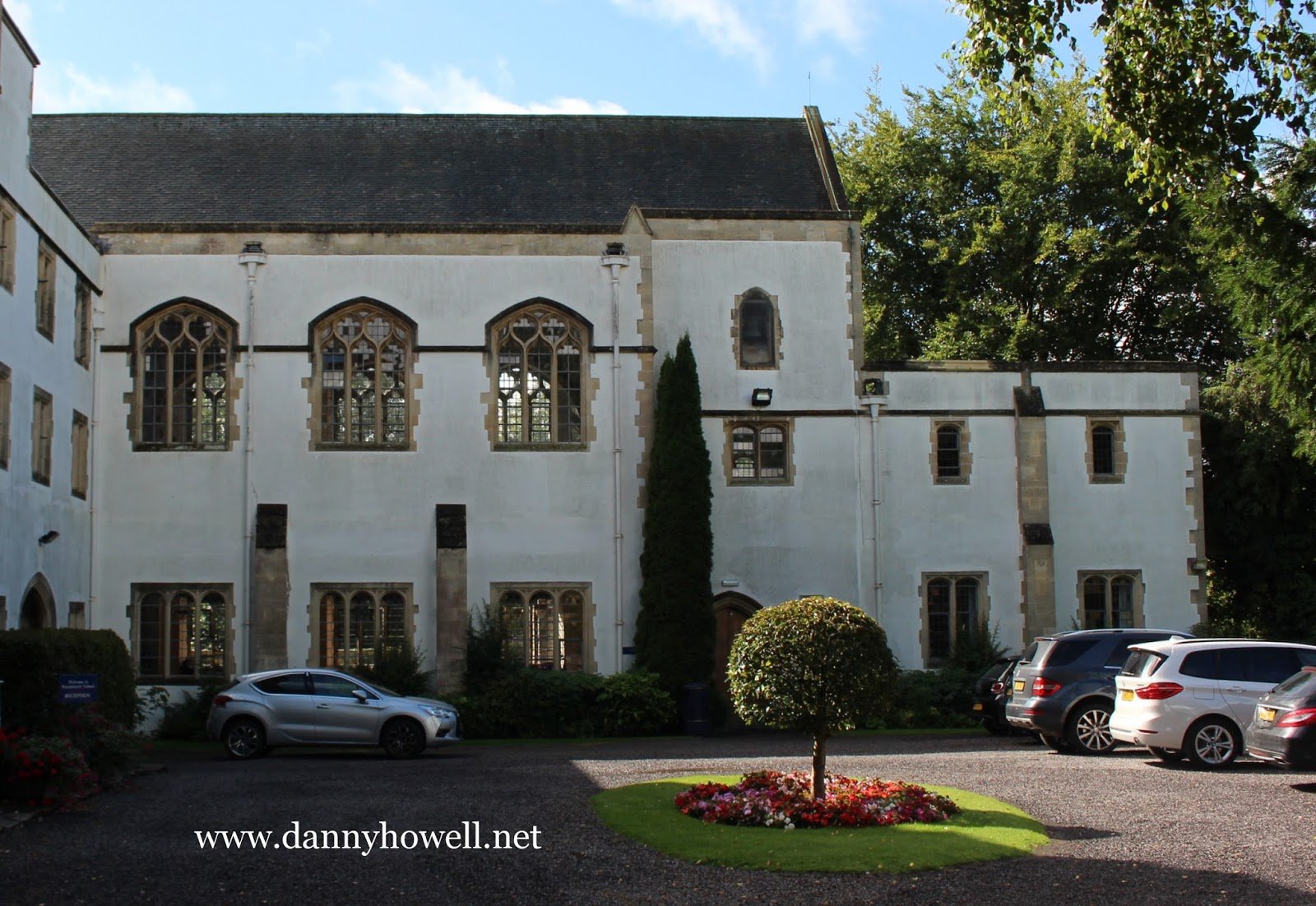
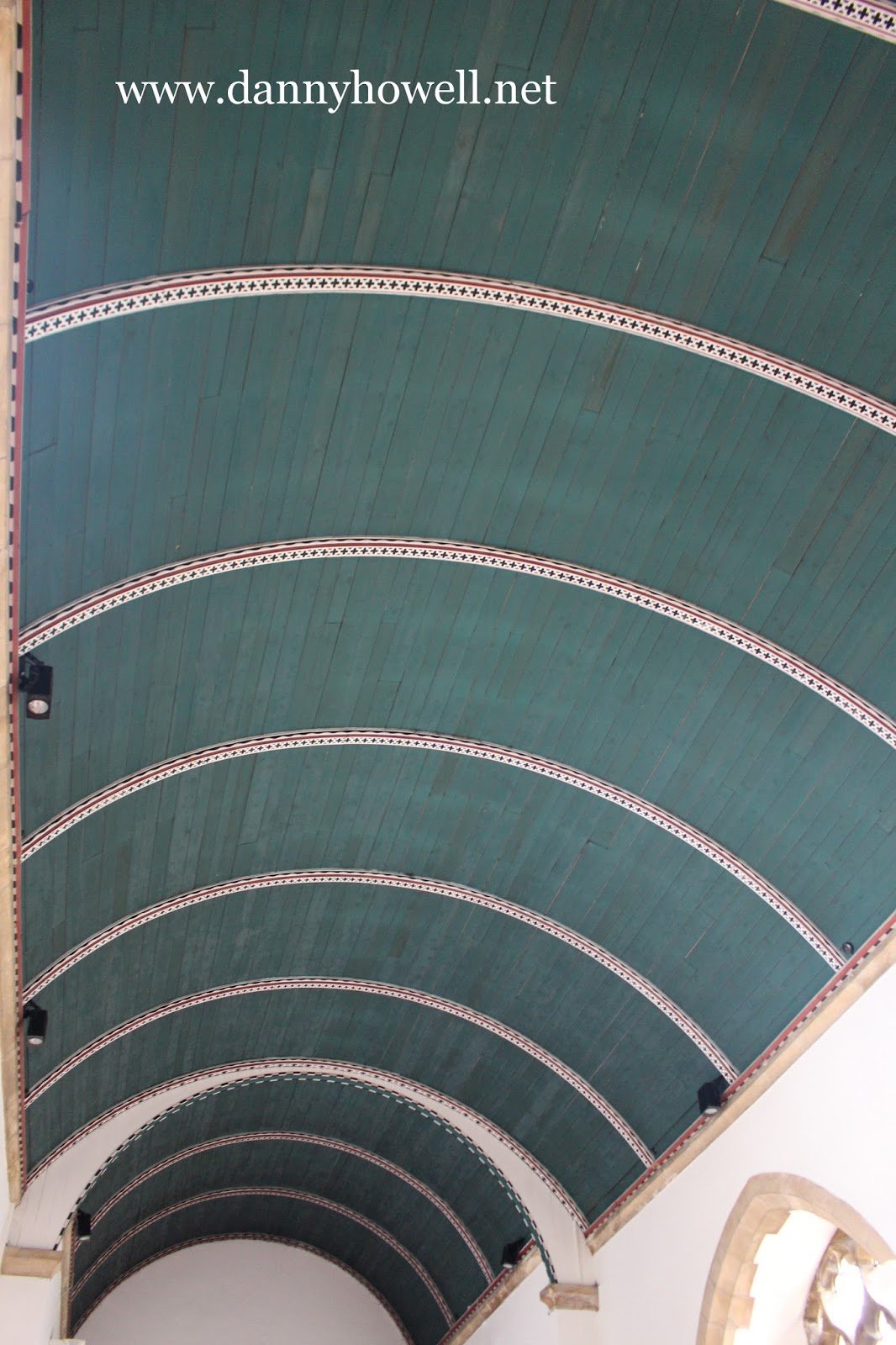
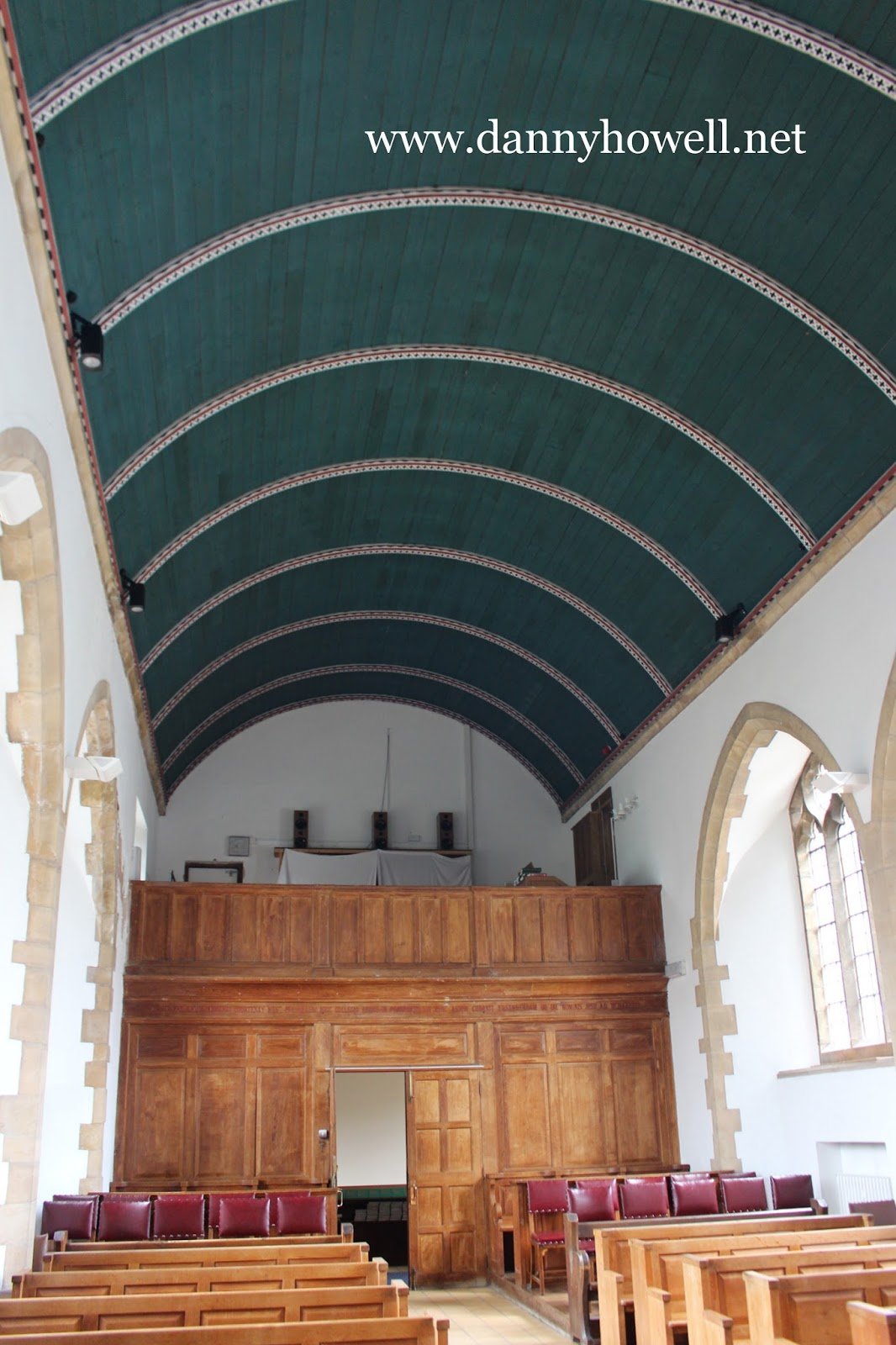
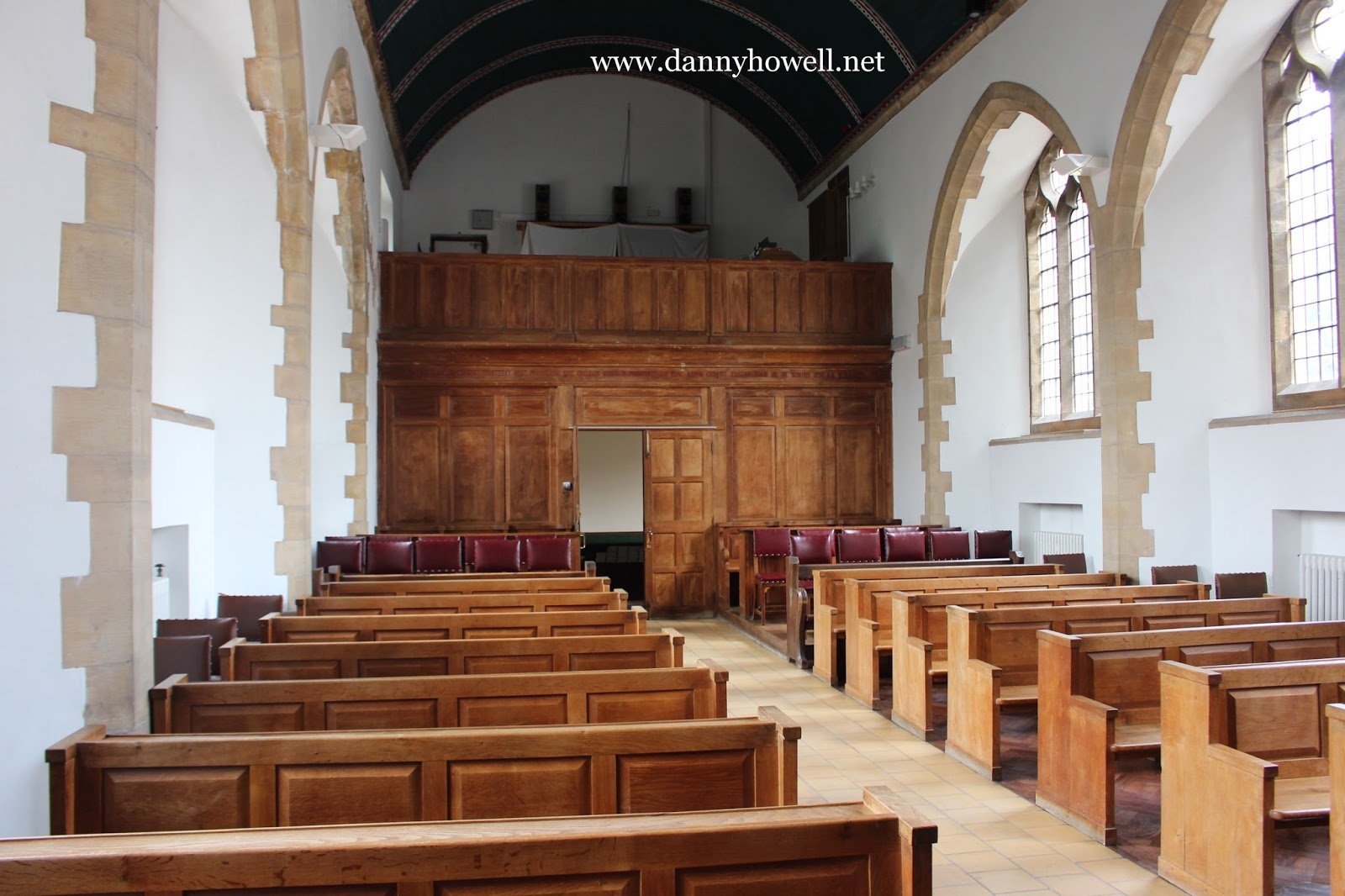
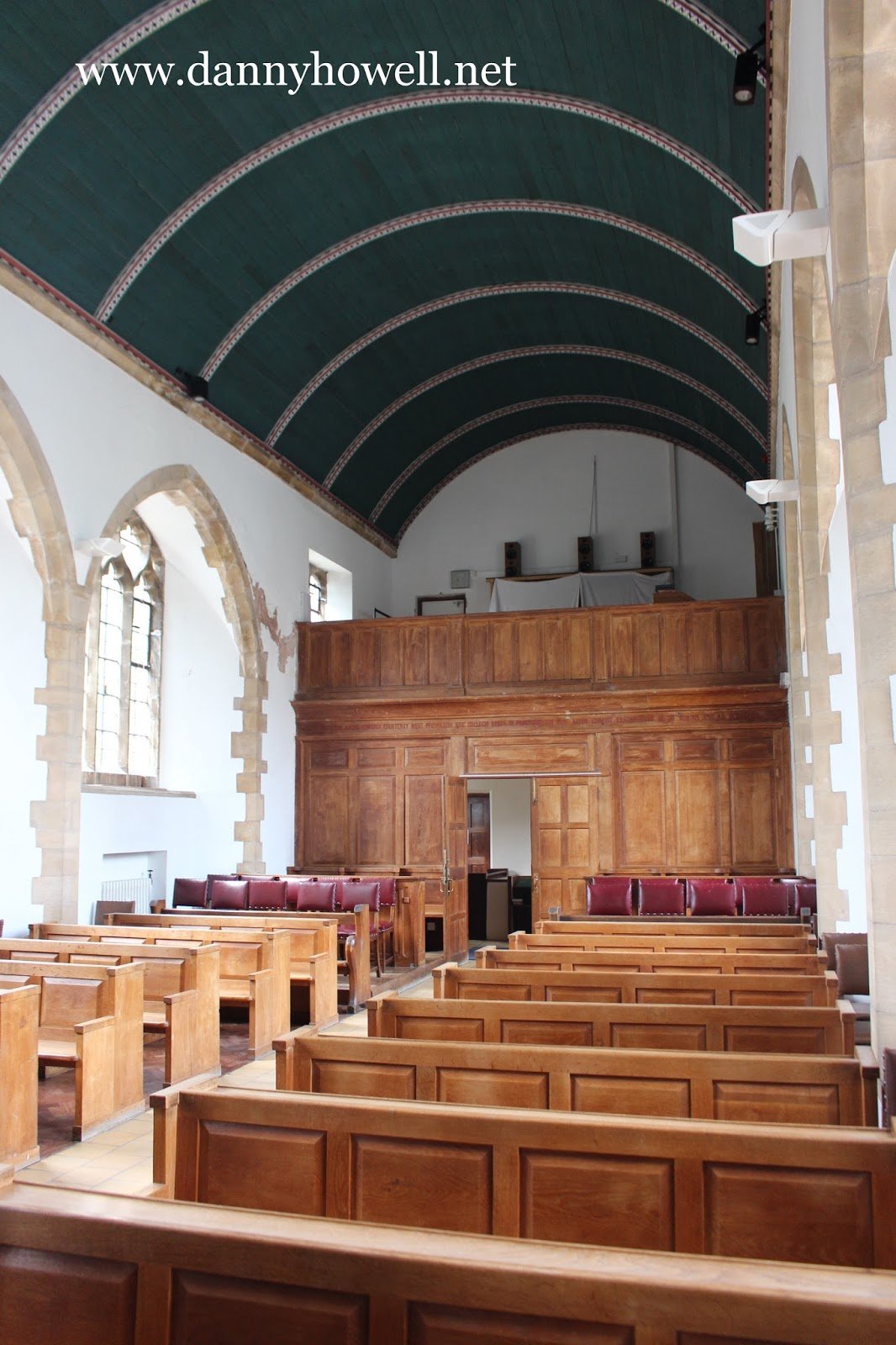
St. Boniface Chapel
on the first floor of this building at
Church Street, Warminster.
Photographs taken by Danny Howell
on Saturday 12th September 2015.
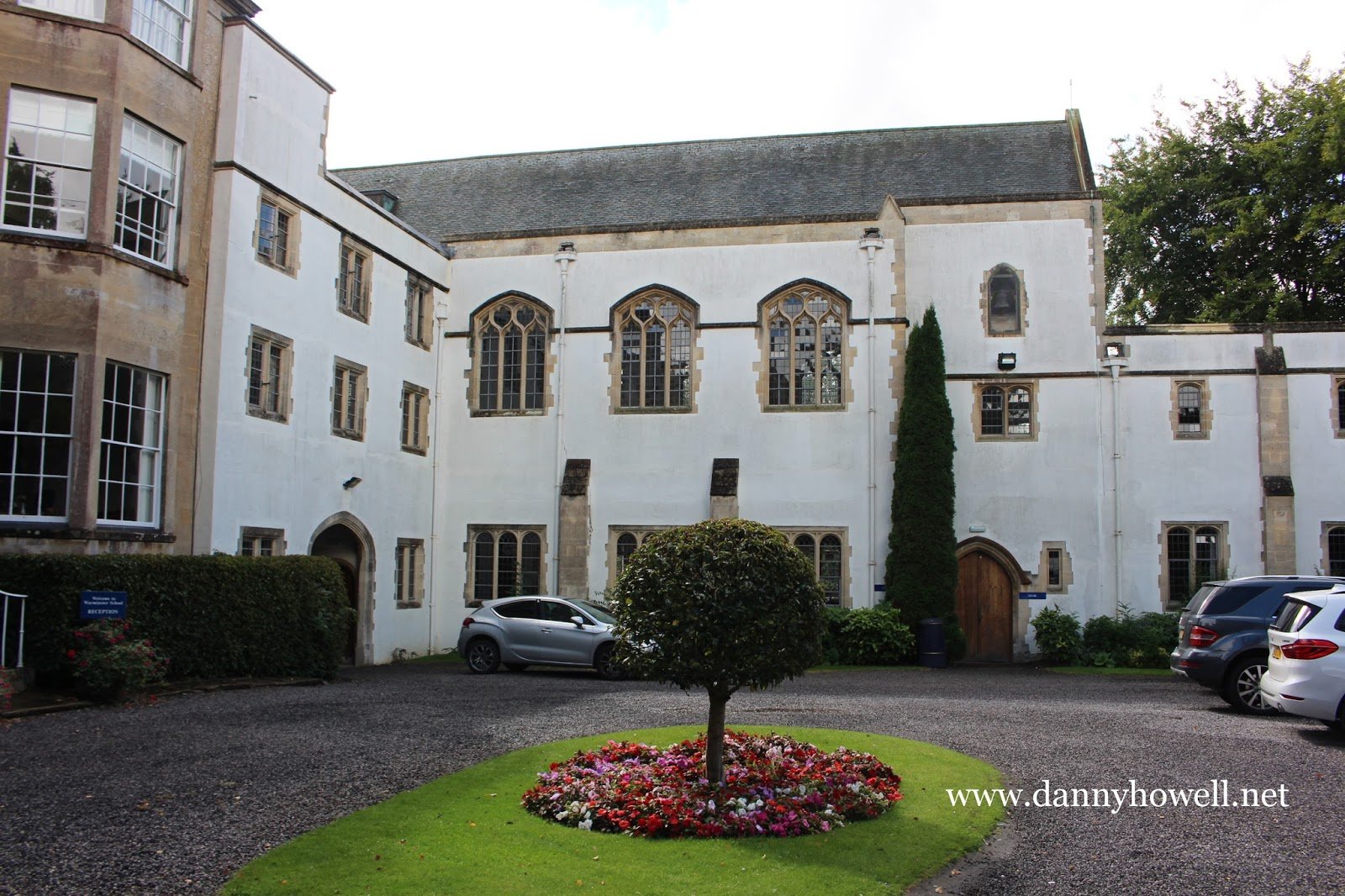
Saturday 12th September 2015
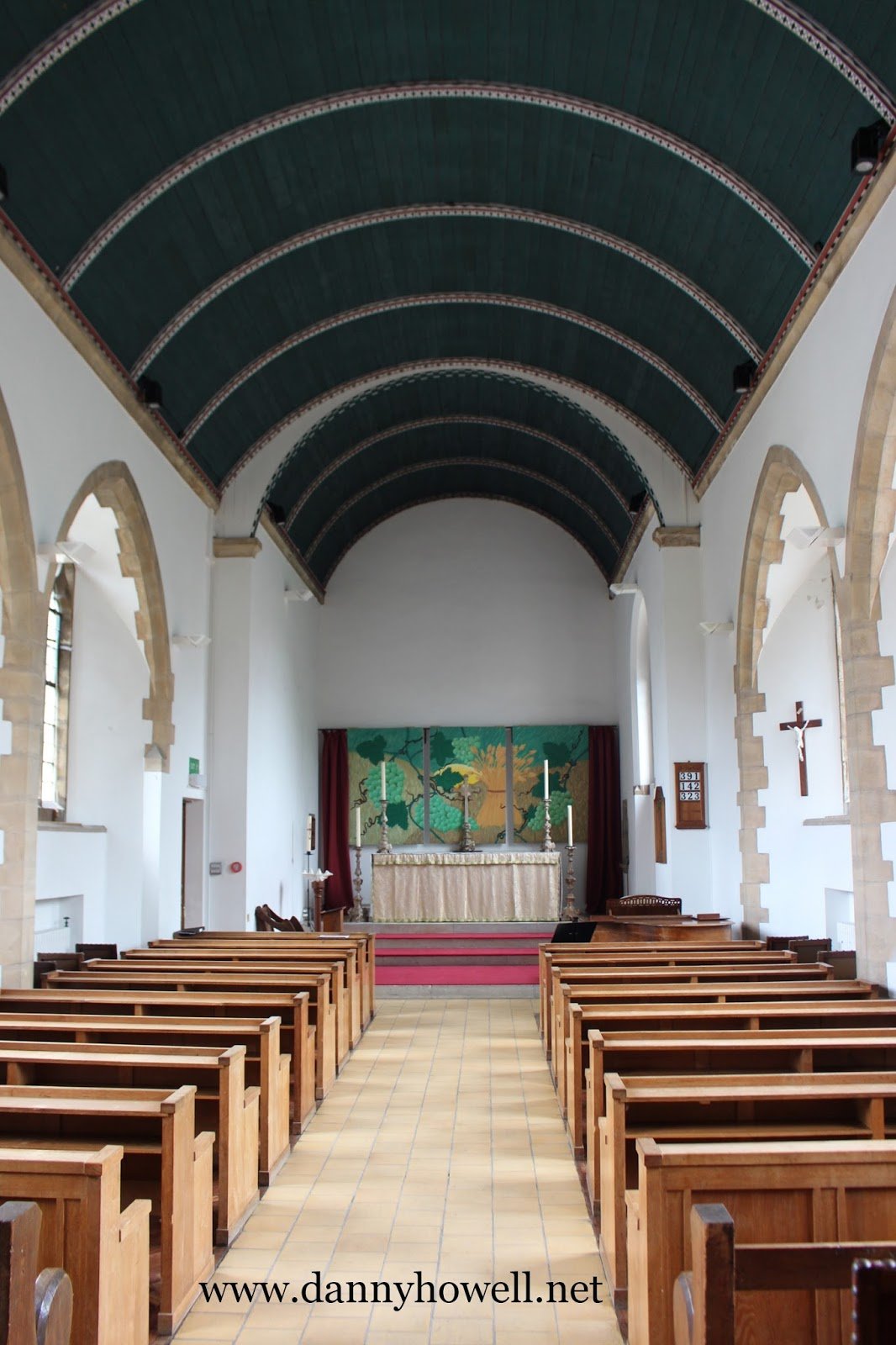
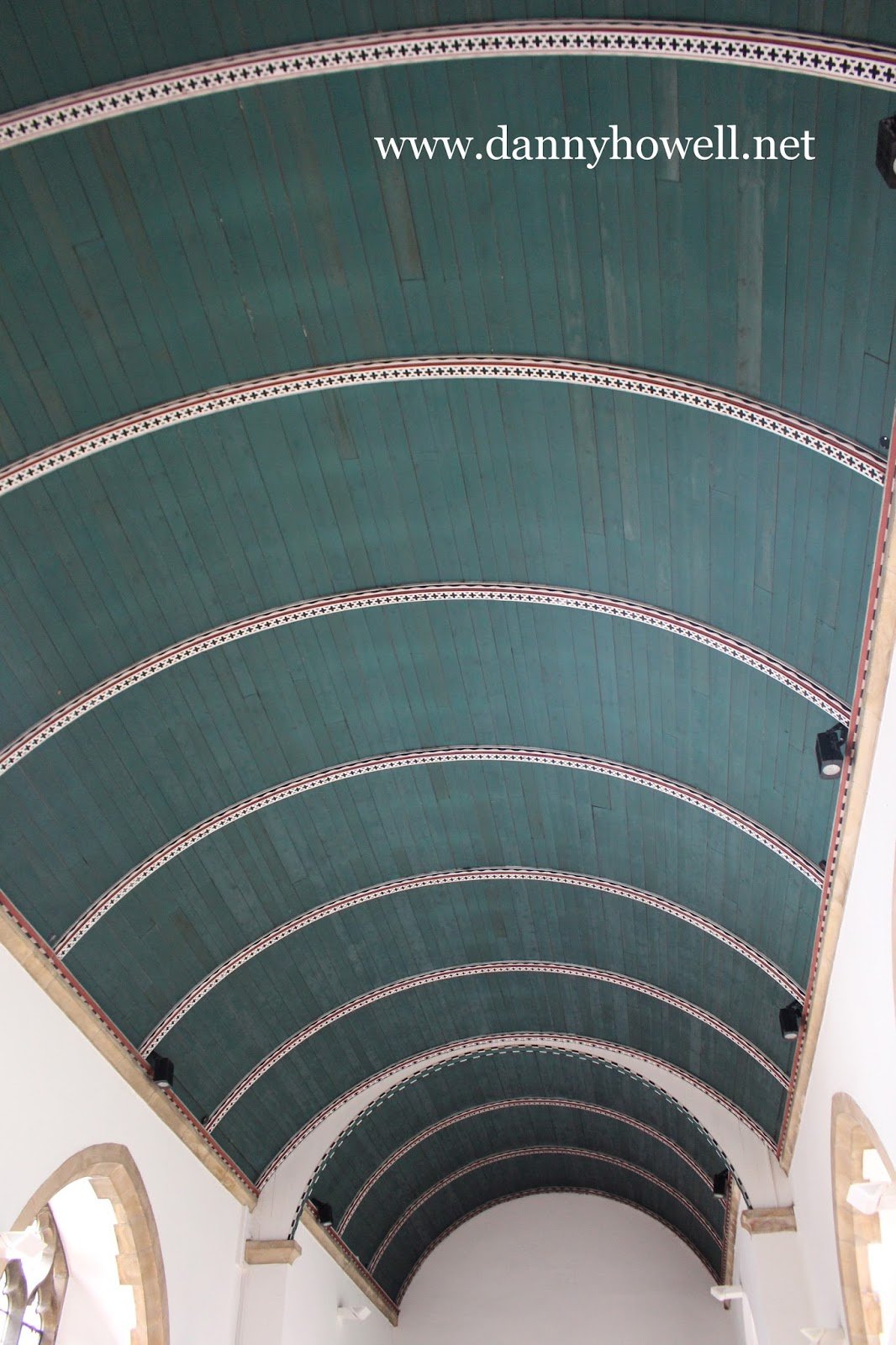
St. Boniface Chapel
on the first floor of this building at
Church Street, Warminster.
Photographs taken by Danny Howell
on Saturday 12th September 2015.
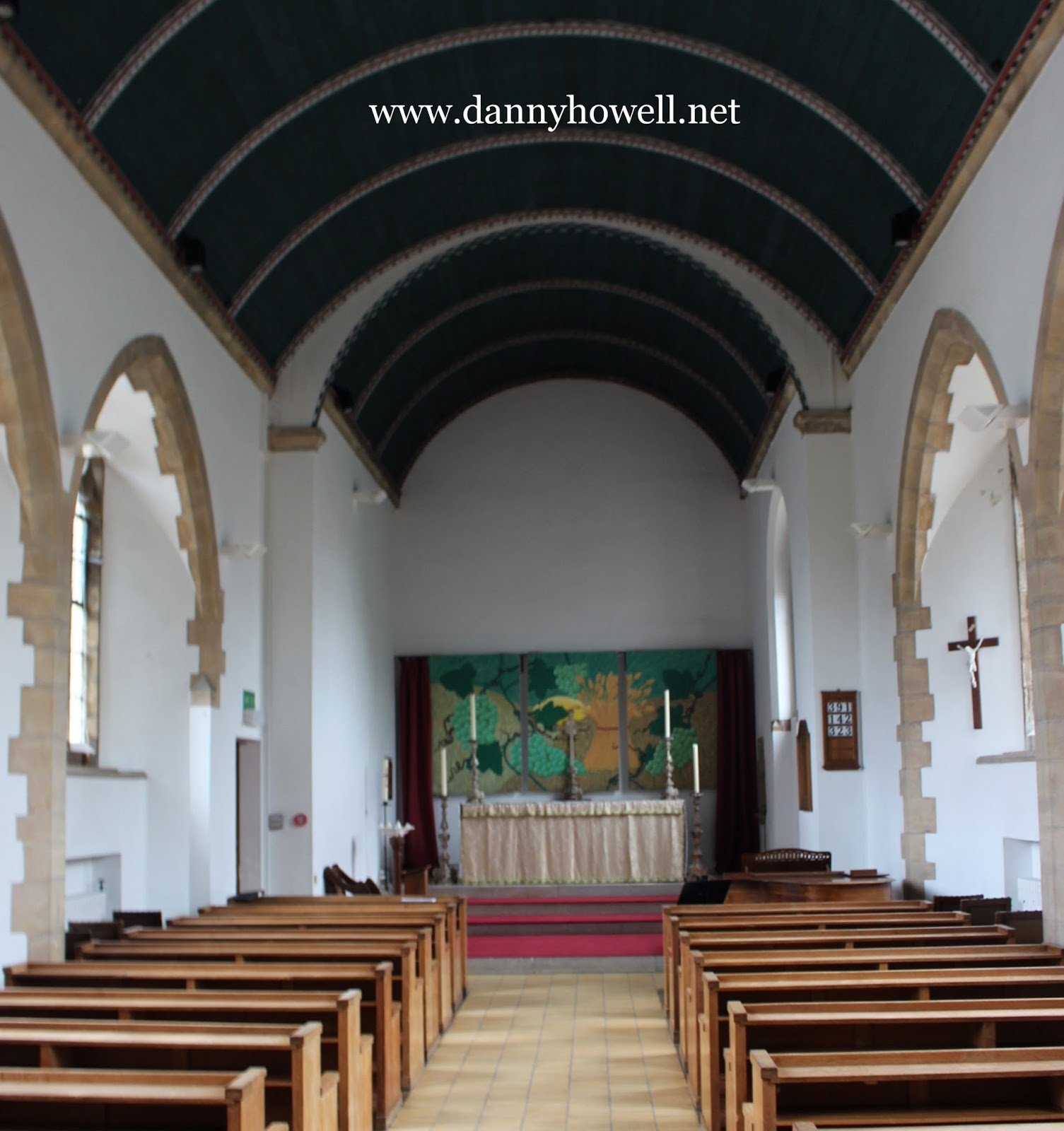
Saturday 12th September 2015
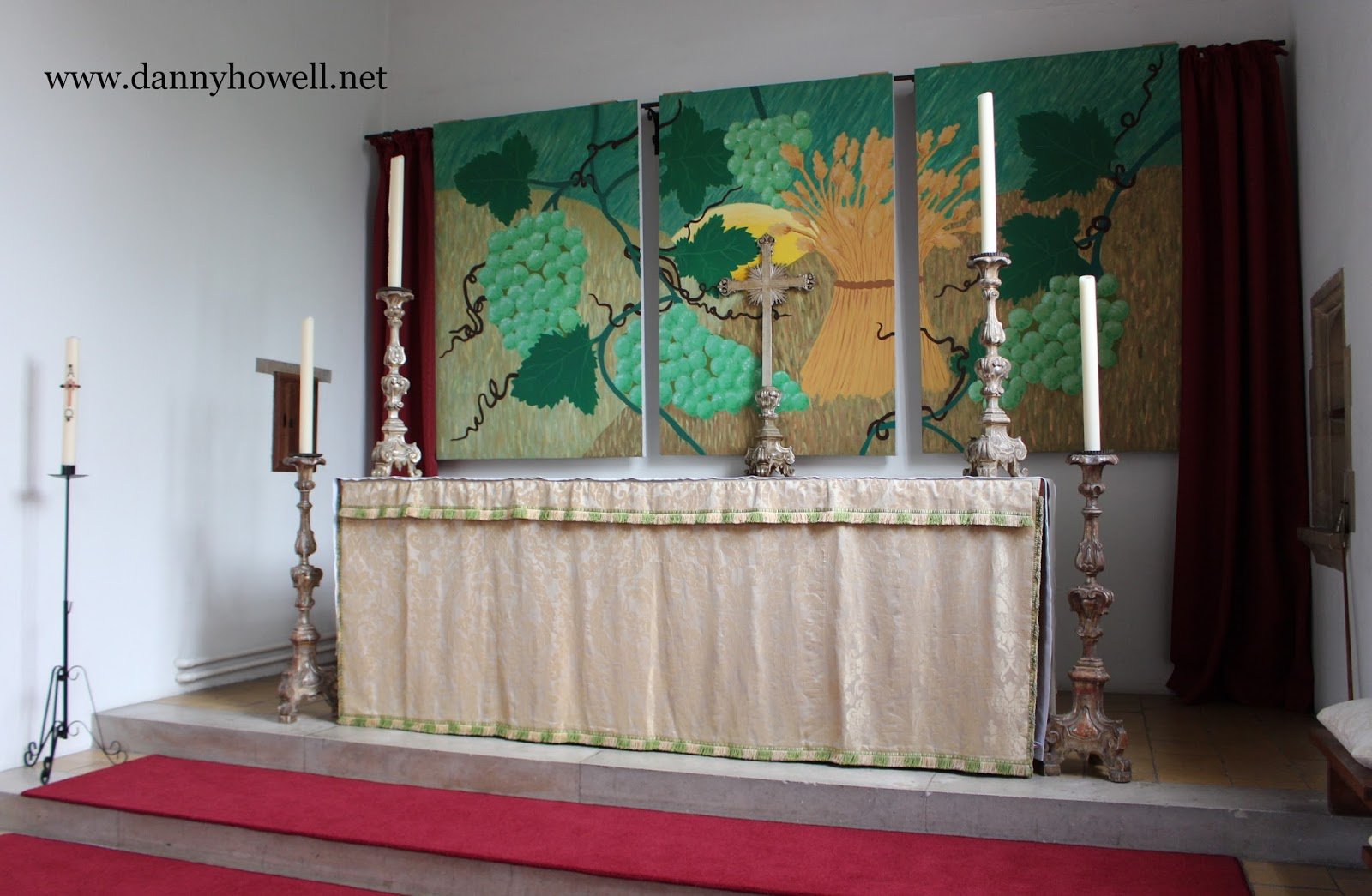
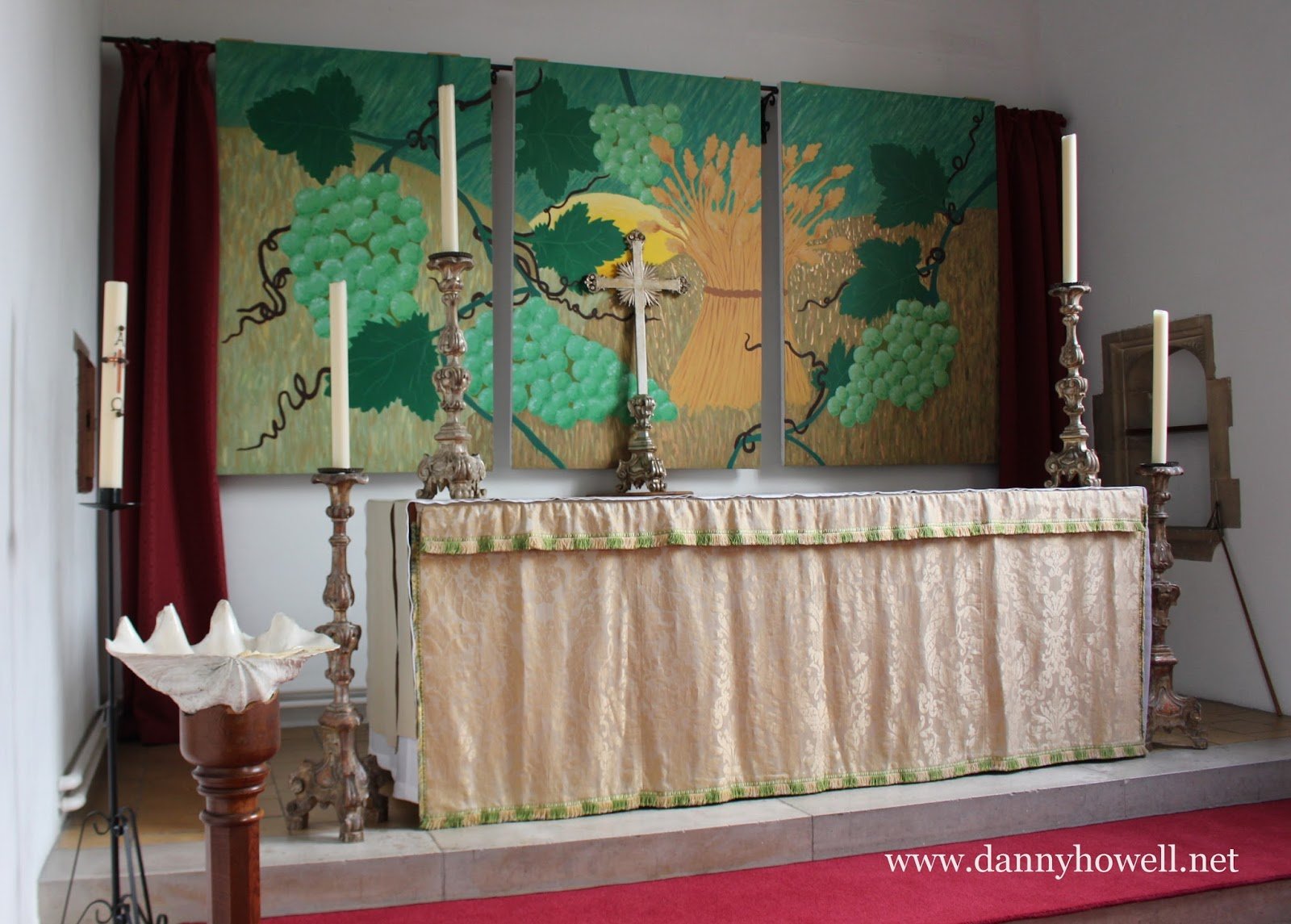
The altar in St. Boniface Chapel,
Church Street, Warminster.
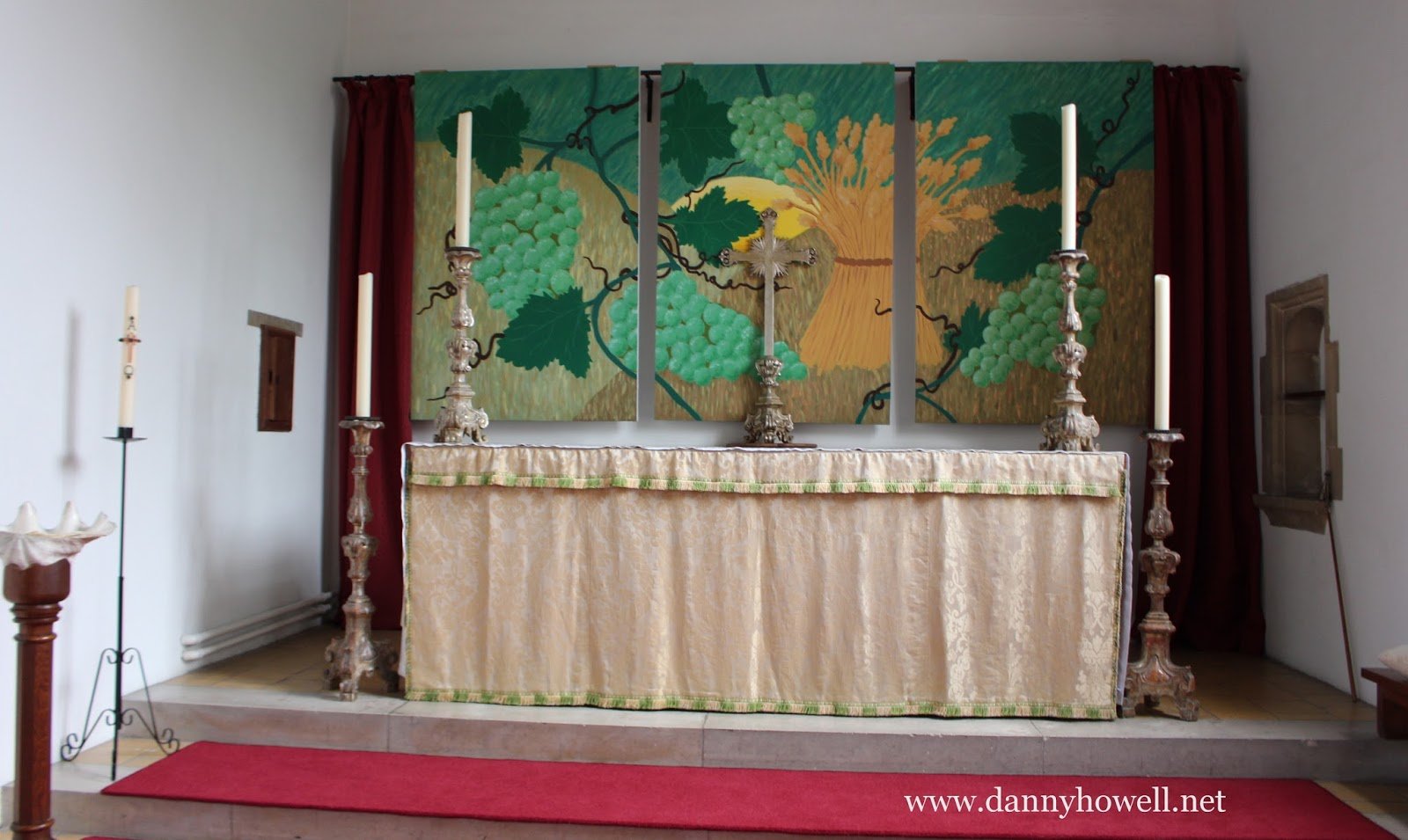
Photographs taken by Danny Howell
on Saturday 12th September 2015.
Danny Howell writes:
The Missionary College of St. Boniface
The Missionary College of St. Boniface (originally known as the Mission House), at Church Street, was founded by the Vicar of Warminster, the Rev. Sir James Erasmus Philipps, and was formally opened on 5 October 1860. The name changed from the Mission House to St. Boniface College in 1871. The aim of the college was to train young men of little previous education but who were capable of becoming good workers in the missionary field.
The number of students in the early days was small and fluctuated. With ten or twelve students the college was self-supporting and there were places for 20. In 1866 there were just three students, a year later the average was seven, and in 1868 it was 13. Fees were £30 per year to approved students and the curriculum included Latin, Greek, maths, English literature and grammar. There was also practical instruction in carpentry, gardening, printing and bookbinding.
The buildings of St. Boniface College later became part of Warminster School.
Adrian Phillips, in the book The Warminster Trail, compiled for the Warminster Festival 1989, and published by Aris & Phillips Ltd., wrote:
Opposite [the former National School] [at Church Street] are the buildings of St. Boniface.
Four phases mark this impressive building.
The first was the small stone building to the right of the centre, which was built, so it is said, to block the view of John Wansey who lived in Byne House opposite.
The central Georgian section, designed by J. Glascodine of Bristol, was built in 1790 by the same Wansey family on the profits of cloth.
On the right hand end is the neo-Jacobean building erected in 1897 by James Erasmus Philipps, q.v., as a missionary college which became accommodation for the Department of Theology of Kings College, London. This was transferred to Canterbury in 1962.
Finally, the chapel on the far left, with the magnificent theological library underneath, was added in 1927, as the foundation stone on the street commemorates.
1985:
St. Boniface College, Warminster
Bruce Watkin, in 1985, wrote ~
St. Boniface College was a missionary college founded by Canon Philipps in 1860. Its core is a late 18th century house designed by David Glascodine of Bristol for the clothier William Wansey. The chapel and library designed by Sir Charles Nicholson were added in 1927. It was used by King’s College, London, from 1948 to 1968 before being incorporated in Warminster School.
Extract from The Changing Face Of Warminster by Wilfred Middlebrook, published in 1971:
Across the street [Church Street], further along, are the imposing and lofty buildings that once housed St. Boniface Theological College, giving an atmosphere of quiet scholasticism as one walks along this pleasant street, curving continuously towards the town. An old resident of Coldharbour recalled the first building of St. Boniface, springing as it did from a small house which was enlarged as time went by. Nearby was a block of cottages on the site later occupied by the Warden’s residence.
The founder of the College was the Rev. James Erasmus Philipps, M.A., one-time Vicar Of Warminster, who was born at Boyton in 1824 (his father, the Rev. Sir James Erasmus Philipps, was assistant curate at Boyton). He was Vicar Of Warminster from 1859 to 1897, and succeeded his father as 12th Baronet in 1873. He had a passion for building, being the originator of St. John’s Church (1865), St. John’s School (1868), the Cottage Hospital (1866 – rebuilt 1928), the Orphanage Of Pity (1867), St. Denys’ Home (1868) – the first three Sisters were professed in 1879, St. Denys’ College and St. Monica’s School. He also restored the Parish Church Of St. Denys, also known as the Minster, at a cost of about £10,000, practically rebuilding it except for the tower, the south porch and the Lady Chapel.
The Warminster Mission House, as it was first called, was a small house nearer the church, across the road. A larger house was taken in 1863, now called the Old Building, a spacious house with lovely gardens valued then at £1,100, and held on a yearly tenancy until a Mrs. Torrance of Norton Bavant House gave £1,000 towards its purchase. Byne House stands directly across the road from the Old Building. There is a story to the effect that the Old Building was erected by the brother of the builder of Byne House in order to spoil the view, and there is no doubt about the fact that it has certainly succeeded in its purpose if such were the case.
The name of the Mission House was changed to St. Boniface in 1871. The Warden had received a letter from Bishop Cotton of Calcutta expressing a wish “to see a body of men at work on the old Columba and Boniface systems.” The following day there was dug up in the terrace behind Portway House, at a depth of nine feet, a leaden “bulla’ on which was stamped the name of Pope Boniface IX, once Pope of Rome. The co-incidence was too great to be ignored, and the College took its new name of St. Boniface.
This fine building, with its spacious grounds and lovely chapel erected in 1927, was attached to King’s College of London as a post-graduate college for theological students after the last War, but is now used by the Lord Weymouth’s Grammar School.
A feature of St. Boniface College in its heyday was the annual July Festival, when countless visitors and friends attended the College. A mammoth procession of students and clergymen from all parts of the Diocese wended its way from the College grounds to the Minster Church for the Anniversary Service. This was followed by luncheon in a large marquee in the College grounds. This annual procession with colourful banners attracted large crowds.
A farewell party for nearly a hundred people was held in May 1969 before the College was transferred to St. Augustine’s College, Canterbury.
During the last War, the premises were occupied in turn by the Brigade Of Guards, the United States Army, and Salisbury Teachers’ Training College. In 1948 the College was re-opened by King’s College of London. Now, a newly-painted board announces the ownership or tenancy of the Lord Weymouth Grammar School.
1956 – 1957
King’s College, London, at St. Boniface College, Church Street, Warminster.
Post-Graduate College for Theological Students.
Warden: The Rev. E.J. Townroe, M.A.
Chaplain: The Rev. E.R.C. Thompson, A.K.C.
February 1889
Occasional Paper Of The Mission House Of St. Boniface, Warminster, February 1889:
The year 1879 has been a time of trial and anxiety to all institutions which depend for their support entirely upon freewill offerings. The general depression in the country has in some cases, very naturally shown itself in the reduced incomes of such Institutions.
Under these circumstances it is a matter for great thankfulness that the Mission House of St. Boniface has not suffered materially, nor been obliged to curtail its work.
Since the issue of the last Occasional Paper ten new students have been admitted on probation. Four have been sent to St. Augustine’s College at the conclusion of their term of training.
Four have proceeded direct to Mission work abroad: viz, Mr. J. Brown, an Exhibitioner of the Oxford Diocesan M.S.A. to the Diocese of Nassau. Mr. J.H. Glass, a nominee of the Coventry Archdeaconry Missionary Studentship Association, and of the Archdeacon of Wilts, jointly, to the Diocese of Newfoundland. Mr. C.W. Hollands, to the same Diocese, and Mr. G.J. Holman, a student of the Bath and Wells M.S.A. to the Diocese of Antigua.
During the year 1879 eight students have been sent direct to Mission work, abroad, besides, six who have gone to continue their studies at St. Augustine’s College; fourteen in all.
Satisfactory reports continue to be received concerning the students already sent out.
Mr. Brown was ordained Deacon by the Bishop of Nassau, and Mr. Holman by the Bishop of Barbadoes, acting for the Bishop of Antigua, at the last Epiphany Season.
The news has also reached us of the ordination of Messrs. Yorke and Goldfinch to the Diaconate by the Bishop of Central Africa.
It is settled that at the expiration of the current term, Mr. Mac Mahon shall proceed to the Diocese of Madagascar, and Mr. Blanchard to that of New Westminster.
There are now thirty three students in residence and an old student, the Rev. James Coles, has also requested and obtained leave to reside and study for a while, during his absence on sick leave from the Madagascar Mission.
Such results will, it is thought, be regarded as satisfactory by Churchmen, who are supporters of and interested in Missions.
Very grateful thanks are due to the many friends who have supported the Institution by their gifts, among whom must be mentioned Lady Elizabeth Villiers, the Very Rev., the Dean and the Rev. the chapter of Sarum, and the Ven. S.P.C.K., who have made a grant of £10 worth of books to the Library, and of £20 to be expended in type and materials for the printing office, which will be of the greatest value.
It should also be mentioned here with due and grateful acknowledgement, that the Rev. Canon Kingsbury, Rector of Kingston Deverill, has undertaken to deliver Lectures in Hebrew regularly to the students. A Hebrew Class held by the
Principal sometime ago was obliged to be given up from stress of work pressing on the students; but it is hoped that this may be more permanent.
It is trusted that such kind help will be continued and increased during the present year, and that in the disposal of Offertories for Missionary objects, the Mission House and the larger and still enlarging scale upon which its work is now carried on, may be borne in mind
It will not be uninteresting to the friends of the Mission House to learn that the Committee of the Royal Humane Society have recommended one of the students, Mr. H.W. Cunningham, to receive their Silver Medal, in recognition of an act of remarkable bravery performed by him in saving a fellow student from drowning a few weeks ago.
Warden: The Rev. Canon Sir James E. Philipps, Bart., Vicar of Warminster.
Principal: Rev. Samuel J. Eales, M.A.
LIST OF STUDIES
FIRST YEAR, FIRST TERM
1. Latin Grammar and Exercises.
2. Greek Grammar and Exercises.
3. Holy Scripture (Elementary).
4. English Literature.
5. Arithmetic.
6. Euclid, one Book.
7. Prayer Book.
FIRST YEAR, SECOND TERM
1. Latin Grammar and Exercises.
2. Greek Grammar and Exercises.
3. Holy Scripture (Elementary).
4. English Literature and Composition.
5. Artithmetic.
6. Euclid, one Book.
7. Prayer Book.
SECOND YEAR, FIRST TERM
1. Latin Subject.
2. Greek, one Gospel.
3. Blunt’s Reformation.
4. Arithmetic.
5. Euclid.
6. Holy Scripture, throughout.
7. Prayer Book.
SECOND YEAR, SECOND TERM
1. Latin Grammar and Exercises.
2. Greek Grammar and Exercises.
3. Paley’s Horae Paulinae.
4. Arithmetic.
5. Euclid.
6. Holy Scripture, throughout.
7. Prayer Book.
THIRD YEAR, FIRST TERM
1. Acts of the Apostles in Greek.
2. Latin Subject, Ecclesiastical (generally, St. Augustine’s De Catechizandis Rudibus.)
3. Thirty-nine Articles, Latin and English.
4. Pearson on the Creed.
5. Ecclesiastical History.
6. Reading, Preparation of Sermons, and Preaching ex tempore.
THIRD YEAR, SECOND TERM
1. One Gospel.
2. Latin Subject, Ecclesiastical (generally St. Augustine’s De Catechizandis Rudibus).
3. Thirty-nine Articles. Latin and English.
4. Pearson on the Creed.
5. Ecclesiastical History. Reading, Preparation of Sermons, and Preaching ex tempore.
Vocal Music and the Organ, throughout the course, as time permits; also Lectures on Medicine and Surgery.
LIST OF STUDENTS.
Mac Mahon, E.O. (praef.).,
Quick, F.L.,
Blanchard, C.,
Cunningham, H.W.,
Forsythe, W.T.,
Laughlin, A.C.,
Dowsett, H.J.,
Weaver, J.,
Lord, F.T.,
Pinchin, G.H.,
Wallis, F.A.,
Mann, H.F.,
Pottage, A.T.,
Taylor, G.,
Colborn, H.J.T.,
Bibby, E.W.,
Waltham, W.J.F.,
Quick, T.E.,
Lavender, J.M.,
Acland, Sahera.,
Cooper, G.R.,
Dixon, V.E.,
Parker, H., Edwardes,
H., Pocknell, E.,
Smith, E.,
Welch, F.,
Tait, W.,
Eaves, W.,
Barclay, A.D.,
Lambert, C.M.,
Shelton, J.,
Titcombe, A.,
Scott, A.E.
From The Warminster Parish Magazine And Church Register, No.3, Vol.5, March 1868:
Mission House. – The students at the Mission House returned on the 1st of February, and four new students were admitted, as probationers; viz. –
John William Corbet and James Colbeck, from Yorkshire;
Zacharias Vallespinosa, from Spain;
and Arthur Charles Waghorne, from London.
This makes the number in all ten, as Richard Stead is still absent from illness and may not return.
One more proposes coming at Easter and one at Midsummer.
From The Warminster Parish Magazine And Church Register, No.10, Vol.4., October 1867:
Mission House – We record with thankfulness the ordination of another of our pupils. Mr. Frederick Axford, of Sutton Veny (formerly of Warminster) was ordained by the Bishop of Salisbury, at Wimborne Minster, on September twenty-second, for work in Nova Scotia. Mr. Bower, who was ordained Trinity Sunday, has since started for his future field of work, Travancore, in Southern India. It is proposed to hold the Mission House Anniversary on Monday, October seventh.