Warminster Blue Plaque Trail Is Now Included On The Explore Wiltshire App

Sunday 24th November 2024

Press release from Warminster Town Council:

Wonderful Warminster

Just some of the stunning sites featured in the Warminster Blue Plaque Trail.

Warminster town centre retains nearly all its 18th and 19th century buildings in a streetscape that has not changed substantially since the 1880s, despite considerable growth over the intervening period of time.

The Explore Wiltshire App, which features a permanent collection of hunts and trails now includes the Warminster Blue Plaque Trail.

The trial guides users around the twenty blue plaque sites and features audio to learn about the historical significance of each site. It may be completed in either direction, in full or in part.

The full walk takes approximately two hours to complete at a gentle pace over firm and reasonably level ground.

Downloading the Explore Wiltshire App also allow visitors to take part in fun seasonal hunts and trails including the Warminster Christmas Carol Hunt (coming soon), which will take visitors around the town centre answering questions on well-loved Christmas carols.

Anyone who successfully completes the hunt will have the chance of winning some great festive prizes including a Christmas hamper and £75 Waitrose voucher.

Below are photographs of some of the things included on the Warminster Blue Plaque Trail:
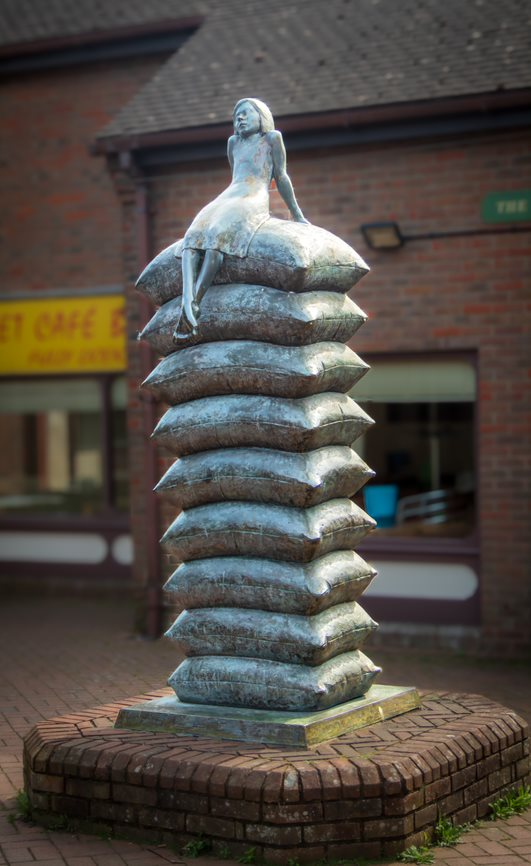
‘Beyond Harvest’ in The Cornmarket shopping precinct.
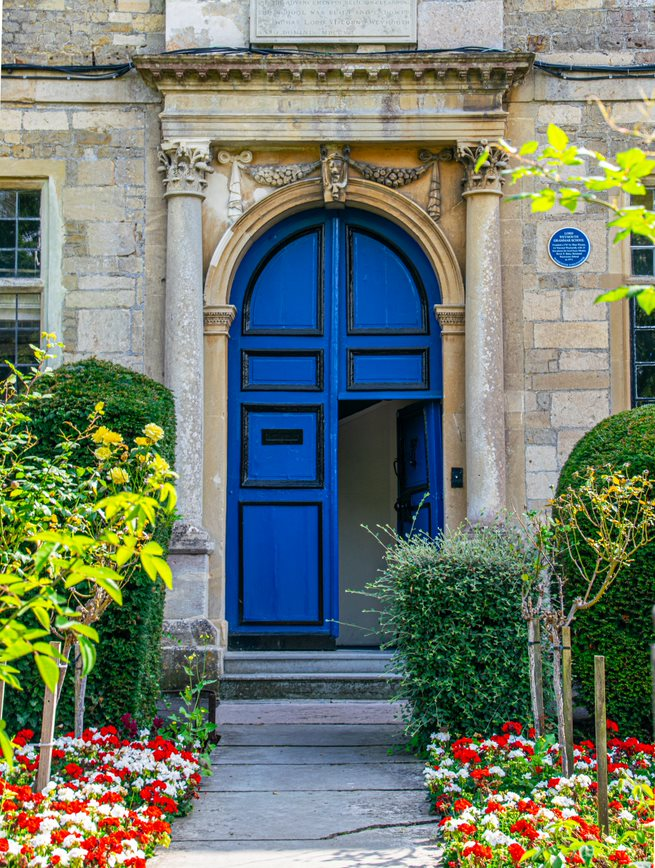
The Wren doorway at Warminster School.
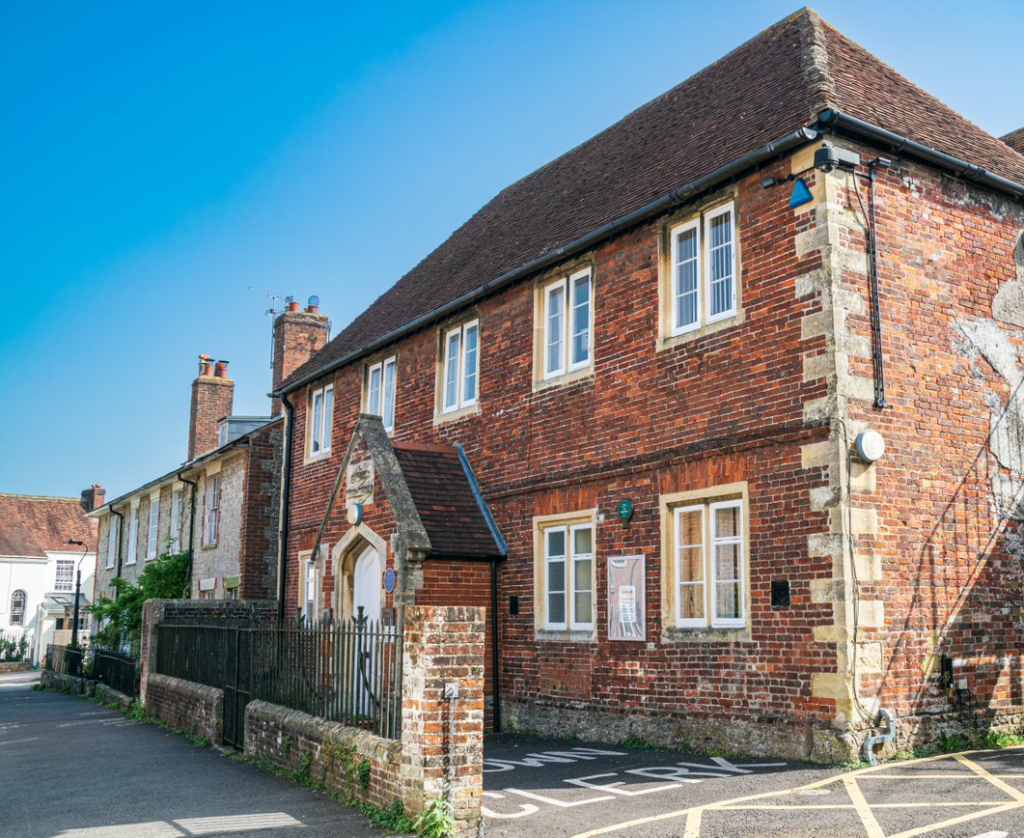
Dewey House at North Row.
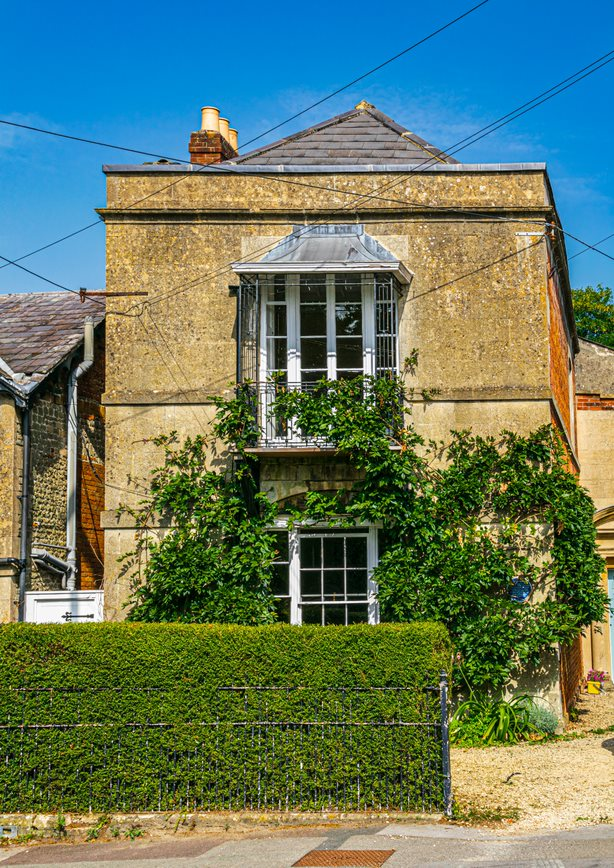
Eastway at East Street.
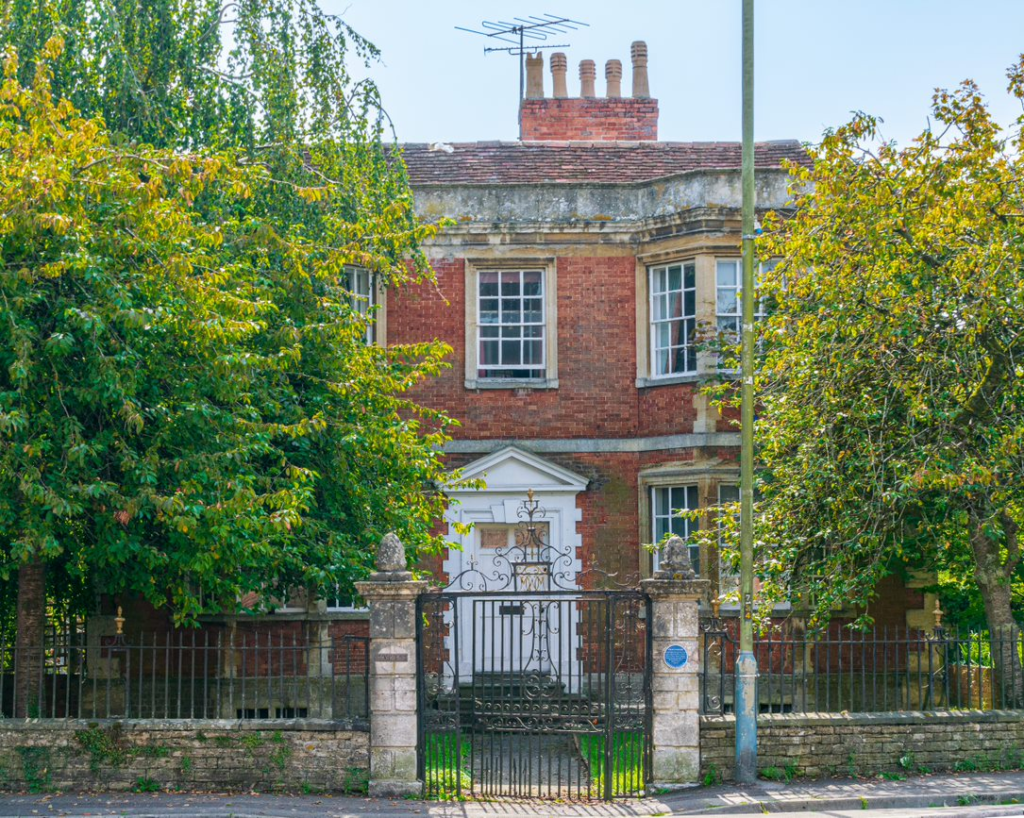
Craven House at Silver Street.
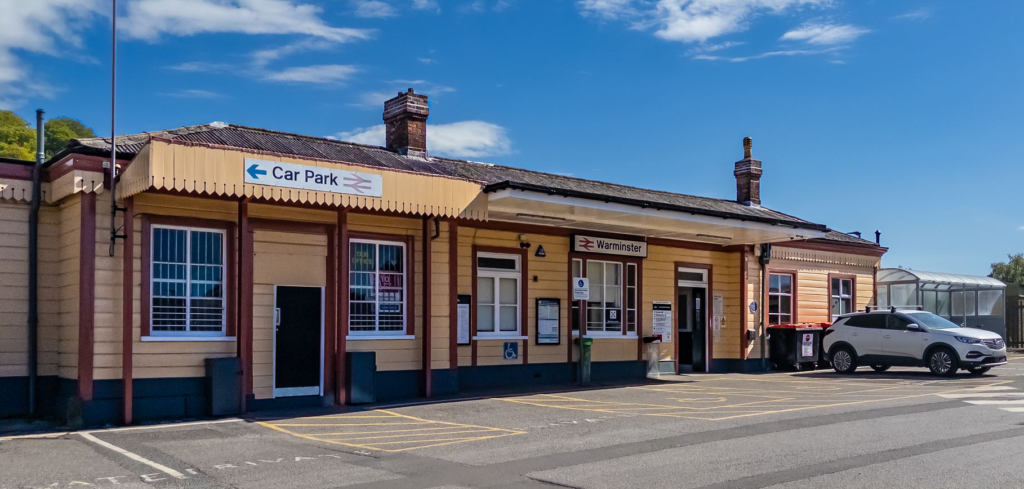
Warminster Railway Station.
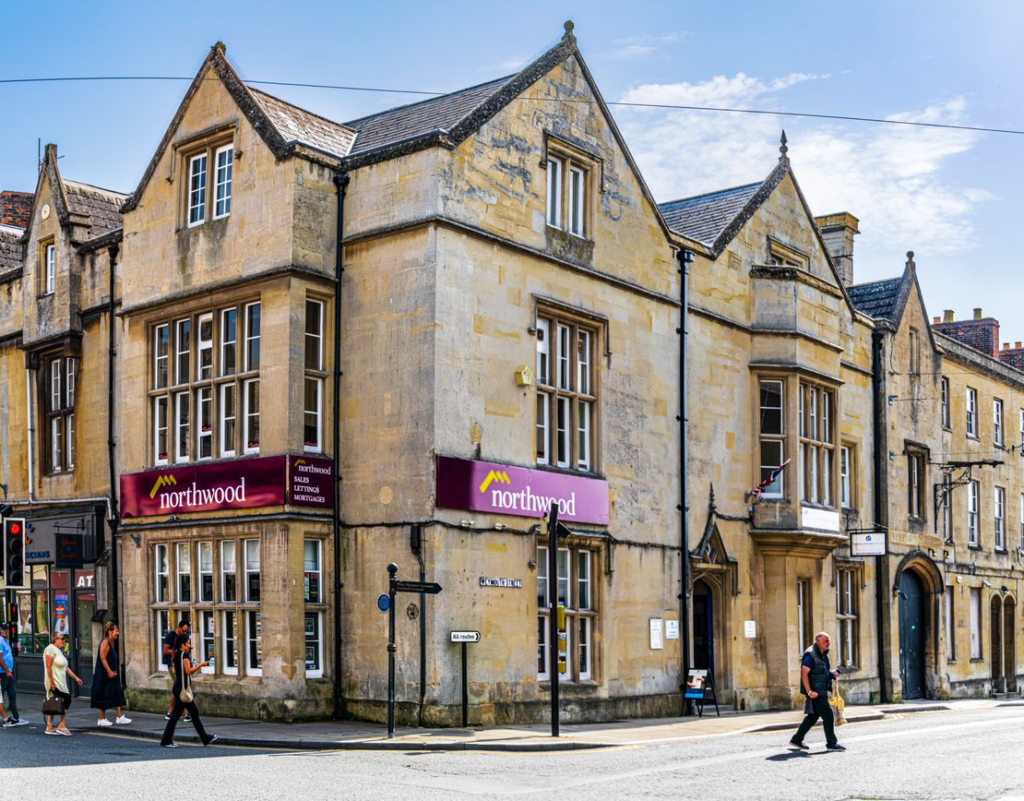
The former Scientific And Literary Institute on the
corner of Market Place and Weymouth Street.
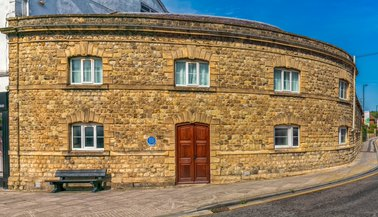
The Masonic Hall on the corner of
Market Place and Station Road.
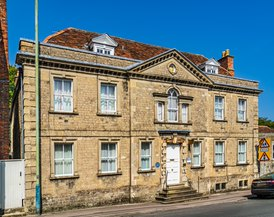
Wren House at Vicarage Street.
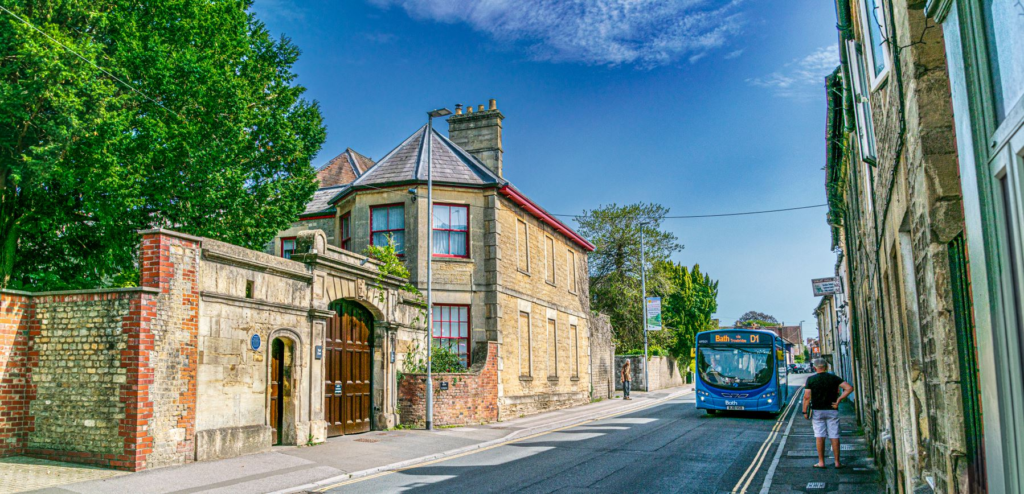
East Street. Yard House on the left.
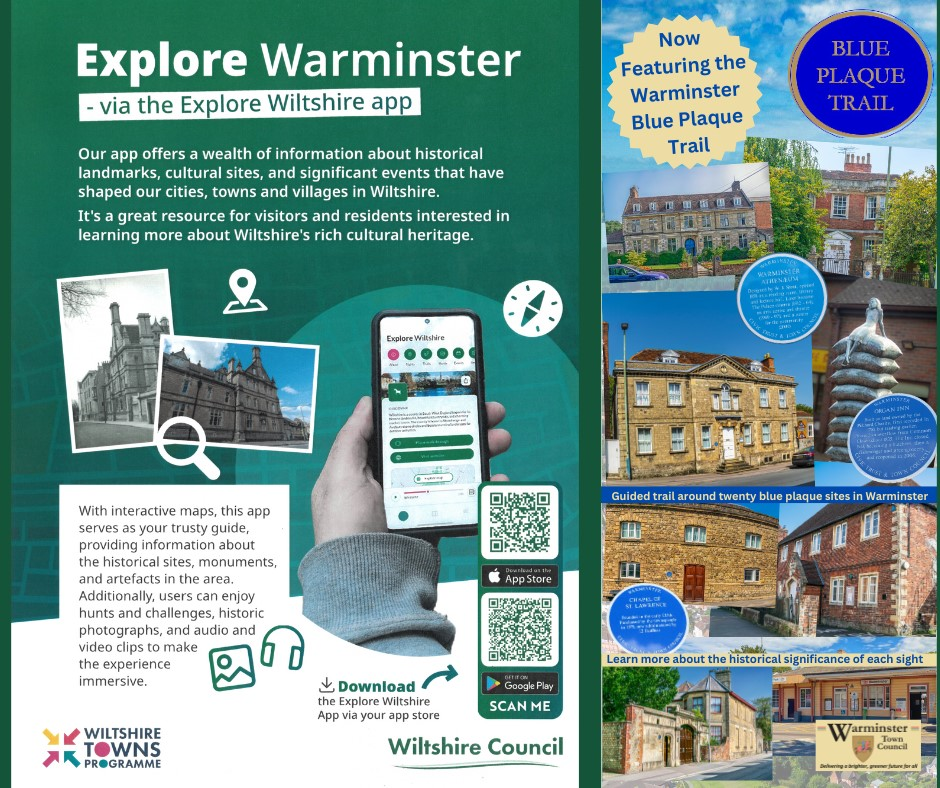
Explore Warminster.
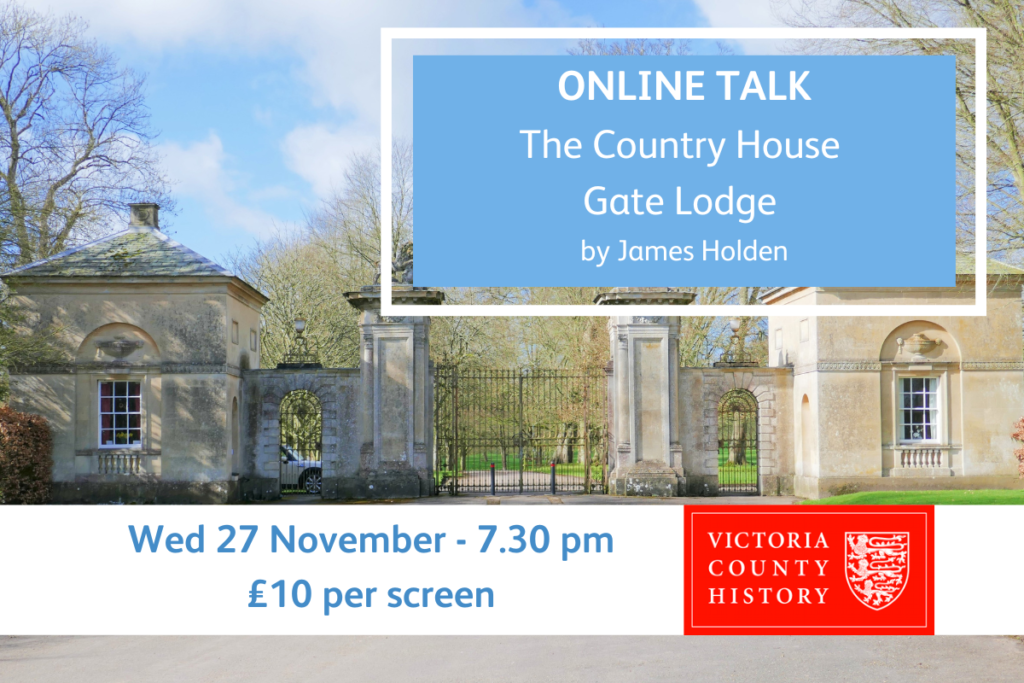
Online Talk: The Country House Gate Lodge

Wednesday 20th November 2024

ONLINE LECTURES FROM THE VICTORIA COUNTY HISTORY FOR WILTSHIRE (VCH)
NEXT WEEK: The Country House Gate Lodge
Country houses are often hidden from view at the centre of their estates and it is the gate lodge by the public road which announces their presence. So the gate lodge stands in for the house, and in its architecture provides an advertisement for the taste of the owner. The result is a set of small buildings with big architectural pretensions, from the serious to the entirely fanciful, giving a fascinating insight into the tastes of the last 200 years.

James Holden’s talk will trace this story, plentifully illustrated with examples from Wiltshire, a county which contains some of the finest gate lodges in the country.Date:  Wednesday 27 November
Time: Start 7.30 pm
Location: online via Zoom, the link is sent on the day of the event.
Tickets: £10 – all proceeds to VCH, who organise these online lectures.
For more information and to book online – click the link below.
Book Online

West Wiltshire District Council’s Warminster Town Centre Conservation Area Character Assessment ~ Materials

West Wiltshire District Council’s Warminster Town Centre Conservation Area Character Assessment, Informative Document, Consultation Draft/Cabinet Draft, of December 2006, includes the following notes:

MATERIALS
Locally quarried rubblestone roughly squared was a popular building material in the 18th century. The more affluent buildings used dressed stone, fenestration details such as door and window openings and quoins. Bath Stone was imported for use on some of the most prestigious buildings within the town such as Portway House, The Athenaeum and the Town Hall.

Brick as a building material began to be used in the mid 18th century. One of the earliest examples of brickwork is in the Weymouth Arms, Emwell Street. From this period onwards bricks were also used around doorways and windows.

In the 19th century many of the existing buildings were re-fronted or rendered in stucco, although buildings continued to be constructed with local rubble and brick dressings. Cambered arches were commonly used and details such as this should be accommodated in new buildings and extensions. Houses entirely of brick were uncommon during the early nineteenth century, but became more common towards the end of the century.

Originally famous for its thatched roofs, Warminster gradually adopted plain clay tiles, made from local clay, as a safer roof cladding due to concerns over fire. The roofscape today is recognised as being in the main an attractive assembly of traditional roof shapes and coverings, that can be fully appreciated from the top of St. Lawrence’s tower.

Traditional cast iron street nameplates are still common in the town. It is important that these street features are retained. Other features common to property are foot scrapers that still appear on the exterior of many period houses.

error: Content is protected !!