
Thursday 4th September 2014
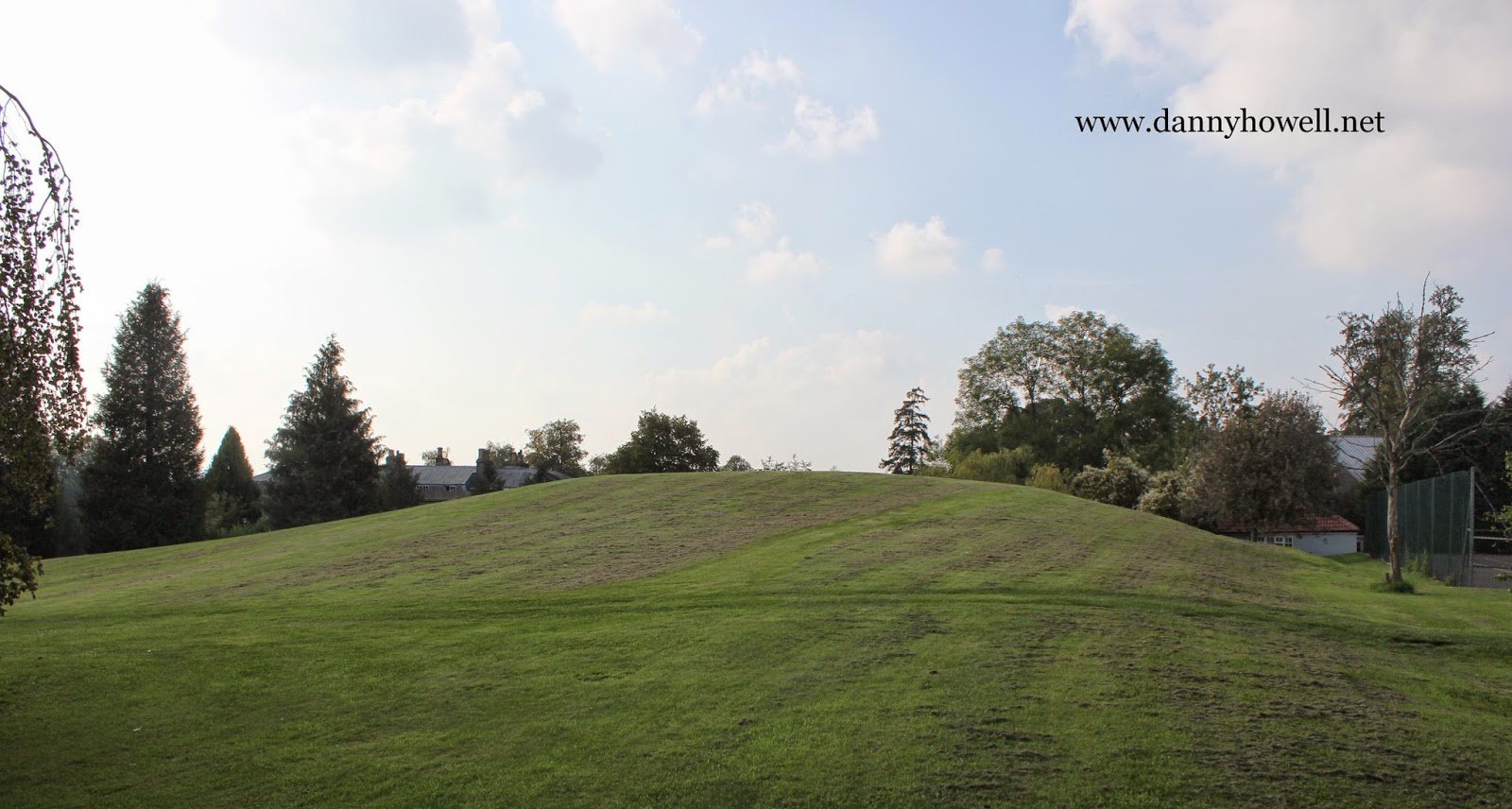
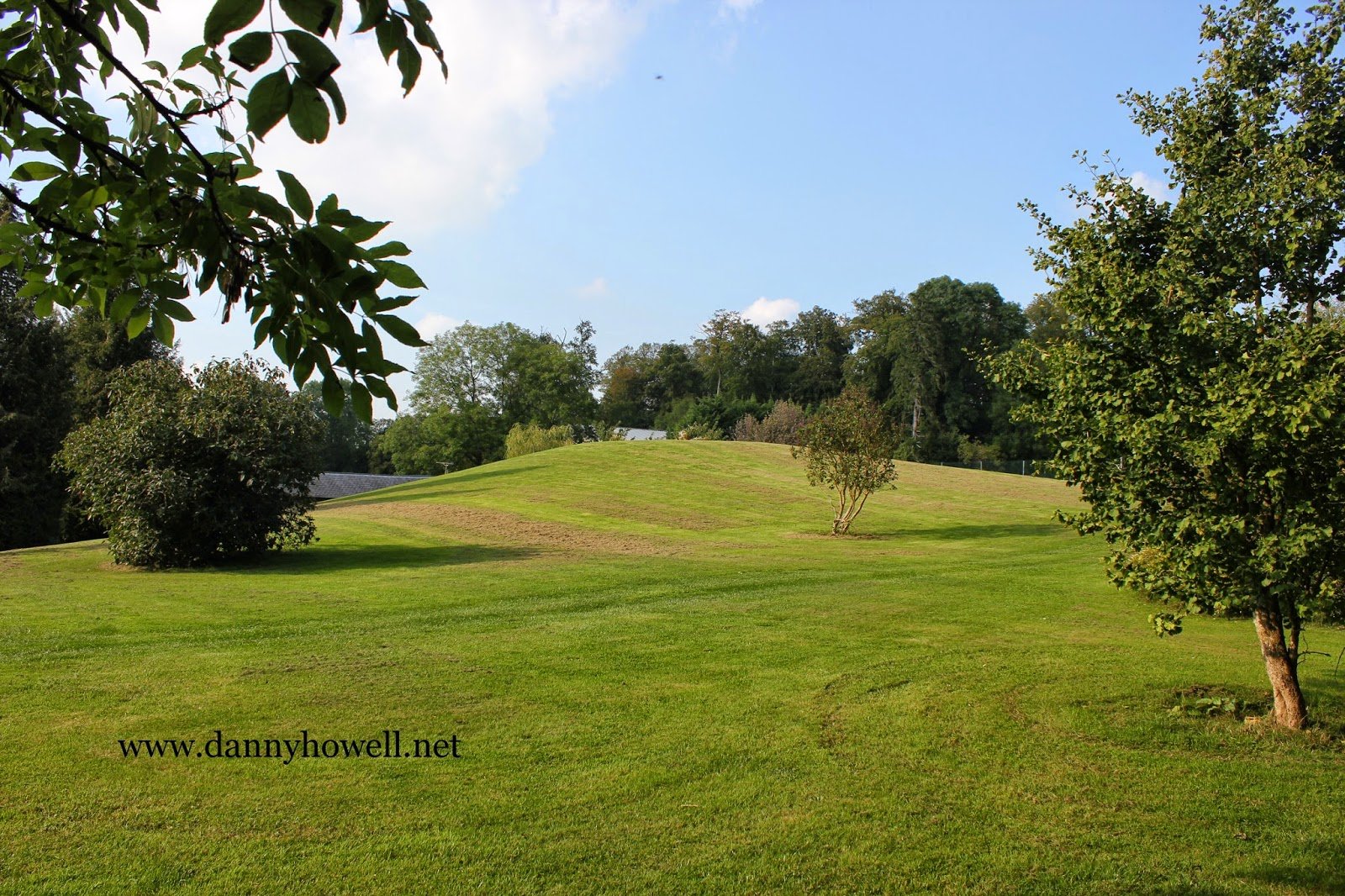
The bowl barrow (a burial mound dating from the Late Neolithic period to the Late Bronze Age, period 2400-1500 BC) which is immediately east of Bishopstrow House Hotel, Bishopstrow.
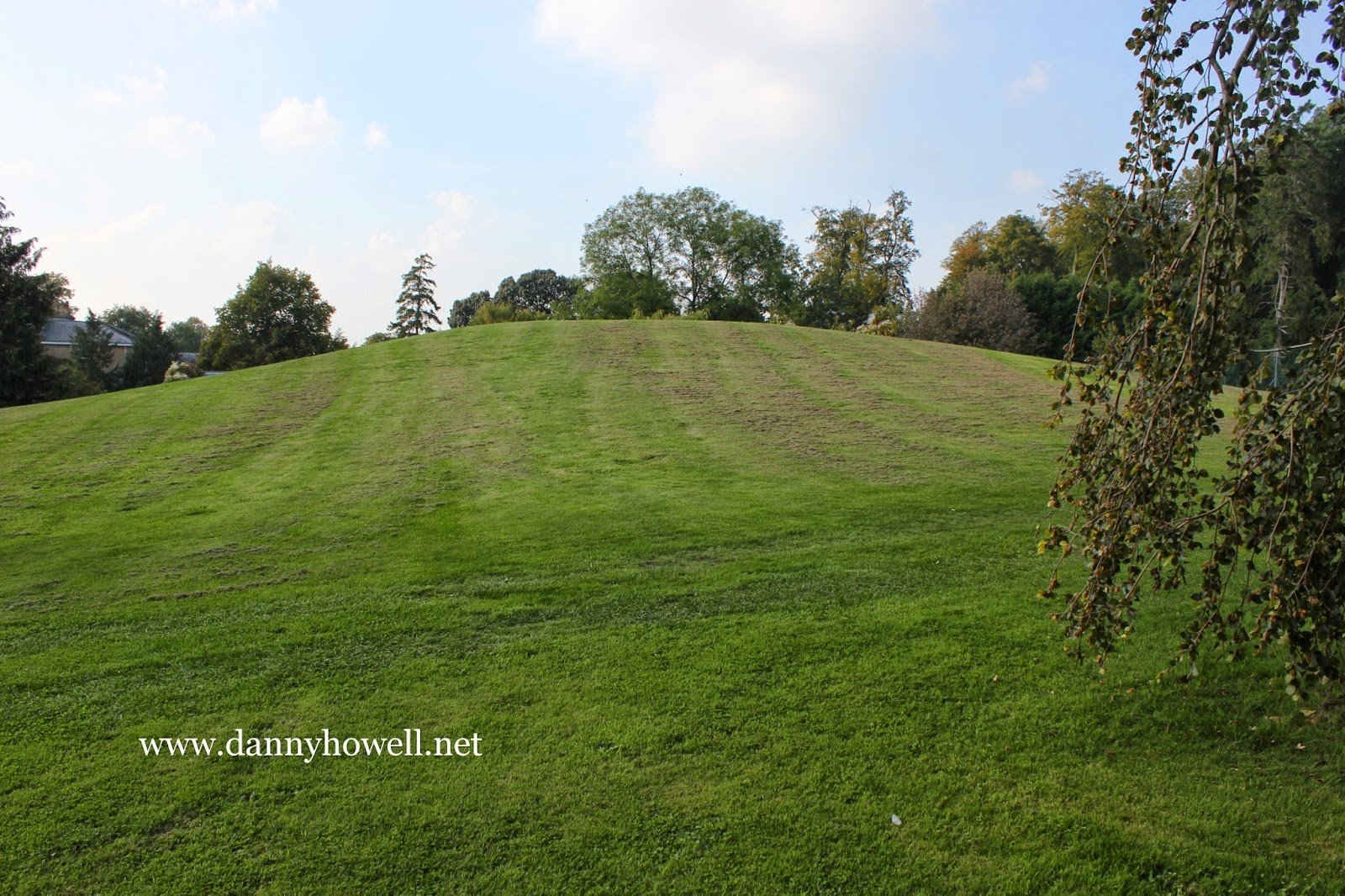
“There is no record that it has been excavated and it will therefore contain archaeological and environmental evidence relating to the people who built it and the landscape in which they lived.”
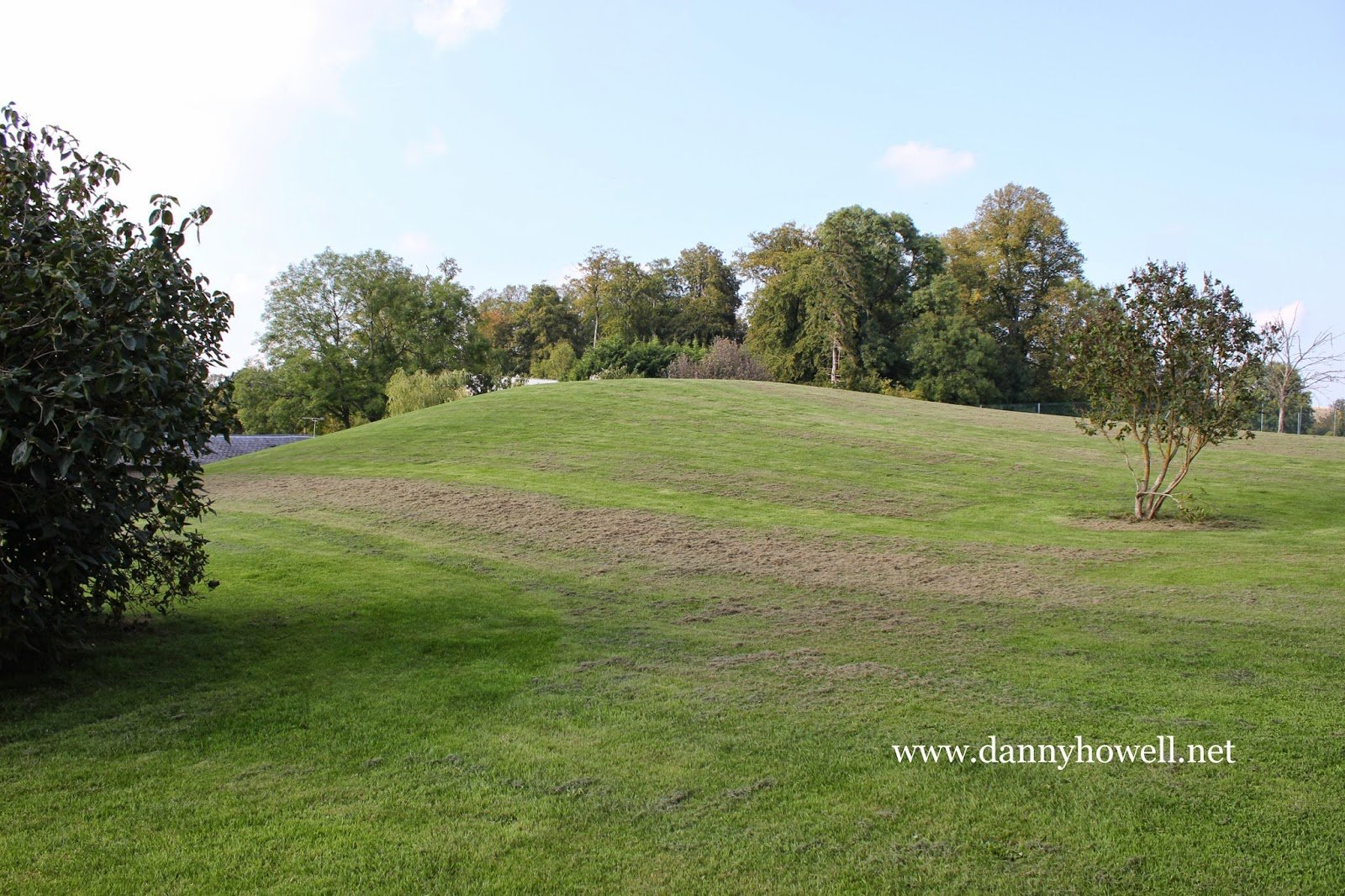
Photographs taken by Danny Howell on Thursday 4th September 2014.
.
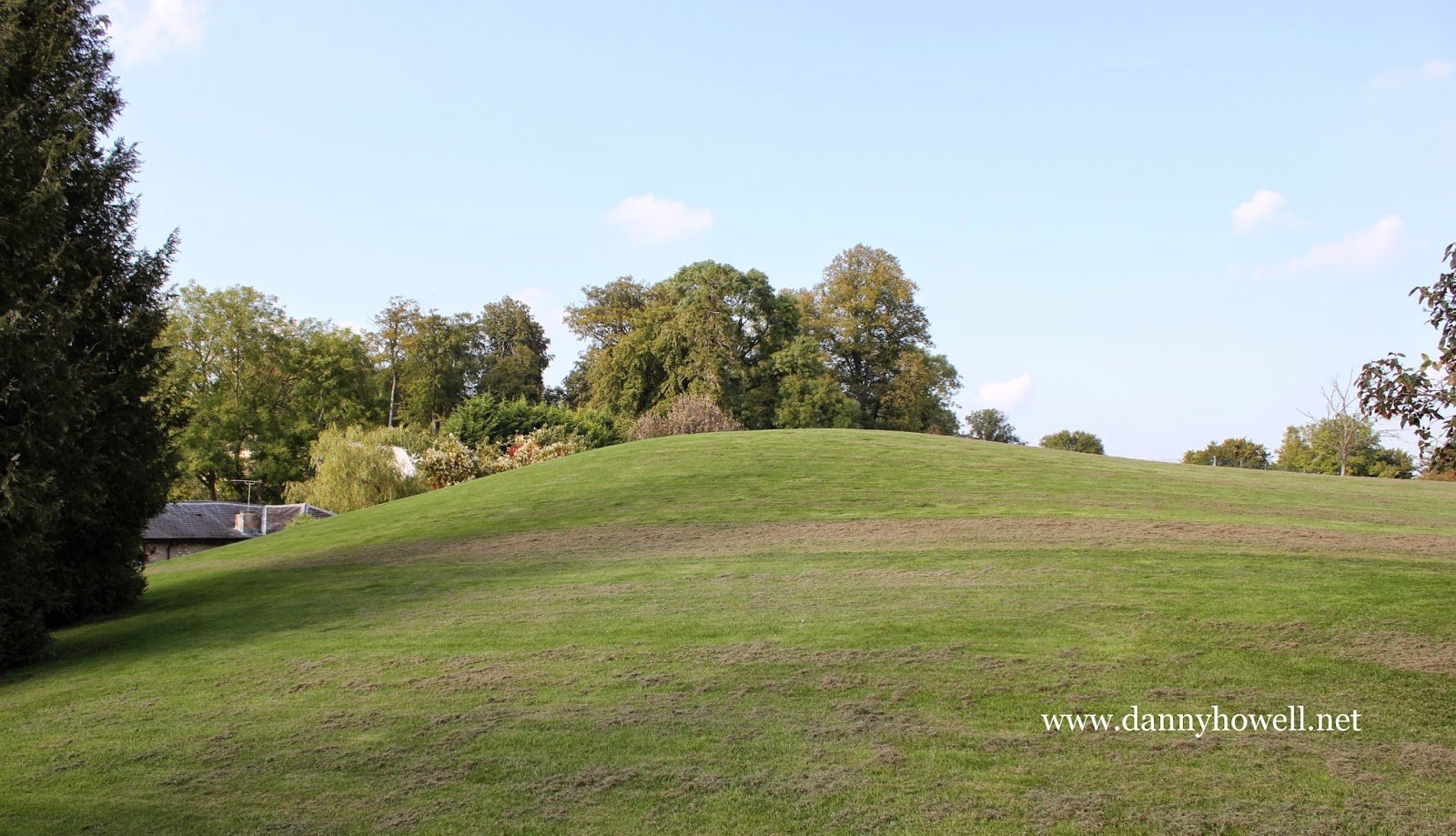
Footnote ~
The Legacy Record compiled by English Heritage for the monument portrayed above includes the following notes:
Bowl barrows, the most numerous form of round barrow, are funerary monuments dating from the Late Neolithic period to the Late Bronze Age, with most examples belonging to the period 2400-1500 BC. They were constructed as earthen or rubble mounds, sometimes ditched, which covered single or multiple burials. They occur either in isolation or grouped as cemeteries and often acted as a focus for burials in later periods. Often superficially similar, although differing widely in size, they exhibit regional variations in form and a diversity of burial practices. There are over 10,000 surviving bowl barrows recorded nationally (many more have already been destroyed), occurring across most of lowland Britain. Often occupying prominent locations, they are a major historic element in the modern landscape and their considerable variation of form and longevity as a monument type provide important information on the diversity of beliefs and social organisations amongst early prehistoric communities. They are particularly representative of their period and a substantial proportion of surviving examples are considered worthy of protection.
The bowl barrow immediately east of Bishopstrow House is a particularly large and well-preserved example of this class of monument. There is no record that it has been excavated and it will therefore contain archaeological and environmental evidence relating to the people who built it and the landscape in which they lived.
The monument [east of Bishopstrow House] includes a bowl barrow situated on a low lying spur of Lower Chalk which forms the north side of the Wylye valley to the east of Warminster. The barrow is situated on a slight south facing slope running down to the river. The mound is flat-topped and 2.2m high from the north but 4m high from the south. From east to west it is 52m in diameter and from north to south 50m, the lower edge of the mound to the north having been truncated by the building of a tennis court. The flat top is circular with a diameter of 10m. Surrounding the mound is a ditch from which material was quarried during its construction. This has been infilled over the years but survives as a buried feature 3m wide except on the north west side of the mound where it has been destroyed by a modern building. The barrow is depicted by the 18th century antiquarian Sir Richard Colt-Hoare on his map of sites around Warminster. There is no record that the barrow has been excavated. Another bowl barrow and a long barrow to the north are the subject of separate schedulings. The surface of the tennis court and fencing are excluded from the scheduling, although the ground beneath these features is included.
For full details by English Heritage including the location depicted on the Ordnance Survey map, click here.